




Antique Wooden Deity
These pieces of antique wooden deity bring centuries of devotion, craftsmanship, and regional ritual art directly into your interior.
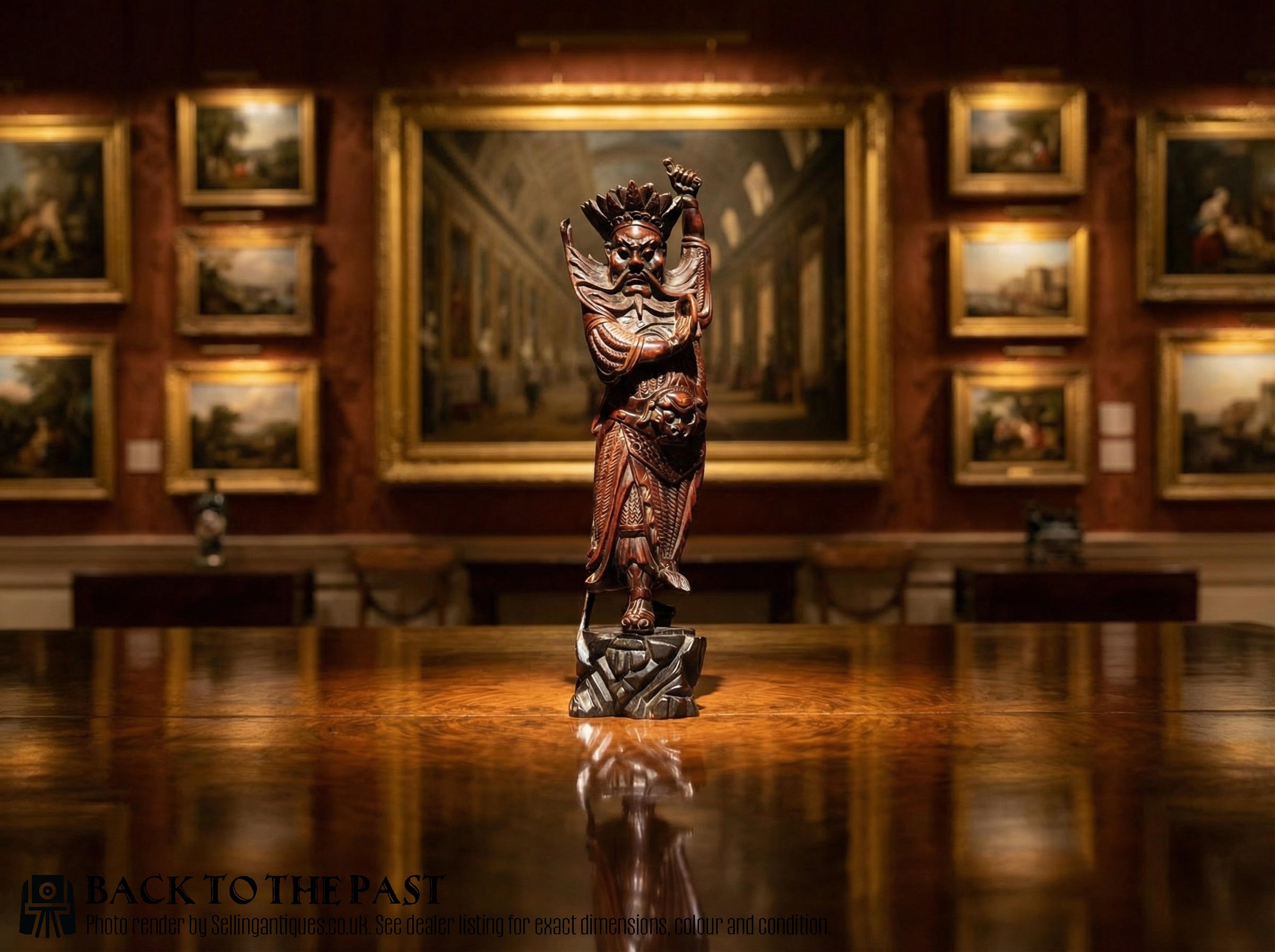
Antique Wooden Deity
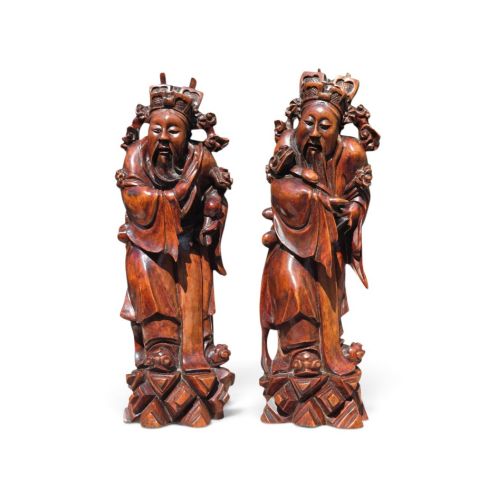
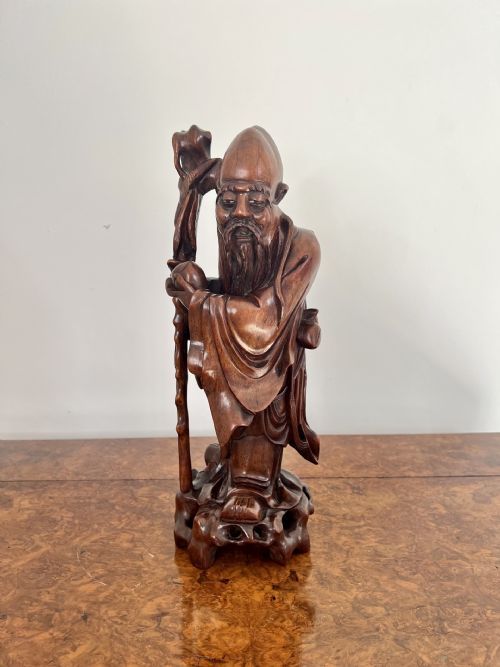
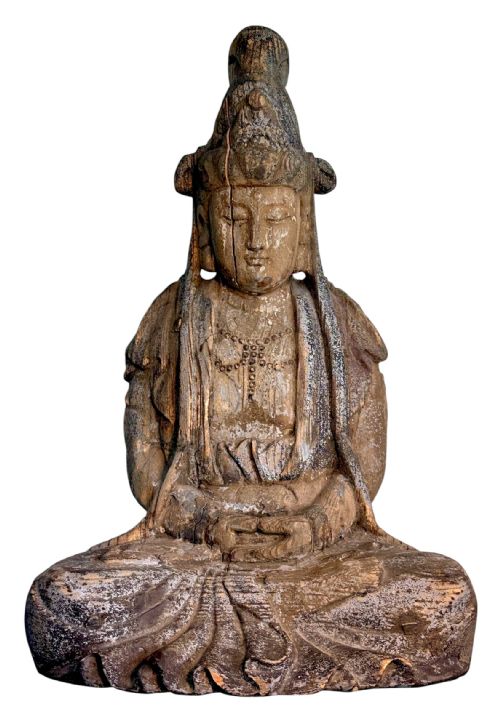
When you search for an antique wooden deity, you encounter carved sculptures, temple figures, and architectural fragments originating from various Asian and European traditions. These works depict revered figures such as Daoist immortals, the Goddess Parvati, Buddha, Rama and Sita, and various temple guardians.
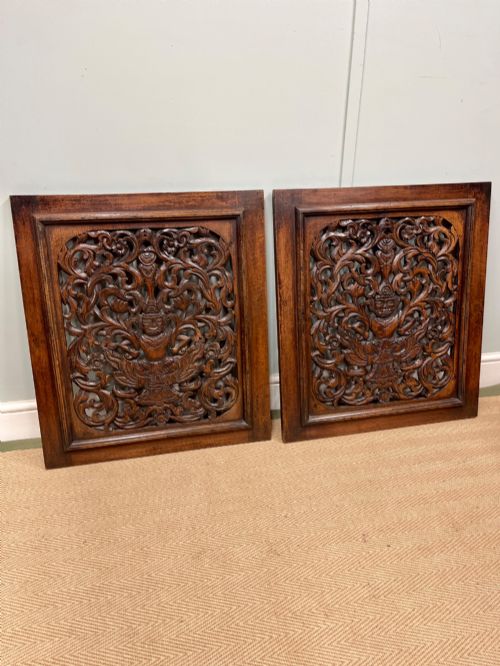
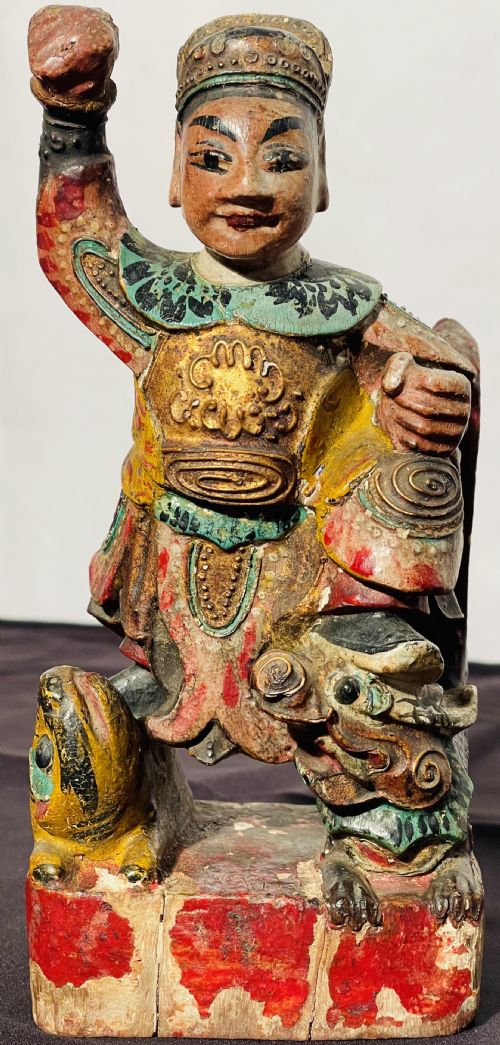
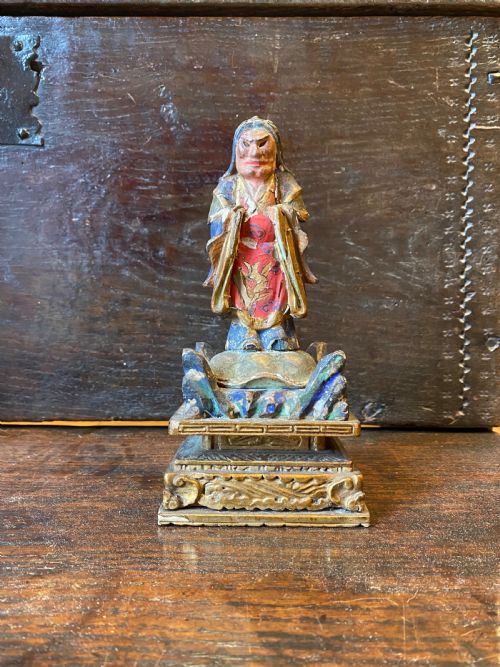
The selections available range from Chinese Qing Dynasty hardwood carvings and Burmese wall panels to Balinese and Indian figurative works. You are most likely to meet nineteenth-century hardwood and polychrome painted figures bearing traditional iconographic details.
The forms extend beyond traditional freestanding statues to include intricate root carvings, lacquered scholars, and detailed deities framed by dragons or mythological beasts.
Materials and carving techniques
Makers shaped these sculptures primarily from dense woods and various hardwoods, frequently applying layers of gesso to prepare the surface for intricate detailing. Artisans then utilised hand-carving techniques to delineate flowing robes, facial expressions, and ornate attributes.
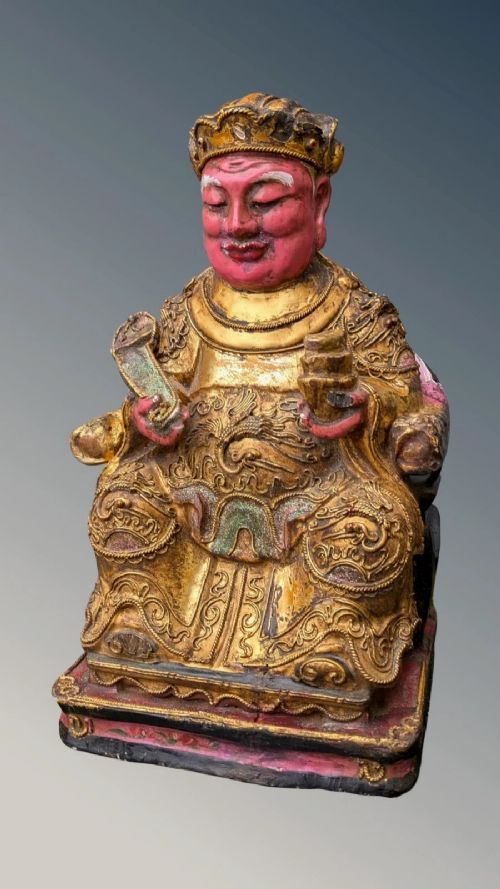
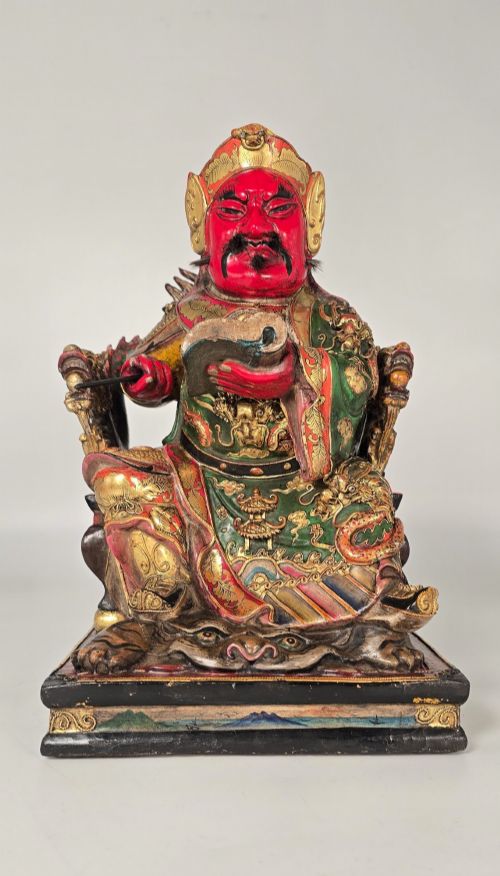
Many surfaces feature applied gold leaf, gilding, lacquer, and polychrome paint to accentuate the divine status of the subject. These decorative layers often display natural ageing and distress over the centuries.
Listings feature works spanning from the eighteenth century through the early twentieth century, utilising teak, boxwood, and assorted hardwoods.
Assessing sculptural quality
The survival of original surface treatments, including polychrome pigments, lacquer, and gold leaf, significantly influences the integrity of the piece. Works retaining their authentic layered finishes demonstrate superior historical preservation.
The Antique Wooden Deity Glossary
- Polychrome
- Decorated in multiple colours. This term describes statues and panels painted with various pigments over gesso or bare wood.
- Hardwood
- Timber derived from broad-leaved trees, offering high density and durability. Carvers utilised these resilient woods for detailed figurative sculptures that resisted warping.
- Gilt wood
- Wood coated with a thin layer of gold leaf or powder. Artisans applied this technique to elevate the status of religious temple figures.
- Gesso
- A paint mixture consisting of a neutral binder mixed with chalk or gypsum. Craftsmen applied this substance as a smooth base for subsequent gilding and painting.
- Okimono
- A Japanese ornamental statue or carving designed for display. These decorative pieces often represent deities, folk heroes, or auspicious figures from daily life.
Antique Wooden Deity: Frequently Asked Questions
How should I display an antique wooden deity?
Position these sculptures on sturdy consoles, mantelpieces, or dedicated display cabinets away from direct sunlight and abrupt temperature changes. Stable indoor conditions protect fragile gesso, paint, and gold leaf layers from flaking.
Allow adequate space around larger figures, such as temple guardians or monumental pairs, so the carved details remain visible from various angles in the room.
How do I identify the period of a carved deity?
Examine the tool marks, timber density, and the composition of underlying gesso or paint layers. Stylistic indicators, such as Qing Dynasty garment folds or Meiji period facial conventions, offer reliable chronological clues.
Compare the wear patterns and patina across the wood to ensure the surface finish matches the estimated age of the carving.
What is the difference between a temple figure and a domestic carving?
Temple figures generally exhibit larger proportions, heavier polychrome or gilt applications, and iconography suited for communal worship or architectural guardianship. These pieces often display weathering consistent with semi-exposed religious environments.
Domestic carvings and desktop figures tend to be smaller in scale, featuring refined details intended for close contemplation within a private study or residence.
How do I care for a polychrome wooden sculpture?
Dust the surface gently using a soft, dry brush without applying pressure to painted or gilded areas. Avoid using liquid cleaners, polishes, or damp cloths, which can lift fragile pigments and historical gesso.
Maintain consistent humidity levels in the room to prevent the underlying hardwood from expanding and contracting.