

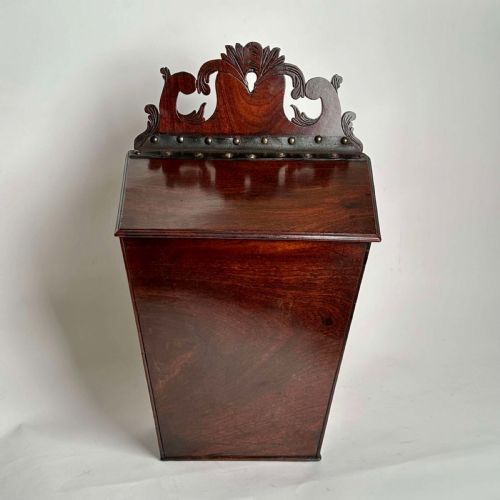


Antique Wooden Cutlery Holder
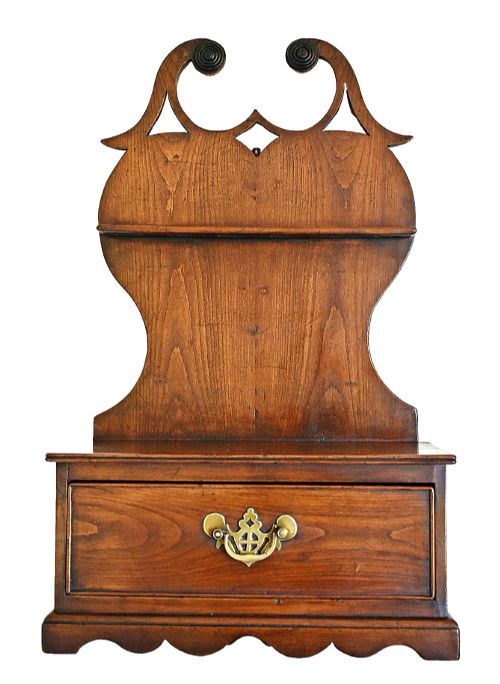
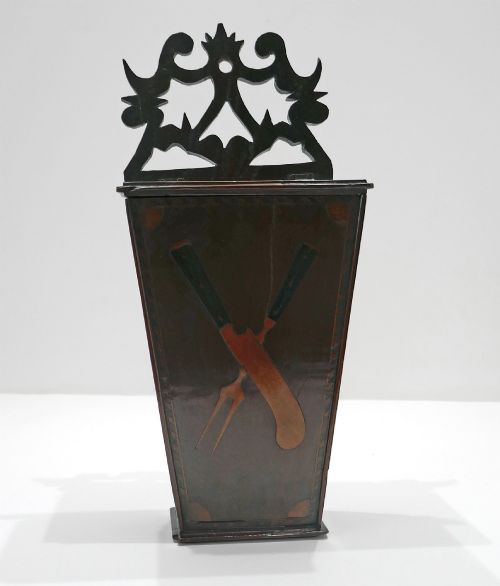
An antique wooden cutlery holder organises your table with period character, taking the form of spoon racks, knife boxes, and carry trays from country houses.
Antique Wooden Cutlery Holder
When you search for an antique wooden cutlery holder, you find pieces designed to store, organise, or carry tableware in domestic settings. The selection on this page centres primarily on Georgian and 19th-century examples, spanning formal knife boxes to rustic country house wall racks.
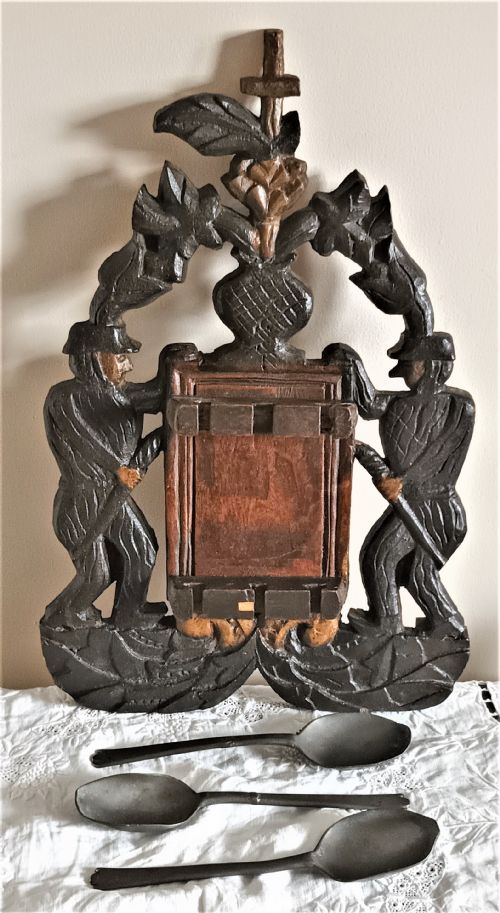
The forms vary from hanging spoon racks complete with pewter trefid spoons to partitioned trays, butler's carries, and walnut canteens. You encounter regional pieces such as Welsh red painted knife trays and Scandinavian rustic pine boxes alongside English mahogany pieces.
Makers produced these items for functional use in kitchens and dining rooms, employing woods like oak, mahogany, walnut, pine, and fruitwood. Many items double as work boxes, stationery cabinets, or wine carriers while retaining their primary purpose of cutlery storage.
What varies in quality
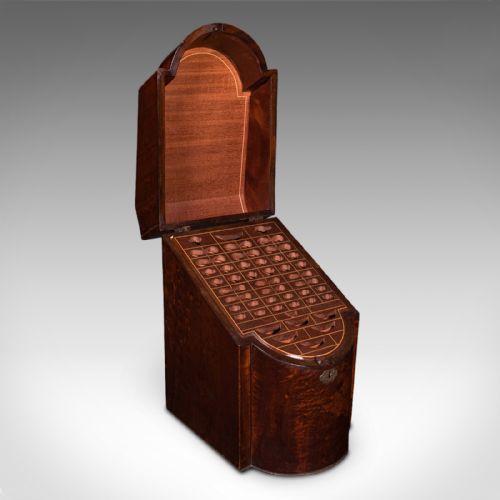
Quality shows in the selection of timber and the precision of the joinery, distinguishing finely figured mahogany knife boxes from utilitarian pine trays. Cabinet work with complex fitted interiors, crisp wood inlay, and original brass hardware stands apart from simpler vernacular items.
The survival of original components, such as accompanying pewter trefid spoons in a spoon rack or intact internal partitions in a canteen, elevates a piece. Form also dictates distinction, where unusual large proportions or specialised carrier designs reflect higher ambition in the original commission.
Antique Wooden Cutlery Holder Retail Price Guide 2026
Typical asking prices for wooden cutlery holder among the pieces listed under this phrase on Sellingantiques today, from the lower quarter to the upper quarter. They describe what is for sale here now, not the wider market.
Several spoon racks come complete with their original pewter trefid spoons, ready to hang back on the kitchen wall.
The Antique Wooden Cutlery Holder Glossary
- Trefid spoon
- An early form of spoon featuring a broad, three-lobed terminal on the handle. These commonly appear with period oak spoon racks.
- Knife box
- A sloped-lid container designed to store table knives upright or flat. Georgian examples often feature serpentine fronts and inlaid details.
- Spoon rack
- A wall-mounted wooden rack with notches or holes to display spoons vertically. They frequently incorporate lower ledges or small drawers.
- Butler's carry
- A portable wooden tray or box with a central upright handle for moving tableware. They served domestic functions around the country house.
- Canteen
- A fitted box or chest designed to hold a complete set of cutlery. These interiors protect individual items within lined or partitioned compartments.
Antique Wooden Cutlery Holder: Frequently Asked Questions
What is an antique wooden cutlery holder used for?
These pieces served practical storage and transport functions in historic kitchens and dining rooms. They held knives, spoons, and serving items safely.
Today, you can use them on sideboards or kitchen counters to store modern cutlery or display decorative tableware items.
How do I date a Georgian knife box?
Georgian knife boxes often feature distinct mahogany grains, serpentine or sloping lids, and period brasses. Construction methods inside the box also indicate the era.
Compare the timber, inlay style, and internal fittings against dated examples from the 18th century to determine the likely period.
What is the difference between a spoon rack and a knife box?
A spoon rack hangs on the wall to display spoons vertically in notched slots. A knife box sits on a surface with a lid to enclose cutlery.
Both items served dining organisation but occupied different positions in the historic dining room or kitchen.
Are these pieces made from solid wood?
Most pieces utilise solid timbers such as oak, mahogany, walnut, or pine. Craftsmen selected these woods for structural strength and attractive grain.
Finer formal boxes often display figured mahogany and inlay, while country pieces rely on sturdy oak, fruitwood, or painted pine.