


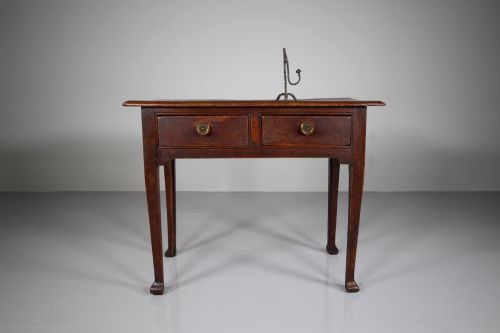
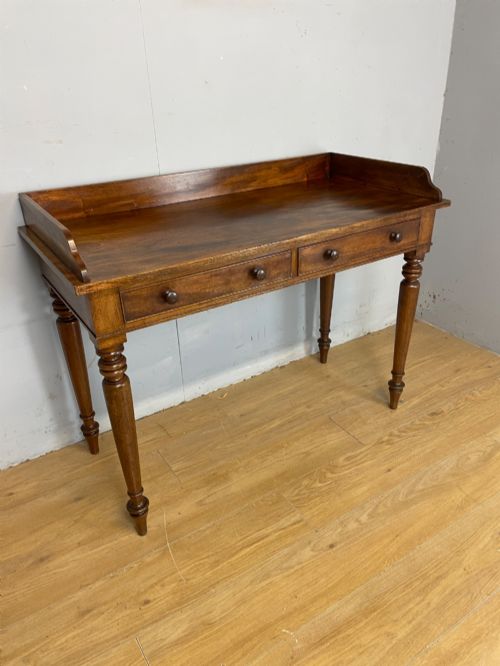
Wooden Console Table
These wooden console table examples bring solid construction and period character to hallways and reception rooms alike.
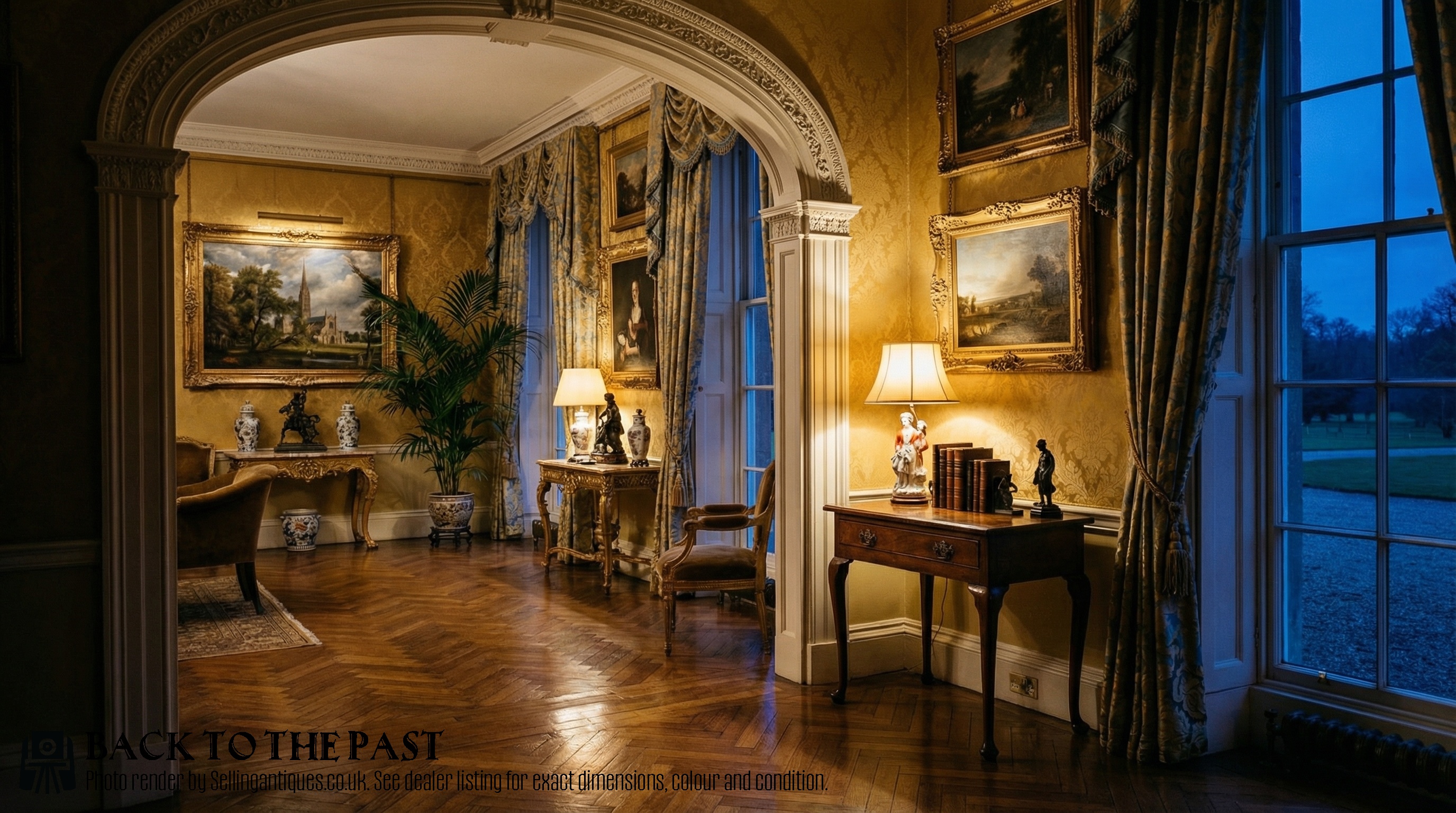
Wooden Console Table
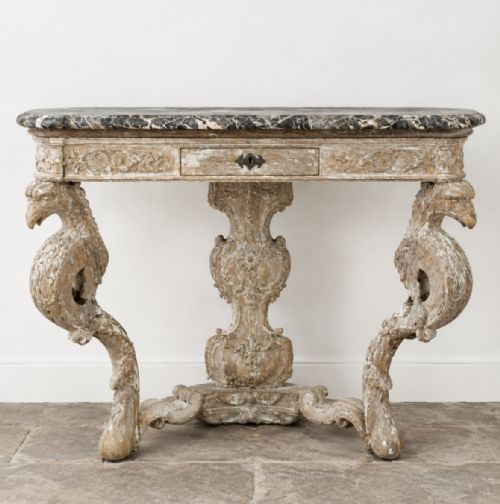
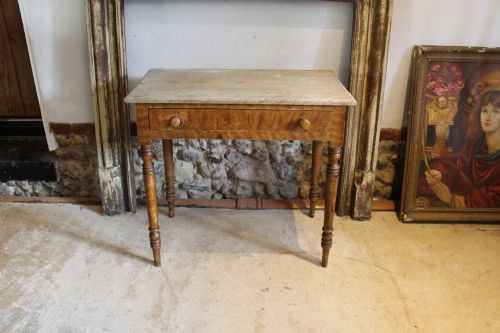
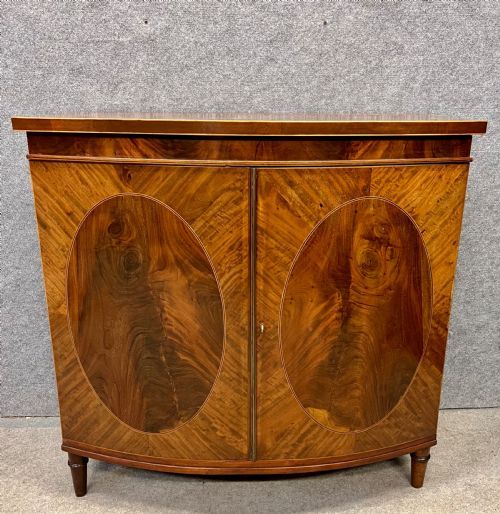
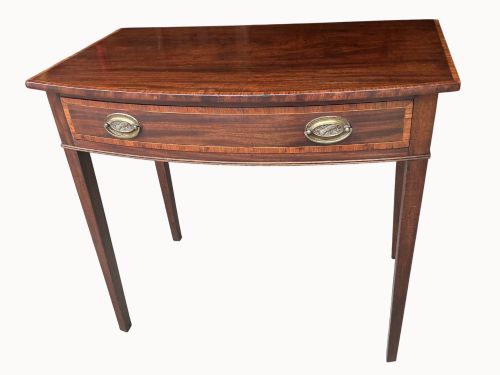
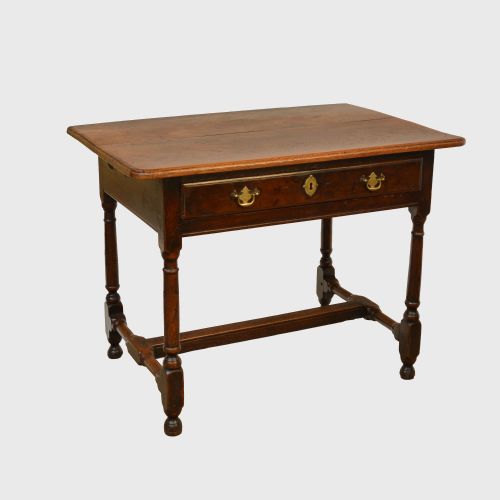
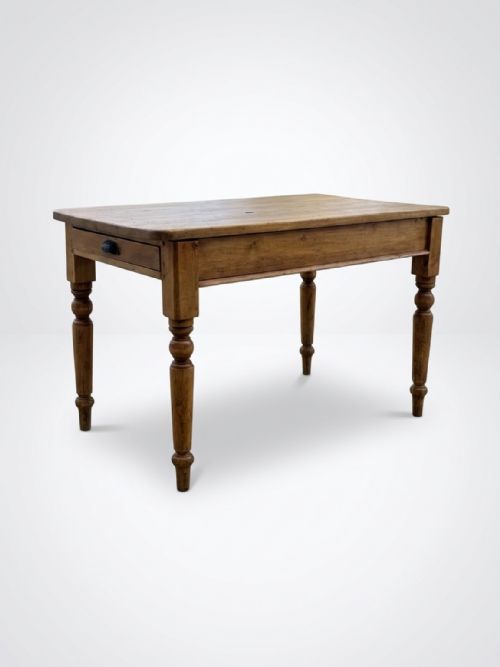
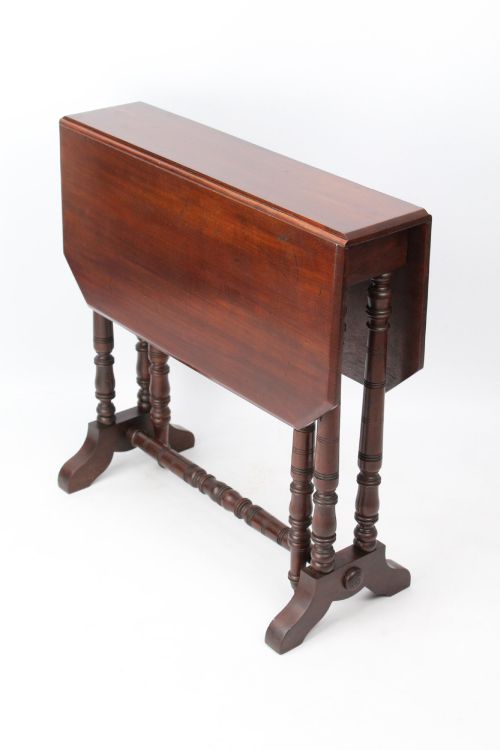
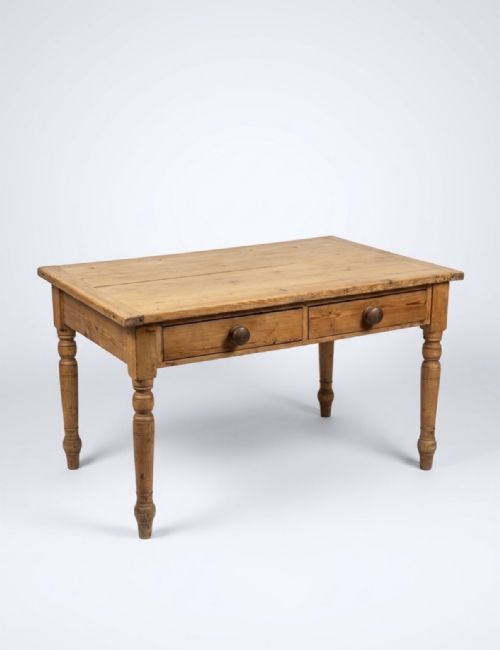
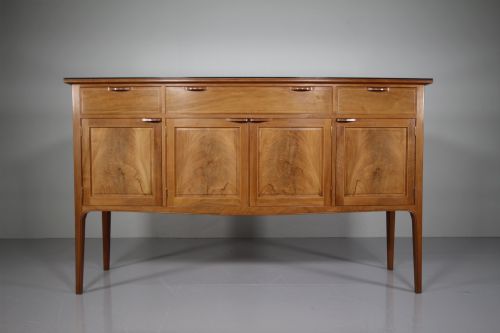
A wooden console table serves practical and decorative needs in domestic interiors, functioning as a hall table, serving table, or occasional surface. Buyers searching for a wooden console table encounter forms spanning the eighteenth and nineteenth centuries, including Victorian and French Provincial styles.
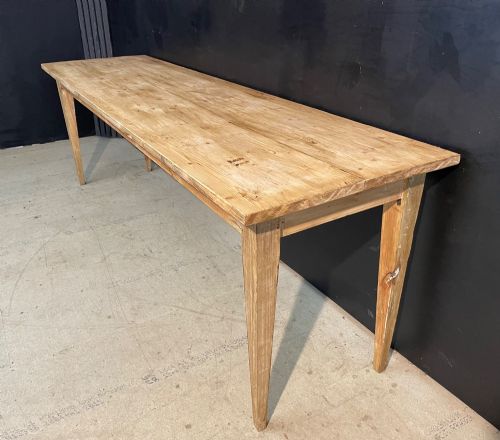
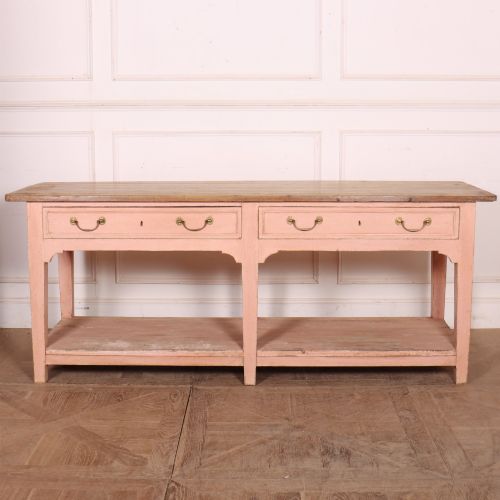
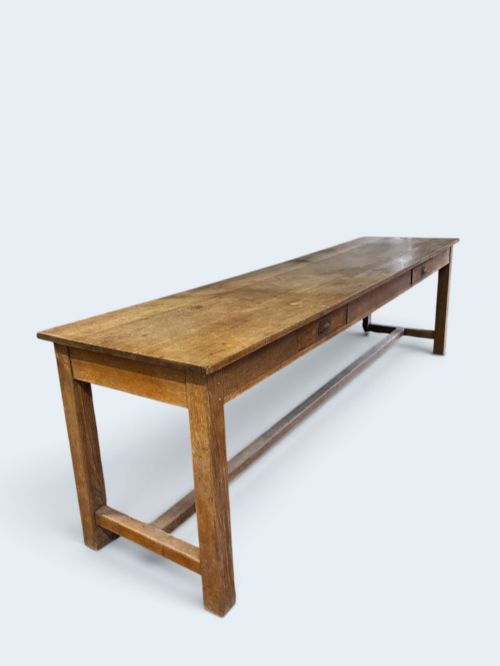
The pieces listed on this page include console tables, hall serving tables, lowboys, and laundry tables adapted for console use. Materials range from mahogany and oak to pine, complemented by brass hardware where appropriate.
Surviving examples reflect distinct historical movements such as Chippendale Revival, Queen Anne, and Gothic Revival. These diverse origins provide numerous options for matching specific period interiors.
Materials and construction
Cabinetmakers utilised hardwoods like mahogany and oak alongside softwood pine, shaping timber into functional tables. Construction techniques involved traditional joinery to ensure stability across console tables, occasional tables, and serving tables.
Surface treatments vary from scrubbed pine and polished mahogany to painted and parcel gilt finishes. Brass details appear on certain pieces to accent the woodwork.
Wooden Console Table Retail Price Guide 2026
Typical asking prices for wooden console table among the pieces listed under this phrase on Sellingantiques today, from the lower quarter to the upper quarter. They describe what is for sale here now, not the wider market.
Listings feature mahogany, oak, and pine pieces spanning the eighteenth and nineteenth centuries, including Victorian and Gothic Revival styles.
Assessing quality and character
Quality in these tables rests upon the selection of timber and the execution of period details, such as the carving found on Chippendale Revival or Gothic Revival pieces. Finer examples display thoughtful proportion and careful finishing of the wood.
Condition and originality dictate the standing of a piece within its period. Tables that retain their original surfaces and structural integrity offer a truer representation of nineteenth or eighteenth century craftsmanship.
The Wooden Console Table Glossary
- Console table
- A table designed to stand against a wall, frequently supported by brackets or legs at the front. These pieces suit narrow spaces like hallways and corridors.
- Lowboy
- A small eighteenth century table with drawers, often styled in the manner of Queen Anne designs. They function well as compact serving or side surfaces.
- Gothic Revival
- A nineteenth century style drawing inspiration from medieval architecture, characterised by pointed arches and robust oak construction. Pieces from this movement display distinct architectural motifs.
- Scrubbed pine
- A finish achieved through repeated washing and scouring of softwood pine tables, common in French Provincial laundry tables. This treatment leaves a pale, matte surface.
- Parcel gilt
- A decorative technique where specific carved details or mouldings receive a partial application of gold leaf. This highlights particular areas against a painted wood background.
Wooden Console Table: Frequently Asked Questions
Where should I place a wooden console table?
These tables find a natural home in entrance halls, narrow corridors, and reception rooms where floor space is limited. Their shallow depth allows them to sit flush against walls without obstructing movement.
They also function effectively beneath mirrors or artwork, providing a surface for lamps, correspondence, and decorative objects.
How do I care for antique wood surfaces?
Keep wooden tables away from direct heat sources and strong sunlight to prevent the timber from drying out or warping. Regular dusting with a soft, dry cloth maintains the finish.
Apply a quality beeswax polish occasionally to nourish older mahogany and oak surfaces, avoiding modern silicone sprays.
What is the difference between a hall table and a serving table?
Hall tables are generally constructed with narrower proportions to fit restricted circulation spaces. They prioritise surface area for everyday items.
Serving tables, by contrast, often originate from dining contexts and feature sturdier builds intended to hold heavier dishes and silverware during meals.