

Antique Wooden Centre Table
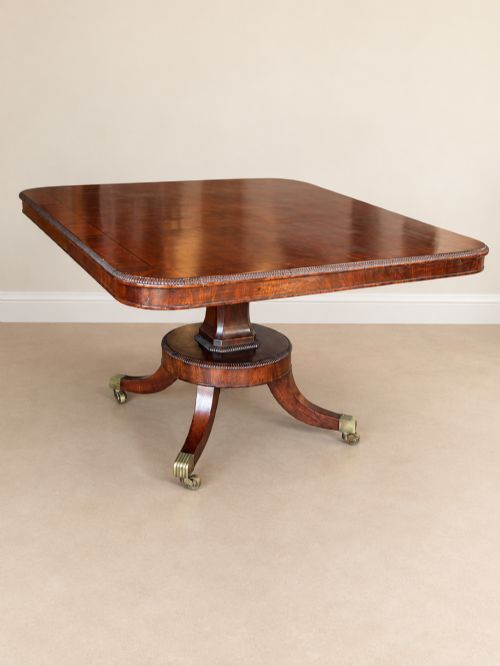
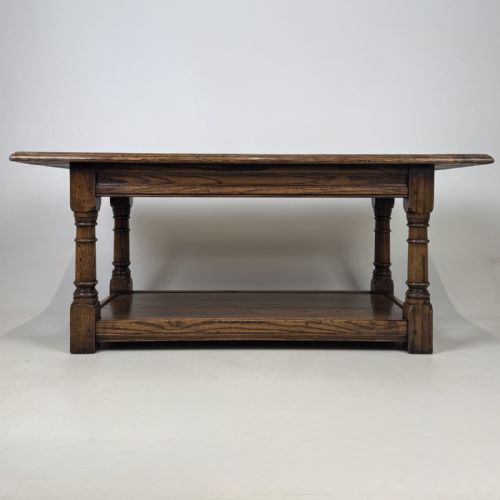
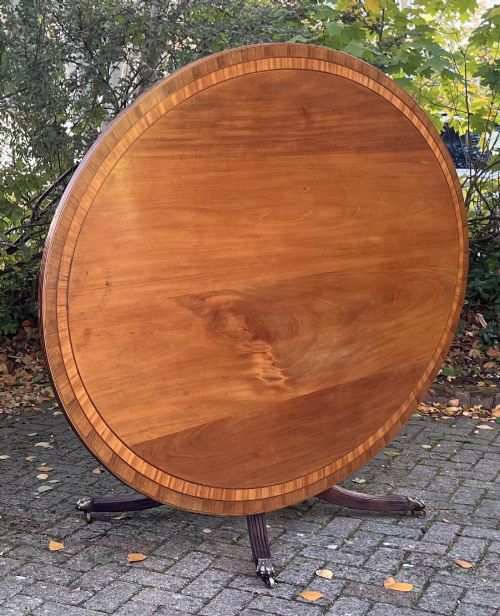
An antique wooden centre table anchors a room with timber grain, period presence and generous proportions designed to be seen from every angle.

Antique Wooden Centre Table
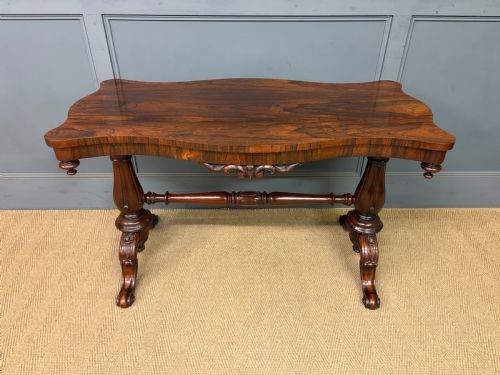
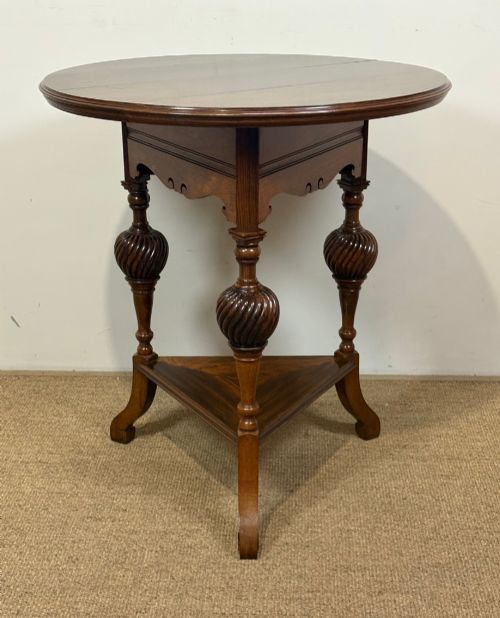
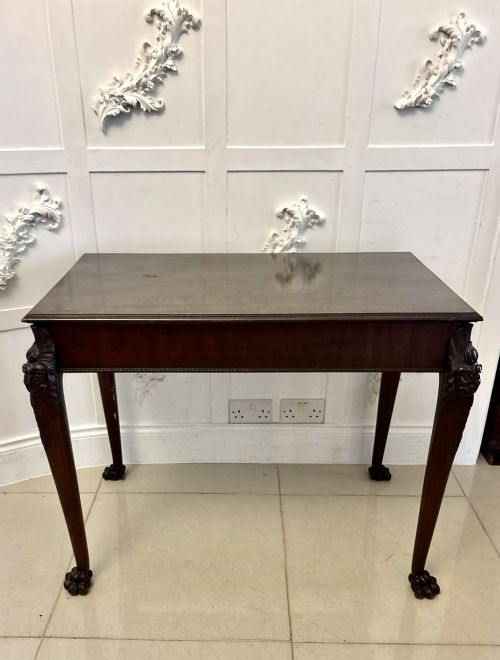
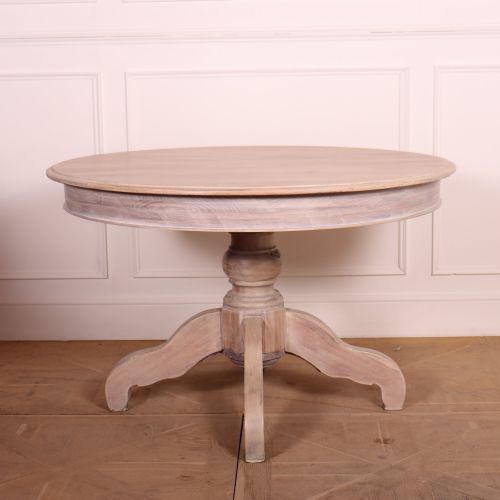
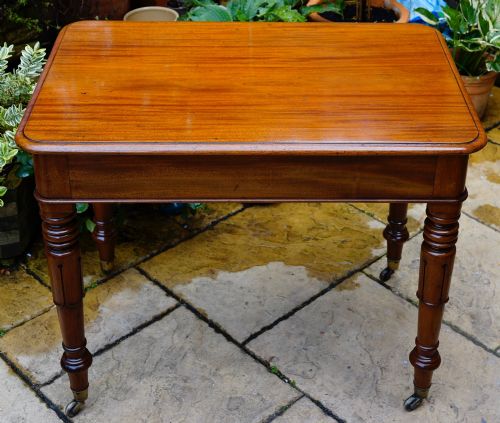
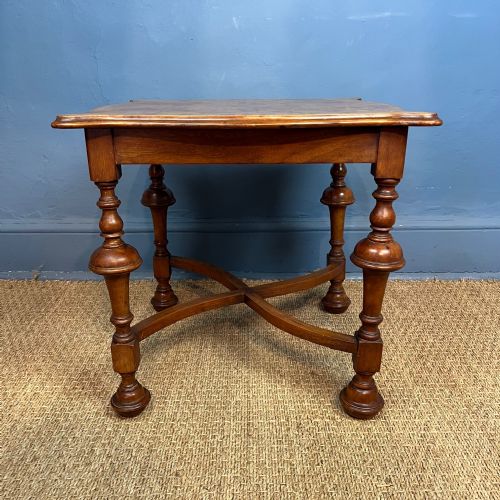
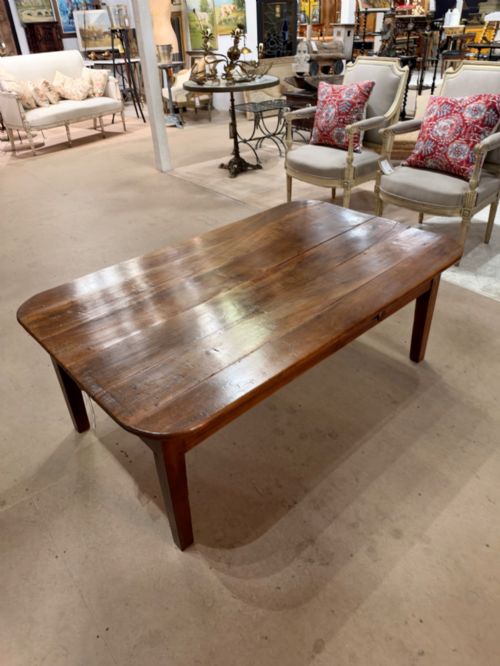
An antique wooden centre table stands apart from wall-bound furniture by offering finished detail on all sides, designed to sit proudly in the middle of a room. Buyers examining this selection encounter diverse domestic forms spanning the eighteenth, nineteenth and early twentieth centuries, where pieces serve variously as breakfast tables, lamp tables, or low coffee tables.
The materials reflect centuries of cabinet-making traditions, drawing heavily on walnut, mahogany, oak, fruitwood and rosewood. These timbers appear across distinct stylistic revivals and regional idioms, including Victorian, Edwardian, William IV, French Provincial and rustic farmhouse aesthetics.
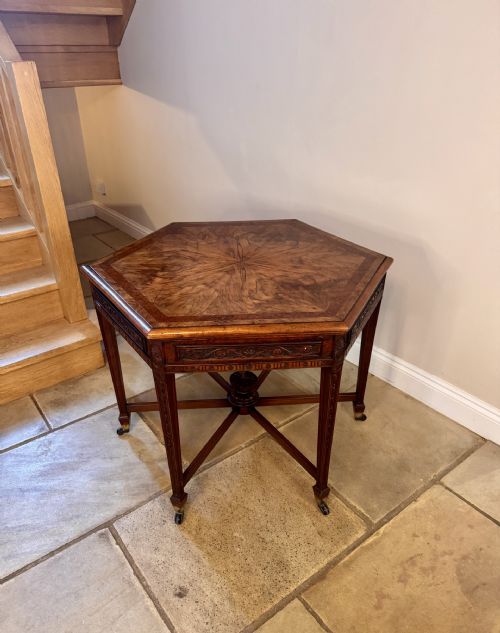
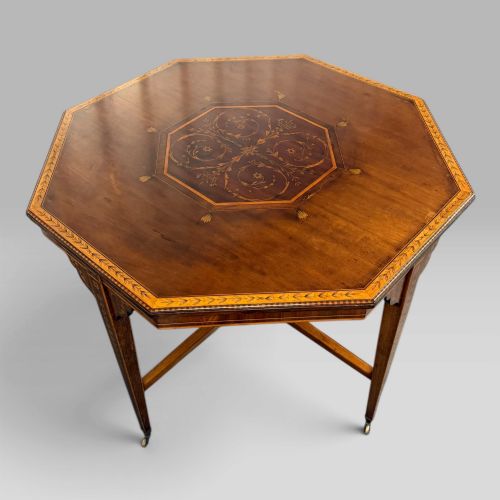
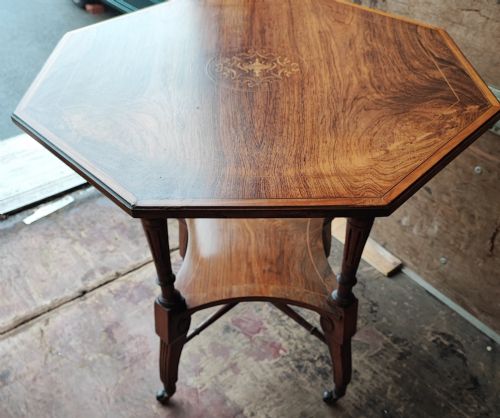
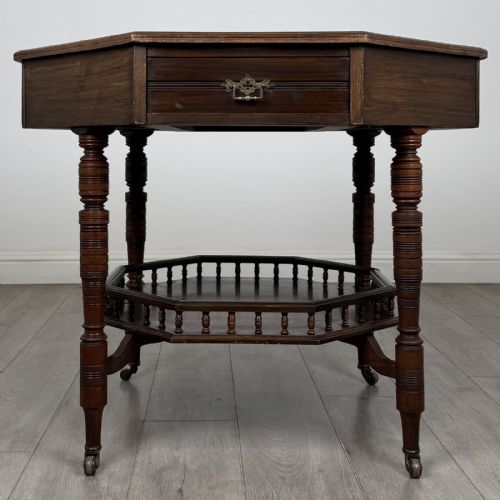
Examples range from compact octagonal and round occasional tables to large dining and breakfast pieces featuring carved quadrapod bases or turned legs. Whether seeking an inlaid French marquetry piece or a solid English oak work, the selection encompasses both formal parlour furniture and sturdy vernacular tables.
Materials and Construction
Cabinet-makers relied on solid hardwoods like mahogany, oak and walnut for structural integrity, often applying figured veneers such as burr walnut, kingwood and satinwood to primary display surfaces. Crossbanding and marquetry inlay introduce decorative geometric and floral patterns executed in contrasting timber species.
Joinery techniques matched the demands of the form, utilising stable framing for table tops supported by turned, carved or pedestal bases. Secondary timbers like pine appear in hidden construction areas, while brass fittings provide functional accents on castors and hinges.
Antique Wooden Centre Table Retail Price Guide 2026
Typical asking prices for wooden centre table among the pieces listed under this phrase on Sellingantiques today, from the lower quarter to the upper quarter. They describe what is for sale here now, not the wider market.
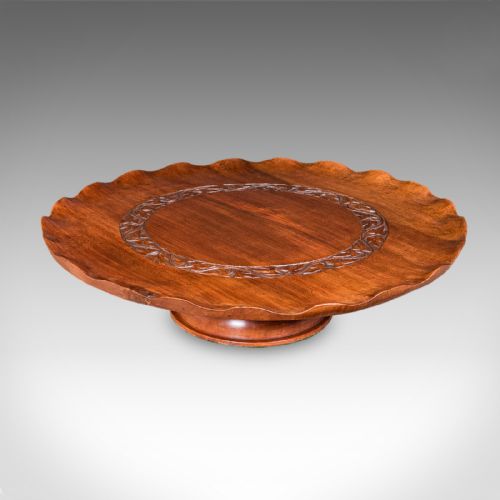
A Black Forest linden wood table brings deep forest carvings straight into the parlour.
Distinctions in Quality
Quality reveals itself in the selection of timber figures, such as the richness of burr walnut or the depth of oyster veneer, paired with crispness in hand-carved details like foliage or moulding. Master cabinet-makers ensured that secondary woods and internal framing matched the excellence of the exterior show-woods.
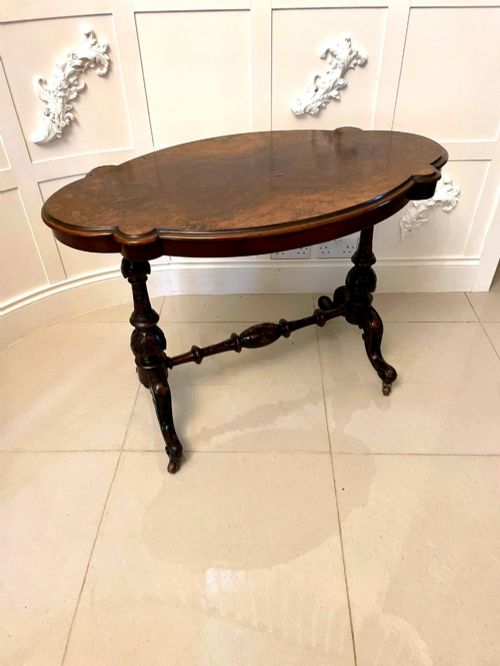
Proportion and structural harmony separate standard production from exceptional work, particularly where tilt-top mechanisms, quadrapod bases, or intricate marquetry are integrated. The survival of original patination, stable joints and coherent styling across the entire piece define the upper tier of surviving examples.
The Antique Wooden Centre Table Glossary
- Marquetry
- Decorative patterns formed by fitting together thin slices of wood veneer into designs on a surface. This technique appears frequently on French and English tables.
- Burr walnut
- Timber taken from a growth or knot on a walnut tree, producing swirling, highly figured grain patterns. It was favoured by nineteenth-century cabinet-makers for luxury table tops.
- Quadrapod base
- A four-legged pedestal support, often heavily carved, designed to balance large circular or oval table tops. It provides both stability and decorative presence.
- Crossbanding
- A border of veneer laid around the edge of a table top with the grain running perpendicular to the central panel. This frames the primary timber and adds visual contrast.
- Patina
- The surface sheen and mellowing developed by wood over decades or centuries of handling and exposure to light. Good patination indicates age and gentle care.
Antique Wooden Centre Table: Frequently Asked Questions
Where should I place a centre table?
A centre table belongs in an open space where its finished four-sided design can be appreciated from all angles. It works effectively in the middle of a spacious hallway, a large drawing room, or acting as a focal point beneath a central ceiling light.
Because these pieces were originally constructed to stand free from walls, they accommodate movement around them and provide a natural surface for lamps, books, or decorative arrangements.
Are these tables sturdy enough for daily use?
Most antique wooden tables were built from solid hardwoods and robust framing designed for generations of domestic service. Everyday dining, writing, or resting objects on them poses no issue provided the joints remain sound.
Heavily carved pedestal designs and tilt-top breakfast tables require careful handling when moved to ensure the central pillar and leg assembly remain under balanced stress.
How do I identify the period of a table?
Dating relies on observing a combination of timber selection, construction methods, hardware, and stylistic ornament. Eighteenth-century pieces often feature simpler structural geometry and fruitwood or oak construction, while Victorian examples frequently showcase elaborate burr walnut veneers and heavy carved pedestal bases.
Examining the underside and secondary woods reveals tool marks and construction details characteristic of specific manufacturing eras.