

Antique Wooden Carving
These pieces of antique wooden carving display a remarkable range of hand-worked detail, from utilitarian furniture to sculptural figures.
Antique Wooden Carving
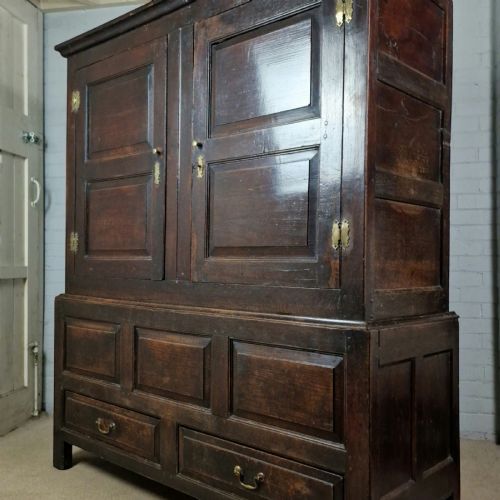
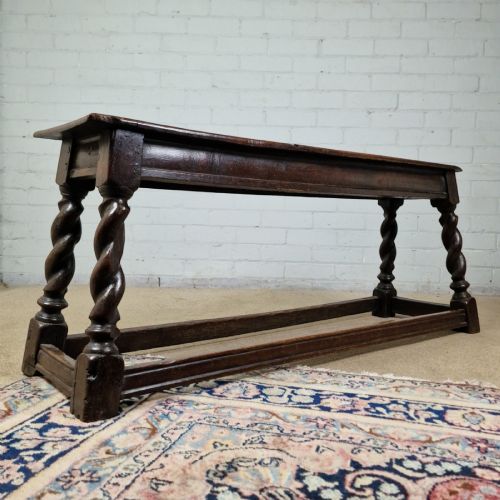
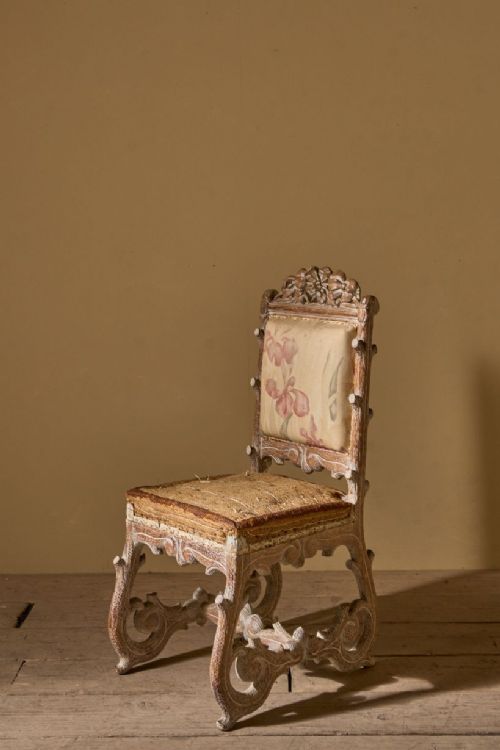
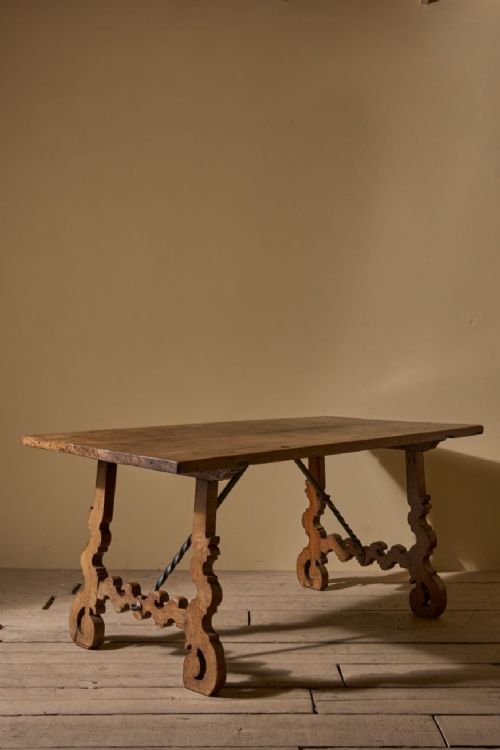
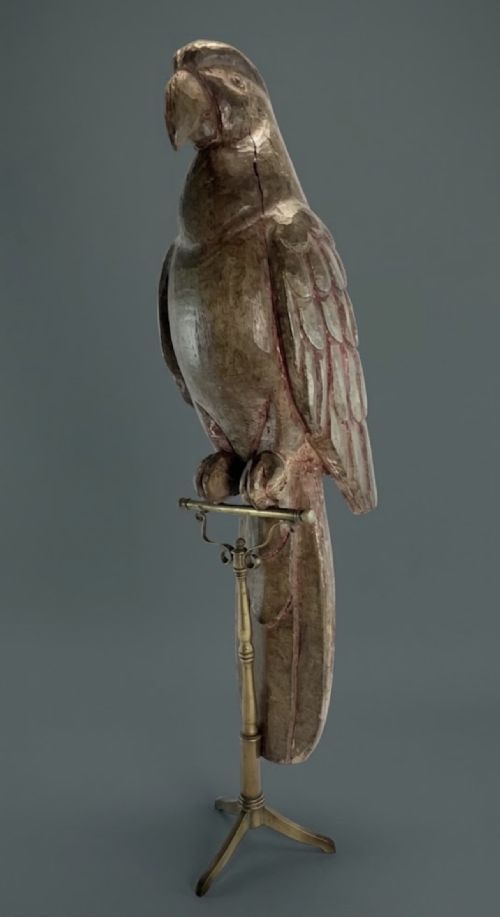
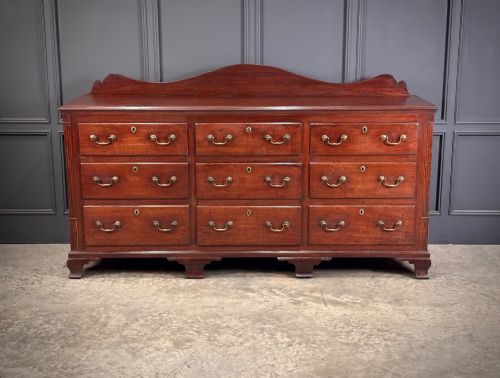
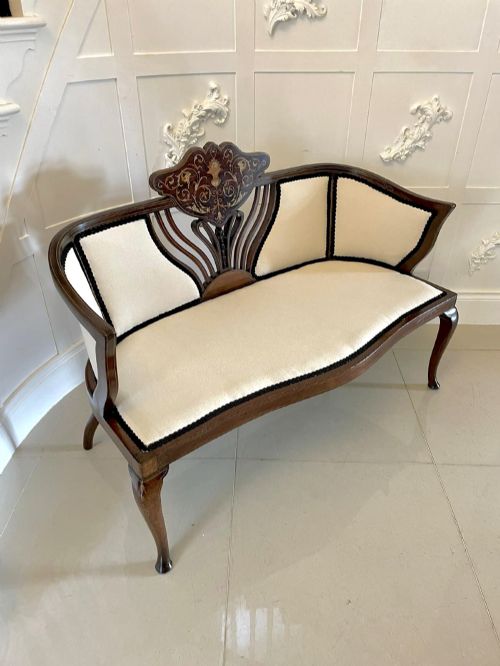
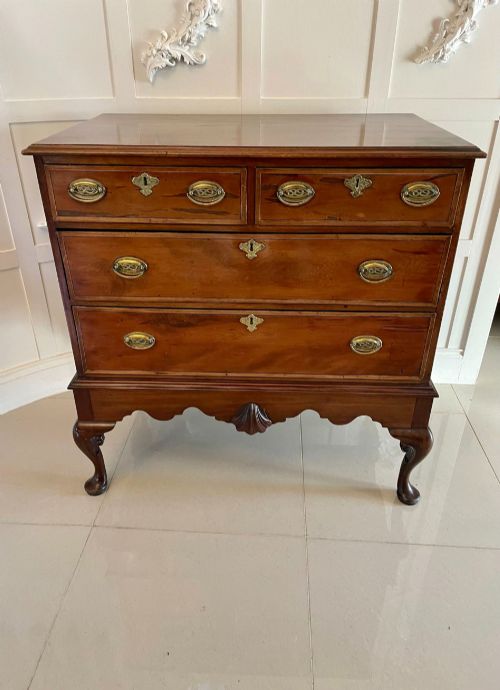
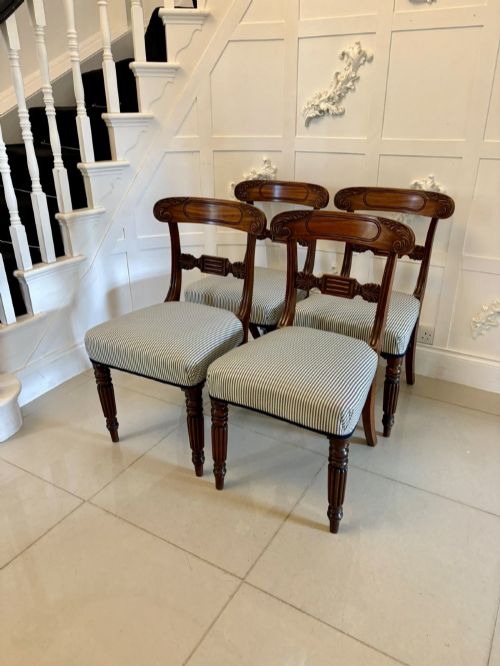
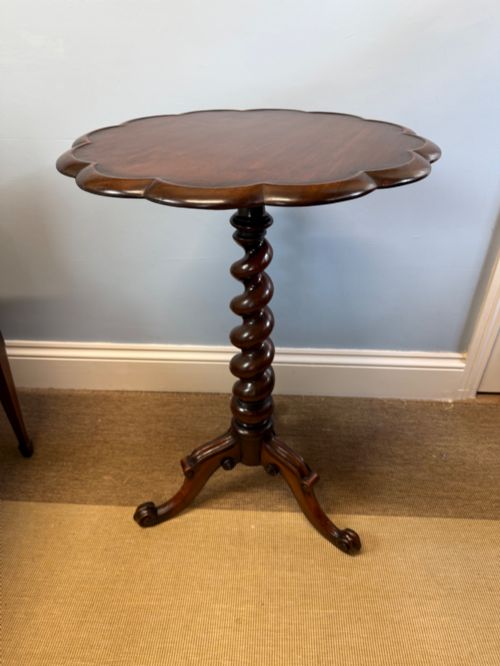
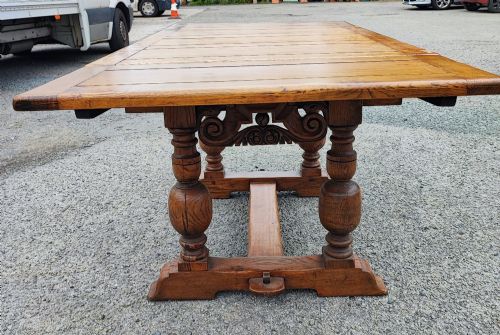
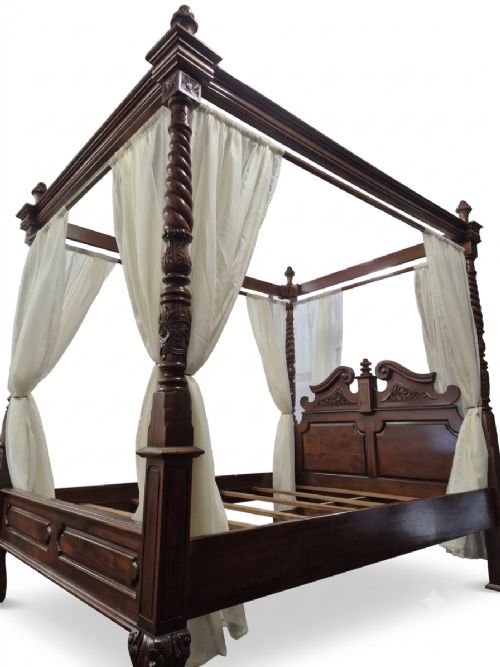
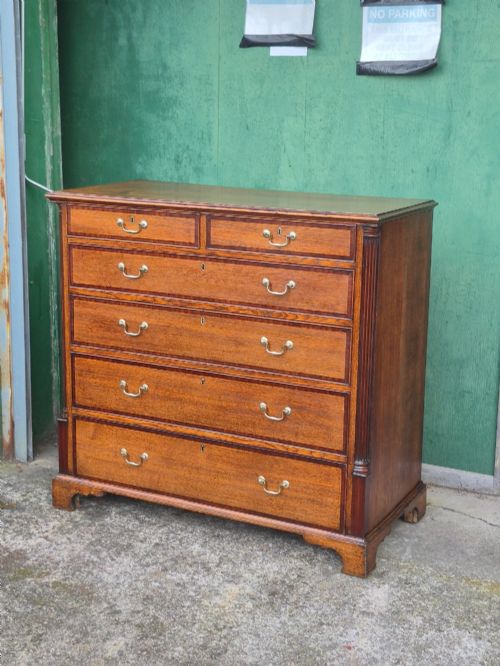
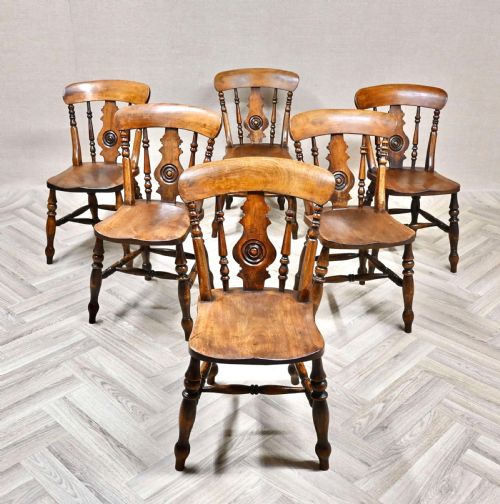
An antique wooden carving encompasses functional furniture with applied relief work as well as standalone sculptural objects. Pieces span domestic furnishings like chairs, coffers, benches, and tables, alongside decorative figures and wall mirrors.
The selections originate predominantly from the nineteenth and eighteenth centuries, with occasional earlier examples. Common timber choices dictate the physical presence of each item, grounding them in traditional joinery and cabinet-making traditions.
Materials and construction methods
Makers utilised solid timbers such as oak, walnut, and mahogany, often shaping them with hand chisels and gouges. Grain patterns dictate how deeply a design could be cut without compromising structural integrity.
Joinery techniques like mortise and tenon secure structural frames, while surface enrichment relies on direct incision or applied relief work. Secondary woods appear in backing and drawer linings, maintaining traditional workshop standards.
Materials recorded across current listings include oak, walnut, mahogany, elm, ash, and beech, paired with styles spanning Georgian, Victorian, and Arts and Crafts.
Evaluating craftsmanship and execution
Depth and crispness of the chisel work distinguish superior examples from standard production items. Fluid, confident lines indicate a trained hand, whereas rigid or shallow profiling suggests hurried commercial output.
Selection of timber figure and the integration of carving with structural form also influence standing. A harmonious balance between decorative embellishment and functional stability marks the finest outcomes.
The Antique Wooden Carving Glossary
- Relief
- Carving that projects from a flat background surface. High relief stands out significantly, while low relief remains closer to the plane.
- Faux bois
- A technique where wood is painted or carved to imitate the natural texture of tree branches or bark. It appears frequently on nineteenth-century garden and rustic seating.
- Gouge
- A chisel with a curved blade used for scooping out material. It produces the hollows and rounded channels seen in floral and scroll motifs.
- Coffer
- A large wooden chest used for storage, often heavily carved on the front panels. Early examples utilise heavy oak and traditional frame-and-panel construction.
Antique Wooden Carving: Frequently Asked Questions
What periods do these carvings date from?
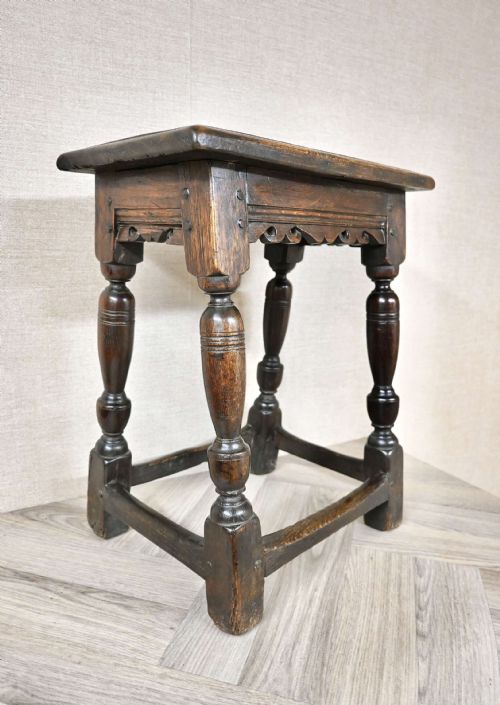
The inventory spans several centuries, with the majority originating in the eighteenth and nineteenth centuries. Pieces range from early oak joint stools to Edwardian decorative objects.
Specific styling cues, such as linenfold panels or chunky turned legs, often help pin down the era of manufacture alongside timber selection.
How were these carved items used historically?
Many served practical domestic functions, including seating, storage chests, and occasional tables. Others acted purely as decorative sculptures or architectural ornaments.
Durability was a priority, meaning everyday items combined robust joinery with decorative surface work to withstand daily household life.
How do I care for antique carved wood?
Keep items away from direct heat sources and sudden temperature shifts to prevent timber splitting. Regular dusting with a dry, soft cloth maintains the surface sheen.
Avoid modern aerosol polishes, opting instead for traditional beeswax applied sparingly to nourish the grain over time.
What woods were commonly carved?
Oak and walnut appear frequently in earlier pieces, offering dense surfaces that hold sharp chisel details well. Mahogany gained popularity later for finer, crisper cabinetwork.
Softer woods like linden and pine were also utilised for intricate figurative sculptures where deep undercutting was required.