
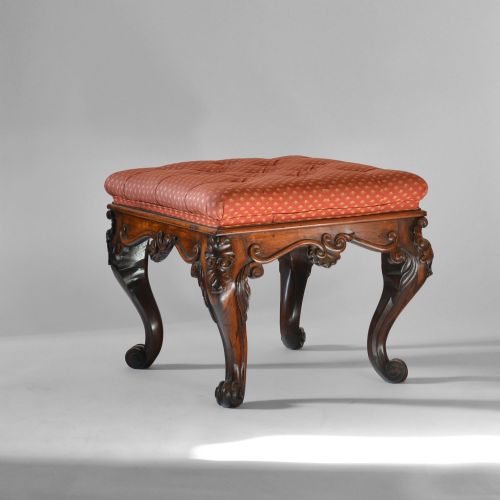
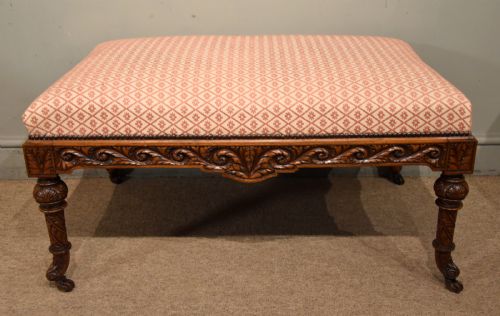
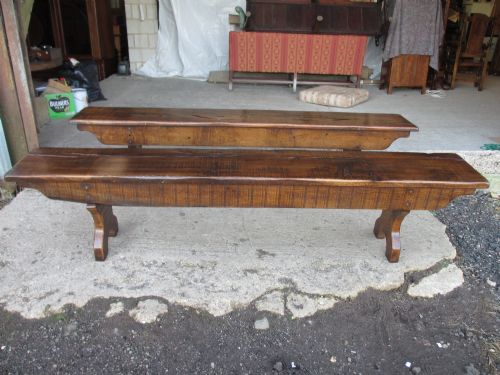
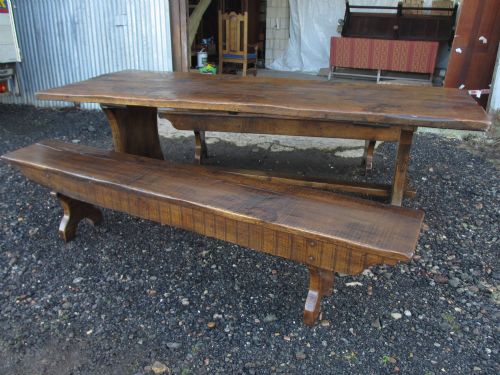
Antique Wooden Bench Table
An antique wooden bench table brings centuries of practical craft and dual-purpose utility straight into a modern interior.
Antique Wooden Bench Table
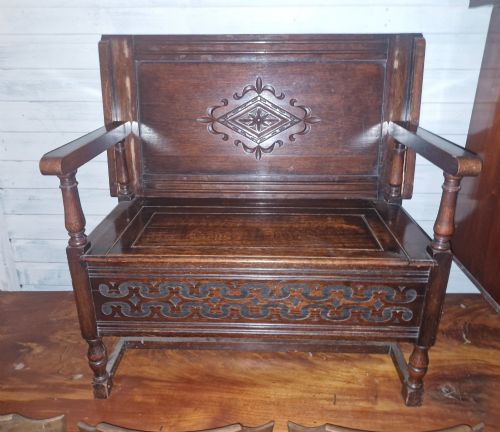
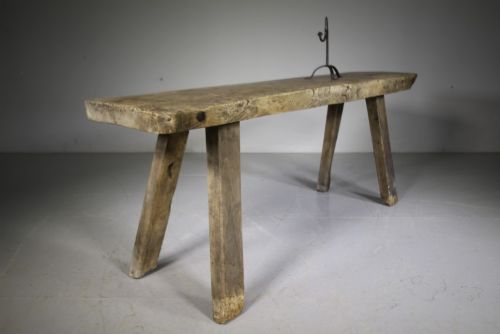
When you search for an antique wooden bench table, you are looking at utilitarian seating forms that double as surfaces or incorporate folding elements. The pieces span centuries from the late seventeenth century through the Edwardian era, taking the shape of pig benches, monks benches with fold-over tops, and refectory forms with matching bench seating.
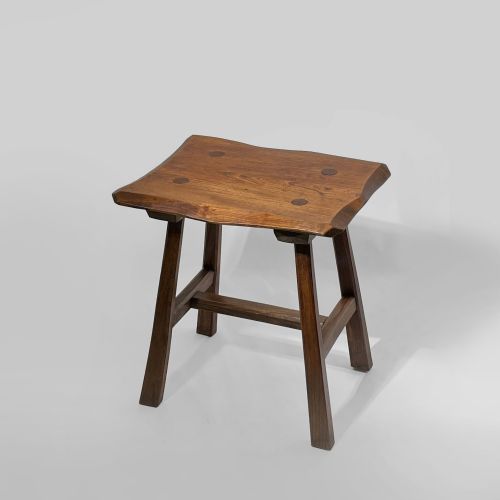
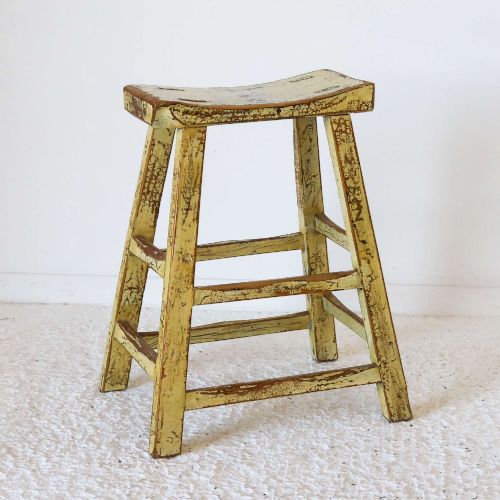
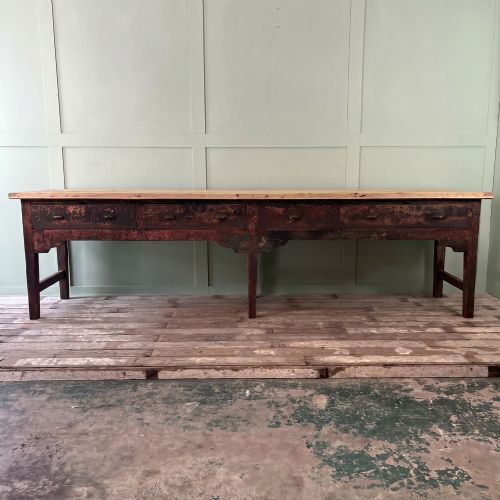
The selection on this page leans heavily toward nineteenth-century oak, pine, and elm examples alongside regional vernacular pieces. These items originate from English, French, Hungarian, and Asian workshops, shifting function from domestic seating to low coffee tables and hallway furniture.
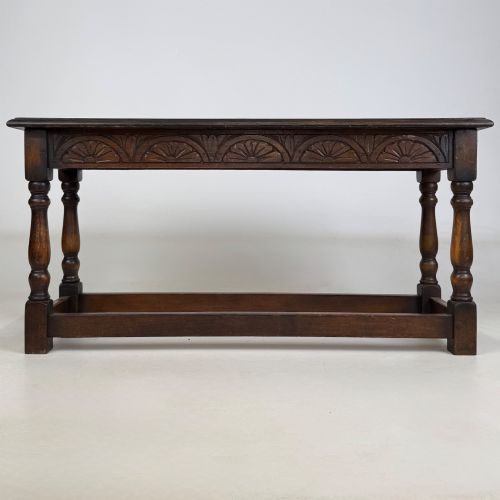
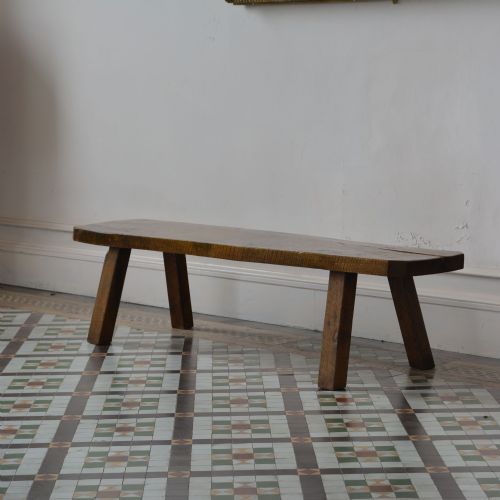
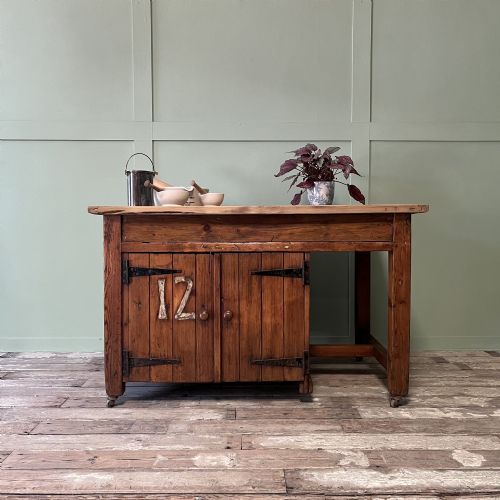
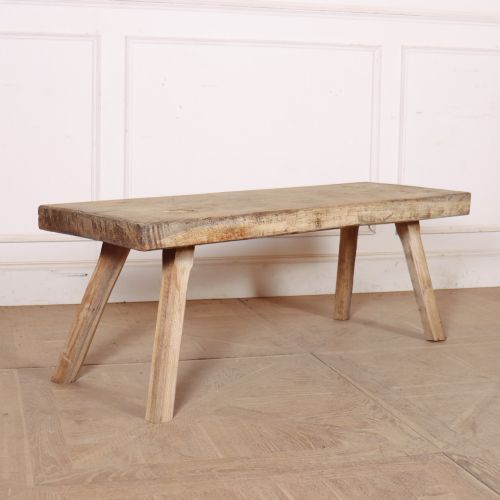
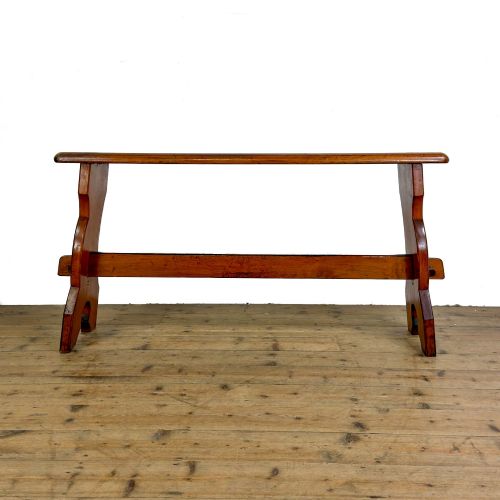
The assortment includes low coffee tables converted from long pig benches, alongside hall seats with lift-up storage lids and heavy trestle ends. Each item reflects a past life of dairy preparation, baking, or rural domestic work.
Materials and construction
Makers utilised solid native timbers including oak, pine, ash, sycamore, elm, and cherrywood, often selecting durable hardwoods for structures and softer woods for secondary panels. Joinery relied on pegged mortise and tenon joints, heavy trestle ends, and sturdy legs designed to withstand daily agricultural or domestic toil.
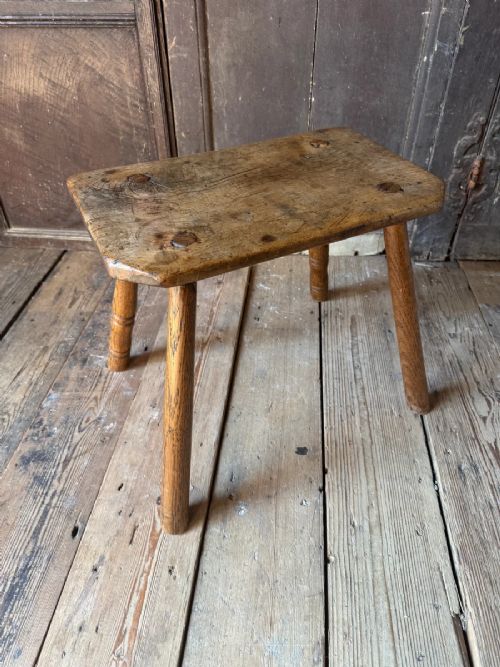
Surfaces bear the marks of manual plane work, adzing, and sawing, finished with original patinated wax, lacquer, or scrubbed timber finishes. Structural iron brackets or hinges appear on convertible pieces such as monks benches and fold-over hall seats.
Listings feature items spanning the seventeenth to the twentieth centuries, utilising oak, pine, elm, sycamore, and mahogany.
Judging quality
Quality rests in the integrity of the timber, the honesty of the surface patina, and the preservation of original structural elements. Untouched scrubbed finishes and deep, natural polish separate pieces retaining their historical integrity from those stripped bare by modern intervention.
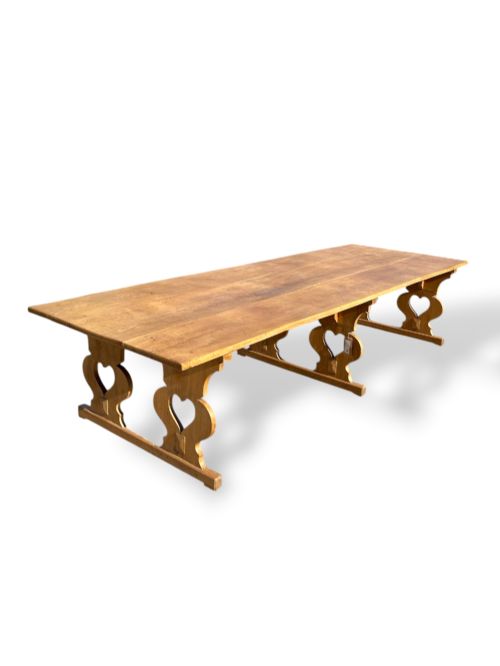
Proportion and weight also dictate worth, as heavier oak refectory frames with shaped trestle ends or slender Hungarian pig benches demonstrate superior regional proportions. The crispness of hand-carved details on Victorian or Jacobean revival examples marks the hand of a more skilled workshop.
The Antique Wooden Bench Table Glossary
- Monks bench
- A multifunctional seat with a hinged back that folds down onto the arms to form a table top. This clever dual-purpose design conserved space in smaller historical dwellings.
- Pig bench
- A low, narrow wooden table historically used in agricultural settings for butchery or prep work. Today these long, low forms are frequently utilised as coffee tables.
- Trestle ends
- Support structures consisting of horizontal feet connected to vertical uprights that hold up a long top. They offer stability for heavy oak benches and refectory tables.
- Vernacular
- Everyday objects made by local craftsmen using regional materials without grand stylistic pretensions. These pieces prioritise utility and local tradition over high-fashion design.
- Refectory table
- A long dining table traditionally used in communal dining halls, often accompanied by matching long benches. They feature robust timber construction designed for heavy daily use.
Antique Wooden Bench Table: Frequently Asked Questions
How do monks benches work?
Monks benches feature a hinged backrest that folds forward flat over the arms to create a makeshift table top. This clever mechanism allowed medieval and later households to combine seating and dining into a single space-saving item.
Many incorporate a lift-up seat lid revealing a storage compartment underneath for household goods.
Are these benches suitable for daily use?
These pieces were built from solid hardwoods like oak, elm, and ash to endure heavy agricultural and domestic labour. Their robust mortise and tenon construction means they handle daily modern sitting or surface use with ease.
Care should be taken to protect antique wax or scrubbed wooden surfaces from excessive moisture and heat.
How can I tell the age of a wooden bench?
Age is determined by timber selection, tool marks left by saws and planes, and the construction methods used in the joinery. Pegged joints, hand-carved details, and historical surface wear indicate earlier centuries of manufacture.
Comparing the form to documented styles from Victorian, Edwardian, or earlier periods helps narrow down the decade of origin.