


Wrought Iron Base Table
These wrought iron base table pieces combine metalwork frames with timber or stone tops, offering sturdy utility and enduring character for any room.
Wrought Iron Base Table
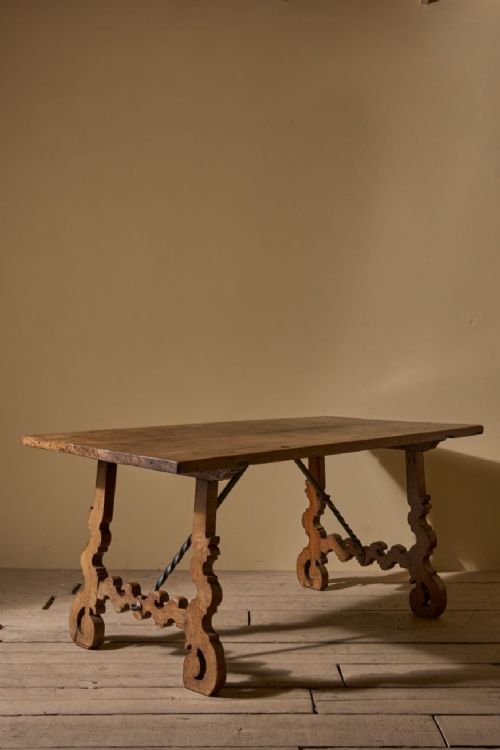
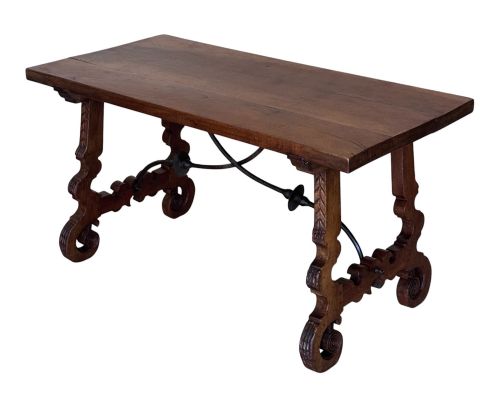
When you search for a wrought iron base table, you encounter a robust range of furniture spanning centuries of domestic and garden use. The selection on this page demonstrates how blacksmiths and manufacturers paired metal frames with timber, marble, or glass tops.
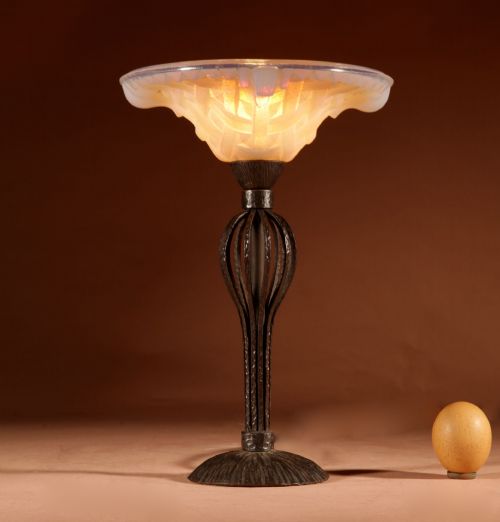
You are most likely to meet French and Spanish examples from the nineteenth century alongside earlier walnut dining pieces and twentieth-century bistro designs. These tables and lamps serve both functional dining roles and decorative display functions across various interior styles.
The forms extend from rustic trestle coffee tables to ornate Victorian scrollwork occasional pieces and garden tables. Each item relies on the strength of ironwork to support substantial wooden or stone surfaces.
How they were made
Makers shaped wrought and cast iron over heat to form structural bases, scrollwork supports, and decorative pedestals. These metal elements provide the weight and rigidity necessary to anchor the heavier tops.
Tops utilise solid timbers such as walnut, oak, and pine, often joined in simple plank construction or sturdy trestle formats. Alternatively, marble and opalescent glass panels are dropped into iron frames to create smooth, wipe-clean surfaces.
Some iron bases hold up berries.
What varies in quality
Quality depends upon the hand-forging skill evident in the ironwork and the selection of primary materials. Superior pieces display thoughtful proportions and harmonious integration between the heavy metal base and the fitted top.
The choice of timber or stone alters the character and balance of the object. Finer examples retain original patination on both the iron framework and the wooden surfaces without unnecessary modern restoration.
Lacroix·Lalique·Schneider·Daum
The Wrought Iron Base Table Glossary
- Wrought iron
- Iron that has been heated and hammered into shape by a blacksmith. This material allows for strong, malleable structures with distinct surface textures.
- Trestle
- A structural support consisting of a horizontal beam supported by two pairs of slanted legs. It provides stable clearance beneath dining and work surfaces.
- Opalescent glass
- Glass that has a milky, iridescent appearance diffusing light softly. It frequently appears in decorative lighting and vessels from the Art Deco period.
- Bistro table
- A small table traditionally used in cafes and outdoor eateries. These pieces typically feature a heavy metal pedestal or three-legged base with a compact top.
- Scrollwork
- Ornamental metalwork formed into spiral or curved scroll patterns. It defines the decorative iron frames of Victorian and continental tables.
Wrought Iron Base Table: Frequently Asked Questions
Where were these tables used?
These pieces served multiple functions across domestic interiors, gardens, and commercial spaces like cafes. Dining and work tables stood in kitchens and halls, while smaller occasional and bistro versions occupied parlours and patios.
Lighting and display stands brought similar ironwork craftsmanship into sitting rooms. Their robust construction suited both heavy daily tasks and decorative placement.
How do I clean the iron base?
Dust the metal regularly with a soft cloth to prevent grime accumulation on the forged surfaces. Avoid harsh chemical cleaners that strip the original dark patination.
Apply a light microcrystalline wax if the iron requires protection against moisture. This preserves the historical finish without altering its appearance.
Can I use these outdoors?
Garden tables and certain cast iron pieces were built to withstand outdoor conditions. However, pieces incorporating unsealed timbers or delicate marble require shelter from prolonged dampness.
Check the material combination before leaving any table outside. Indoor bistro and dining pieces should remain in controlled environments to protect their wood and glass components.
How do I identify a Victorian piece?
Victorian examples often feature cast iron components with distinct scrollwork or botanical motifs. These pieces typically date from the nineteenth century and reflect industrial casting advancements.
Compare the construction methods and weight distribution with known nineteenth-century forms. The integration of marble tops or decorative brackets often points toward this era.