
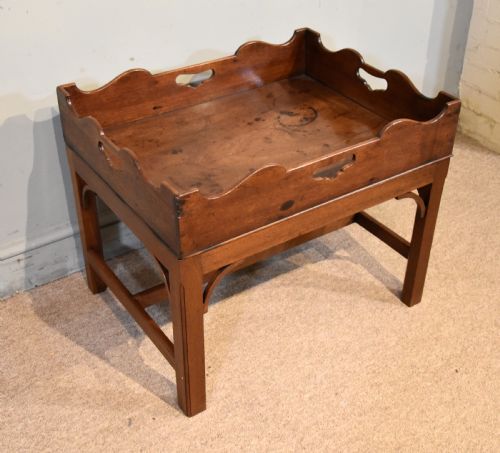


18th Century Coffee Table
An 18th century coffee table brings centuries of timber and proportion into a modern sitting room.
18th Century Coffee Table
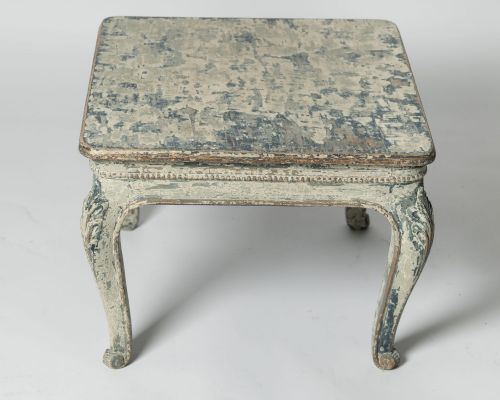
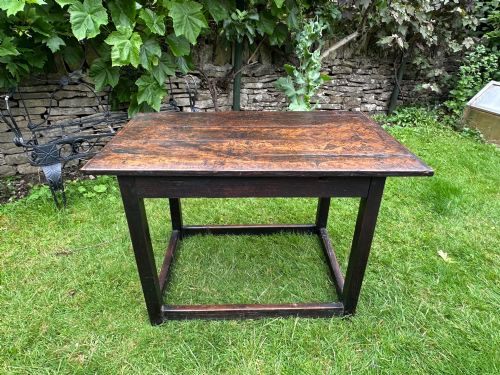
When you search for an 18th century coffee table, you find a category made up largely of period low tables, side tables, and benches adapted for modern use. The examples on this page span the 18th century itself, alongside Georgian pieces and later adaptations.
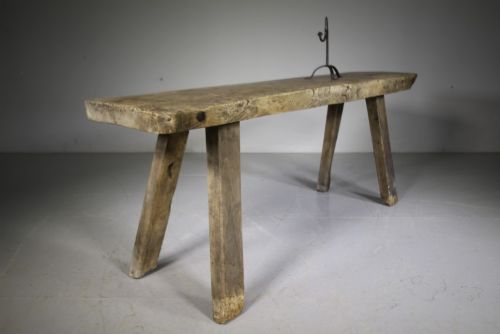
Many listings show oak plank tops, walnut low tables, and mahogany tripod or tray tables. The selection also includes converted chests, dough bins, and pig benches brought down to coffee table height.
Origins stretch across English, French, Italian, Spanish, Austrian, and Chinese traditions, encompassing styles from rustic country to formal Georgian.
Materials and Construction
Makers built these pieces primarily in solid timbers such as oak, walnut, mahogany, cherry wood, elm, and fruitwood. Joinery relied on pegged joints, dovetails, and sturdy trestles or four-legged frames.
Surfaces exhibit varying treatments, including natural wood grain, red lacquer, gold leaf, paint, and inlaid specimen marble or scagliola. Ironwork hinges, handles, and brass fittings appear on chests and trays.
Listings feature oak, walnut, mahogany, cherry wood, elm, and fruitwood alongside brass, wrought iron, gold leaf, and marble.
Character and Proportion
Quality rests in the integrity of the timber and the honesty of the conversion where tables were reduced in height. Pieces retaining original stands, hardware, and surface patination command distinct interest.
The relationship between the top surface and the supporting legs dictates the visual balance of the table. Subtle details such as dish tops, inlaid borders, and hand-carved elements distinguish regional vernacular work from formal court furniture.
Henry Clay
The 18th Century Coffee Table Glossary
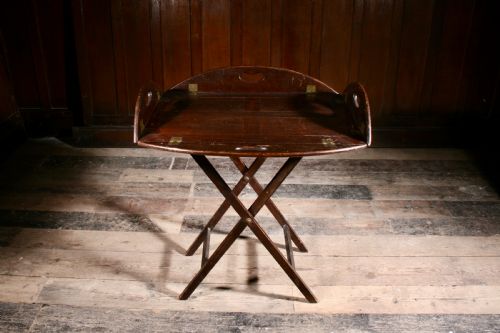
- Butlers tray
- A portable wooden tray with hinged sides, designed to sit upon a folding wooden stand. These make versatile low tables.
- Pig bench
- A low, rustic wooden bench originally utilised for agricultural tasks, now adapted as a low coffee table. They display robust plank tops and simple legs.
- Scagliola
- A composite material made from selenite, glue, and pigments, mimicking marble and other hard stones. Italian artisans used this technique for inlaid table tops.
- Tripod table
- A small table supported by a central pillar resting on three legs. Georgian versions often feature tilt tops or moulded dish edges.
- Coffer
- A large wooden chest with a hinged lid, frequently constructed in oak. Many examples have been lowered in height to function as coffee tables with internal storage.
18th Century Coffee Table: Frequently Asked Questions
What is an 18th century coffee table?
These are low tables originating from the 1700s, or period items such as side tables, chests, and benches that have been adapted to standard coffee table height over time.
They combine historical woodwork with functional proportions suited to contemporary seating arrangements.
Were coffee tables made in the 18th century?
Dedicated low coffee tables were uncommon in the 18th century, as households used side tables, low chests, trays on stands, and benches instead.
Many pieces seen today reached this height through later alterations by craftsmen or workshops.
How do I care for antique timber?
Solid woods like oak, walnut, and mahogany benefit from natural beeswax applied sparingly to nourish the grain and protect the surface from moisture.
Keep these tables away from direct heat sources and strong sunlight to prevent the timber from splitting.
How do I distinguish regional styles?
Regional pieces reflect local materials and vernacular traditions, such as French cherry wood provincial tables or English oak farmhouse boards.
Look at the choice of wood, joinery methods, and hardware to identify whether a piece originates from English, European, or Asian workshops.