



Low Plank Coffee Table
These low plank coffee table pieces combine robust rustic utility with low proportions, offering a grounded centrepiece for country interiors.
Low Plank Coffee Table
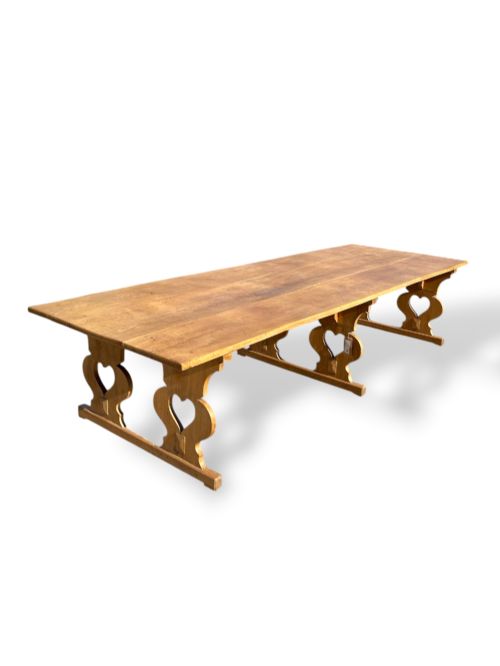
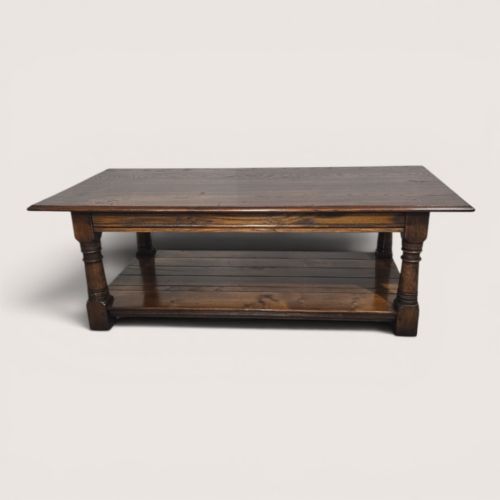
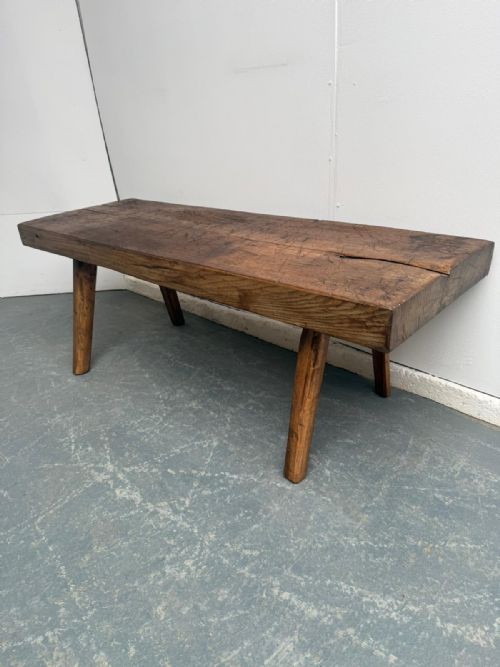
When you search for a low plank coffee table, you encounter low tables adapted from benches, side tables, and practical boards originating in the eighteenth and nineteenth centuries. These pieces display honest rustic utility, often taking the form of low timber surfaces resting on trestles or simple supports. The selection centres on English, French, and Hungarian origins, spanning the Victorian era and earlier centuries.
You are most likely to meet oak and pine versions on this page, alongside occasional fruitwood, elm, and burr walnut examples. Forms range from narrow pig benches and scrubbed tops to large trestle designs and side tables fitted with drawers. Each piece brings a weathered surface and straightforward construction suited to informal living spaces.
How they were made
Carpenters constructed these tables using sturdy timbers such as oak, elm, pine, and fruitwood, joined with simple plank tops. Wrought iron or iron elements occasionally reinforced the structural framework, adding durability to domestic work surfaces and benches.
Makers utilised plain boards and solid supports without elaborate ornamentation, letting the natural grain and texture of the wood dictate the appearance. Surfaces received hard usage in their original contexts, leading to the scrubbed and weathered finishes visible today.
Object forms on this page include coffee tables, benches, and side tables in rustic country and farmhouse styles.
What varies in quality
The character of the timber and the integrity of the original construction separate everyday examples from superior pieces. Dense oak and figured burr walnut command greater interest than plain pine or secondary woods.
Proportions also dictate distinction, as long trestle formats and narrower benches offer more pleasing lines for modern rooms than clumsy proportions. The depth of patination on the surface reflects age and handling, adding visual weight to the better examples.
The Low Plank Coffee Table Glossary
- Plank top
- A surface constructed from solid boards joined edge to edge. This method provides a flat, robust surface typical of vernacular tables and benches.
- Trestle
- A structural support consisting of a horizontal beam fixed to two splayed legs. This design offers sturdy support for long surfaces.
- Pig bench
- A narrow utility bench originally used in agricultural settings. These long, low forms are frequently adapted for domestic coffee tables.
- Scrubbed finish
- A timber surface cleaned thoroughly with soap and water over generations, removing varnish and leaving a pale, matte texture.
Low Plank Coffee Table: Frequently Asked Questions
What is a low plank coffee table?
A low plank coffee table is a low surface fashioned from solid timber boards, often originating as benches, side tables, or work tables from the eighteenth and nineteenth centuries.
These pieces feature simple lines and robust construction, utilising materials like oak, pine, elm, and fruitwood.
How were these low tables used originally?
Many examples began as utilitarian items such as work benches, pig benches, or side tables in rustic kitchens and agricultural buildings.
Over time, their low proportions and long boards made them suitable for adaptation as coffee tables in living spaces.
What woods should I look for?
Listings feature hard and soft timbers including English and continental oak, pine, fruitwood, elm, and burr walnut.
Oak and burr walnut typically offer denser grain and richer patination, while pine and fruitwood provide lighter, scrubbed textures.
How do I date a low plank table?
Dating relies on construction methods, timber choice, and signs of age such as hand-planed boards and historical wear patterns.
Pieces span the eighteenth century through the Victorian era and the late nineteenth century, reflecting regional vernacular styles.