


Large Rustic Low Table
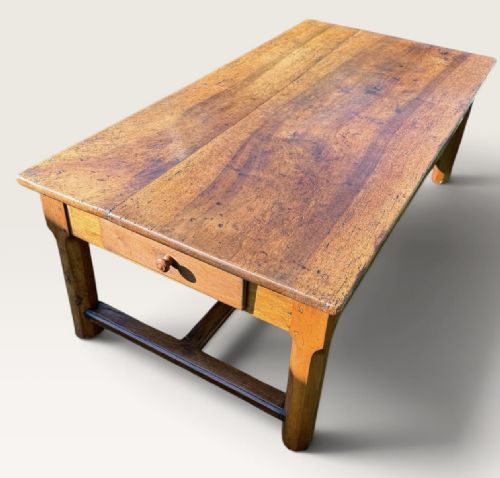
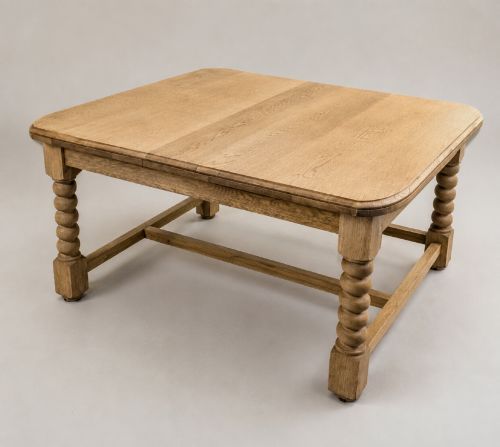
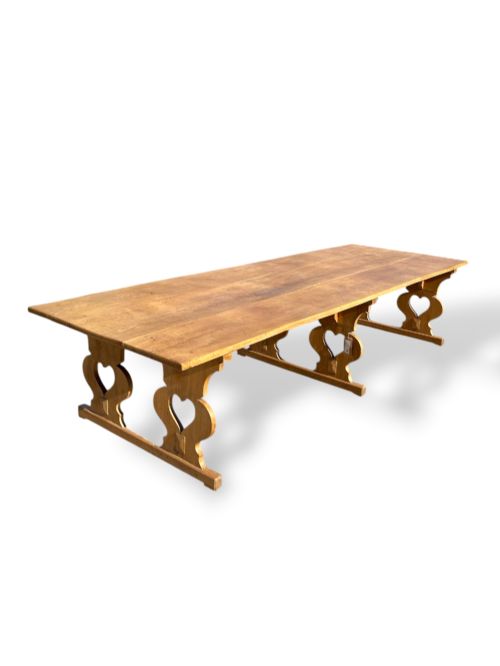
These large rustic low table pieces bring heavy timber grain and enduring utility to a room, offering low surfaces built from substantial antique boards.
Large Rustic Low Table
When you search for a large rustic low table, you encounter low surfaces adapted from earlier utilitarian forms such as benches, cheese presses, and work tables. The listings feature examples stretching from the eighteenth century through the Victorian era and into the early twentieth century.
Most pieces on this page take the form of coffee tables or low occasional tables constructed from robust timbers. Origins span English oak and elm alongside French Provincial, Hungarian pig benches, and reclaimed Indian timber forms.
Makers utilised sturdy construction methods suited to heavy daily use, resulting in low tables with deep character and substantial proportions. These items bridge historical function and modern domestic placement by combining low profiles with weathered wooden surfaces.
How they were made
Carpenters constructed these tables using dense hardwoods including oak, walnut, elm, pine, and yewwood, often joining thick planks with pegged mortise and tenon joints. Iron, wrought iron, and brass components appear in braces, fixings, and structural supports.
Surfaces bear the marks of intensive historic use, from bleached oak finishes to original scrubbed pine and patinated hardwood. Structural elements often incorporate repurposed agricultural elements like cheese presses and cart frames.
Several tables started life as six-foot pig benches before finding a second career holding coffee cups.
What varies in quality
Quality rests in the integrity of the original timber and the honesty of the conversion from working bench or high table to low coffee format. Untouched surface patination and deep natural grain figure separate superior examples from standard altered pieces.
Proportion and structural balance dictate the success of the piece, particularly where original bases meet shortened legs or repurposed industrial frames. The depth of the top boards and the weight of the supporting woodwork determine the overall substance of the table.
The Large Rustic Low Table Glossary
- Pig Bench
- A heavy low wooden bench historically used in agricultural processing, now adapted as a low table. These pieces display exceptionally thick tops and weathered rustic grain.
- Cheese Press Table
- A low heavy table incorporating mechanisms or structural elements from cheese-making equipment. They offer unusual industrial character and robust proportions.
- Trestle Table
- A table structure where the top rests on folding or fixed trestle supports rather than four corner legs. This construction allows for generous legroom and stable support on large low formats.
- Bleached Oak
- Oak timber that has been stripped and lightened through exposure or treatment, revealing a pale matte surface. This finish appears frequently on late Victorian farmhouse examples.
- Occasional Table
- A light or low table intended for subsidiary use in a room rather than primary dining. These pieces provide convenient surface space while maintaining a low visual profile.
Large Rustic Low Table: Frequently Asked Questions
What is a large rustic low table?
A large rustic low table is a substantial low surface created from antique timber boards, often adapted from historic work benches or farmhouse tables. These pieces provide long, low dimensions suited to central placement in living spaces.
They combine aged wooden character with functional low proportions, drawing on eighteenth and nineteenth-century forms.
How do I style a low rustic table?
Position the table centrally in a room to allow its aged wooden surface and heavy timber construction to anchor the space. Pair it with seating that balances its substantial weight and low height.
Keep surface styling simple to let the natural grain and historic marks of the wood remain the primary focus.
What woods are used in these tables?
Construction relies on dense traditional timbers including oak, walnut, elm, pine, yewwood, and assorted hardwoods. Wrought iron and brass appear in structural braces and operational hardware.
Each wood species brings distinct grain patterns and weathering characteristics shaped by its age and original function.
How do I date an antique low table?
Dating relies on examining the timber species, joinery techniques, and the degree of wear across the top boards and underframe. Pieces retain clues from their previous lives as agricultural benches, cheese presses, or cart elements.
Comparing construction details against eighteenth and nineteenth-century cabinet-making standards helps establish the period.