
Antique Wooden Bench Stool
These antique wooden bench stool forms range from humble country milking seats to long oak tavern benches, offering sturdy utility and characterful design.
Antique Wooden Bench Stool
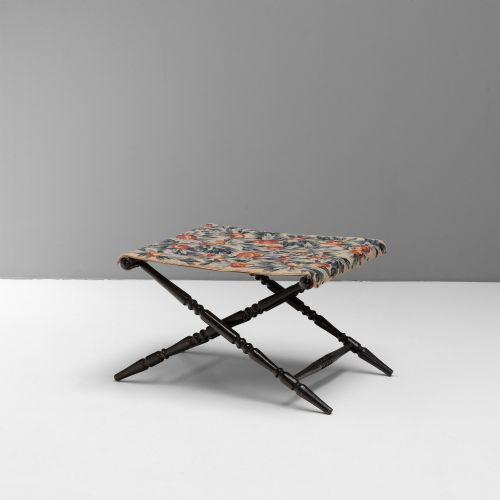
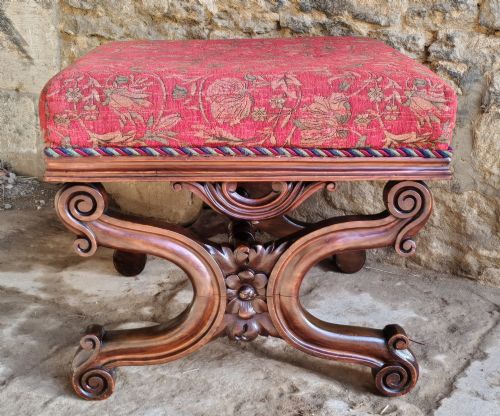
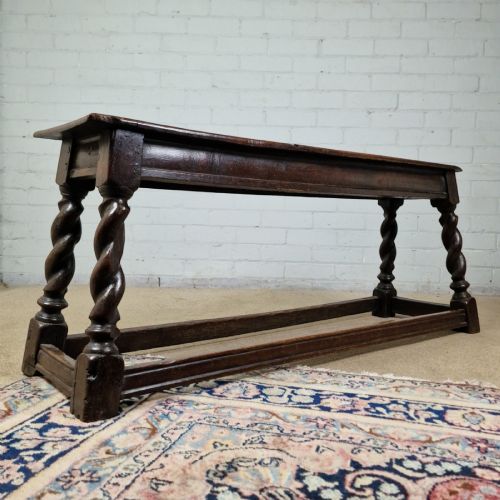
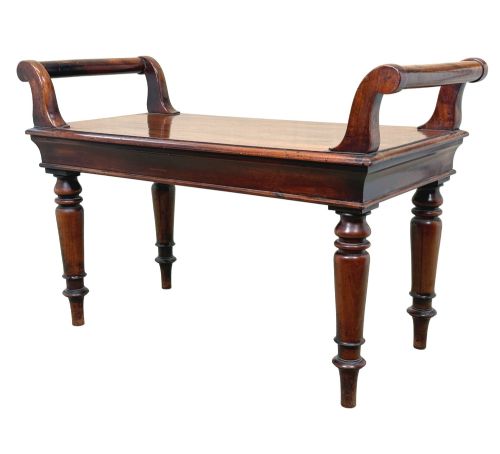
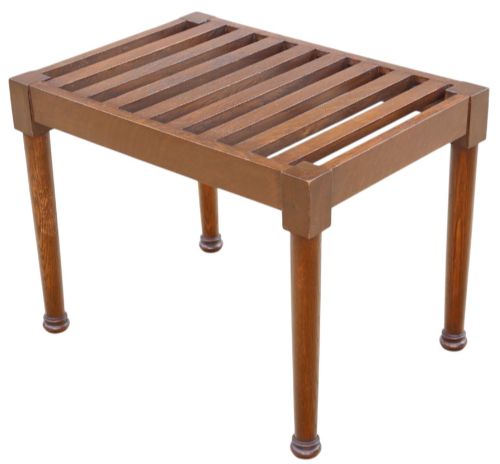
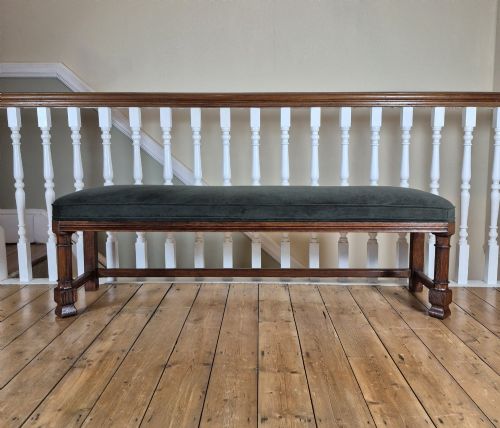
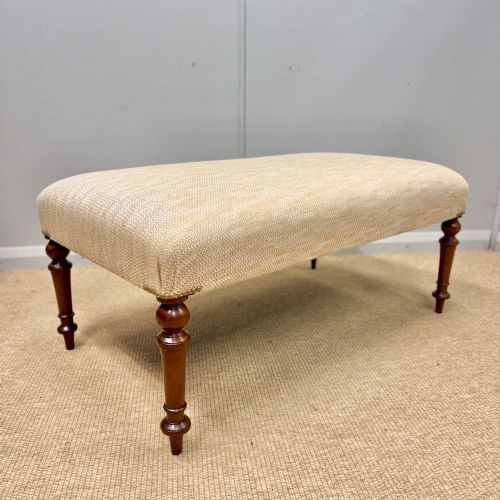
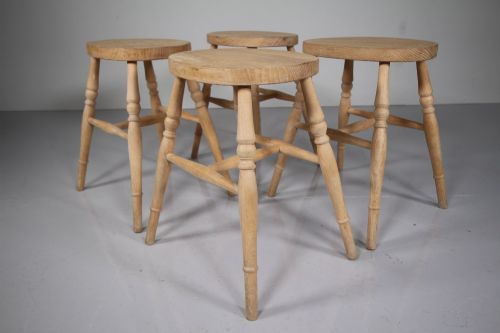
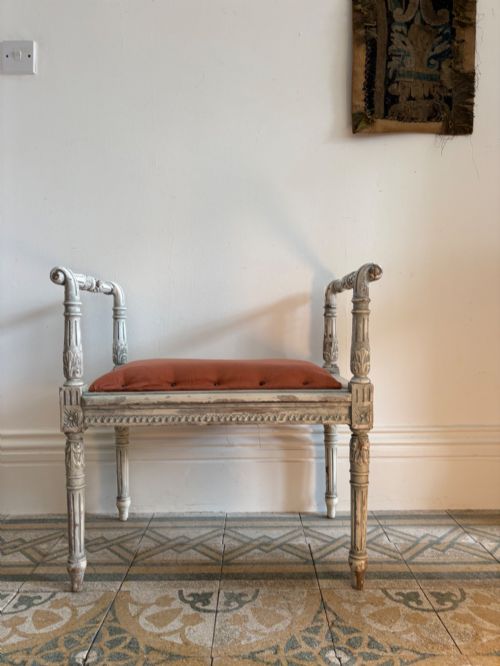
An antique wooden bench stool serves various domestic and public functions, appearing on this page as piano stools, luggage racks, long window seats, and rustic milking stools. The selection draws heavily from the nineteenth century, alongside eighteenth-century examples and early twentieth-century pieces.
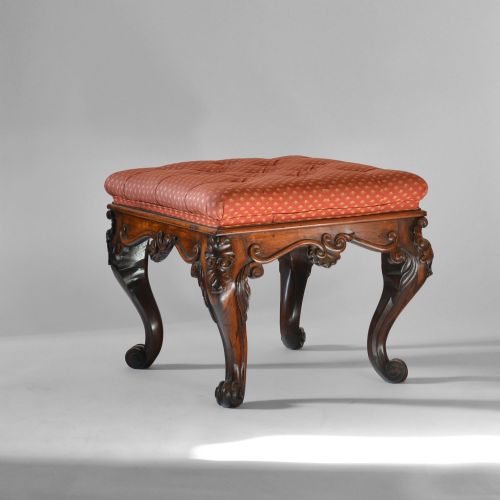
Makers shaped these utilitarian items from diverse regional traditions, incorporating English oak, French country pine, Eastern European painted surfaces, and Chinese hardwoods. Buyers encounter both refined mahogany parlor seating and primitive vernacular seating with visible age and wear.
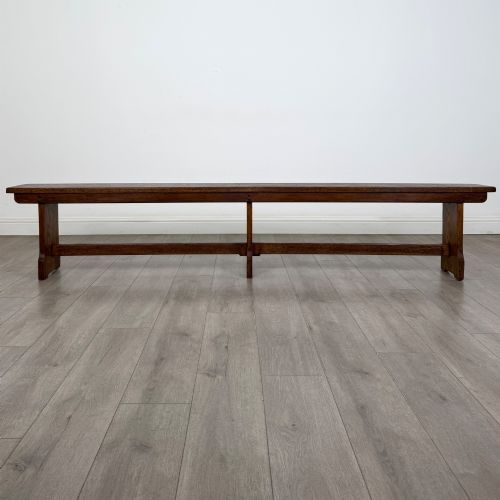
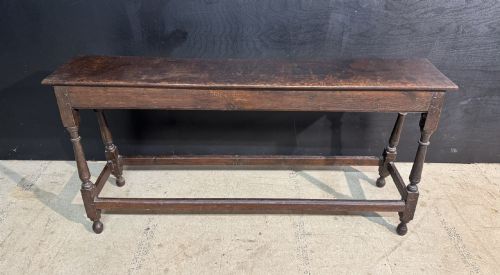
Different forms fulfilled specific historical tasks, such as long oak tavern benches for seating multiple patrons, narrow luggage stands for guest chambers, and low stools for milking or hearthside warmth.
Assessing Quality
Quality rests in the integrity of the timber and the honesty of the construction, where tight joints and original surfaces outweigh applied ornamentation. Pieces retaining their early or original paint finish command greater interest from collectors of vernacular furniture.
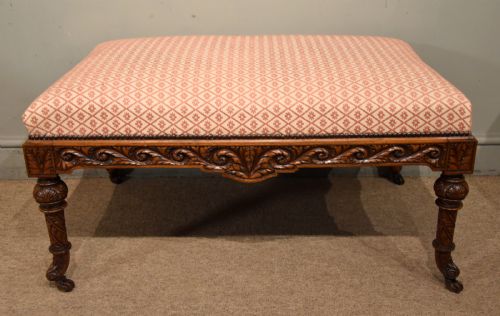
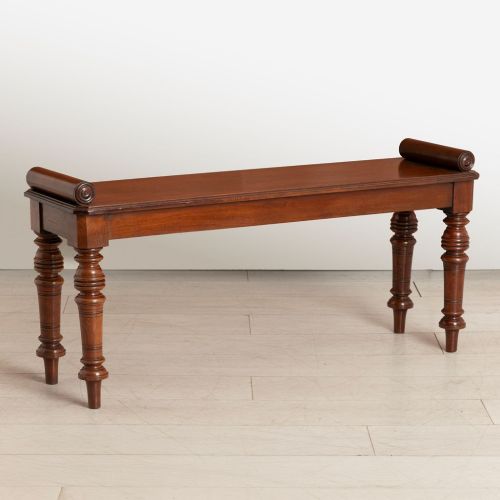
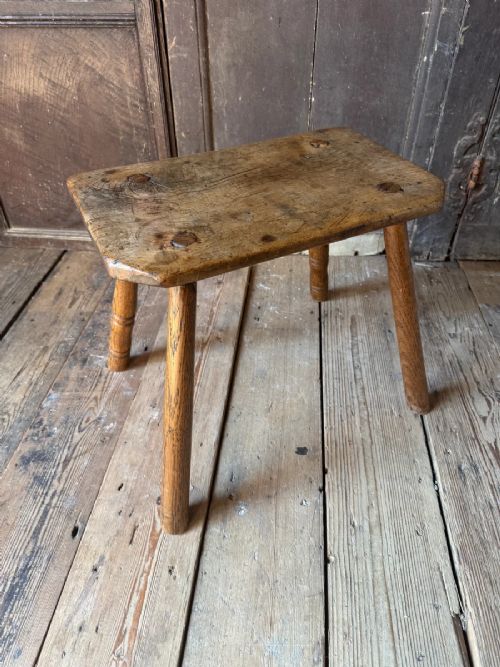
Refined urban seating displays precise carving, elegant mahogany grains, and well-proportioned Sheraton or Regency framing. Conversely, rustic country pieces derive their appeal from robust proportions, tool marks left by the maker, and untouched patination built through decades of use.
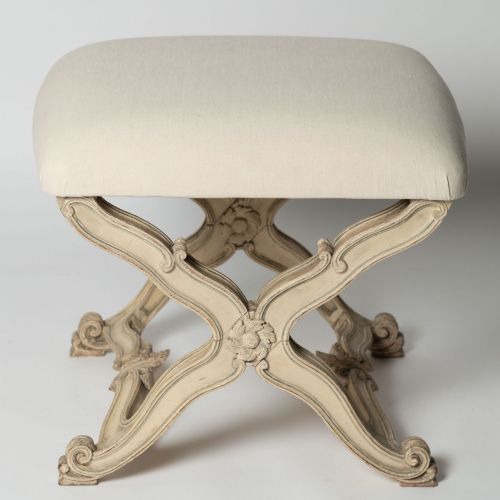
Form variations include piano stools, church organist pews, altar benches, hearth stools, and X-frame window seats.
James Shoolbred and Co
The Antique Wooden Bench Stool Glossary
- Joint stool
- An early form of wooden seating constructed with pegged mortise and tenon joints rather than turned legs. These sturdy pieces preceded the widespread use of upholstered chairs.
- Luggage stand
- A low bench or rack designed to hold guest baggage in a bedroom. They typically feature slatted wooden tops and sturdy legs at a convenient height.
- Milking stool
- A small, simple, three-legged or four-legged seat used by agricultural workers. They often exhibit humble vernacular construction and traces of original paint.
- Window seat
- A long, narrow bench designed to fit within a window recess. Examples on this page span Georgian proportions through to Victorian and Regency styles.
- Vernacular furniture
- Items made by local craftsmen or unrecorded makers using regional materials for everyday functional use. This category emphasises practicality and local style over academic design.
Antique Wooden Bench Stool: Frequently Asked Questions
What is the difference between a bench and a stool?
A stool is a compact seat designed for a single person, whereas a bench provides longer seating capacity for multiple individuals or serves specialised functions like a window seat.
Historical examples on this page show stools ranging from small milking seats to dressing furniture, while benches encompass long tavern seating and church pews.
How do I date an antique wooden stool?
Dating relies on observing the timber species, tool marks, joinery methods, and overall style cues corresponding to periods like the eighteenth or nineteenth century.
Hand-cut joints and primitive lathe work indicate earlier vernacular origins, while machine-sawn elements and specific revival styles point towards Victorian or Edwardian production.
Were luggage racks used only for luggage?
While originally built for guest chambers to hold trunks and bags, their sturdy slatted tops make them versatile for modern living as low coffee tables or bench seating.
Most surviving examples date from the late nineteenth and early twentieth centuries, constructed in oak or mahogany.
How should I care for original painted wood?
Original painted surfaces on rustic milking stools or vernacular benches require gentle dusting with a dry, soft cloth without chemical polishes.
Avoiding direct sunlight and maintaining stable room humidity preserves the flaking patination and historic pigments found on these pieces.