


19th Century Primitive Stool
A 19th century primitive stool offers honest utility and rustic charm, shaped by rural makers using local timber for daily labour.
19th Century Primitive Stool
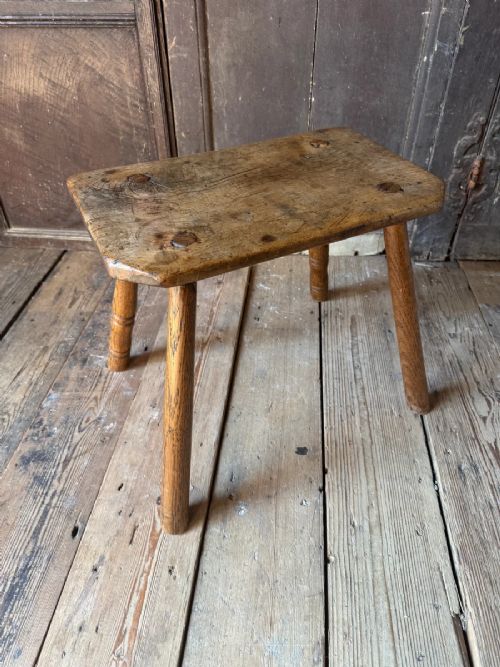
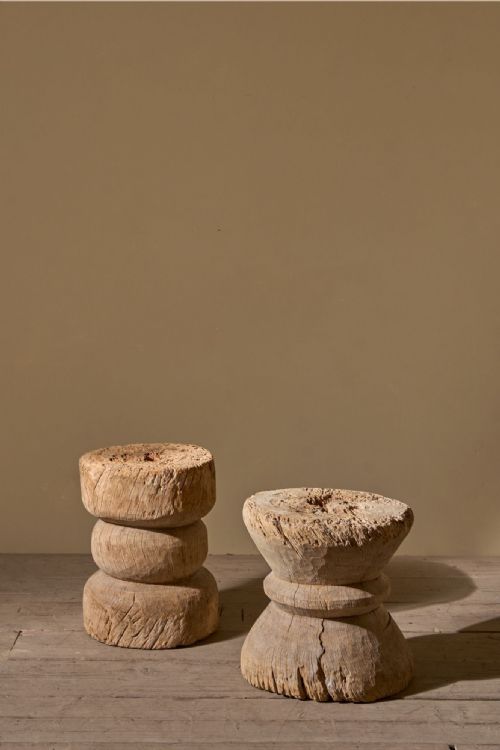
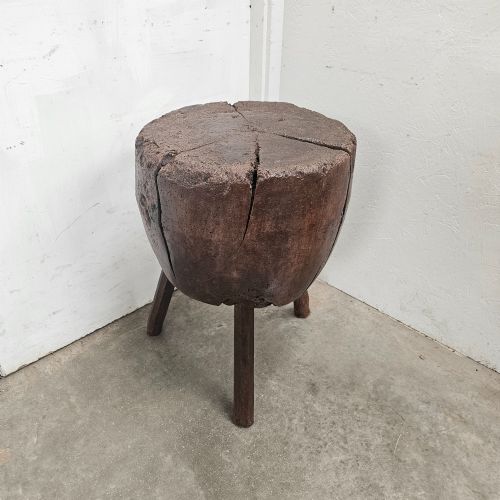
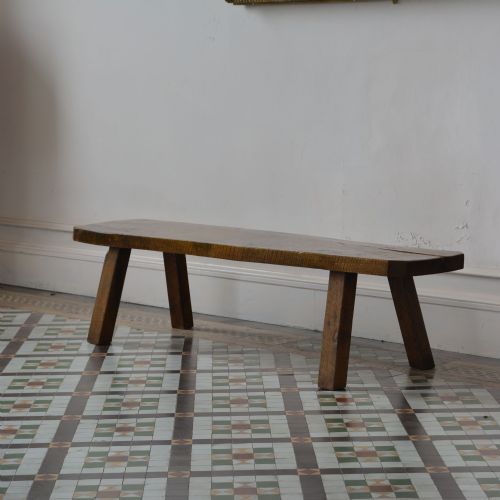
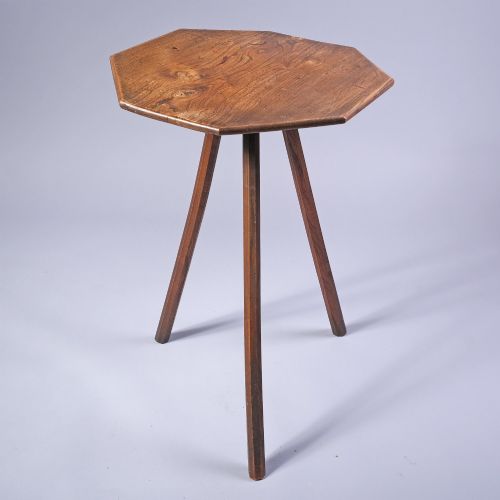
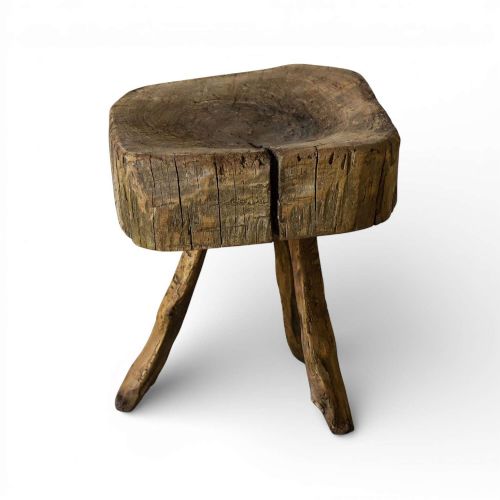
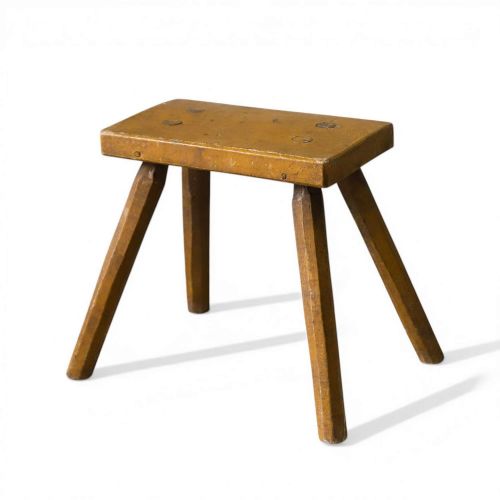
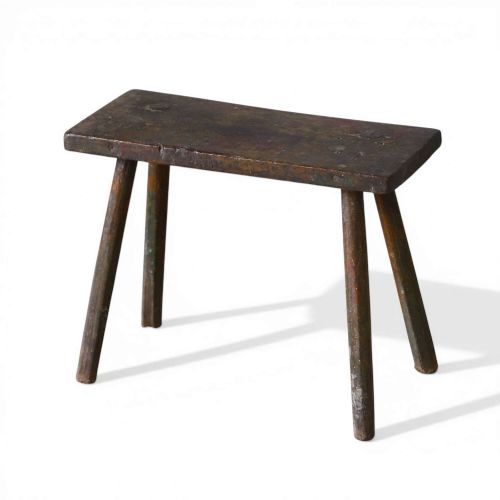
A 19th century primitive stool encompasses low seating, milking seats, side tables, chopping blocks, and small benches built for agricultural and domestic life. The listings show forms ranging from three-legged ash tables and oak pig benches to French elm chopping blocks and milking stools in original paint.
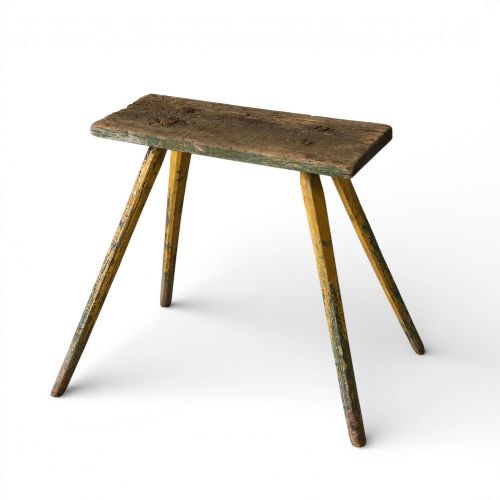
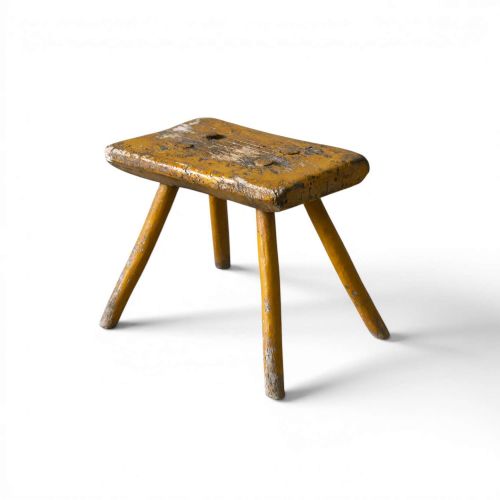
Makers shaped these utilitarian objects during the 19th century and around 1900, drawing on vernacular rural traditions across Britain, France, and Eastern Europe. Buyers meet sturdy milking stools with original ochre, yellow, or green paint alongside natural form oak child stools and square-topped elm designs.
How they were made
Craftsmen built these pieces from regional hardwoods including oak, elm, ash, sycamore, beech, pine, and general timber, often combining multiple species within a single item. Seats and blocks were hewn from solid tree trunks or thick boards, while legs were turned or shaped by hand and joined using traditional pegging or wedged tenons.
Surfaces frequently retain traces of original paint, such as green, yellow, or ochre pigments, or show the raw grain of gnarled timber and natural forms. Construction prioritized function over refinement, leaving tool marks and structural repairs that record decades of hard use in farmhouses and workshops.
Recorded forms include milking stools, pig benches, chopping blocks, game blocks, hearth stools, and child stools.
What varies in quality
Quality rests in the integrity of the timber, the balance of the proportions, and the survival of untouched surfaces like original paint or deep patination. Pieces that retain their gnarled original legs and uncompromised structural joints stand apart from heavily altered examples.
The character of the grain and the honesty of the domestic repairs also dictate distinction, as vernacular items often gained strength through generations of practical maintenance by rural users.
The 19th Century Primitive Stool Glossary
- Vernacular
- Architecture and objects built by local craftspeople to solve specific local needs using regional materials. These pieces lack academic styling and derive their form entirely from function.
- Milking stool
- A small, typically three-legged seat designed for a milker to sit close to the animal. The tripod base provides stability on uneven barn floors.
- Pig bench
- A low, sturdy wooden bench used in agricultural settings for farm labour. They share the robust construction and heavy timbers of butcher blocks.
- Game block
- A heavy block of timber, often oak or beech, used in food preparation for game. These share the thick cross-section of chopping blocks.
19th Century Primitive Stool: Frequently Asked Questions
What is a primitive stool?
A primitive stool is a functional, unpretentious seat built by rural makers for everyday labour rather than formal display. They often display simple construction methods like pegged joints and shaved legs.
These pieces reflect the practical needs of farms and workshops, utilising whatever local timber was available at the time of construction.
How were milking stools used?
Milking stools were designed for agricultural workers to sit close to dairy animals during milking. The three-legged design ensured the seat remained stable on uneven earthen floors.
Their compact size allowed workers to carry them easily around barns and fields throughout the working day.
Are original painted surfaces common?
Original painted surfaces survive on some items, particularly those originating from Eastern Europe and France. These paints often include pigments like ochre, green, and yellow.
Such paint layers provide evidence of the piece's working life and subsequent decoration within rural homes.
What woods were used?
Makers utilised a variety of native hardwoods depending on regional availability. Common timbers include oak, elm, ash, sycamore, beech, and pine.
Seats were often carved from dense woods like elm or oak to withstand heavy daily use, while legs utilised resilient woods like ash.