
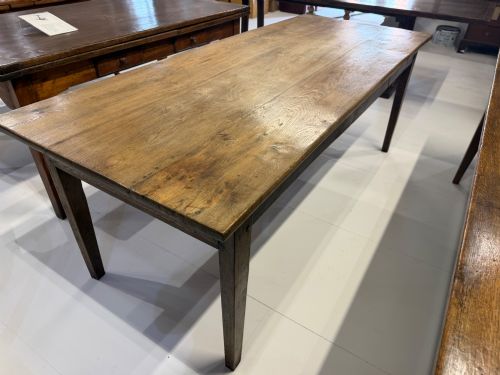
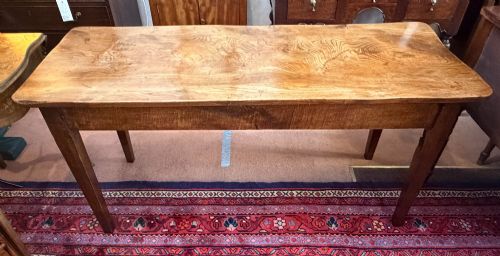
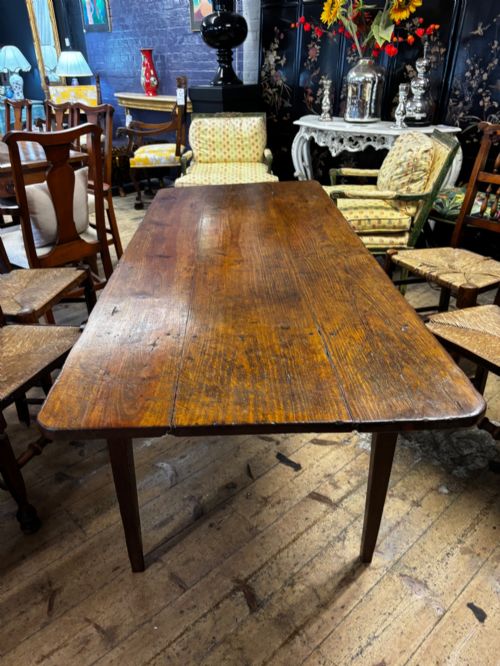
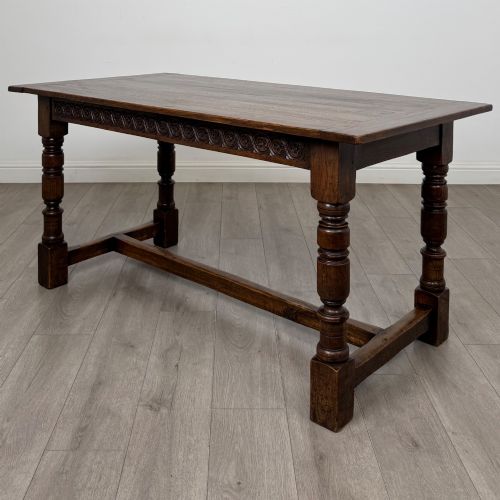
Country Timber Table
Country timber table selections offer honest utility and surface warmth, bringing straightforward grain and hard-wearing everyday presence into domestic interiors.
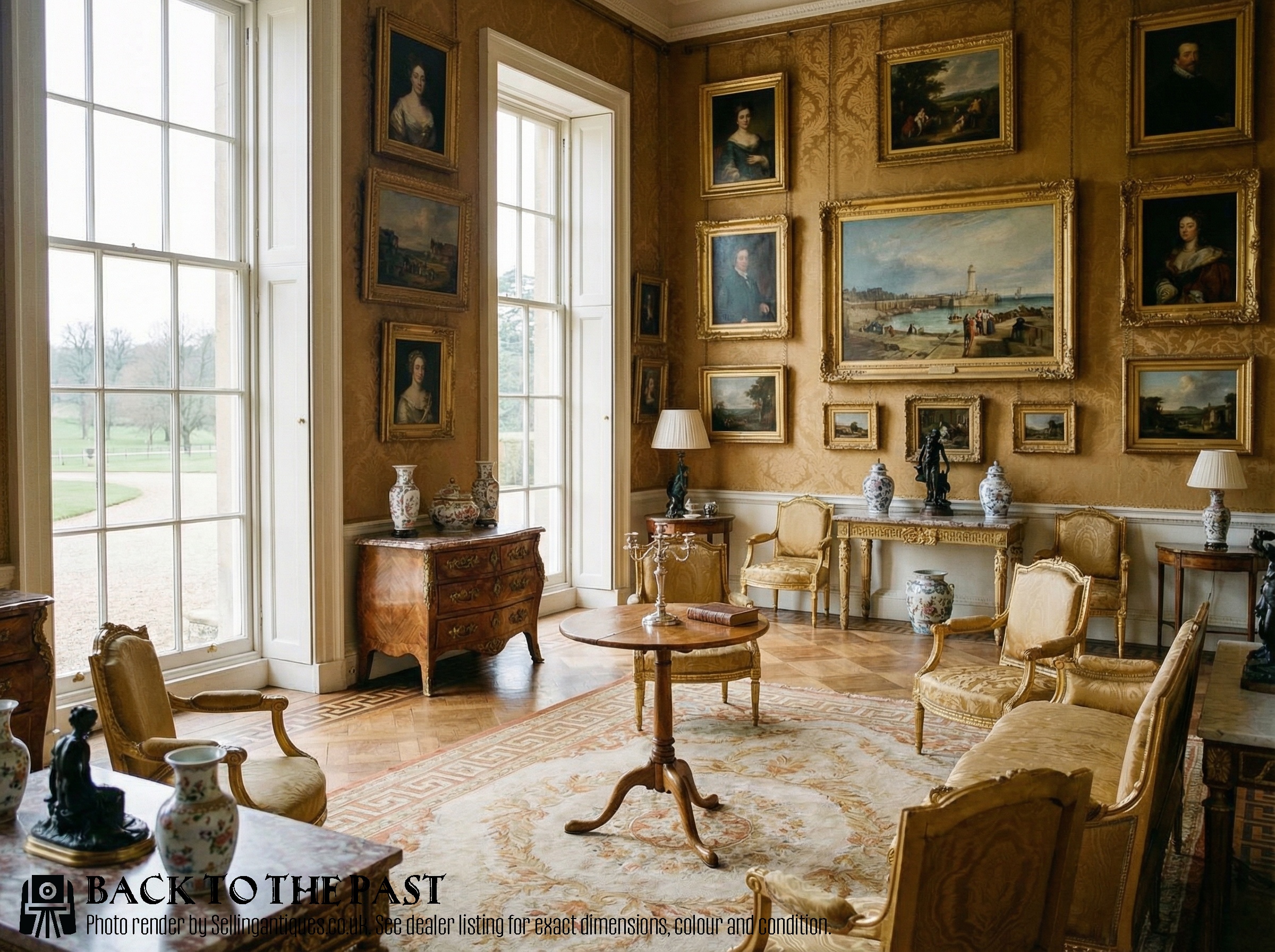
Country Timber Table
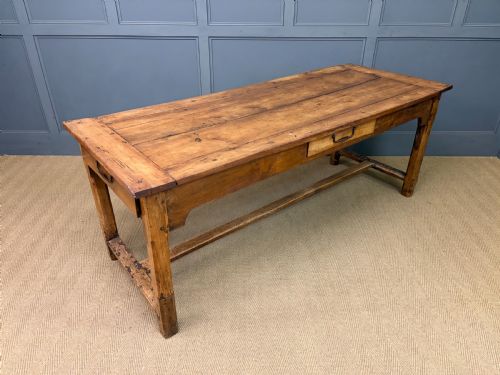
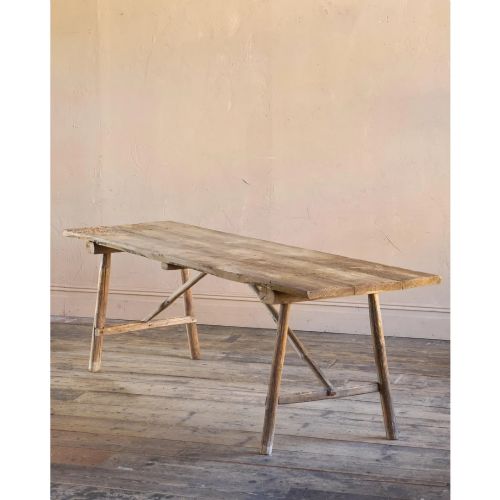
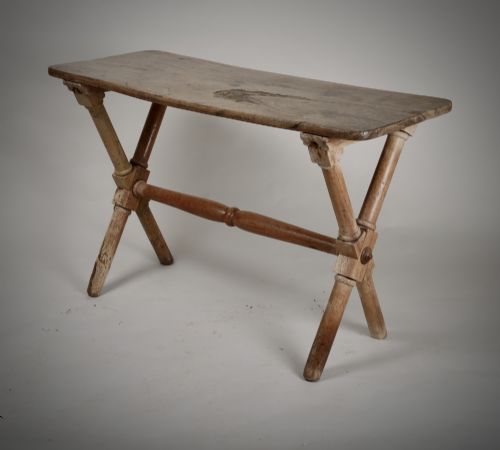
A country timber table provides a robust surface built for practical use, drawing on domestic traditions rather than formal court tastes. These pieces span working kitchen tables, dining boards, side tables, and prep surfaces.
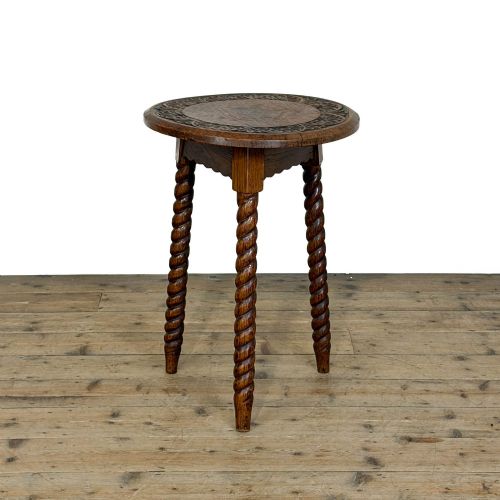
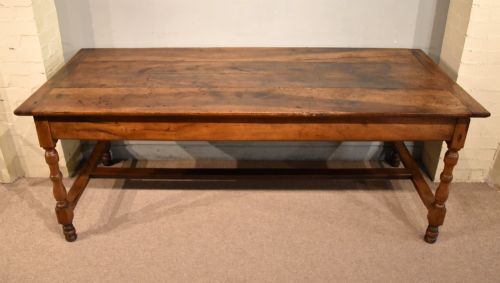
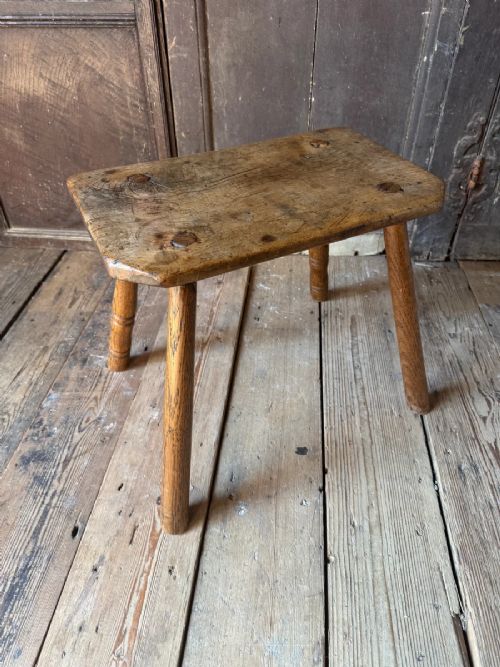
The selections here most frequently include nineteenth-century pine, oak, and fruitwood farmhouse tables, alongside smaller variants like elm cricket tables and oak tavern pieces. Regional styles range from English country and Georgian to French provincial designs.
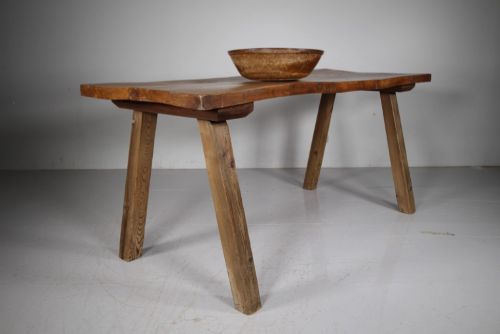
Buyers encounter surfaces shaped by decades of functional work, carrying the marks of chopping, scrubbing, and daily domestic life. Proportions tend towards the generous and sturdy, designed to anchor a room through sheer structural honesty.
Materials and construction
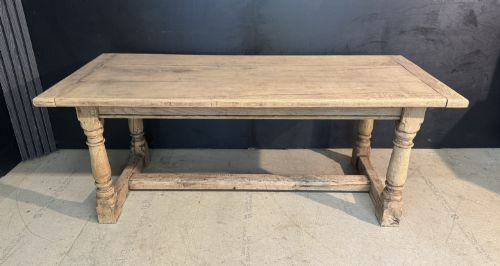
Carpenters relied on locally available timber such as pine, oak, elm, fruitwood, sycamore, and beech, selecting woods for their resilience under daily pressure. Plank tops were joined tightly to heavy frames, often utilising peg construction and sturdy stretchers to prevent movement.
Secondary treatments included layers of paint, wax, or natural oil, which protected the wood while developing deep patinas over generations of use. Hardware like brass or iron appeared principally as functional hinges, pulls, or structural reinforcement.
Periods represented span the eighteenth century, nineteenth century, 1800, 1880, 1890, 1900, 1920, and the Edwardian era.
Assessing quality in vernacular furniture
Quality rests in the integrity of the timber selection and the retention of original surface character rather than pristine factory finishes. Thick plank tops, stable underframes, and honest structural repairs tell a better story than overly cleaned timber.
The distinction between ordinary utility items and superior country pieces lies in thoughtful proportions, balanced leg turning, and timber choice, such as dense fruitwood or quarter-sawn oak, which ages with superior warmth.
The Country Timber Table Glossary
- Cricket table
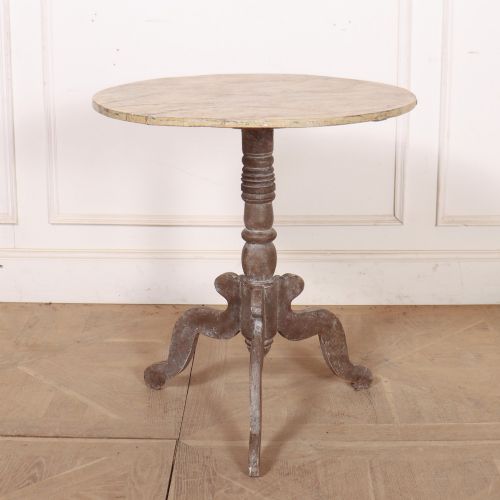
- A small, lightweight three-legged table traditionally used by firesides for holding drinks or small items. Its tripod base ensures stability on uneven flagstone floors.
- Refectory table
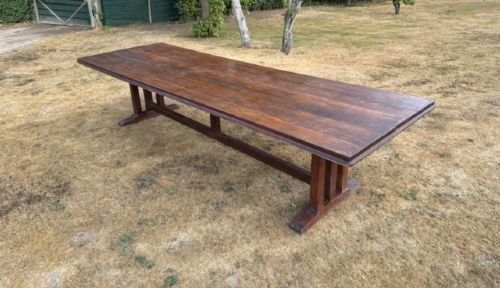
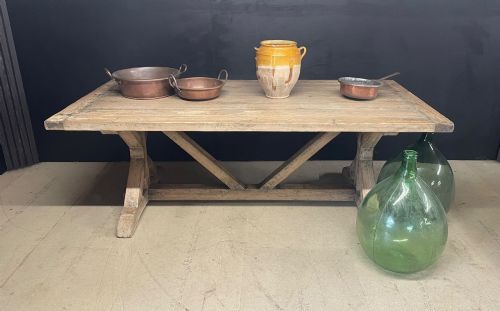
- A long, narrow dining table originally designed for communal eating in monasteries or large halls. These examples often feature stretcher rails set low between heavy legs.
- Potboard
- A slatted or solid lower shelf built beneath a dresser base or table for storing pots and pans. This practical addition keeps heavy kitchenware off damp floors.
- Vernacular furniture
- Domestic objects made by local joiners for everyday use rather than following high-style metropolitan fashions. These pieces prioritise regional utility over academic design rules.
- Patina
- The deep, lustrous surface sheen developed on wood through decades of handling, polishing, and natural oxidation. It serves as a visual record of an object's age and use.
Country Timber Table: Frequently Asked Questions
How do I clean a vintage pine table?
Wipe surfaces down using a damp cloth with mild soap, avoiding harsh chemical cleaners that strip historical finishes.
Feed the dry timber periodically with beeswax or natural oils to maintain moisture levels and protect the grain.
Can I use a farmhouse table outdoors?
These tables are designed for interior domestic environments and lack the weatherproofing required to survive prolonged exposure to rain and frost.
Fluctuating outdoor temperatures and humidity will cause historical timbers to warp, split, and shed their bonded joints.
What is the difference between oak and pine tables?
Oak offers extreme density and a darker, heavily grained appearance suited to formal rural settings.
Pine is softer and lighter in tone, typically associated with utilitarian kitchen prep spaces and painted finishes.
How do I spot a marriage of parts?
Examine the underside of the top to check if screw holes, fixing blocks, and wear patterns align logically with the base frame.
Inconsistencies in timber species, age patination, or awkward joinery often indicate that a top and base from different origins were joined together later.