

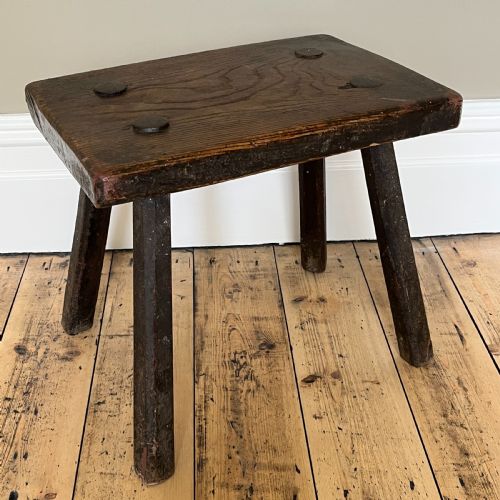


Antique Vernacular Stool
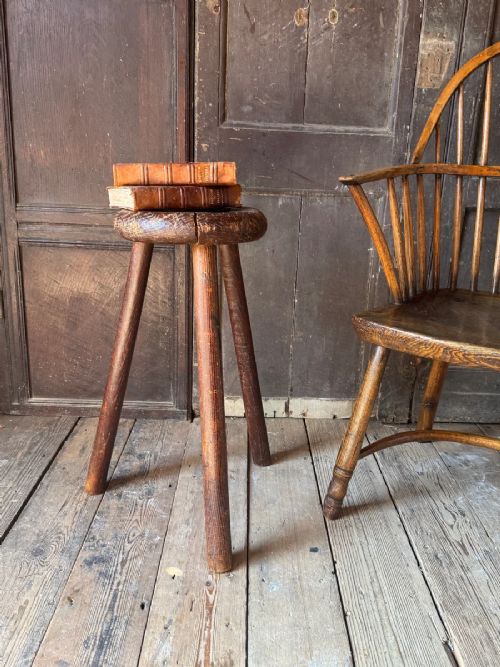
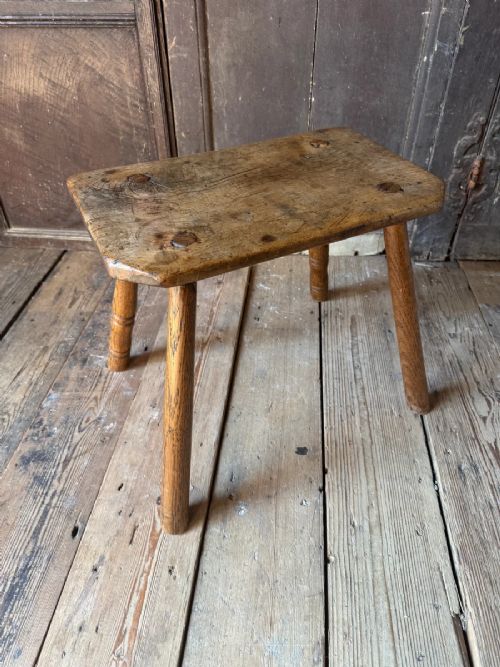
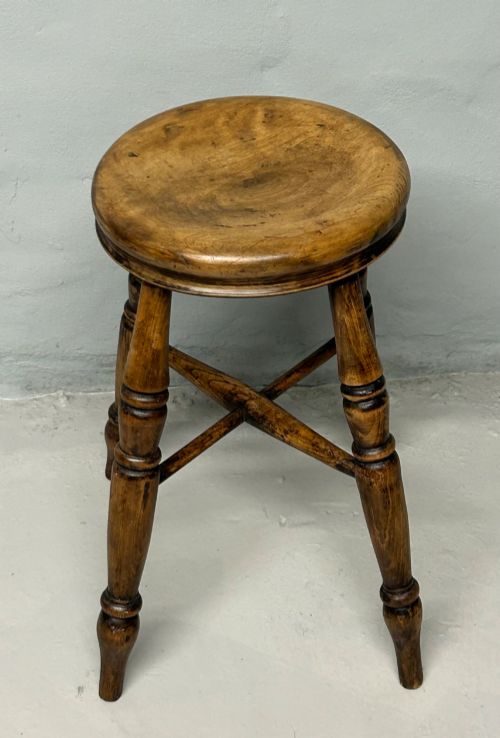
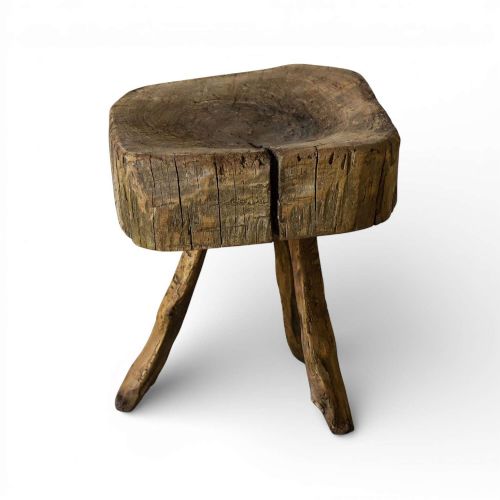
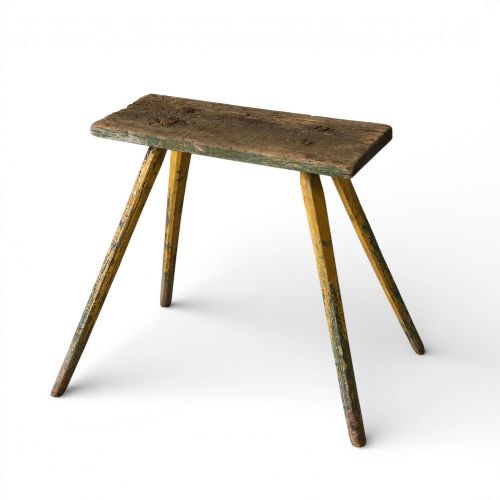
These antique vernacular stool examples are honest, utilitarian seats shaped from sturdy timbers by rural makers for everyday labour and domestic use.
Antique Vernacular Stool
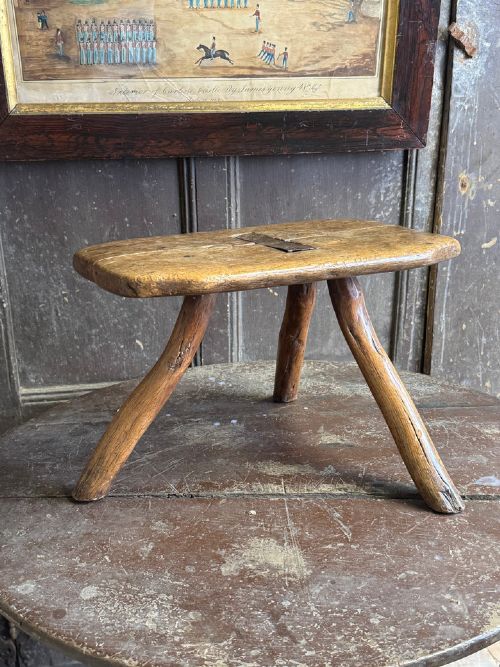
An antique vernacular stool is a utilitarian seat created in rural workshops without the strict adherence to formal stylistic rules found in urban furniture. These pieces span centuries from the eighteenth through to the twentieth, reflecting the practical needs of rural communities across various regions.
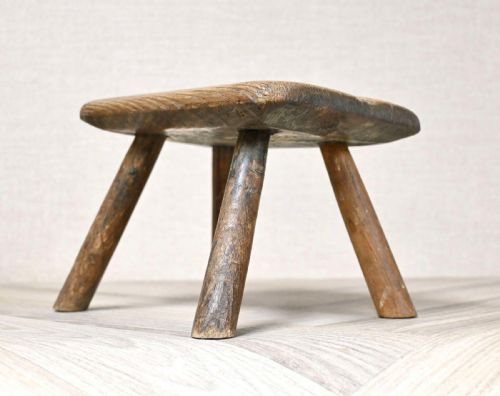
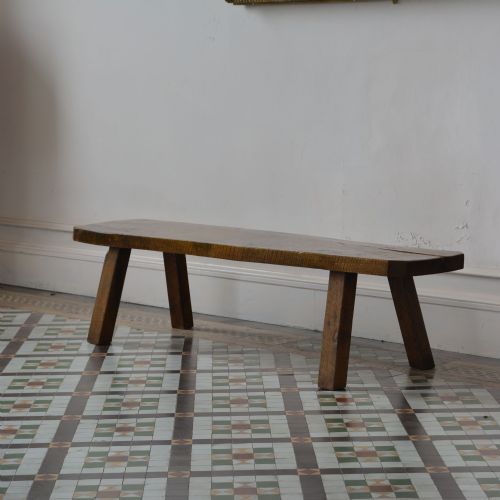
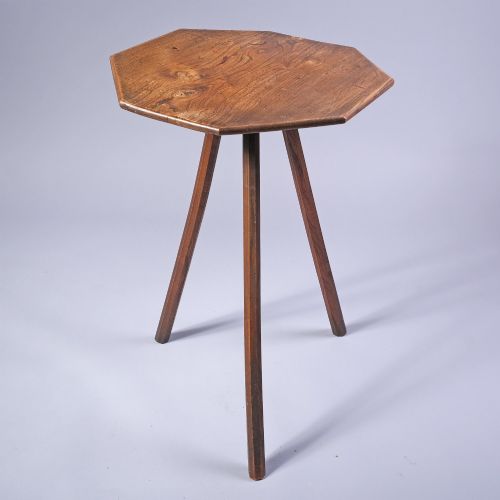
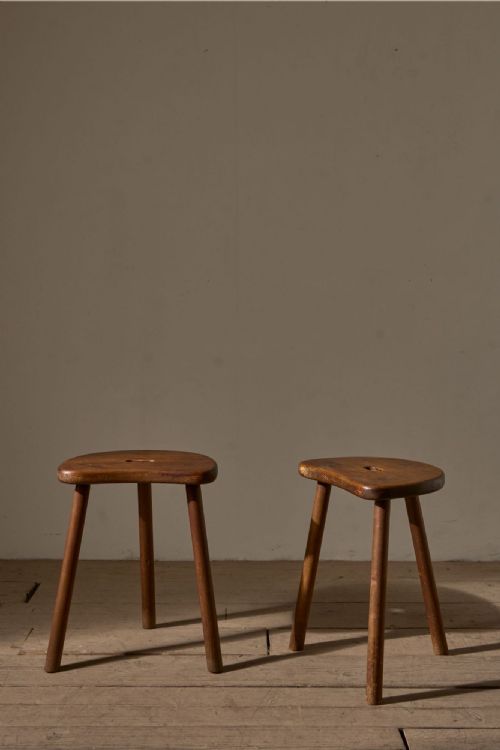
The most common forms encountered on this page include simple three-legged milking stools, heavy oak joint stools, low dairy seats, and rustic work stools. Makers shaped these items for specific tasks such as milking, cobbling, or gathering around the hearth.
Materials reflect local availability, with woods like elm, ash, oak, and pine dominating the construction. Each piece carries the marks of daily use, showing how domestic and agricultural life shaped basic seating.
How They Were Made
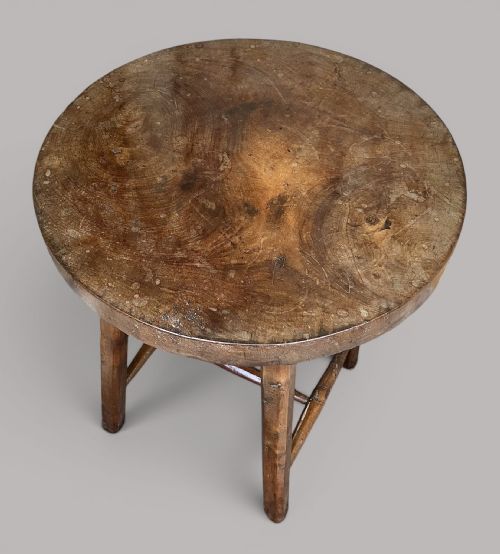
Makers utilised solid timbers such as elm for seated tops due to its interlocking grain resisting splitting under heavy loads. Legs were frequently turned or cleft from ash or oak, then wedged firmly into drilled socket holes through the seat.
Construction methods relied on traditional joinery like mortise and tenon joints, alongside simple pegged joints and splayed leg arrangements for stability on uneven floors. Iron blacksmith repairs and original paint surfaces appear frequently across surviving examples, recording the long working lives of these items.
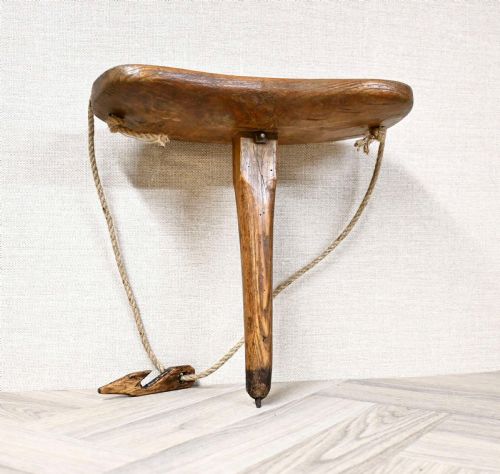
Certain milking stools feature only a single leg, designed to be strapped directly to the milker for efficient movement around the dairy.
What Varies In Quality
Quality rests in the integrity of the timber and the honesty of the construction rather than refined decorative carving. Pieces with thick, richly grained elm tops and well-balanced splayed legs demonstrate superior proportion and durability.
Surviving original finishes, such as early paint or patinated bare wood showing deep usage, elevate the character of a piece. Alterations or replacement legs introduced during later repairs change the balance and historical weight of the object.
The Antique Vernacular Stool Glossary
- Vernacular
- Everyday furniture made by local craftsmen for practical use rather than following high-style court fashions. These objects relied on regional traditions and available materials.
- Joint stool
- A sturdy wooden seat constructed with mortise and tenon joints held together by wooden pegs. They served multiple household purposes in early domestic settings.
- Milking stool
- A small, usually three-legged seat designed for use while milking livestock. The three-legged design ensured stability on uneven farm floors.
- Splayed legs
- Legs angled outwards from the centre of the seat to provide a wider, more stable base. This construction method prevented tipping during heavy labour.
- Cleft timber
- Wood split along the natural grain rather than sawn, producing stronger components for legs and stretchers. This technique preserved the structural integrity of the fibre.
Antique Vernacular Stool: Frequently Asked Questions
How were these stools used originally?
These seats served specific practical purposes around the farm, workshop, and home, including milking animals, cobbling shoes, or sitting by the hearth. Their sturdy construction suited demanding environments.
Because they were built for hard work, many show evidence of heavy use, structural repairs by blacksmiths, and layers of working paint.
How do I tell the period of a stool?
Dating relies on observing construction techniques, tool marks, timber choice, and signs of wear. Eighteenth-century examples often feature pegged joinery and dense oak, while nineteenth-century pieces frequently utilise ash and elm.
Comparing leg turning, seat shaping, and overall proportion against dated examples helps place a piece within its historical era.
How do I live with a rustic stool?
These pieces integrate easily into modern interiors as side tables, plant stands, or minimalist seats. Their neutral wood tones and honest construction complement diverse design schemes.
Maintenance involves treating the wood gently with appropriate waxes to preserve the dry, patinated surfaces built up over centuries of handling.