

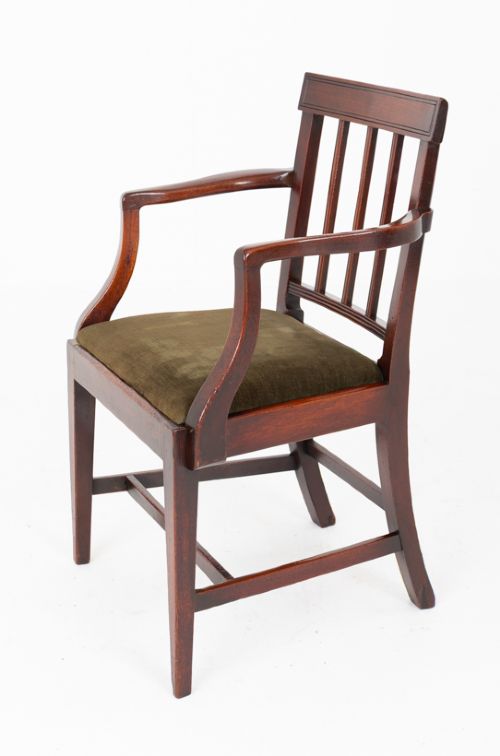
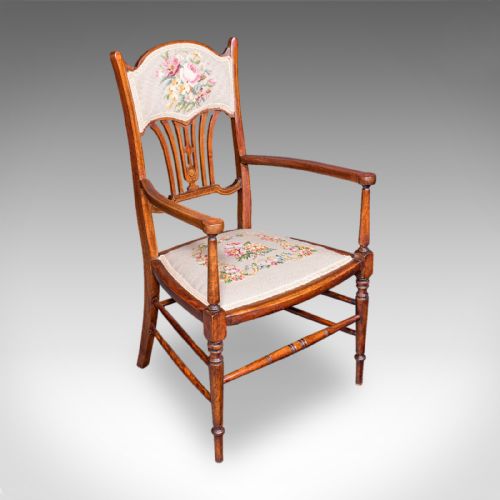
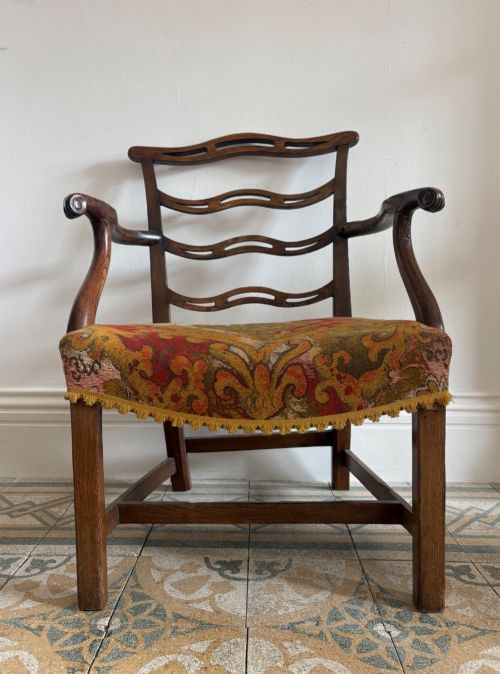
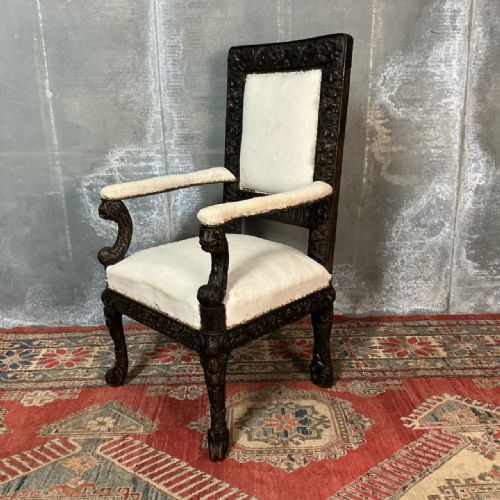
Antique Wooden Arm Chair
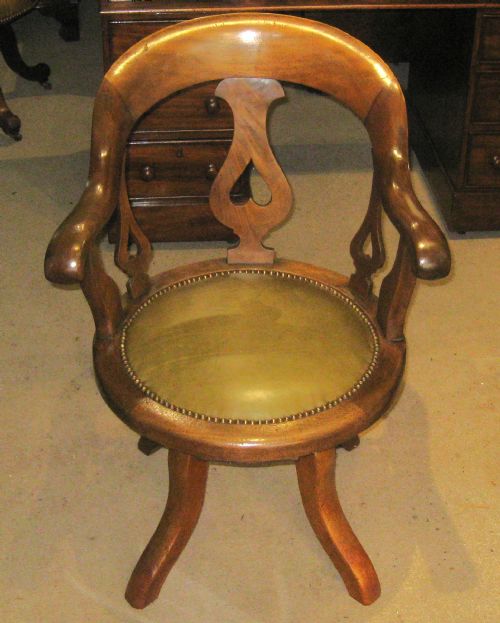
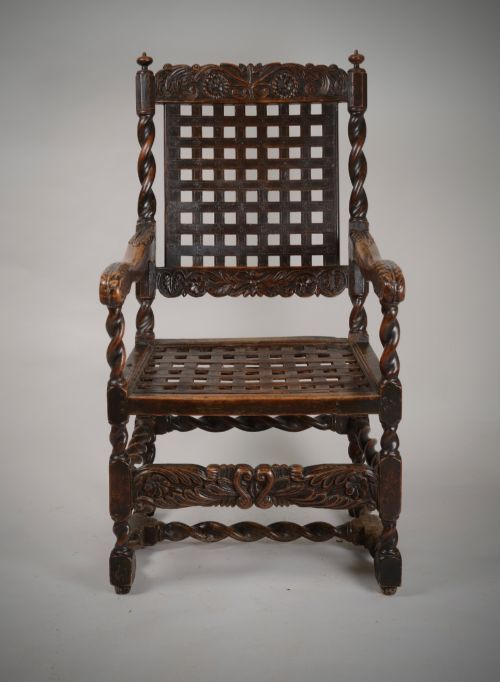
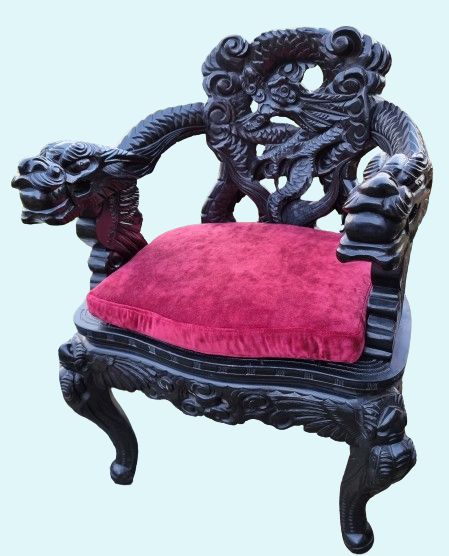
These antique wooden arm chair pieces span centuries of domestic seating, offering solid timber construction and period character for daily use.
Antique Wooden Arm Chair
Buyers exploring the antique wooden arm chair category encounter a broad spectrum of domestic seating, ranging from formal parlour designs to robust country seating. The selection relies heavily on nineteenth-century examples, alongside pieces originating from the eighteenth and seventeenth centuries.
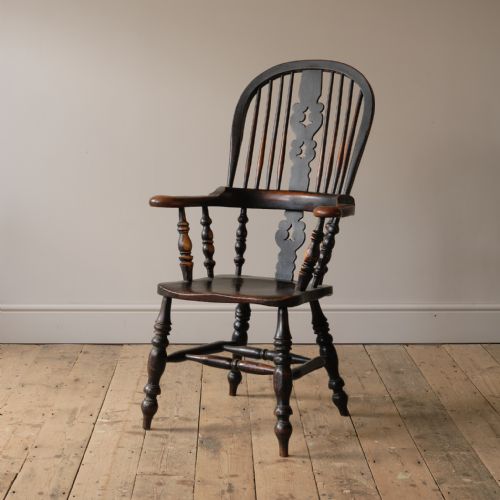
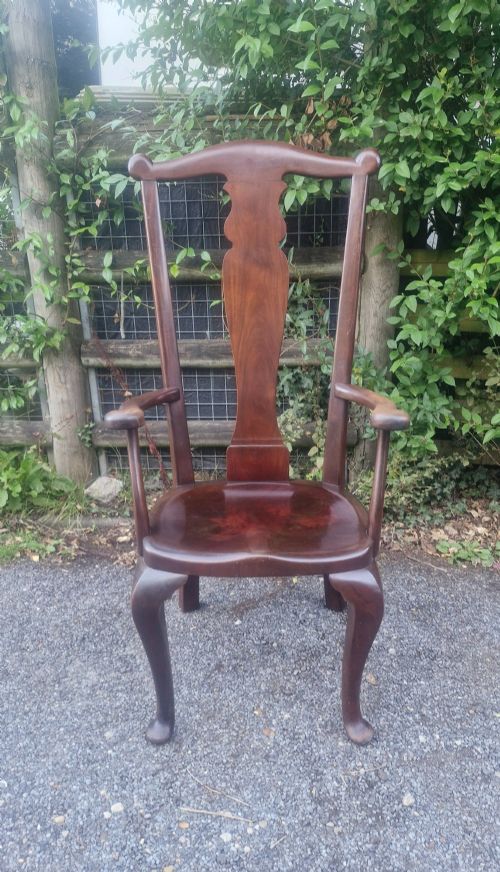
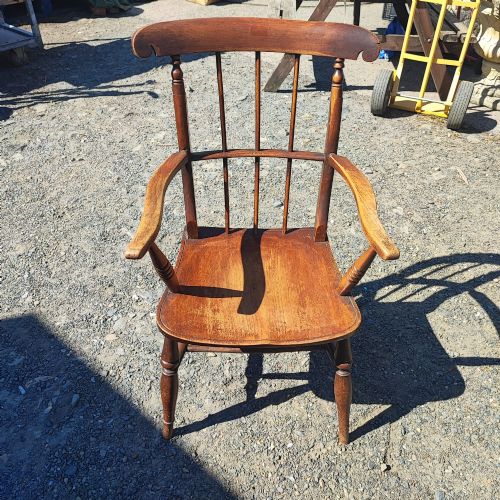
Forms vary from Windsor chairs and rocking chairs to desk chairs, carver chairs, and wainscot chairs. Walnut, mahogany, oak, elm, ash, and beech appear frequently across these listings.
The aesthetic vocabulary encompasses English Country, Georgian, Victorian, Regency, and Art Nouveau styles, reflecting the domestic habits of past households.
Materials and construction
Makers utilised native hardwoods such as oak, elm, ash, and beech for country seating, often combining timbers within a single frame. Mahogany and walnut served in formal urban workshops for dining and library settings.
Joinery methods involved traditional mortise and tenon joints, steam bending for curved components like Windsor bows, and lathe turning for spindles and legs.
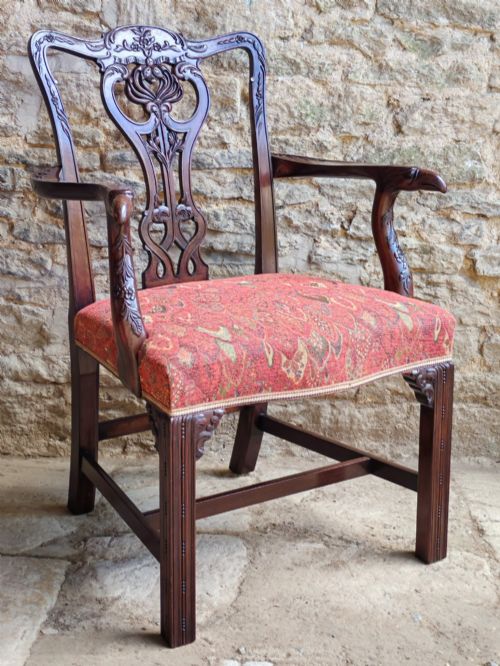
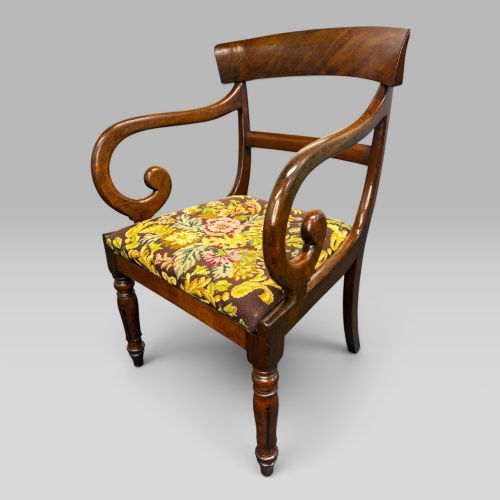
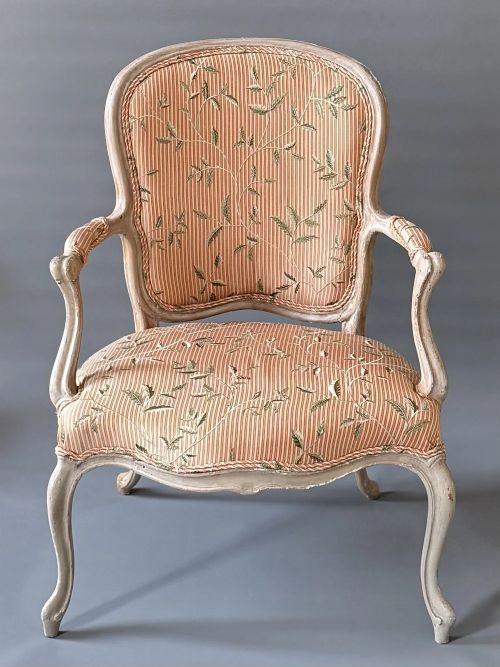
Upholstery materials such as leather, fabric, needlework, and tapestry complemented frames fitted with rush or wooden seats.
Antique Wooden Arm Chair Retail Price Guide 2026
Typical asking prices for wooden arm chair among the pieces listed under this phrase on Sellingantiques today, from the lower quarter to the upper quarter. They describe what is for sale here now, not the wider market.
Listings feature timbers such as mahogany, oak, elm, ash, beech, laburnum, walnut, and goncalo alves across multiple centuries.
Distinguishing quality
The distinction between standard domestic seating and exceptional examples rests upon the harmony of the design and the integrity of the timber. Finely figured mahogany or well-selected laburnum elevated simple forms into exhibition pieces.
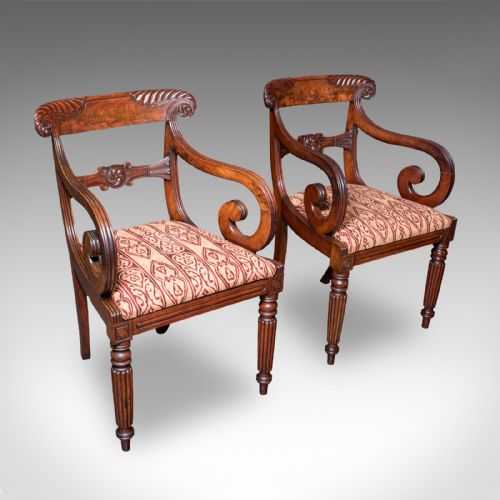
Carved detailing, whether geometric ornamentation on seventeenth-century wainscot chairs or delicate floral motifs on Victorian frames, demonstrates the skill of the maker.
Proportion and structural balance dictate the success of each piece, distinguishing utilitarian furniture from accomplished craftsmanship.
Howard and Sons·Jacob and Josef Kohn
The Antique Wooden Arm Chair Glossary
- Carver chair
- An armchair designed to match a set of dining chairs, usually positioned at the head of the table. These pieces share stylistic traits with the smaller dining seats.
- Windsor chair
- A chair constructed with a solid wooden seat into which the legs and back spindles are wedged directly. Ash and elm feature prominently in their composition.
- Wainscot chair
- An early wooden armchair constructed with panelled backs and heavy turned supports. These solid oak pieces date to the seventeenth century and earlier.
- Smoker's bow
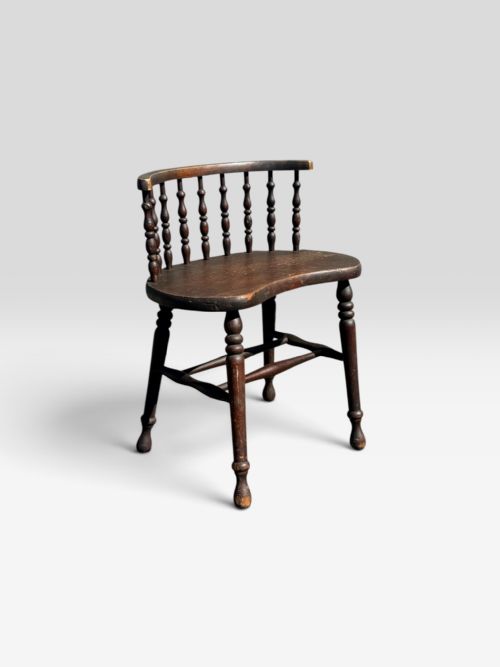
- A low-backed Windsor armchair designed for smoking rooms or captains' desks. They utilise steam-bent arm rails atop spindle supports.
- Bentwood
- Wood softened by steam and bent into curved shapes to form chair frames. Jacob and Josef Kohn produced notable examples of this technique.
Antique Wooden Arm Chair: Frequently Asked Questions
How do I identify a Windsor chair?
A Windsor chair is characterised by a heavy wooden saddle seat into which the legs and back components are bored directly. They often incorporate ash and elm timbers.
Traditional examples feature bentwood bow backs or high spindle backs, frequently found in country houses and farmhouses.
What is a carver chair?
A carver chair is an armchair that matches a set of dining chairs, traditionally placed at the ends of a dining table. They offer the same stylistic details as the smaller side chairs.
These chairs appear in mahogany, oak, and walnut across various nineteenth-century and earlier periods.
Are these chairs suitable for daily use?
Most of these wooden armchairs were built for practical domestic tasks, utilising durable hardwoods like oak, elm, and mahogany. Their robust joinery allows them to endure regular sitting.
Placing them in studies, living rooms, or hallways integrates historical seating into modern functional spaces.
How do I distinguish Georgian from Victorian chairs?
Georgian chairs generally exhibit restrained classical proportions and lighter woods like mahogany with refined carving. Victorian pieces often display heavier proportions and darker golden mahogany or walnut.
Examining the turning styles, upholstery types, and structural joinery helps clarify the period of manufacture.