
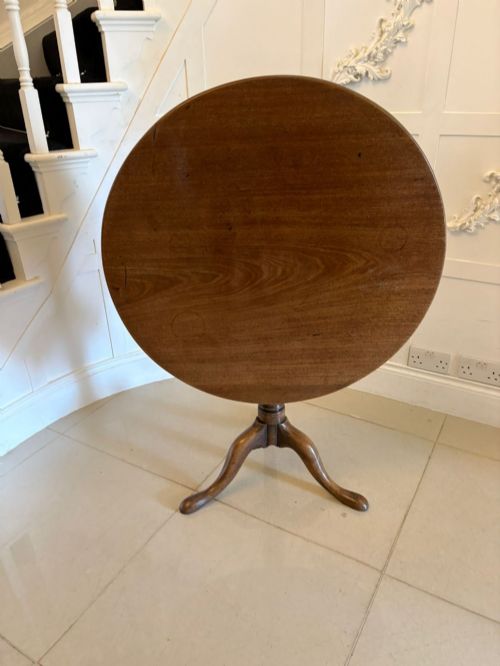
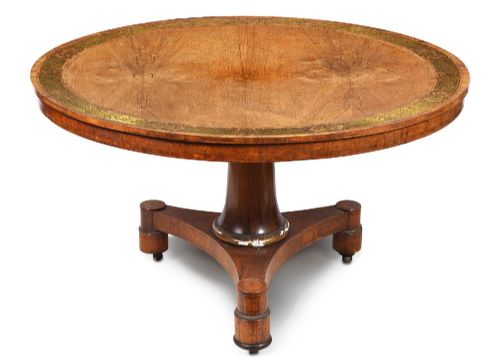
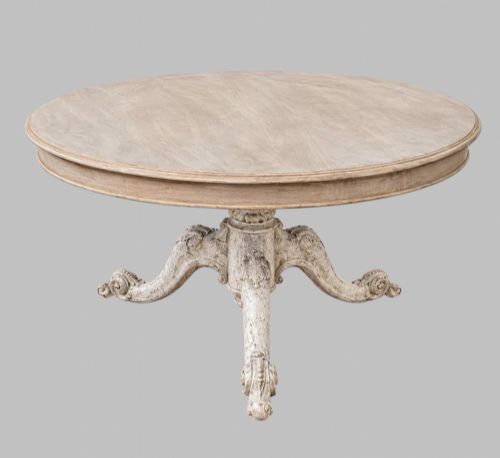
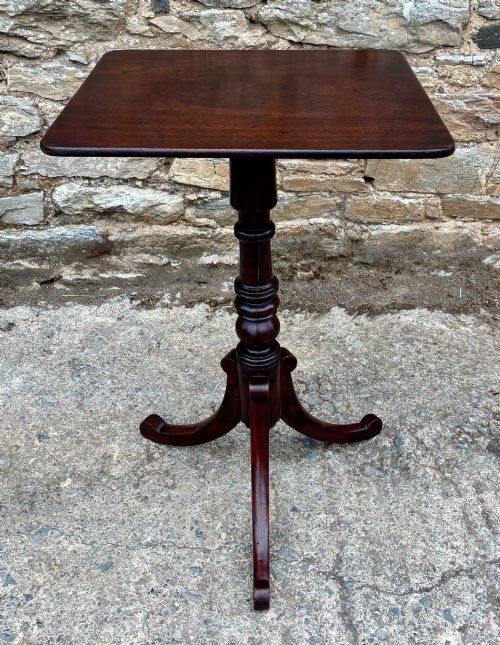
Antique Wood Tilt Table
An antique wood tilt table is a versatile surface designed to save space when tipped upright, spanning Georgian, Regency and Victorian periods.
Antique Wood Tilt Table
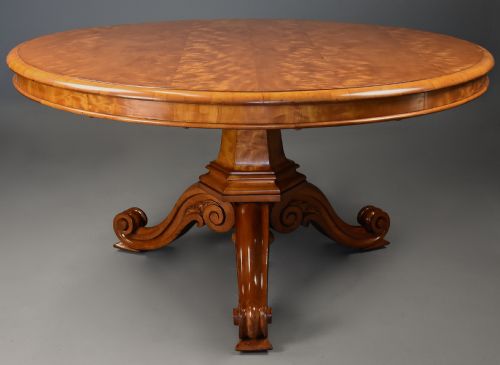
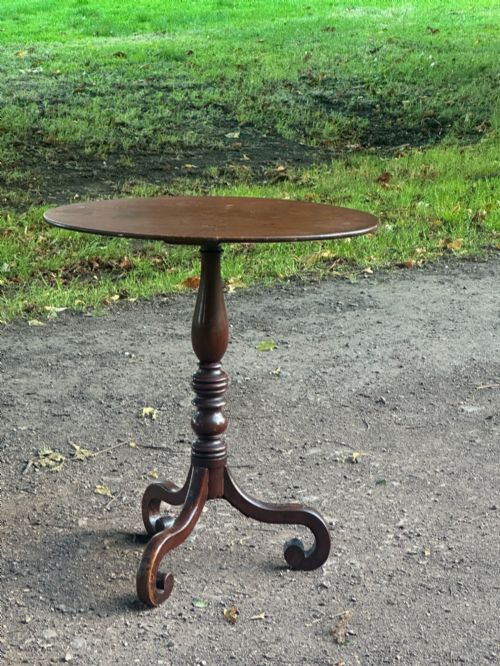
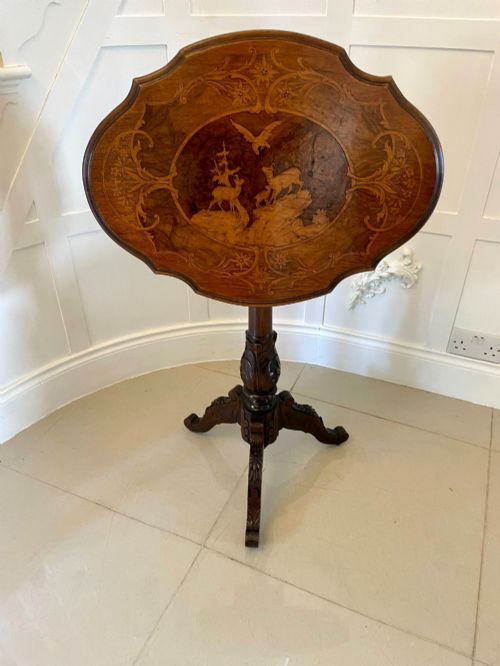
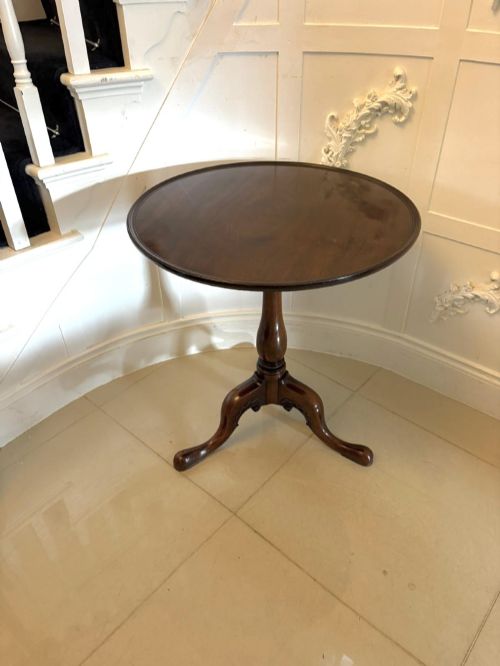
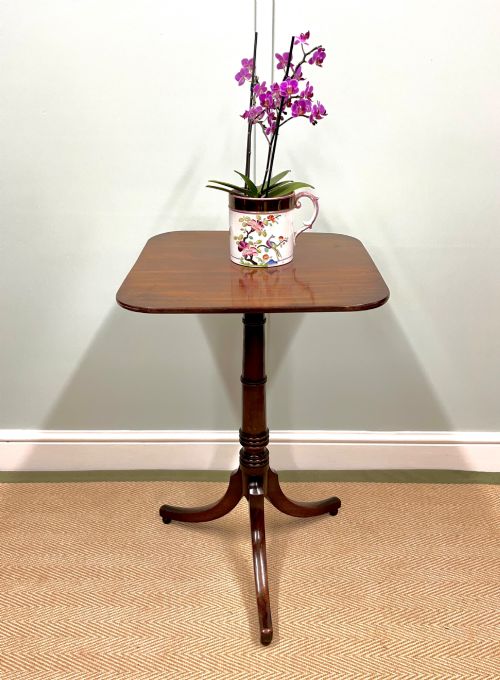
An antique wood tilt table provides a circular, oval or occasional surface that tips vertically on a central pedestal and tripod base when not in use. These pieces appear frequently as wine tables, lamp tables, breakfast tables and dining tables originating from the 18th century, Regency and Victorian eras.
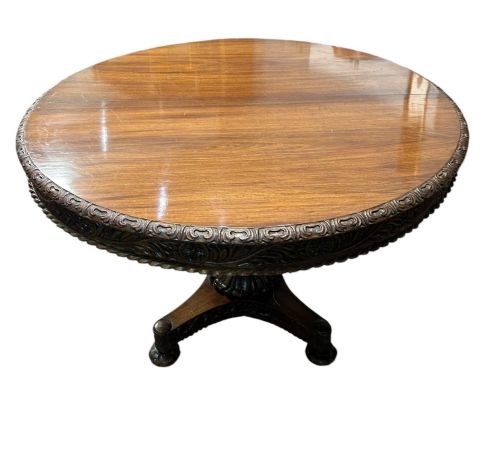
Buyers seeking this phrase encounter formats ranging from compact tripod wine tables in figured mahogany and walnut to substantial rosewood breakfast tables and Swedish burr birch occasional tables. Regional variations extend to French walnut gueridon tables, Anglo-Indian padauk examples and Ceylonese ebony pieces.
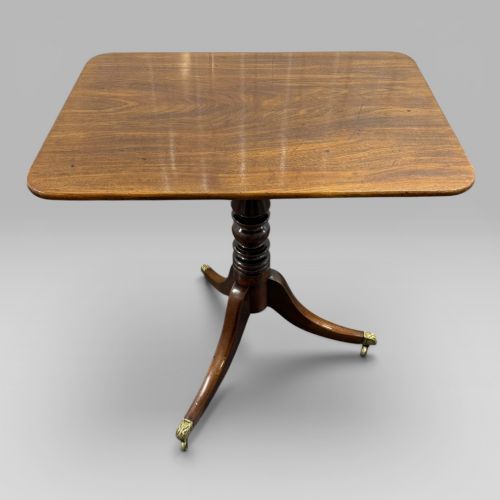
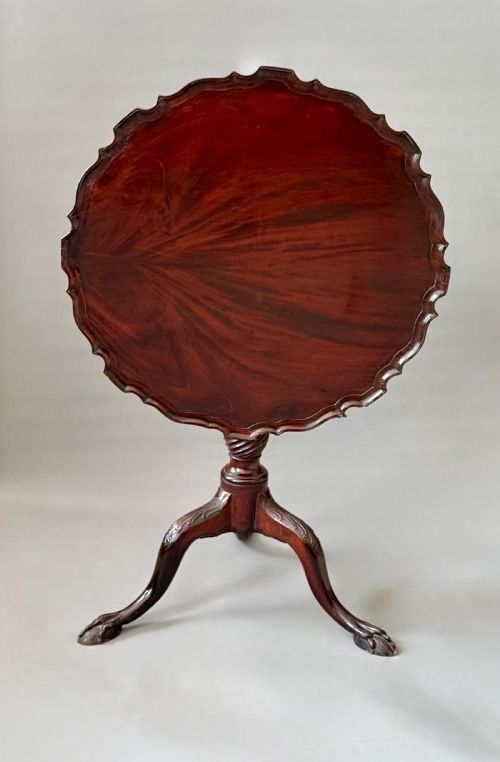
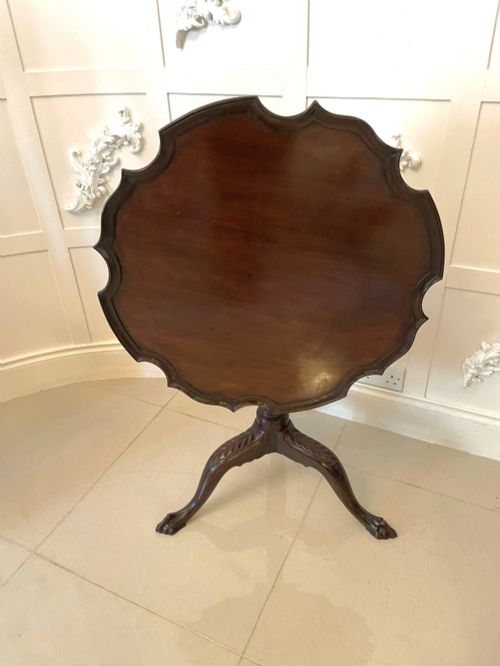
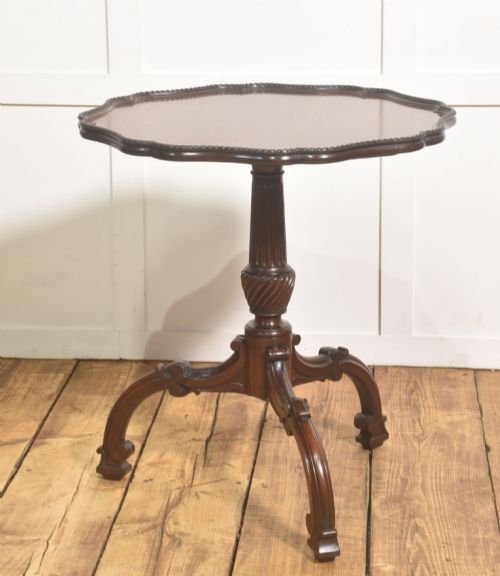
Georgian and George III examples often display piecrust edges and tripod legs, while Regency and William IV iterations utilise rosewood and brass inlay on pedestal bases. Mid-19th century pieces introduce bleached mahogany and lighter fruitwoods suited to diverse domestic interiors.
How They Were Made
Cabinet makers utilised dense hardwoods including mahogany, walnut, rosewood, oak and padauk, frequently selecting figured veneers and burr birch for decorative impact. Tops were joined to a tilting mechanism and a turned or carved central pillar supported by tripod legs.
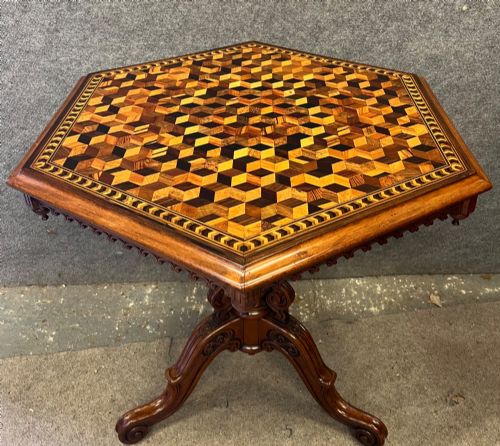
Inlaid brass, ebony and contrasting timbers enhanced Regency and Victorian surfaces, while regional workshops employed fruitwood and yew wood. Turning, carving and piecrust moulding defined the edges and pedestal stems of Georgian and Victorian iterations.
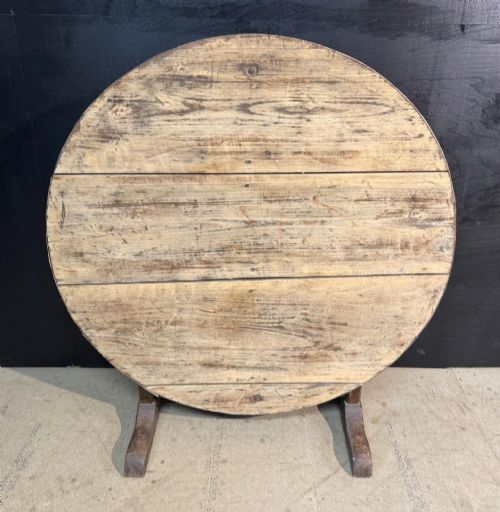
Wine tasting tables from French Normandy permitted vignerons to inspect their vintage without spilling a drop on the parlour floor.
What Varies in Quality
The sophistication of the timber selection largely dictates quality, distinguishing plain surfaces from highly figured mahogany, burr birch or rosewood veneers. Carving detail on the pedestal base and tripod legs, from simple turned stems to elaborate foliage and tripod scrolls, sets finer pieces apart.
The integrity of the tilting mechanism and the stability of the catch ensure the top remains flat and secure when lowered. Refined proportions in the turned pillar and the clean execution of brass inlay or piecrust edges separate standard workshop production from superior examples.
Gillow
The Antique Wood Tilt Table Glossary
- Tilt-top table
- A table with a hinged top that rotates into a vertical position for storage or space saving.
- Tripod base
- A pedestal support resting on three legs, common on occasional, wine and lamp tables.
- Piecrust edge
- A raised, decoratively carved perimeter moulded around a circular table top in the manner of 18th-century cabinet work.
- Pedestal table
- A single central pillar supporting a table top instead of traditional corner legs.
- Burr birch
- Wood featuring swirling, knotty grain patterns harvested from birch growths, utilised for decorative veneering on Scandinavian tables.
Antique Wood Tilt Table: Frequently Asked Questions
How did people use tilt tables historically?
These tables served flexible domestic functions, pulled up close to seating for dining, drinking wine or playing games.
When the meal or evening concluded, the tops tipped vertically so the furniture could be stored flat against a parlour wall.
Where should I place a tilt table?
Compact wine and lamp tables fit comfortably beside armchairs or sofas as functional surfaces for lighting and small objects.
Larger breakfast and centre tables act as focal points in hallways, libraries or dining spaces.
How do I distinguish Georgian from Victorian tables?
Georgian and George III pieces generally favour solid mahogany or walnut with subtle carving, tripod bases and occasional piecrust rims.
Victorian and William IV examples often incorporate heavier rosewood, elaborate turned and carved pillar bases, and richer dark finishes.
Do tilt mechanisms remain stable over time?
Original brass catches and wooden locking blocks secure the top in both horizontal and vertical positions when properly maintained.
Careful handling ensures the hinge mechanism and pivot block continue to support the weight of the timber top.