
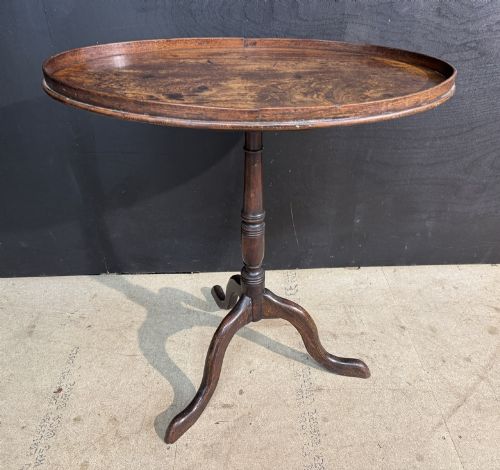
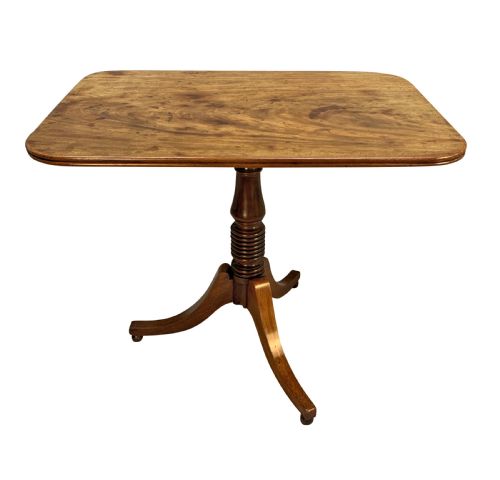
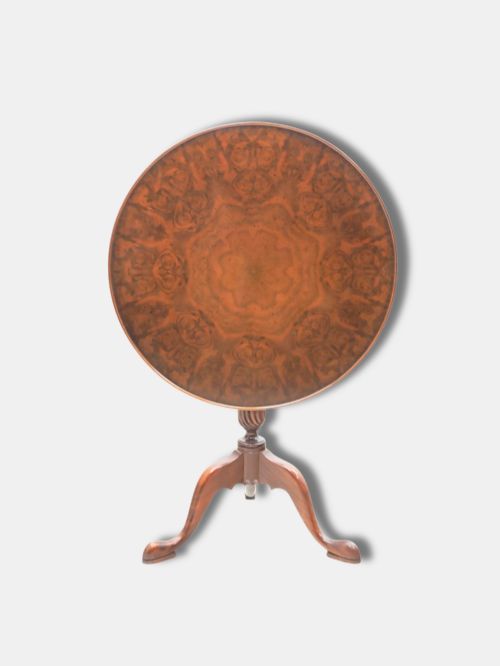
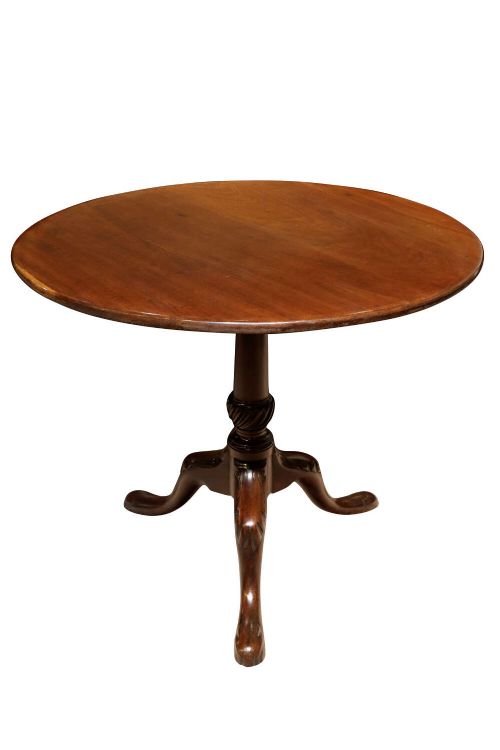
Antique Tripod Snap Table
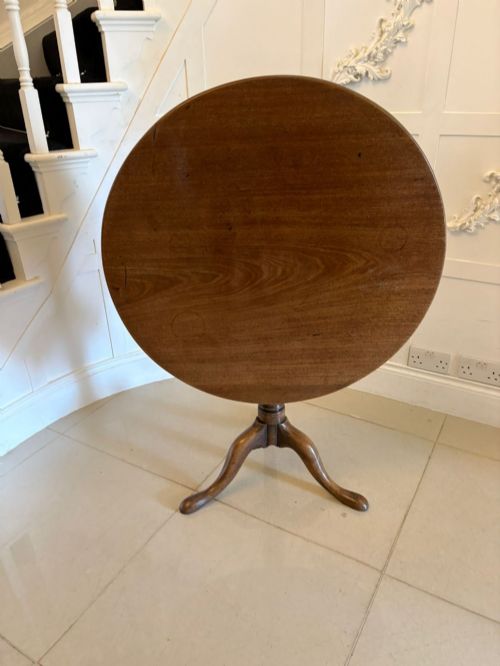
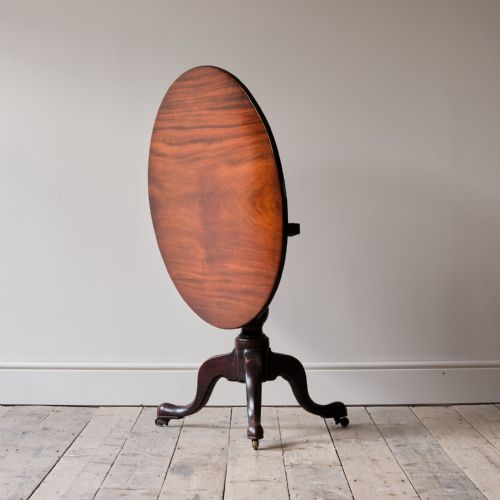
An antique tripod snap table combines a tilting circular top with a slender three-legged pedestal, offering a practical space-saving surface.
Antique Tripod Snap Table
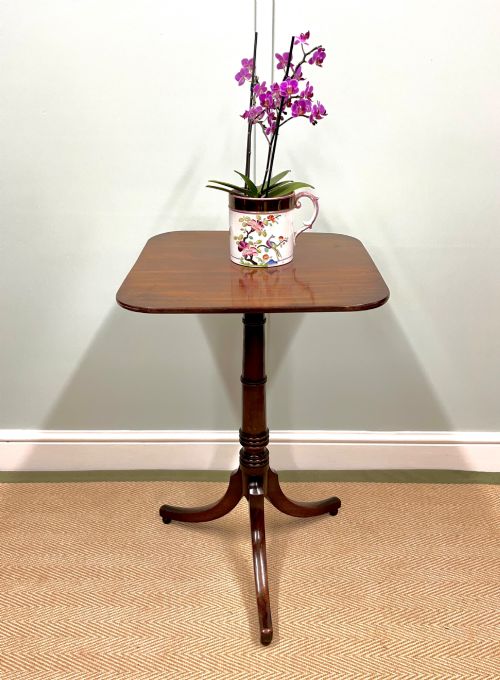
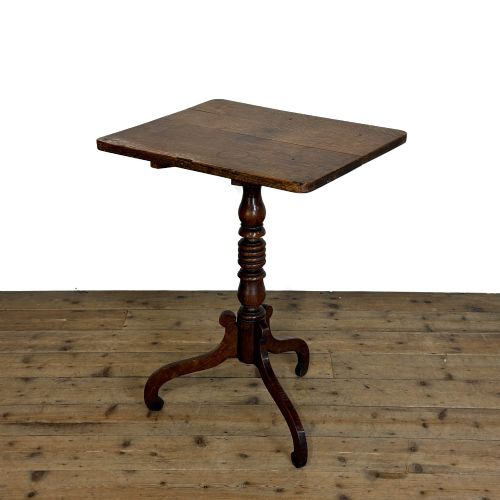
An antique tripod snap table provides a versatile surface designed to tilt upright when not in use, clearing floor space in smaller rooms. These pieces appear in forms such as occasional tables, wine tables, side tables, and larger dining versions.
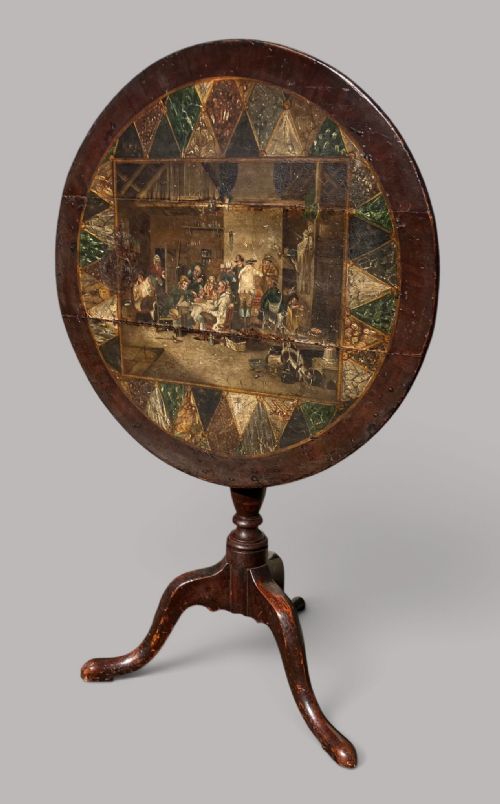
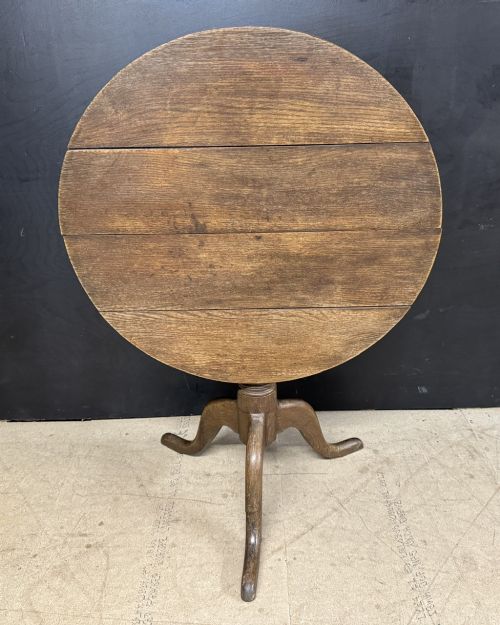
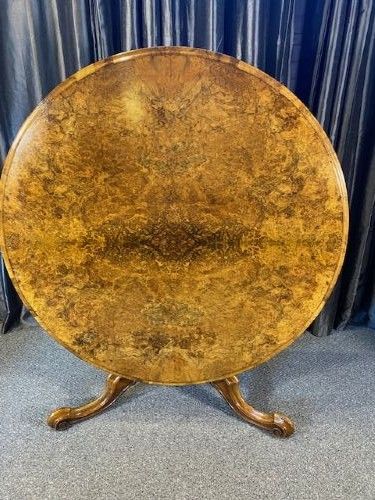
The materials span mahogany, oak, walnut, burr walnut, fruitwood, and lacquer, reflecting periods from the eighteenth century through the Edwardian era. Georgian and Victorian examples dominate the selection, showing styles from George II to Regency and Chippendale revival.
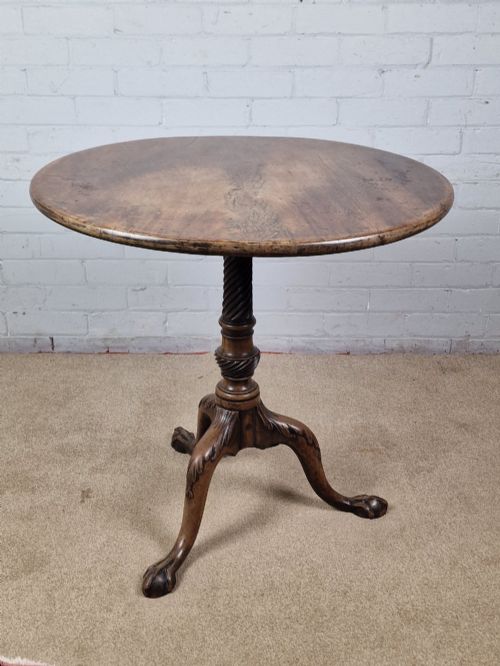
Makers fashioned these tables for various domestic uses, including lamp placement, dining, and bedside service. The top typically fastens to a central pillar supported by three splayed legs.
Materials and construction
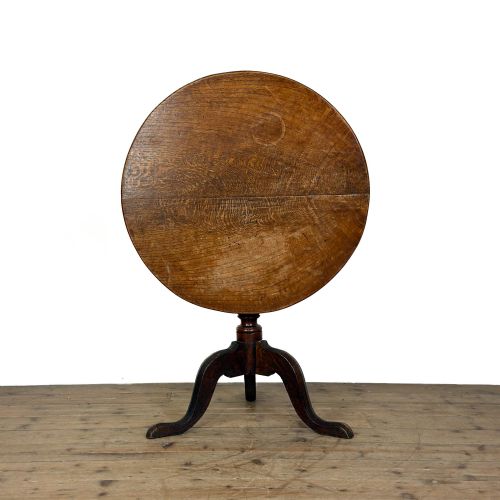
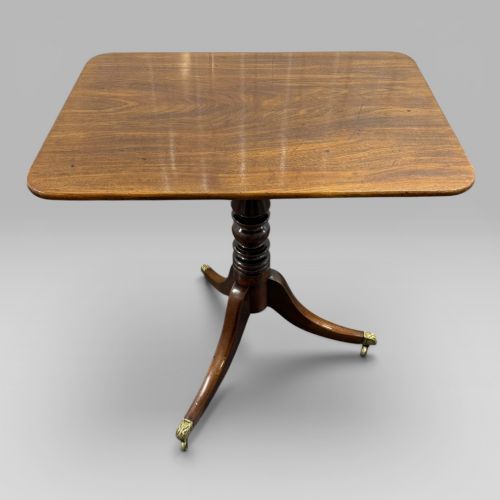
Cabinetmakers utilised dense timbers like mahogany, oak, and walnut to build the tops and pedestals, often employing figured veneers or burr walnut for decorative surfaces. Brass hardware appears on select pieces for casters or hinges.
Joinery techniques included turning the central column on a lathe and shaping three cabriole or straight legs to form a stable tripod base. Many examples incorporate a birdcage mechanism or a tilting catch that allows the top to snap flat or vertical.
Some tables tilt so the top acts as a wooden shield against roaring fireplace drafts.
Distinctions in quality
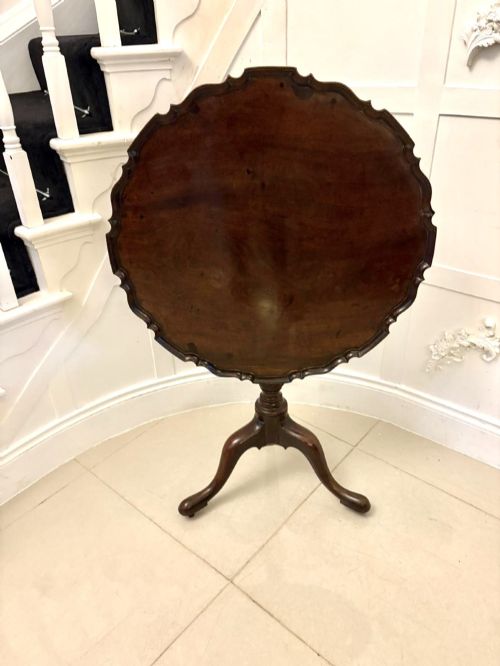
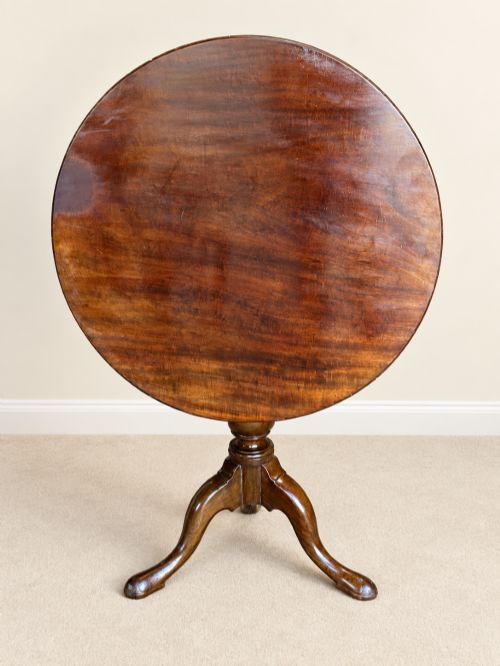
Quality rests on the selection of timber, such as highly figured Cuban mahogany or rich red walnut, and the crispness of carved details like piecrust edges and spiral twist columns. Proportion and balance between the circular top and the supporting tripod legs dictate the visual harmony of the piece.
The precision of the tilting mechanism, whether a birdcage frame or a brass catch, marks superior craftsmanship through smooth movement and secure locking when horizontal.
The Antique Tripod Snap Table Glossary
- Snap top
- A tabletop mounted on a catch that locks the surface flat for use or releases it to tilt vertically. This mechanism allows the table to store flat against a wall.
- Birdcage
- A wooden framework beneath the tabletop that permits the surface to both tilt and revolve. It sits between the top and the central pedestal column.
- Piecrust edge
- A raised, carved decorative border shaped in curves around the circumference of the tabletop. It resembles the fluted edge of pastry.
- Tripod base
- A pedestal support resting on three individual legs, typically curving outward in a cabriole form. This design maintains stability on uneven floors.
- Occasional table
- A small, movable table intended for specific, intermittent uses such as holding drinks, books, or lamps.
Antique Tripod Snap Table: Frequently Asked Questions
How do I identify a birdcage mechanism?
A birdcage mechanism consists of a small wooden cage structure fitted between the underside of the tabletop and the central pillar. It allows the surface to rotate horizontally as well as tilt.
This feature is typically found on higher-status eighteenth-century examples and adds greater mechanical complexity to the table.
Where were these tables used?
These tables served multiple functions throughout the home, acting as wine tables beside seating, lamp stands, or smaller dining surfaces. Their portable nature allowed servants to move them easily between rooms depending on daily requirements.
Larger versions accommodated dining or breakfast use for several people, while smaller occasional pieces suited corners and bedside positions.
What wood types are common?
Mahogany remains the most frequent timber encountered, appearing in varieties such as figured and Cuban mahogany from the Georgian periods. Walnut, oak, burr walnut, fruitwood, and occasional lacquer finishes also feature across different eras.
Cabinetmakers selected these hardwoods for their strength, grain pattern, and ability to hold fine carved details.
How do I tell periods apart?
Early examples from the mid-eighteenth century often display George II or George III styling with rich red walnut, finely carved tripod legs, and birdcage actions. Later Victorian and Edwardian pieces show heavier proportions, revival styles, or alternative timbers like oak and lacquered surfaces.
Examining the construction methods, leg profiles, and secondary woods helps determine the approximate decade of manufacture.