

Antique Wood Tea Tray
An antique wood tea tray brings tactile warmth to a room, offering a solid serving surface built from mahogany, walnut, or satinwood.
Antique Wood Tea Tray
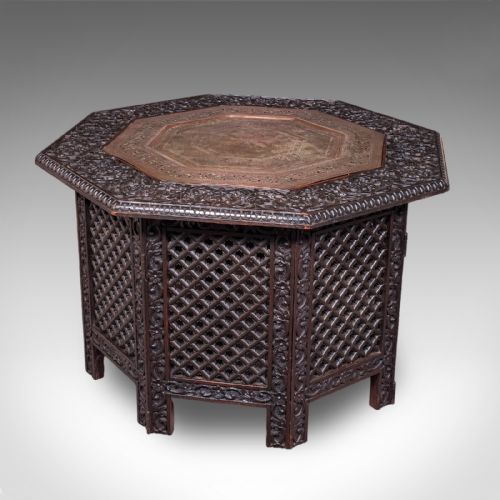
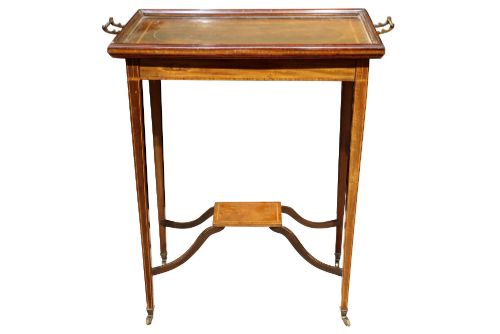
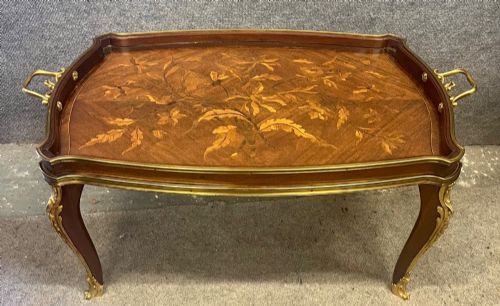
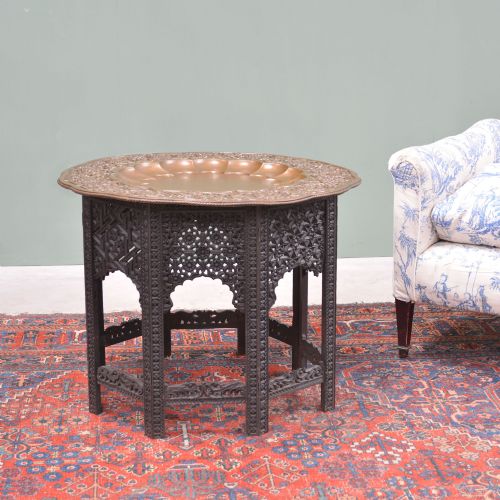
When searching for an antique wood tea tray, buyers encounter portable serving platters alongside low tables fitted with removable tray tops. The pieces span the eighteenth, nineteenth, and early twentieth centuries, reflecting changing domestic habits from formal drawing-room service to relaxed daily use.
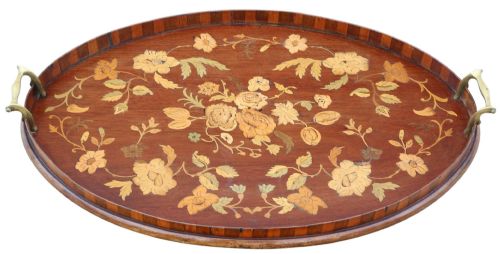
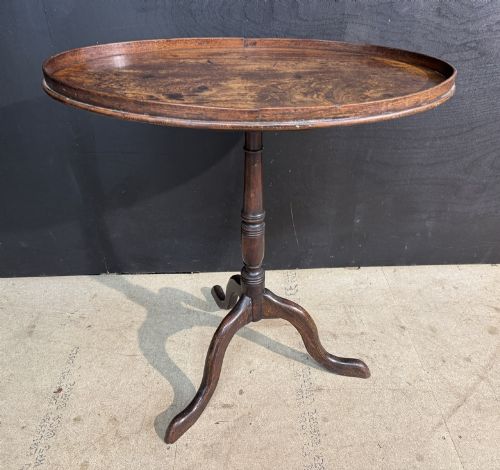
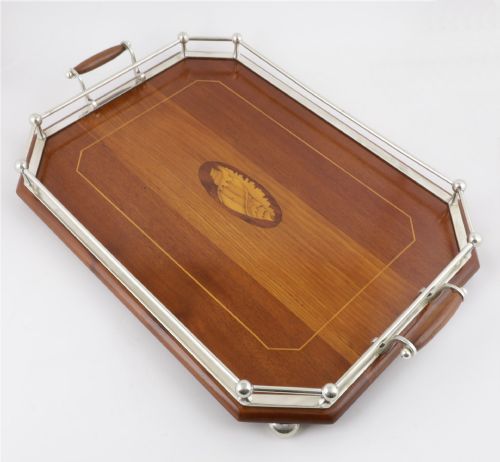
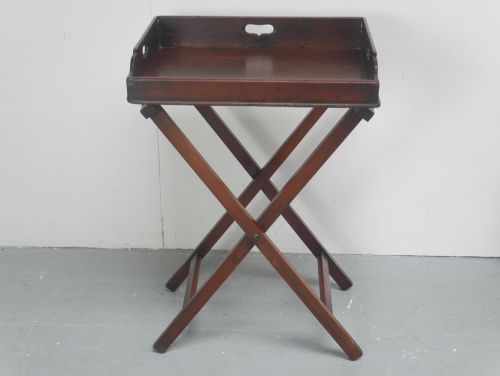
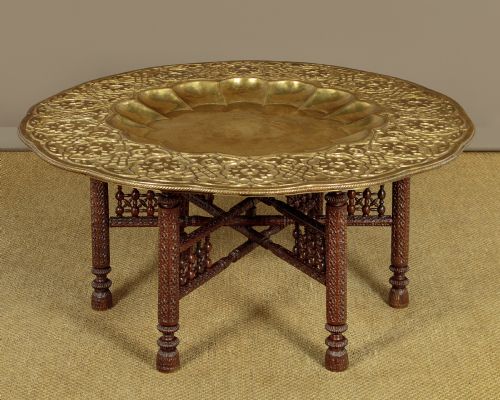
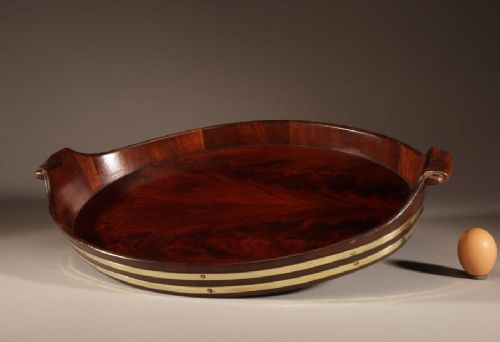
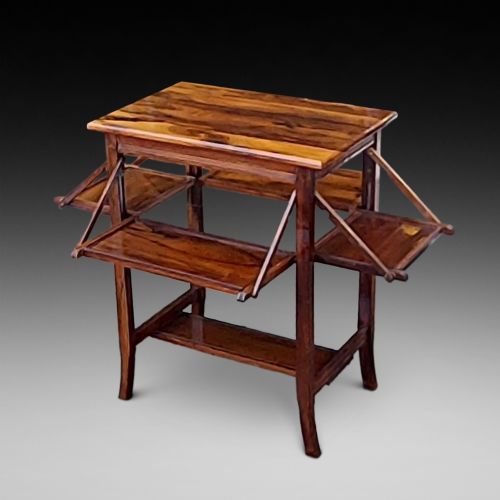
Mahogany and walnut form the backbone of these pieces, often shaped into oval, rectangular, or kidney outlines. Many examples incorporate brass handles, gallery rails, or folding stands that convert a simple platter into an occasional or coffee table.
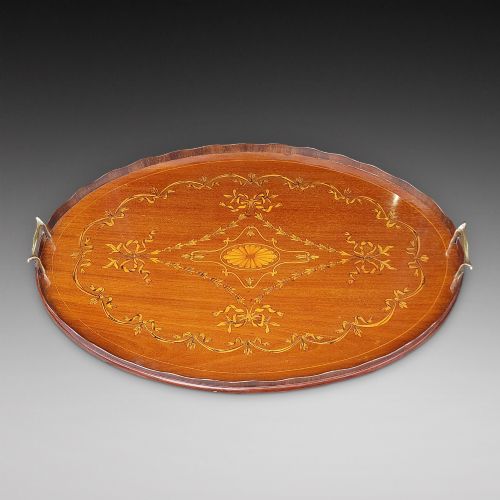
Edwardian and Victorian iterations dominate the selection, frequently displaying marquetry inlay or satinwood banding. Earlier Georgian pieces rely on the natural grain of Cuban mahogany and subtle carved edging rather than surface decoration.
Materials and construction methods
Cabinetmakers utilised dense hardwoods like mahogany, walnut, oak, and satinwood to construct stable bases that resist warping from daily use. Veneers such as oyster wood or burr walnut were laid over secondary woods to create decorative patterns on the display surface.
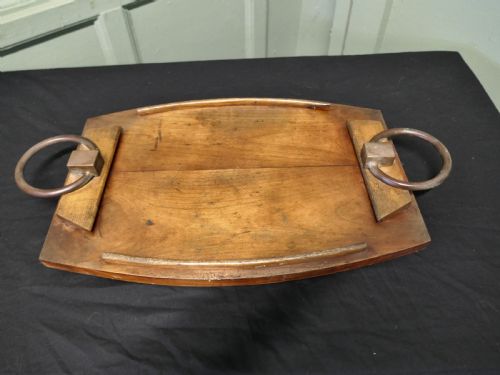
Inlay work relied on contrasting timbers, boxwood, and shell motifs embedded directly into the primary board. Metal elements including brass carrying handles and copper tops were fastened securely with traditional fixings to handle heavy service vessels.
Cartographic trays map out European geography on the serving surface, turning afternoon tea into a geography lesson.
Assessing craftsmanship and finish
The precision of the dovetail joints, the crispness of carved gallery edges, and the tightness of marquetry inlay separate ordinary utility items from superior workshop pieces. Finer examples retain smooth, even patination across the timber surfaces without excessive sanding.
The integration of metalwork dictates overall standard, where solid cast brass handles fit flush into rebated timber recesses rather than sitting clumsily on the surface. Structural integrity in the gallery walls and corners ensures the tray handles heavy silver teapots without flexing.
Gillows
The Antique Wood Tea Tray Glossary
- Gallery
- A raised wooden or metal rim running around the edge of a tray to prevent items from sliding off during service. These borders often feature pierced handles or delicate fretwork.
- Marquetry
- The art of applying decorative pieces of veneer to a structure to form ornamental patterns or pictures. Craftsmen cut contrasting woods to fit precisely together.
- Butler's Tray
- A portable wooden tray with hinged or cutout sides, traditionally paired with a folding X-frame stand. It allowed servants to transport tea service easily between rooms.
- Oyster Veneer
- Circular cross-sections of smaller branches or roots sliced to reveal concentric growth rings. Cabinetmakers arranged these patterns symmetrically across tabletops and trays.
- Tilt-Top Table
- A piece of furniture featuring a mechanism that allows the top to pivot into a vertical position when not in use. This design saved space in smaller eighteenth-century parlours.
Antique Wood Tea Tray: Frequently Asked Questions
Can I use an antique wood tea tray daily?
These trays remain fully functional for serving drinks or displaying decorative objects in a modern home. Their sturdy construction in dense hardwoods allows them to handle regular handling.
Protect the surface by placing coasters under hot cups or damp glassware. Treating the piece with care preserves the antique finish while letting you enjoy it as intended.
What is a tray top table?
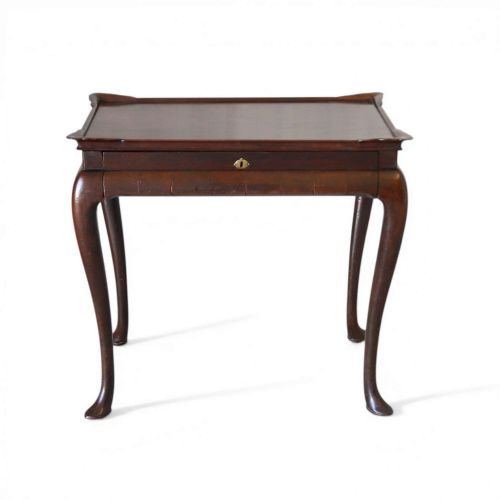
A tray top table combines a removable serving tray with a dedicated wooden stand or base. The combination creates a stable surface that functions as an occasional or coffee table.
Many examples feature a raised gallery edge to keep items secure. The tray lifts off the base easily, allowing owners to use the top independently for serving afternoon tea.
How do I date an antique wooden tray?
Examine the timber species, construction joints, and edge profiles to establish the period of manufacture. Georgian pieces often display heavy Cuban mahogany and hand-cut dovetails, while Edwardian versions favour lighter satinwood banding and marquetry.
Look for tool marks on the underside and style indicators like gallery rails or handle shapes. Regional variations, such as Anglo-Indian carving or French influence, also help narrow down the date.