

Antique Wood Seating
These pieces of antique wood seating span centuries of domestic life, offering enduring craftsmanship and timber patination for daily use.
Antique Wood Seating
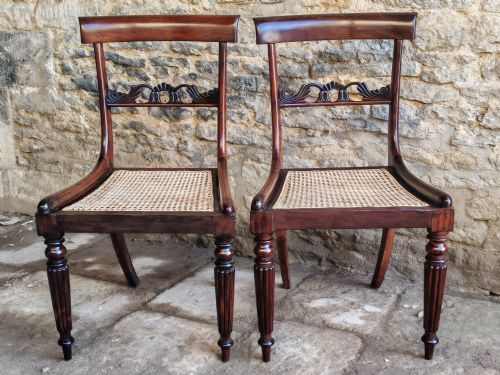
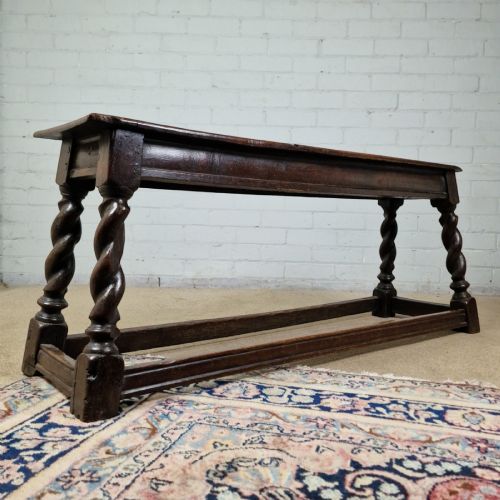
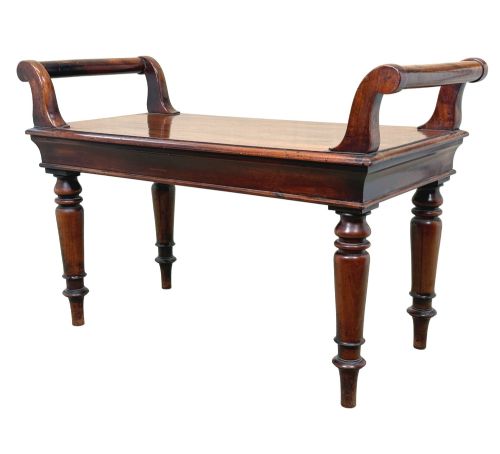
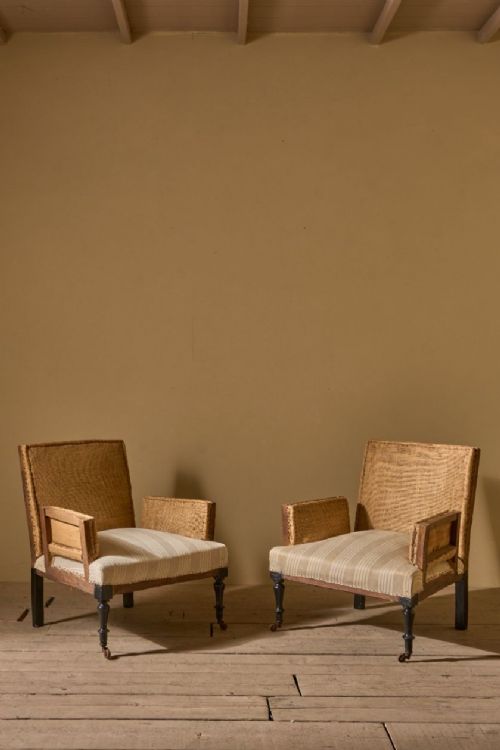
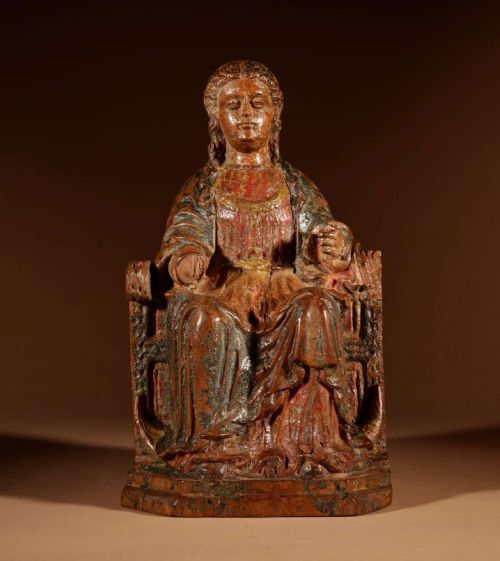
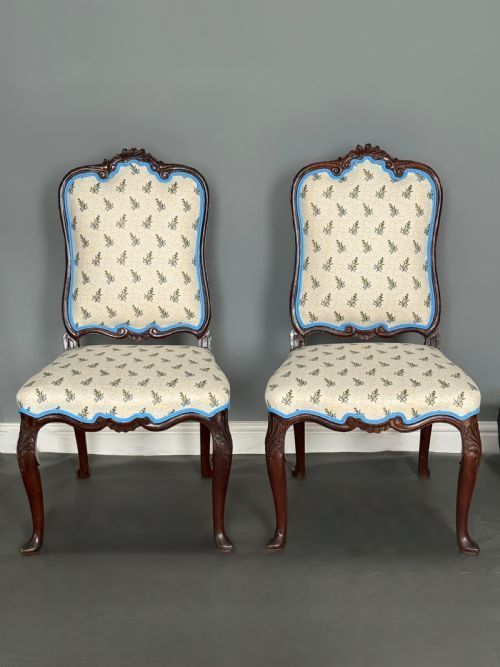
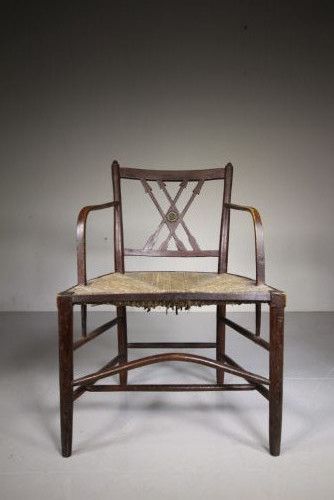
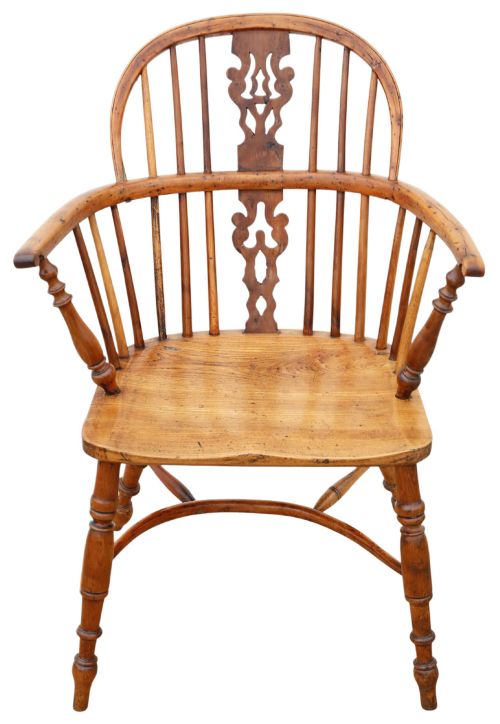
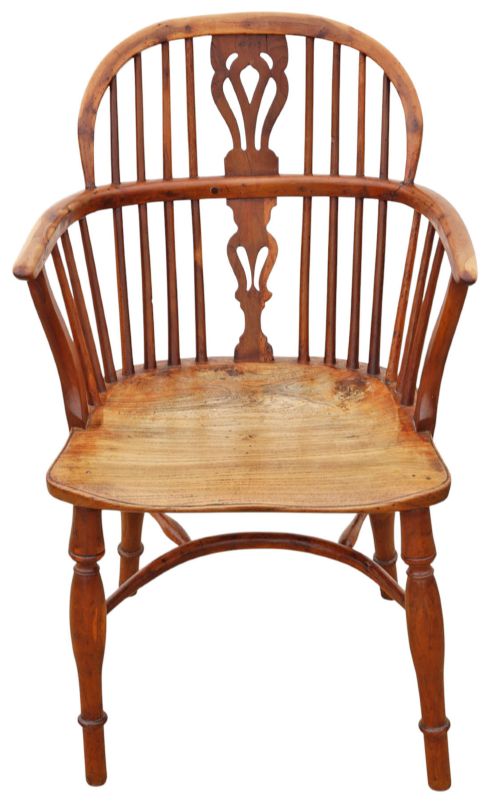
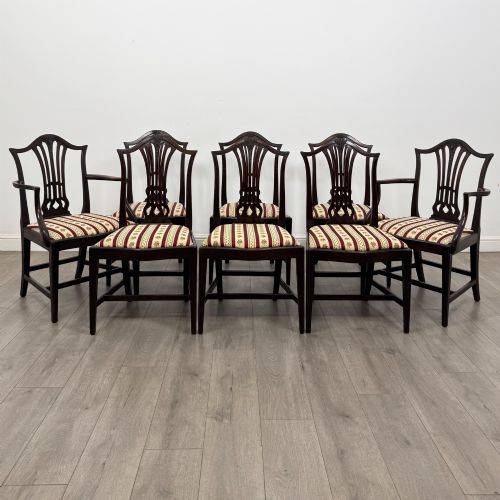
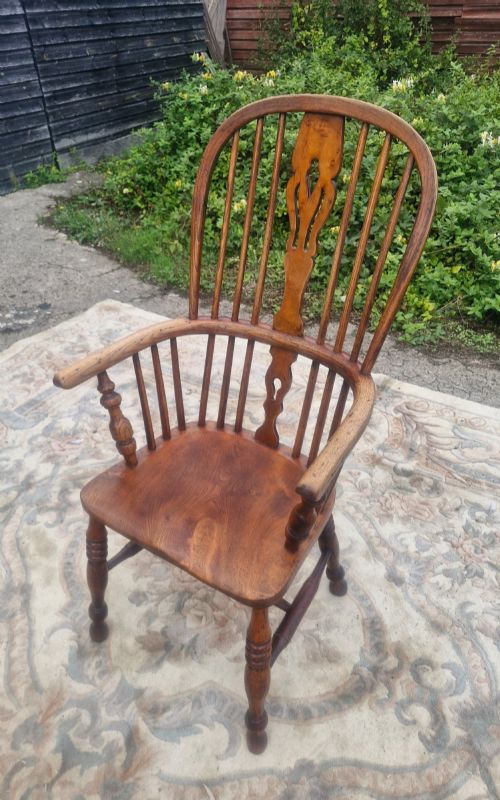
Antique wood seating encompasses dining chairs, armchairs, benches, stools, and window seats originating from the eighteenth, nineteenth, and early twentieth centuries. Buyers frequently encounter Windsor chairs in elm and ash, alongside mahogany dining sets and oak stools.
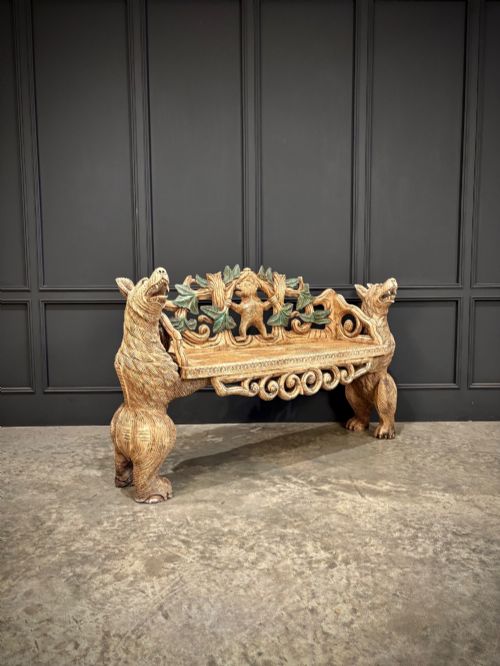
The regional variations remain distinct, ranging from Thames Valley Oxford chairs and Black Forest carved benches to English country farmhouse seating and formal Georgian side chairs. These forms reflect the domestic and social requirements of their respective periods.
Makers utilised native and imported hardwoods to construct seating designed for specific domestic spaces, from the tavern and cottage kitchen to the formal dining room and hallway.
Materials and Technique
Cabinetmakers and country joiners employed solid timbers such as mahogany, oak, elm, beech, yew, and ash, often combining woods within a single piece, such as elm seats paired with ash spindles and yew bow arms on Windsor chairs.
Construction techniques relied on traditional joinery, including mortise and tenon joints, turned components, and steam-bent elements to shape wooden frames, Windsor bows, and chair legs.
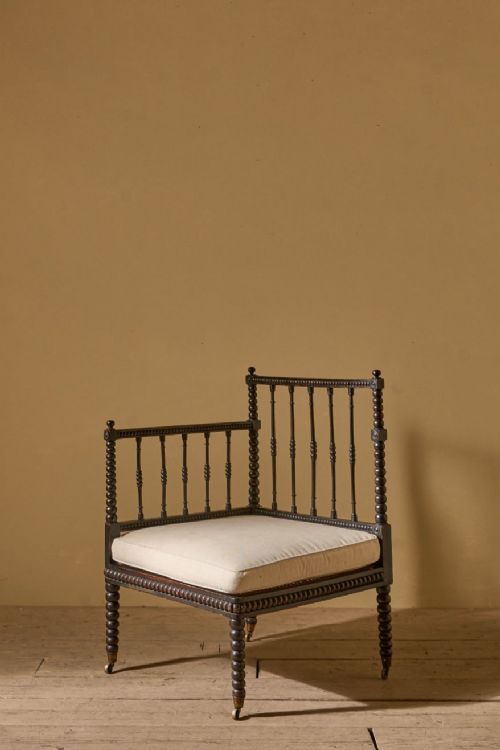
Finishes varied from original paint and ebonisation to polished mahogany and waxed oak, preserving the natural grain and patination developed through decades of handling.
Listings feature woods spanning mahogany, elm, oak, beech, ash, yew, and sycamore across domestic seating forms.
Distinctions in Execution
The hierarchy of quality rests upon the selection of timber, the crispness of hand-carved details, and the structural integrity of the joinery rather than mere age alone.
Pieces retaining their original surface finishes, patination, and uncompromised structural components command greater regard from collectors than those altered or excessively restored.
Proportion and comfort distinguish superior workshop output, particularly in Windsor armchairs and dining sets where balanced turnings and ergonomic saddle seats indicate higher craftsmanship.
The Antique Wood Seating Glossary
- Windsor chair
- A wooden chair featuring a solid carved wooden seat into which the legs and back spindles are wedged directly. They often incorporate bentwood bows and elbow pieces.
- Carver
- An armchair designed to match a set of dining side chairs, traditionally placed at the head of a table. They frequently feature broader arms and sturdier proportions.
- Lathe back
- A chair back constructed with horizontal wooden slats or splats turned on a lathe. This style appears frequently in nineteenth-century country seating.
- Prie Dieu
- A small devotional chair featuring a low seat and a padded upper ledge for kneeling and praying. They emerged in various forms during the nineteenth century.
- Patina
- The surface sheen and coloration developed by wood over years of handling, polishing, and exposure to light. It serves as an indicator of age and genuine use.
Antique Wood Seating: Frequently Asked Questions
How do I date an antique wood chair?
Dating relies on examining the timber species, tool marks, joinery methods, and the structural design characteristics typical of specific periods. Cabinetmaking techniques evolved considerably between the Georgian era and the late Victorian period.
Secondary woods, nail types, and wear patterns also provide reliable physical evidence to help narrow down the decade or century of manufacture.
Are Windsor chairs comfortable for daily use?
Traditional Windsor chairs feature saddle-moulded wooden seats shaped to fit the body, offering surprising support. Many owners use them daily around kitchen or dining tables.
Adding loose cushions can enhance comfort without altering the underlying historic structure of the wooden seat.
How should I care for antique wood seating?
Maintain antique seating by keeping it away from direct heat sources and rapid humidity fluctuations, which cause wood to split. Regular dusting with a soft cloth preserves the surface.
Applying microcrystalline wax periodically helps nourish the timber and protects the historic finish without building up heavy residues.
What is the difference between a side chair and a carver?
Side chairs are armless dining chairs built for general seating around a table. Carver chairs include integrated armrests and were traditionally reserved for the head of the household.
In many antique dining sets, a pair of carvers accompanies a larger number of matching side chairs.