


Antique Satinwood Bench
An antique satinwood bench brings golden timber and refined seating into a room, offering both historic character and everyday grace.
Antique Satinwood Bench
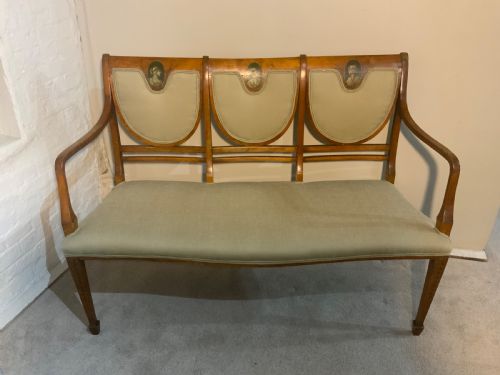
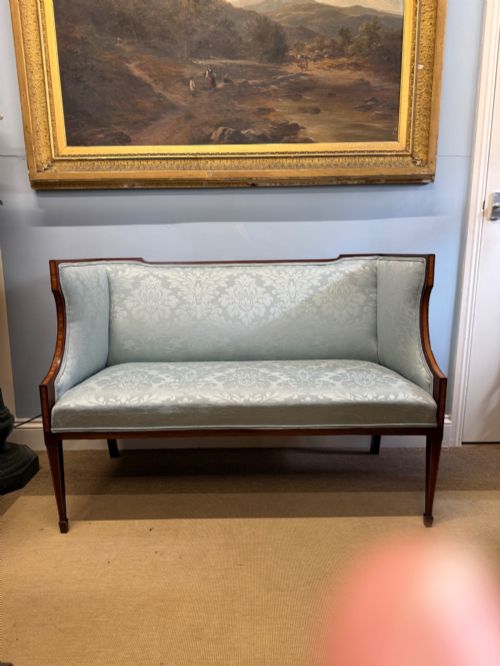
An antique satinwood bench encompasses a range of seating forms including settees, end-of-bed sofas, and piano stools. These pieces draw from periods spanning the nineteenth century through the Edwardian era and into the early twentieth century.
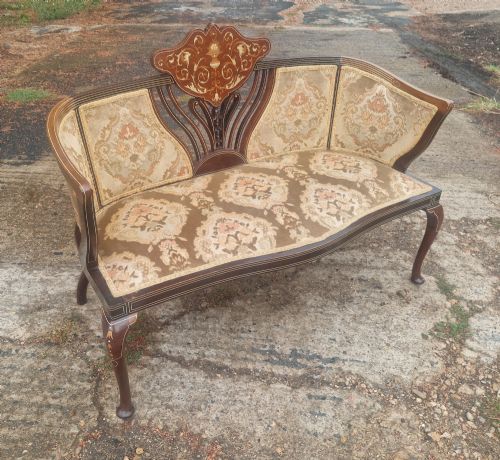
The varieties encountered on this page frequently include Edwardian salon settees and inlaid piano stools alongside earlier Regency and nineteenth-century forms. Makers utilised rich timbers such as mahogany alongside satinwood to create these distinct seating arrangements.
Buyers will find that many examples incorporate decorative elements like painted surfaces, bone inlay, and caned panels. The overarching styles range from Sheraton Revival to Neo-Classical and Swedish Grace.
Materials and construction methods
Cabinet makers utilised satinwood veneers and solid timbers, often combining mahogany with satinwood inlay to achieve striking contrasts in colour and grain. Artisans also applied paint directly to wooden surfaces for decorative effect.
Upholstery forms an essential component of these pieces, utilising fabric, velvet, and damask fabric to cover seats and backrests. Caning likewise appears on select seating frames to provide a lighter texture.
Object forms span settees, end-of-bed sofas, salon benches, and piano stools across Sheraton Revival and Neo-Classical styles.
Distinctions in craftsmanship
The execution of inlay work and painted decoration separates standard joinery from superior examples. Finely detailed bone and satinwood inlay demonstrates a higher degree of artisan skill.
The choice of primary timber and secondary wood influences the structural integrity and visual depth of the frame. Condition of the timber surface and original upholstery materials also indicate the standard of preservation.
The Antique Satinwood Bench Glossary
- Satinwood
- A durable hardwood known for its lustrous, golden-yellow appearance. It is frequently employed as a veneer or for intricate inlay.
- Caning
- A weaving technique utilising rattan or similar plant materials to form openwork panels on seats and backs. This method offers a lightweight alternative to solid upholstery.
- Damask
- A reversible figured fabric traditionally woven on a jacquard loom. It appears frequently as a covering on period salon seating.
Antique Satinwood Bench: Frequently Asked Questions
Where should I place an antique satinwood bench?
These benches sit well at the foot of a bed, in a hallway, or as part of a formal salon arrangement. Their decorative inlay and painted finishes make them suitable for spaces where refined seating is desired.
Because satinwood is sensitive to direct sunlight, positioning the bench away from harsh windows helps preserve the golden tone of the timber.
How do I care for satinwood furniture?
Dusting the timber regularly with a soft, dry cloth prevents the accumulation of dirt on the polished surface. Avoid applying modern silicone sprays or heavy waxes that might cloud the vintage finish.
Keeping the piece in a room with stable humidity levels protects the wood veneer and prevents the delicate inlay work from lifting over time.
What is the difference between a settee and a stool?
A settee functions as a small sofa designed for multiple people, often featuring a backrest and upholstered arms. These pieces serve as primary seating in bedrooms or drawing rooms.
Stools, including piano stools and long bedroom seats, are designed for single occupants or short-term seating. They generally lack backrests or feature low profiles suited for specific household tasks.
How can I identify Edwardian satinwood pieces?
Edwardian pieces often display lighter construction, extensive use of mahogany combined with satinwood inlay, and refined neoclassical motifs. This period favoured bright, elegant aesthetics for domestic interiors.
Makers working during this era frequently adapted eighteenth-century Sheraton designs, resulting in graceful proportions and polished decorative surfaces.