
Antique Wood Relief Carving
When you handle an antique wood relief carving, you hold centuries of timber brought to life by chisel and gouge.
Antique Wood Relief Carving
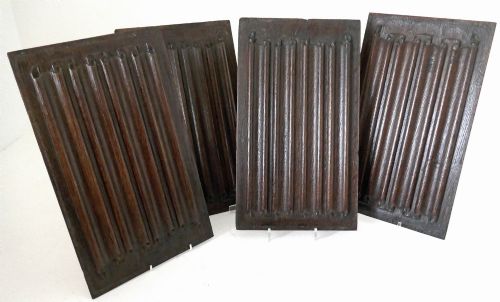
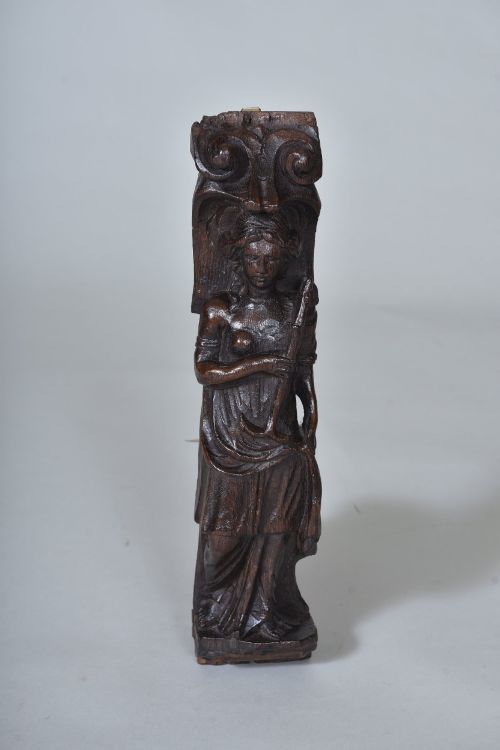
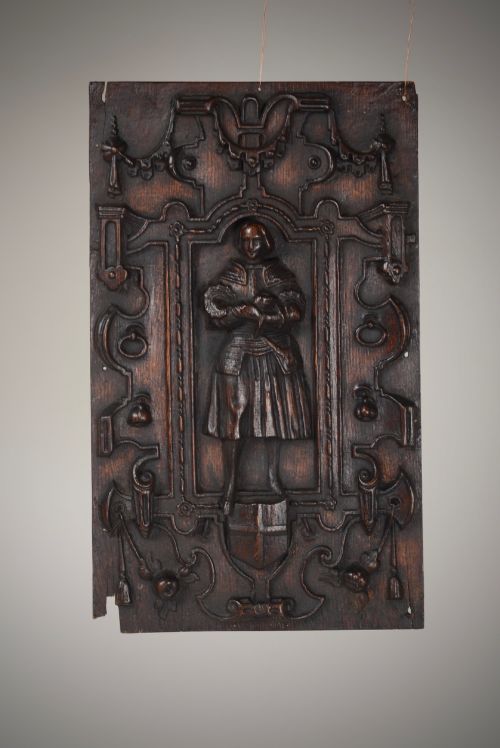
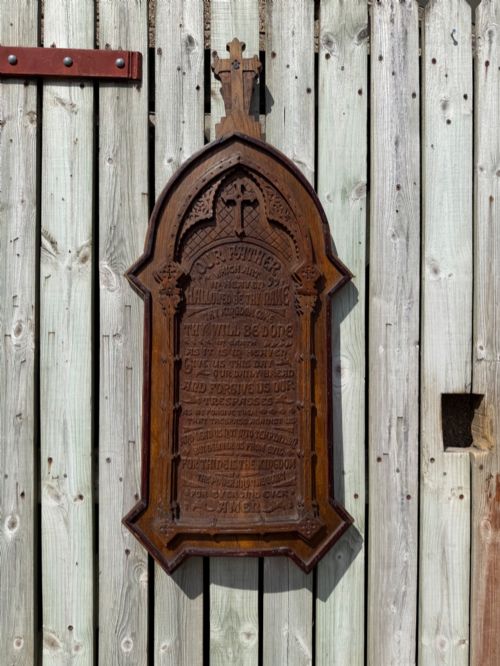
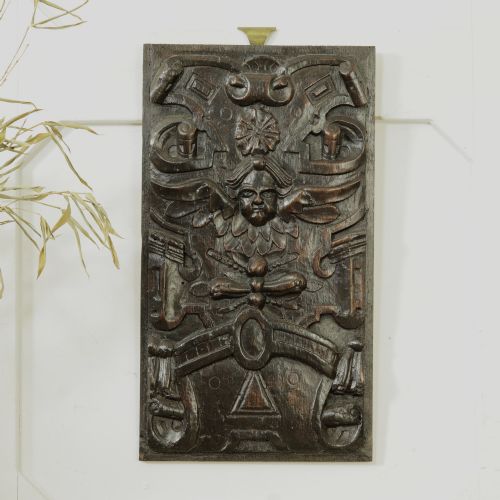
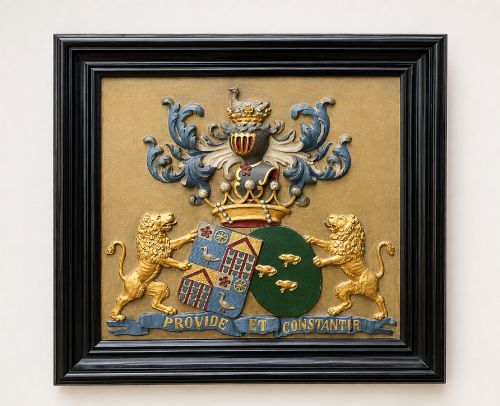
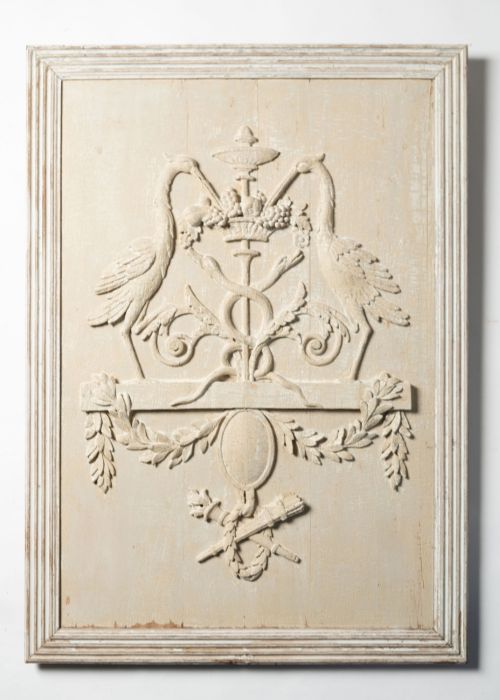
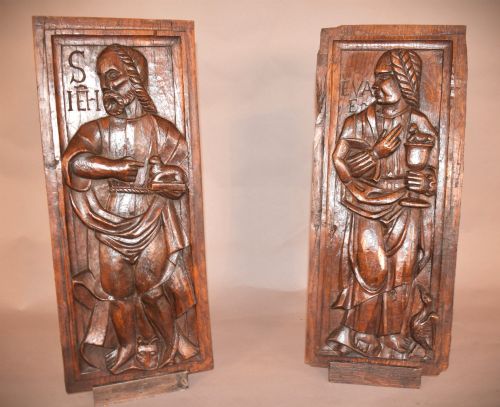
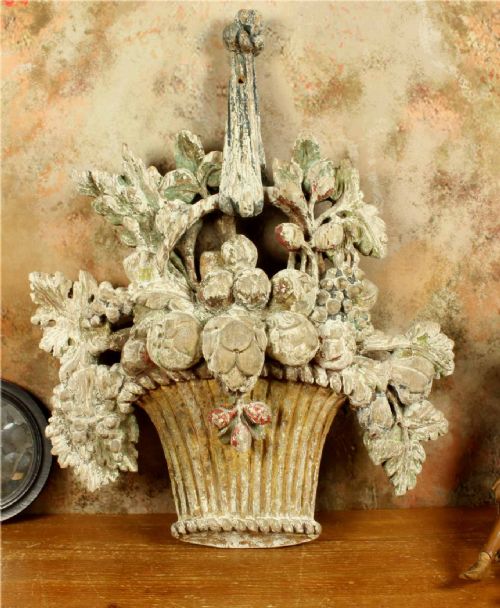
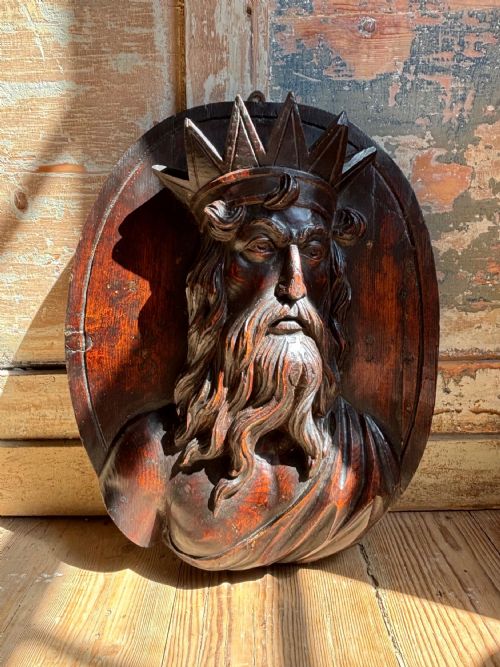
An antique wood relief carving brings three-dimensional ornament into domestic and ecclesiastical spaces through architectural salvage, wall panels, and plaques. These objects take many forms, including linenfold panels, heraldic plaques, figural altarpiece fragments, and floral wall art.
The pieces on this page span from the sixteenth century through the nineteenth century, drawing on Gothic, Tudor, Renaissance, Baroque, and Gothic Revival styles. Oak dominates the early English and European examples, while walnut, chestnut, fruitwood, limewood, and exotic hardwoods appear across later periods.
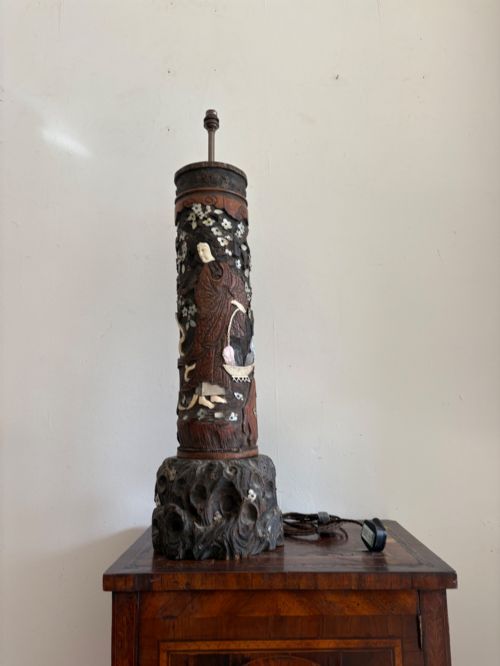
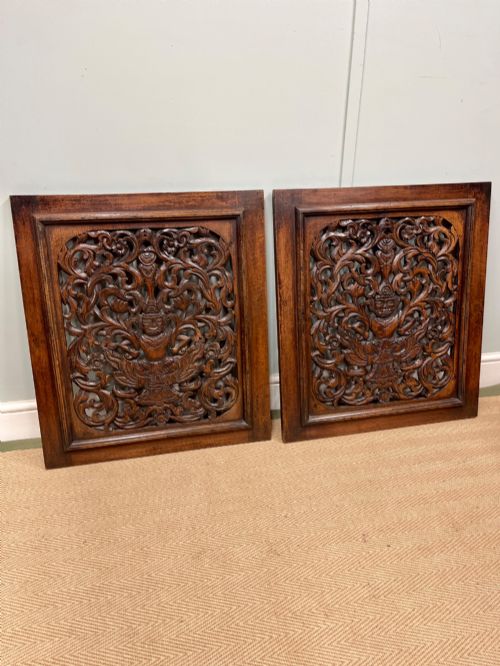
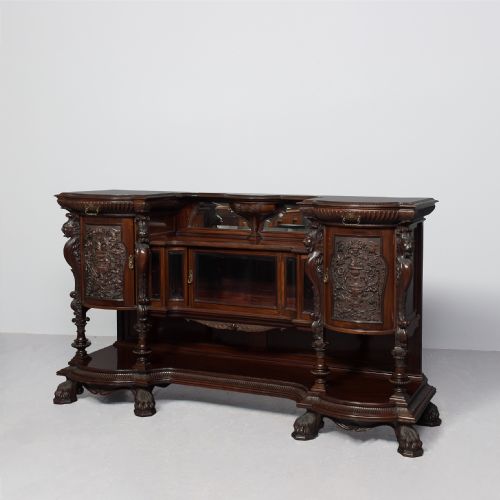
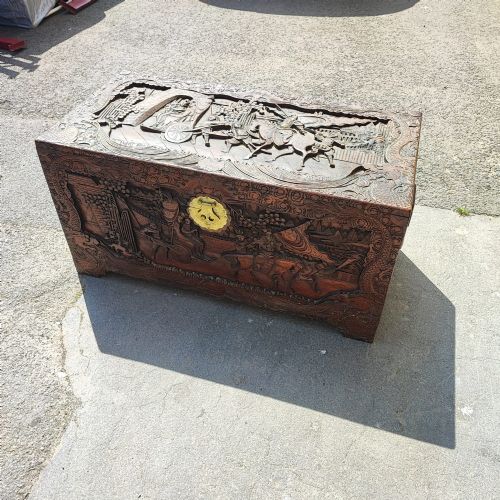
Buyers encounter both British work and continental European pieces, alongside Asian screens, trunks, and temple carvings. Architectural elements repurposed as wall art and mirrors sit alongside standalone sculptures and furniture fragments.
How They Were Made
Carvers worked primarily with native timbers such as oak, walnut, chestnut, and limewood, selecting straight-grained wood to withstand the pressure of deep gouges and chisels. They also utilised imported hardwoods and softwoods depending on the regional tradition and the intended depth of the relief.
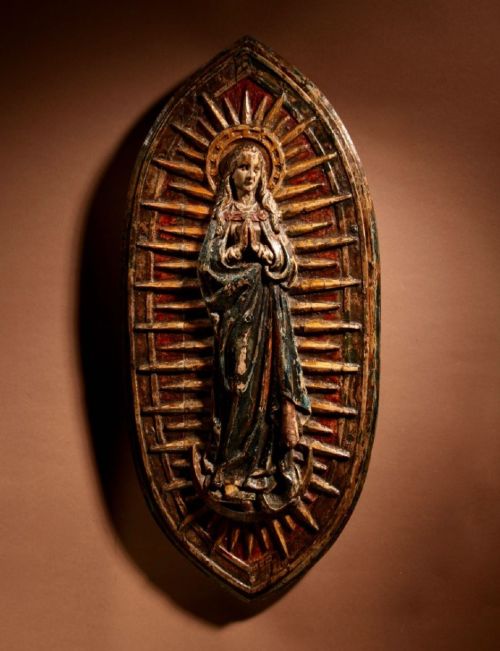
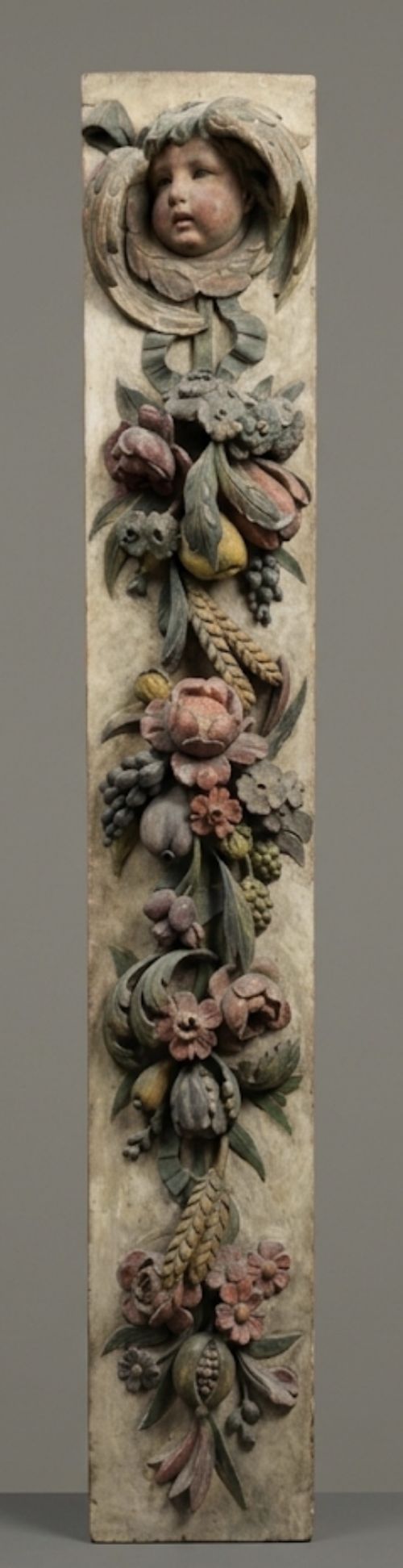
Makers shaped the timber using hand tools, relief techniques, and joinery methods appropriate to the period, sometimes applying gesso, gold leaf, or polychrome paint to the carved surface. Surfaces finished with lacquer or left as bare timber reveal tool marks that record the hand of the maker.
Listings feature oak, walnut, chestnut, limewood, fruitwood, and camphor wood across periods from the sixteenth to the late nineteenth century.
What Varies in Quality
The clarity and depth of the carving separate ambitious sculptural work from routine workshop production. Crisp undercut details, confident facial expressions, and dynamic drapery distinguish master carvers from mechanical reproducers.
The integrity of the timber and the preservation of original surface finishes dictate the standing of a piece. Retained polychromy, untouched patination, and the original ground layer carry more weight than later restorations or stripped surfaces.
The Antique Wood Relief Carving Glossary
- Relief
- Carving that projects from a flat background surface. High relief emerges significantly from the plane, whereas low relief stays flatter.
- Linenfold
- A style of wooden panelling carved to resemble folded vertical linen cloth. It appears frequently on sixteenth-century oak panels.
- Polychrome
- Painted in several colours. This finish adorns medieval and later church carvings and figural panels.
- Gesso
- A plaster mix applied to wood as a smooth base for gilding or paint. It seals the timber grain before decoration.
- Architectural salvage
- Salvaged building fragments repurposed for display. These pieces include overmantles, cart fragments, and church panels.
Antique Wood Relief Carving: Frequently Asked Questions
How should I clean antique wood carvings?
Dust carvings gently with a dry, soft-bristled brush to lift debris from deep recesses without abrading the timber. Avoid wet cloths, household sprays, and abrasive polishes that strip historical patina.
Feed dry timber occasionally with a micro-thin application of pure beeswax applied on a soft cloth. Buff gently after application to maintain the natural sheen of the old finish.
Why do oak panels develop cracks over time?
Timber expands and contracts as ambient humidity and room temperatures fluctuate throughout the year. Older oak panels respond particularly strongly to dry central heating in modern homes.
Keep pieces away from direct heat sources, radiators, and active fireplaces to prevent splitting. Maintaining stable relative humidity preserves the structural integrity of the wood.
How can I tell a sixteenth-century panel from a later copy?
Early panels show hand-hewn tool marks, pegged joinery, and timber shrinkage characteristic of quartersawn oak. Age imparts a deep, dry patination that modern chemical stains fail to replicate accurately.
Examine the reverse side for original adze marks and mounting slots unique to period workshop practices. Consistency between front wear and rear ageing confirms authenticity.