





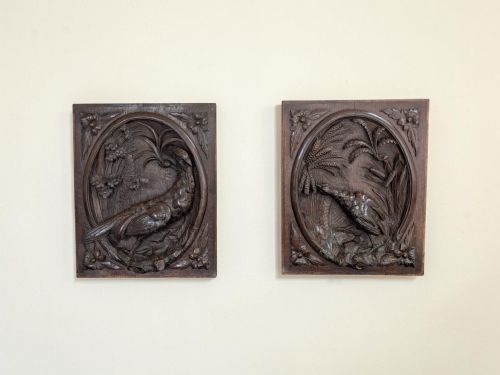

Wooden Relief Wall Decor
Wooden relief wall decor brings architectural depth and hand-carved texture to an interior, offering centuries of regional craftsmanship for display.
Wooden Relief Wall Decor
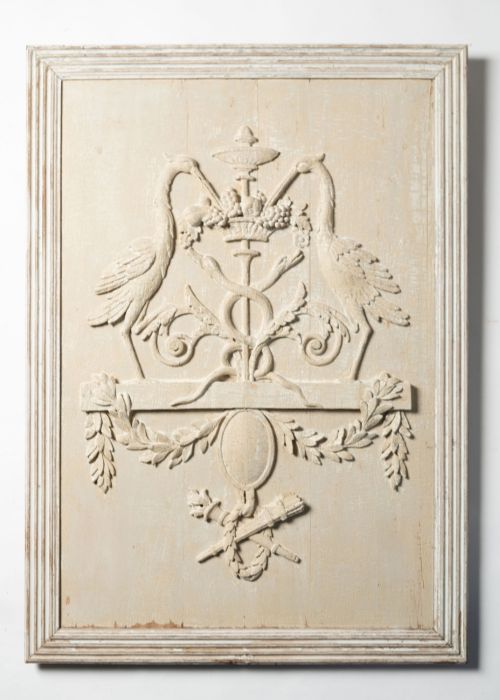
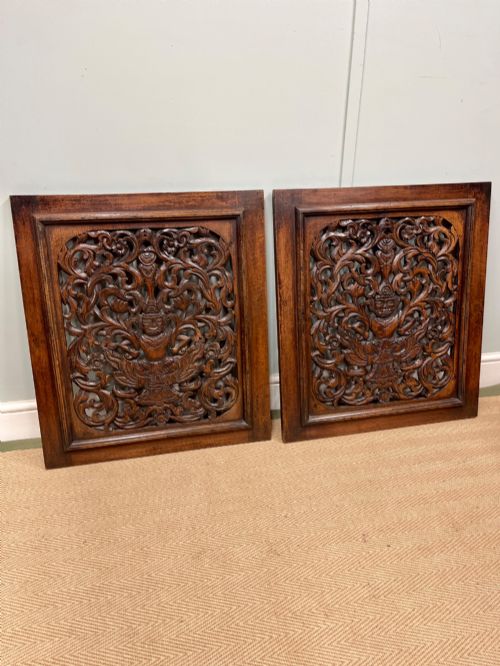
Wooden relief wall decor encompasses carved panels, armorial plaques, architectural salvage, and sculptural masks originating from diverse global traditions. These pieces range from seventeenth-century European oak fragments to nineteenth-century Burmese panels and twentieth-century maritime signs.
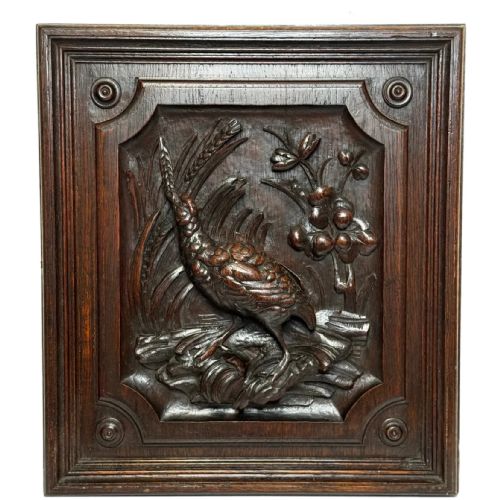
The selections available here lean heavily toward historical European and Asian craftsmanship, featuring French over-door panels, religious shadowboxes, and intricately carved foliage. Buyers frequently encounter oak, mahogany, and painted wood fashioned into distinct regional styles from the seventeenth century onward.
Form follows function across these wall sculptures and plaques, as many items began as architectural elements or devotional objects before finding new life as wall art. The assortment includes everything from ecclesiastical Gothic carvings of angels to jigsaw woodwork relief paintings and armorial crests.
Materials and construction methods
Makers utilised dense timbers such as oak, mahogany, and assorted hardwoods to ensure stability and allow for deep, intricate carving. These natural materials were often shaped using hand chisels and gouges to create high and low relief effects across panels, plaques, and masks.
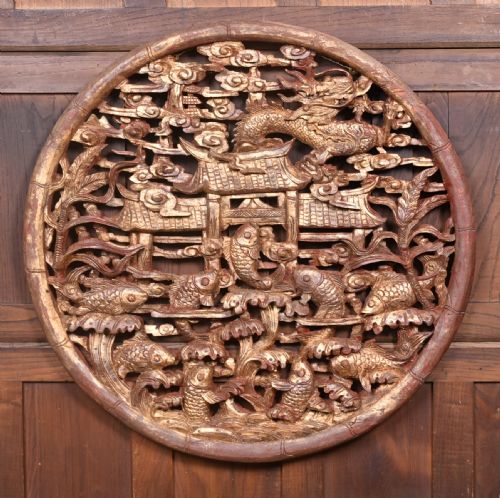
Surface treatments vary significantly, incorporating exposed grain, applied gesso, and historic layers of paint. Some pieces display pierced carving techniques, where the wood is cut entirely through to create dramatic shadows against the wall behind.
Current listings feature materials including oak, mahogany, painted wood, gesso, and metal across periods spanning the seventeenth to the twentieth century.
Assessing quality and execution
The standard of a piece rests primarily on the depth and clarity of the carver's hand, where confident, fluid tool marks distinguish master execution from routine production. Crisp undercut details in acanthus leaves or figurative elements show a superior command of the medium.
The integrity of the timber and the preservation of original surfaces also dictate the standing of an item. Pieces retaining early paint, genuine patination, or structural wholeness despite their age hold greater visual and historical coherence.
The Wooden Relief Wall Decor Glossary
- Relief
- A sculptural technique where elements remain attached to a solid background of the same material. High relief projects significantly from the plane, while low relief sits flatter.
- Acanthus
- A carved ornamentation mimicking the foliage of the Mediterranean acanthus plant, frequently seen scrolling across classical and baroque wooden panels.
- Architectural salvage
- Building elements rescued from structures slated for alteration or demolition. These items often find new purpose as decorative wall panels or plaques.
- Polychrome
- The practice of decorating architectural elements or sculptures in multiple colours. Historic painted wood often retains traces of these original pigments.
- Pierced carving
- A technique where the carver cuts entirely through the timber to create openwork designs. This method produces intricate negative space within panels and friezes.
Wooden Relief Wall Decor: Frequently Asked Questions
How do I hang heavy wooden wall reliefs safely?
Heavy carved panels and solid oak plaques require robust wall anchors and weight-rated fixings secured directly into studs or masonry.
Professional mirror plates or hidden French cleats provide the necessary stability to support dense hardwoods safely without straining the historic wood.
What periods do these wall carvings span?
The available selection reaches from the seventeenth century through the Victorian era up to early twentieth-century maritime and folk art pieces.
Earlier examples typically feature deep ecclesiastical or baroque oak carving, while later pieces showcase diverse global influences including Islamic calligraphy and Burmese panels.
How should I clean antique carved wood?
Dust carved wooden reliefs gently with a dry, soft-bristled brush to lift debris from deep recesses without disturbing the historic surface.
Avoid water, chemical cleaners, or modern polishes, which can strip away original patination and damage fragile historic finishes or paint.
Can I display these pieces in a modern interior?
Historic wood reliefs provide a striking tactile contrast against minimalist or contemporary plaster walls.
Their natural grain, age-related patination, and sculptural depth anchor modern spaces by introducing warmth and centuries of human craftsmanship.