





Antique Rustic Wall Plaque
An antique rustic wall plaque brings textural history indoors, spanning hand-painted signs, carved wood panels and cast iron architectural salvage.
Antique Rustic Wall Plaque
When you search for an antique rustic wall plaque, you encounter a diverse gathering of architectural salvage, wall sculptures and functional objects designed for display. These pieces originate from various eras, stretching from the eighteenth century through the Edwardian period and into the nineteen-thirties.
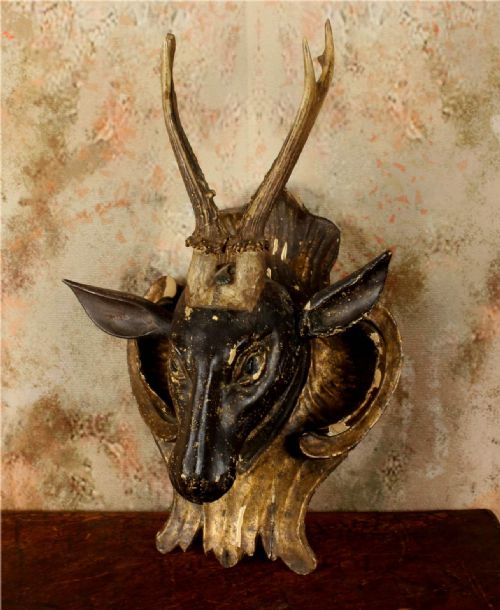
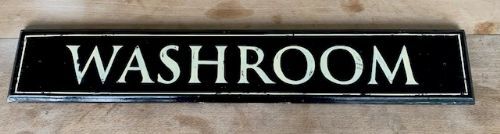
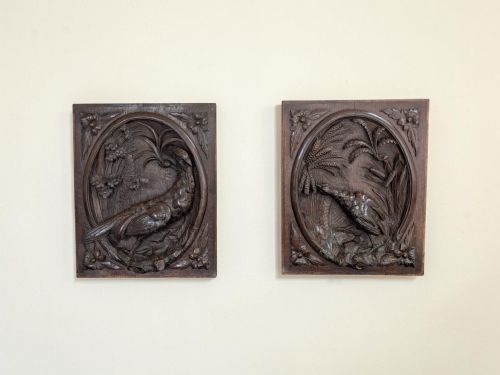
The selections available here lean heavily into utilitarian origins, featuring painted pine display signs, cast iron railway notices and hotel reception key boards. Alongside these commercial survivals appear folk art carvings, such as carved wood deer heads and oak panels depicting narrative scenes.
Domestic and vernacular traditions merge within this category, encompassing French country elements, highland hunting lodge items and traditional British woodwork. Buyers select these items to anchor a room with genuine age and tactile surface interest.
Materials and construction methods
Wood serves as a primary medium across the selection, utilising solid oak, pine and carved timber panels shaped by hand tools. Artisans applied hand-painted finishes directly onto timber substrates for signage, creating layers that weather over decades.
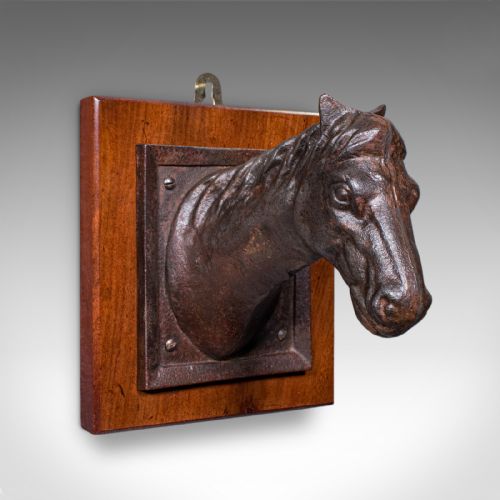
Metalwork forms another substantial category, employing cast iron and sheet metal shaped through founding and cutting techniques. Examples incorporate parcel gilt details, painted surfaces and heavy iron brackets intended for structural or utilitarian endurance.
Organic materials also define specific wall pieces, integrating genuine antler with taxidermy mounts and mounted horse busts. These combinations reflect traditional hunting lodge aesthetics and equestrian culture preserved through careful mounting.
The listings on this site combine nineteen-century pieces with eighteenth-century woodwork, utilising oak, pine, cast iron, and natural antler.
Factors determining quality
The integrity of the original surface finish dictates much of the visual success in these pieces, particularly on painted signs and carved wood panels. Natural patination accumulated through long utility separates compelling examples from later restorations.
Depth of craftsmanship distinguishes simple utilitarian items from masterworks of folk art, visible in the confident chisel marks of an eighteenth-century panel or the balanced proportions of a sheet metal horse. Structural soundness in iron castings and timber joints ensures the piece survives future hanging.
The Antique Rustic Wall Plaque Glossary
- Architectural salvage
- Building elements rescued from older structures for decorative reuse. These components range from cast iron balustrade panels to carved timber doors.
- Folk art
- Utilitarian or decorative objects created by self-taught makers working within regional traditions. These items prioritize expressive character over academic polish.
- Parcel gilt
- A surface treatment where specific carved or raised details receive a partial application of gold leaf. This technique highlights particular motifs against a painted or dark wood ground.
- Taxidermy mount
- The preserved skin of an animal fitted over a sculptural form for display. Antler trophies and deer heads are common manifestations within lodge aesthetics.
- Cast iron
- An iron-carbon alloy poured into moulds to create rigid components. Railway signs and decorative panels utilise this method for crisp lettering and durable relief work.
Antique Rustic Wall Plaque: Frequently Asked Questions
How do I hang a heavy iron sign safely?
Heavy cast iron pieces require direct anchoring into wall studs or appropriate masonry fixings to support their substantial weight securely. Utilising rated brackets prevents shifting over time.
Distributing the load across multiple fixing points ensures the wall structure remains undamaged while displaying the plaque safely at eye level.
Are painted wooden signs suitable for outdoor display?
Most antique painted wooden signs were created for interior commercial or domestic environments and lack modern weatherproofing treatments. Exposure to moisture degrades historic pigments and causes timber to warp.
Keeping these pieces inside preserves the original paint layers and prevents structural degradation caused by temperature fluctuations.
How should I clean a carved wooden panel?
Dusting the surface gently with a soft, dry brush removes surface particles without disturbing fragile patinated finishes or dry paint. Avoid harsh chemical cleaners or excessive water.
Applying microcrystalline wax occasionally can nourish dry historic oak or pine if the wood appears parched, following the manufacturer guidance carefully.
What distinguishes Edwardian plaques from earlier pieces?
Edwardian items often reflect early twentieth-century commercial expansion, featuring crisp typography on railway notices and hotel key boards. They display machine-assisted precision alongside traditional handcraft.
Eighteenth and early nineteenth-century examples tend to show heavier hand-carving and vernacular irregularities stemming from manual tool use and older regional styles.