

Antique Wood Plant Stand
An antique wood plant stand lifts botanical displays into the room, bringing the craftsmanship of past centuries to domestic corners.
Antique Wood Plant Stand
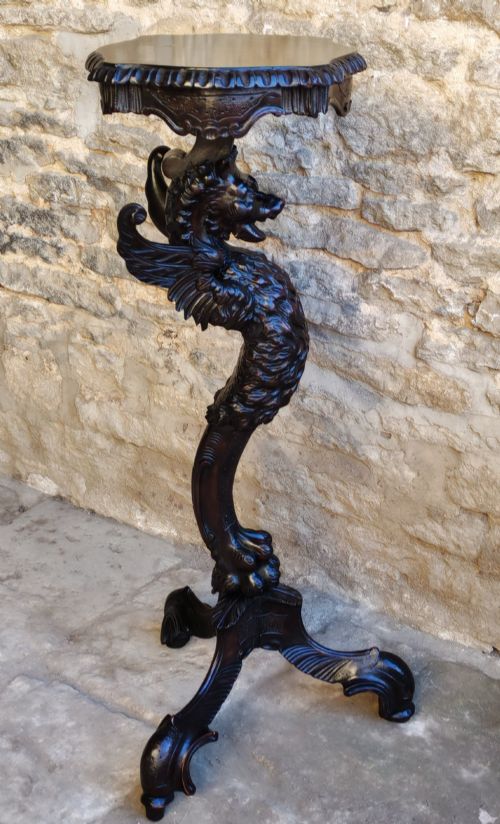
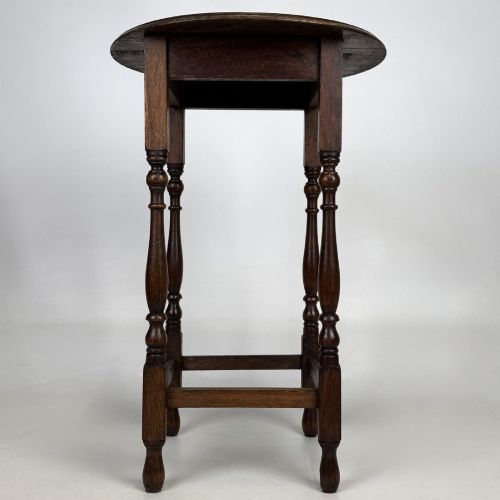
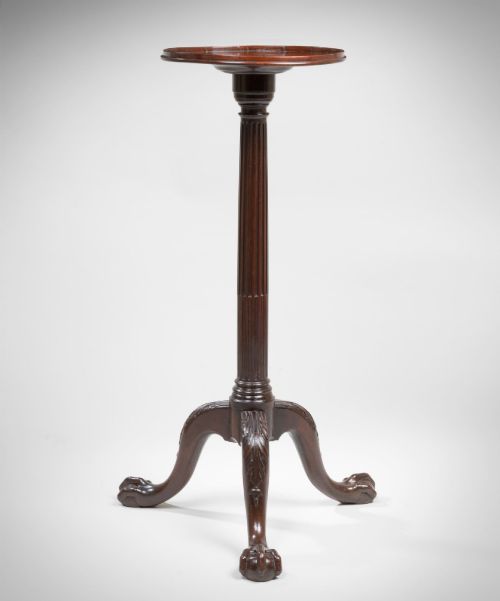
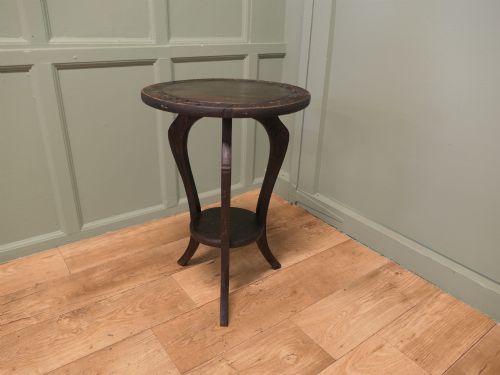
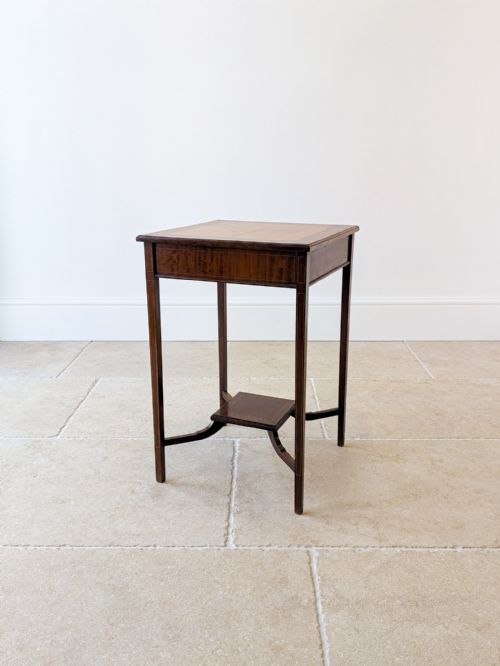
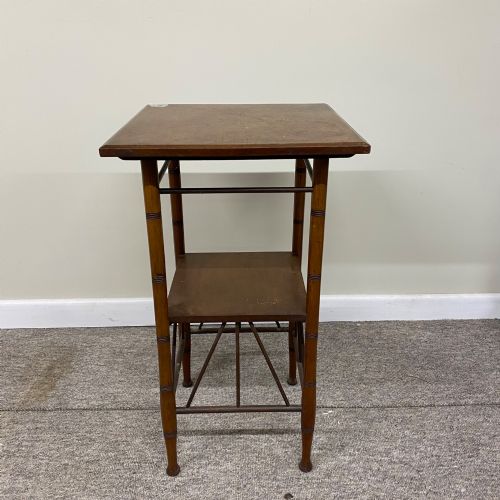
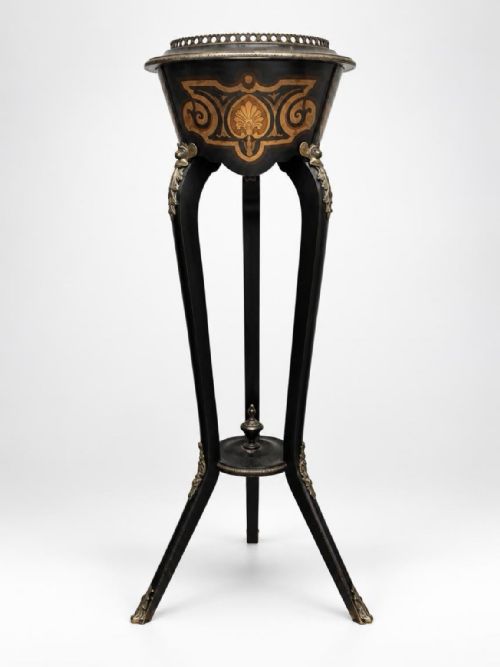
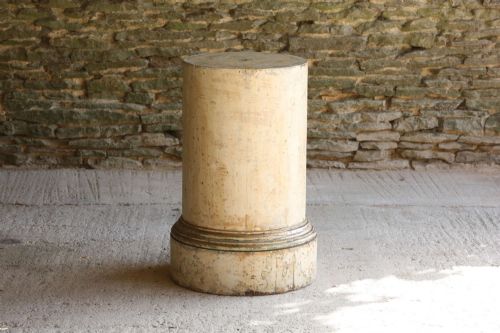
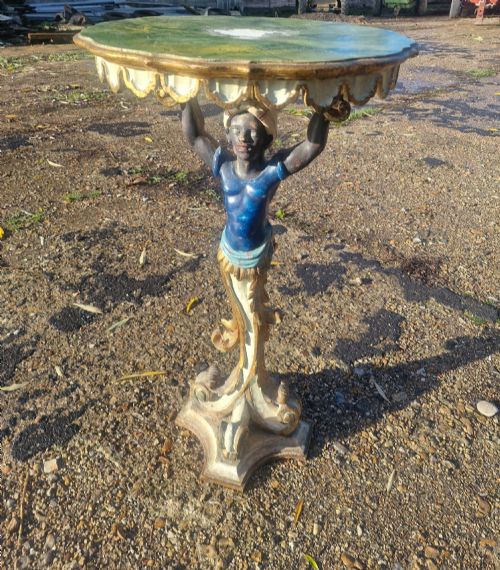
An antique wood plant stand functions as an elevated platform for horticulture, decorative urns, and sculptural pieces within a room. When searching this phrase, buyers encounter forms ranging from slender torchères and column pedestals to low tables and occasional pieces.
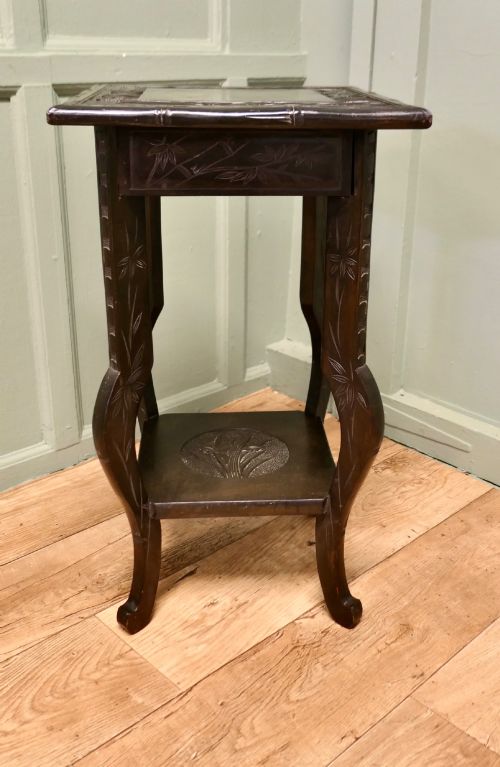
The selections span distinct periods, drawing heavily from Edwardian and Victorian workshops alongside nineteenth-century global traditions. Common structural formats include tripod bases, square low tables, and carved columns designed to hold weight securely.
Origins stretch from British domestic cabinetmakers to Chinese rosewood studios and Anglo-Indian workshops. Pieces often overlap functionally with side tables, wine tables, and lamp tables depending on top dimensions and height.
Materials and construction
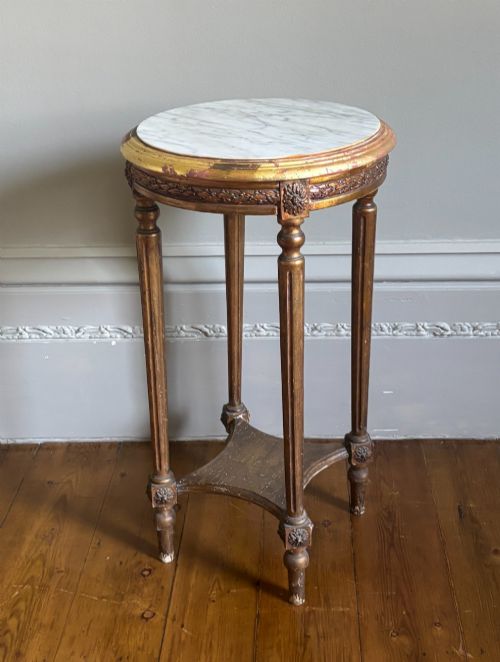
Cabinetmakers utilised dense timbers including mahogany, walnut, oak, satinwood, and rosewood to ensure stability under heavy pots. Hardwoods frequently met exotic accents such as burr wood panels, marble inserts, and gilded brass mounts.
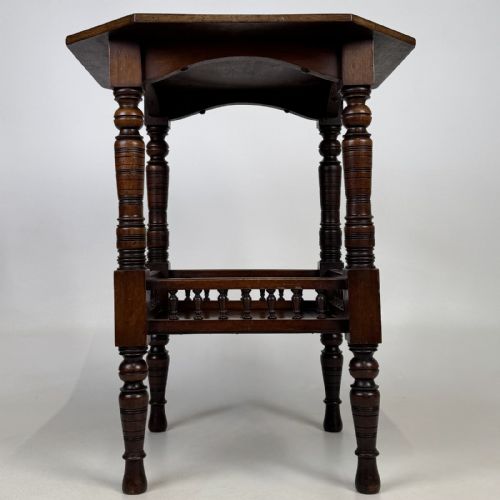
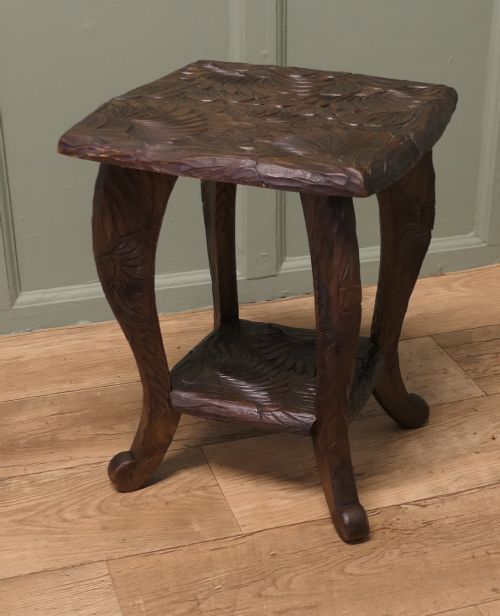
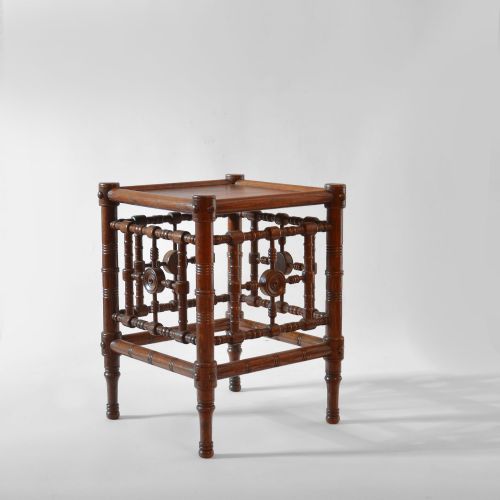
Construction techniques combined traditional joinery with decorative surface work like chip carving, figural carving, and geometric inlay. Ebonised finishes, turned wooden elements, and barley twist shafts appear regularly across the period examples.
Antique Wood Plant Stand Retail Price Guide 2026
Typical asking prices for wood plant stand among the pieces listed under this phrase on Sellingantiques today, from the lower quarter to the upper quarter. They describe what is for sale here now, not the wider market.
Listings feature woods spanning mahogany, oak, walnut, satinwood, and rosewood, alongside marble and brass elements from the Victorian and Edwardian eras.
Quality variations
The standard of carving and timber selection dictates the distinction between standard production items and exceptional works. Crisp detailing in figural elements or integrated marble tops separates finer creations from simpler turned utility stands.
Structural integrity relies on the precision of the joints where the shaft meets the base and platform. Refined proportions and balanced weight distribution mark the pieces produced by skilled workshops.
Trevor Page & Co
The Antique Wood Plant Stand Glossary
- Torchère
- A tall, slender stand designed to hold a light source or an ornamental plant. These pieces typically feature narrow shafts supported by tripod legs.
- Jardinière
- A decorative receptacle or stand intended for holding plants and flowers. They frequently incorporate waterproof inserts or protective marble tops.
- Pedestal
- A free-standing vertical support column used to elevate sculpture, urns, or botanical specimens. They appear in circular and square profiles across various wood types.
- Inlay
- A technique where contrasting materials are inserted into depressions within the wood base to create decorative patterns. Edwardian examples often employ fine linear stringing.
- Ebonised
- Wood treated with a chemical or pigment finish to imitate the appearance of ebony. This dark surface treatment gained popularity during the late nineteenth century.
Antique Wood Plant Stand: Frequently Asked Questions
What is an antique wood plant stand used for?
These stands serve primarily to elevate potted plants, ferns, and decorative urns off the floor to improve sightlines within a room. They also function successfully as small side tables or lamp supports in compact spaces.
Their sturdy timber construction allows them to bear the weight of heavy ceramic planters while adding architectural interest to empty corners.
How do I identify an Edwardian plant stand?
Edwardian examples typically feature lighter woods such as satinwood or mahogany, often enhanced with delicate floral inlay or stringing. The silhouettes tend to be slender and refined compared to heavier Victorian counterparts.
Turned legs, spade feet, and satin finishes characterise the output of this period dating from the early twentieth century.
Can these stands support heavy ceramic pots?
Solid hardwood construction in species like oak, mahogany, and rosewood provides the structural strength needed for substantial planters. The tripod base or four-legged framing distributes the weight evenly to maintain balance.
Checking the stability of the central column and leg joints ensures the piece handles vertical loads safely.
How do I protect the wood from water damage?
Placing a waterproof saucer or protective liner beneath the plant pot prevents moisture from reaching the antique wooden surface. Many period stands originally featured marble inserts specifically to handle water spills safely.
Promptly wiping away condensation preserves the original polish and prevents timber staining over time.