



Antique Wood Panel
An antique wood panel brings centuries of carved detail and painted canvas into a room, offering tactile history for collectors of early furniture and fine art.
Antique Wood Panel
When you search for an antique wood panel, you encounter architectural elements, furniture components and artist supports spanning from the sixteenth century through the early twentieth century.
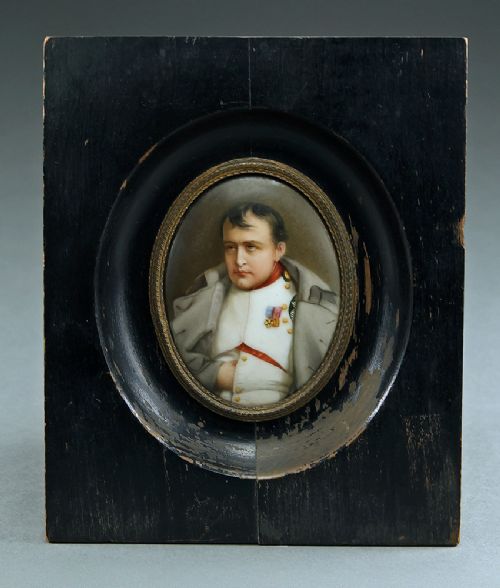
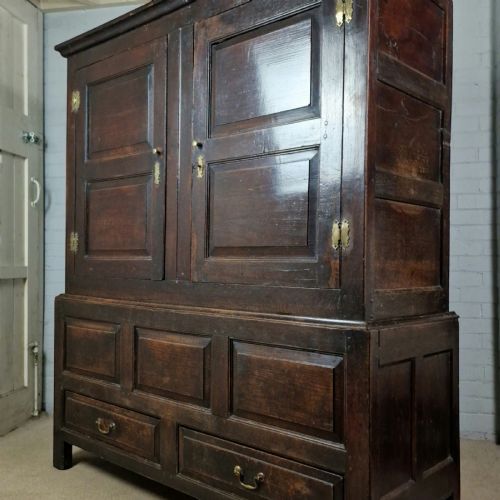
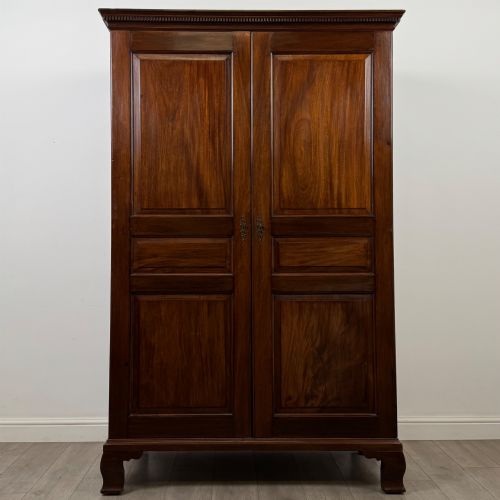
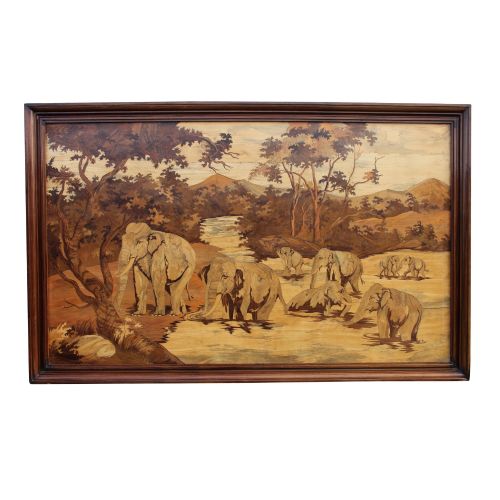
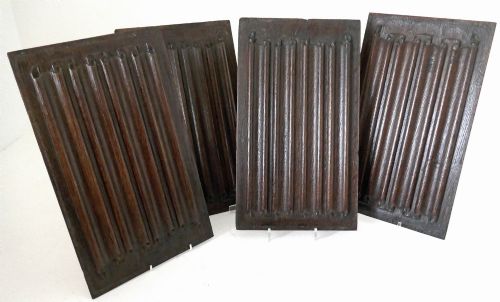
The selections on this page range from medieval church fragments and linenfold coffer panels to oil paintings executed directly on wood supports and decorative screen inserts.
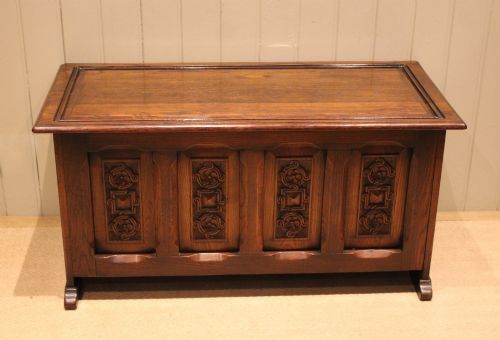
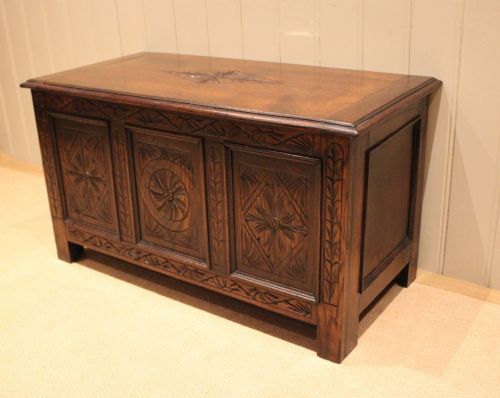
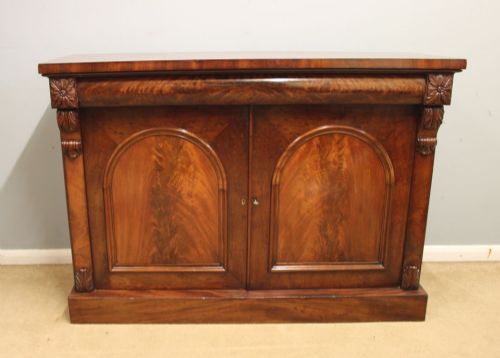
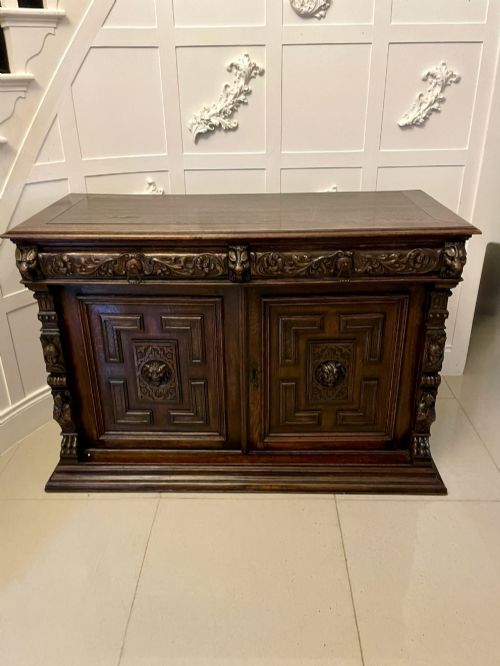
Early examples display heavy oak carving from the Tudor and Jacobean periods, while later pieces include nineteenth-century landscapes and portraits on mahogany or hardwood panels.
How they were made
Makers utilised solid timbers such as oak, mahogany, beech and pine, shaping panels with hand tools for architectural integration or furniture construction.
Carved pieces display deep relief work executed with chisels and gouges, while painted panels utilise prepared wooden boards as a rigid ground for oil pigments.
Listings feature hardwood panels and painted supports spanning from the 16th century through the Edwardian era.
What varies in quality
The depth and crispness of the chisel work distinguish superior carved pieces from simpler utilitarian boards, reflecting the hand of a skilled artisan.
On painted examples, the precision of the brushwork and the stability of the wooden support determine the overall standard of the surviving artwork.
Joseph Clover RA·Tom Campbell·W Klombeck·William Howard Hardy·Norris London·Francesco Gioli·Benjamin Barker of Bath·George Vicat Cole·William E Tindall·William Manners·James D Harding·Kershaw Schofield·Fred Cecil Jones·Margaret Fisher Prout·Arthur Bowmar Porter
The Antique Wood Panel Glossary
- Linenfold
- A style of relief carving popular in the sixteenth century that mimics folded fabric. This decorative motif frequently adorns the panels of early coffers and storage chests.
- Oil on panel
- A technique where artists paint directly onto a prepared wooden support rather than canvas. This method provides a rigid and durable surface found in numerous historical landscape and portrait works.
- Coffer
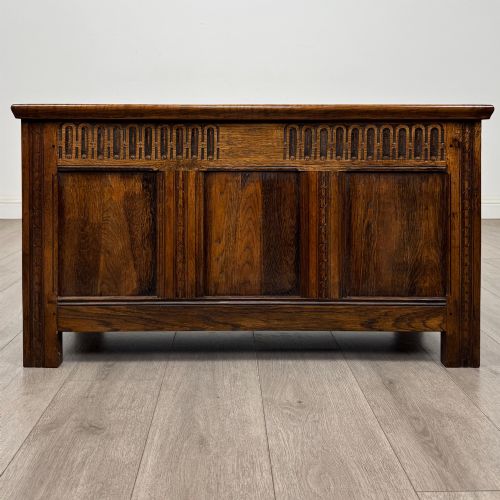
- A large wooden storage chest constructed with sturdy panels. These pieces often feature extensive carving and date back to the seventeenth century or earlier.
- Trumeau
- A decorative architectural wall mirror incorporating an oil painting above the glass plate. These French furnishings typically feature painted pastoral scenes set within carved wooden frames.
- Shibayama
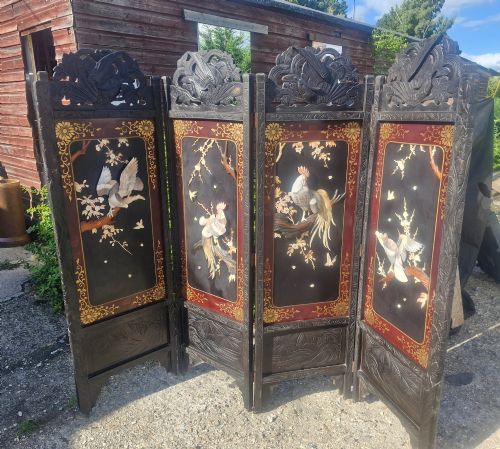
- A meticulous decorative technique involving inlaid mother-of-pearl, bone and ivory on a wooden base. Such work appears on fine nineteenth-century Japanese screens and table articles.
Antique Wood Panel: Frequently Asked Questions
How are antique wood panels cleaned?
Dust surfaces gently with a dry, soft cloth to prevent accumulation. Avoid harsh chemical cleaners that strip historical finishes.
Feed dry timber occasionally with appropriate beeswax polish, applying sparingly and buffing to a soft sheen.
Where were wood panels placed originally?
Architectural panels formed part of interior wall wainscoting or overmantels in grand period houses. Smaller carved examples originated as cupboard doors or altarpiece components.
Framed panel paintings hung as portable fine art within domestic interiors or institutional collections.
Can I hang a heavy carved panel on the wall?
Ensure your wall construction supports the substantial weight of dense hardwoods like oak. Professional fixing brackets attached to solid structural points provide secure installation.
Consult a specialist framer or carpenter to assess the weight distribution before mounting historical timber.
How do I identify sixteenth-century carvings?
Examine the timber for the characteristic dense grain and dark patina associated with early English oak. Look for tool marks left by hand chisels rather than mechanical saws.
Compare motifs such as linenfold designs or medieval religious iconography with documented examples from the period.