

Antique Wood Drawers
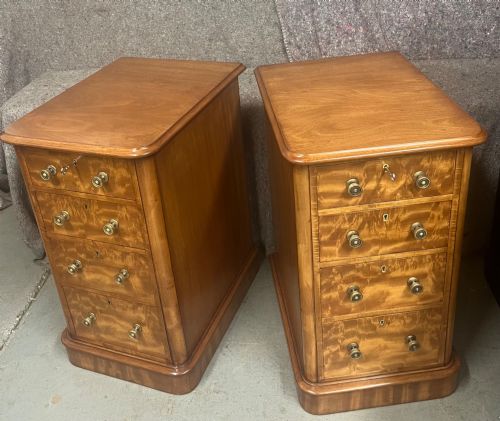
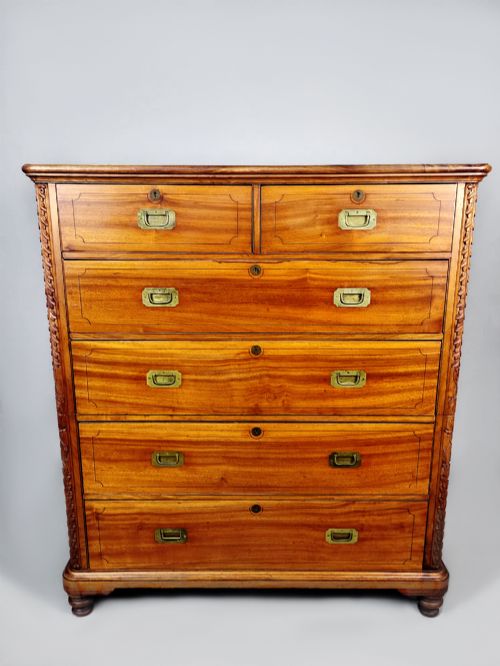
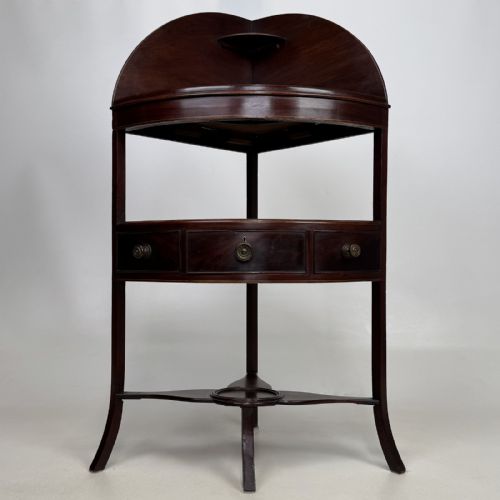
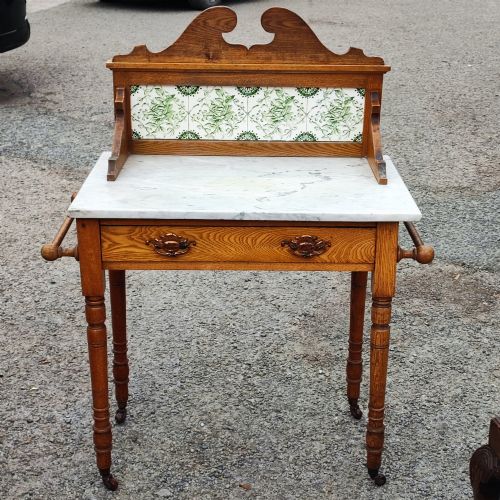
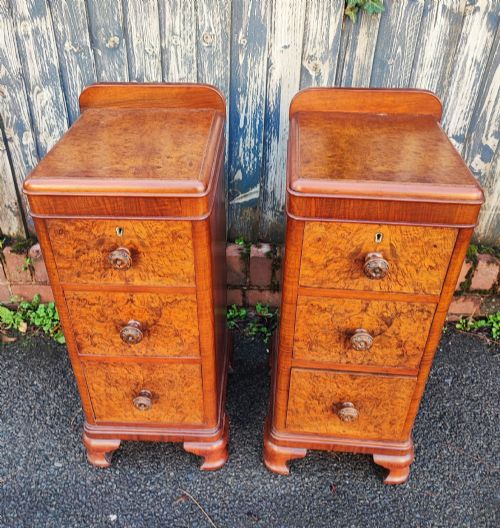
Antique wood drawers bring centuries of practical storage into a room, offering everything from tall chests to compact bedside cabinets.
Antique Wood Drawers
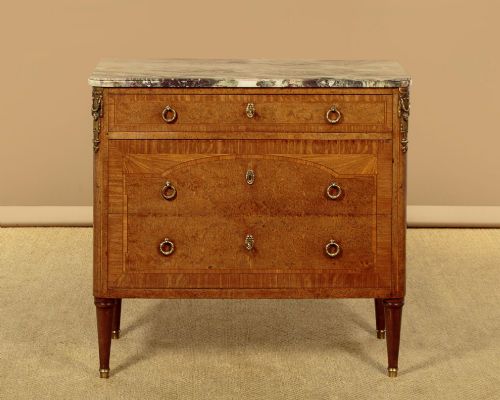
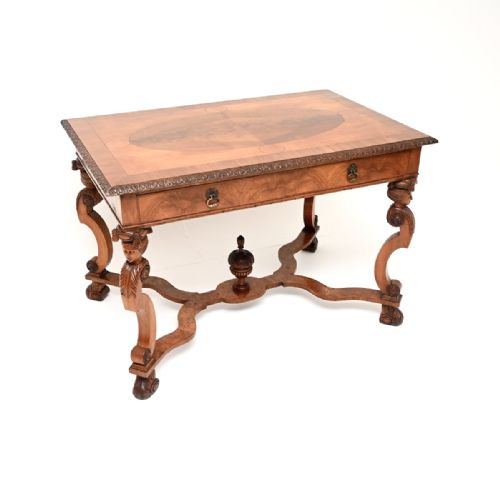
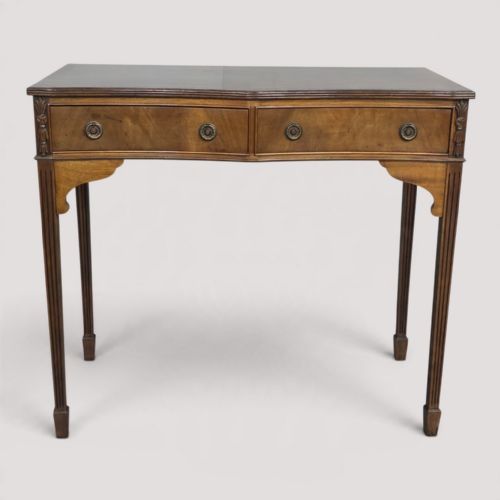
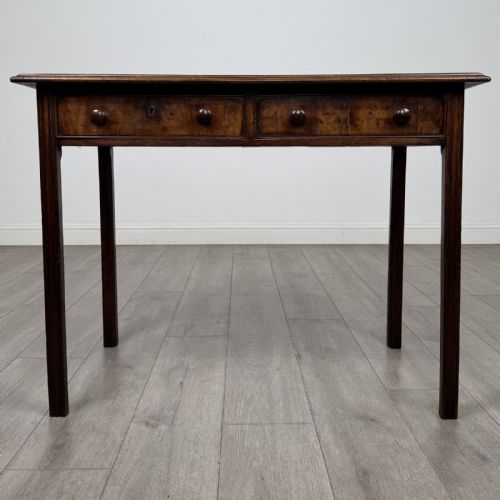
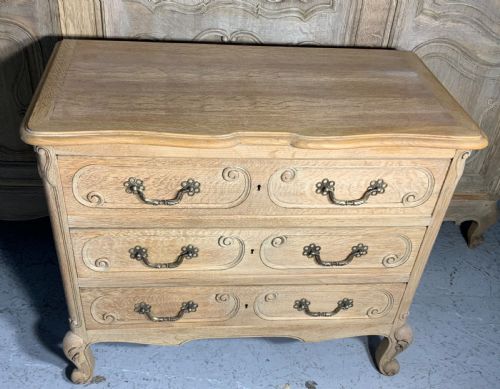
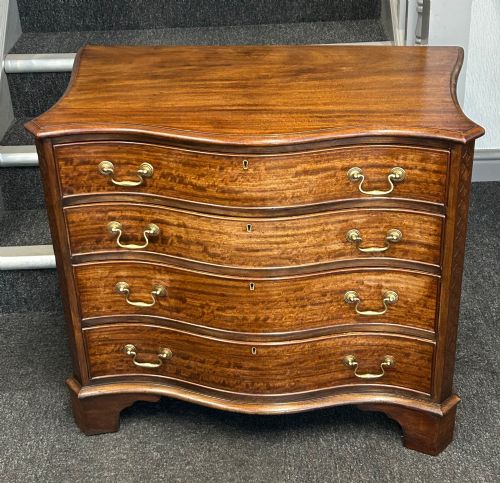
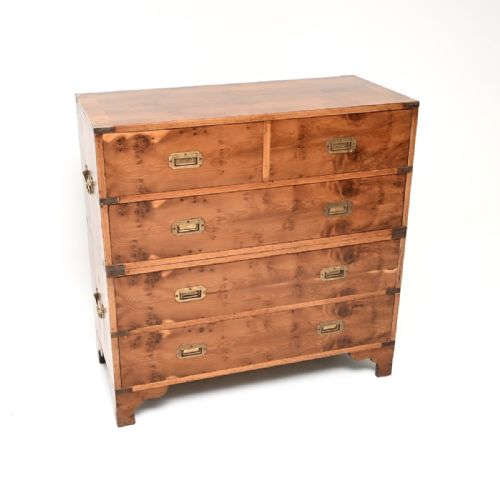
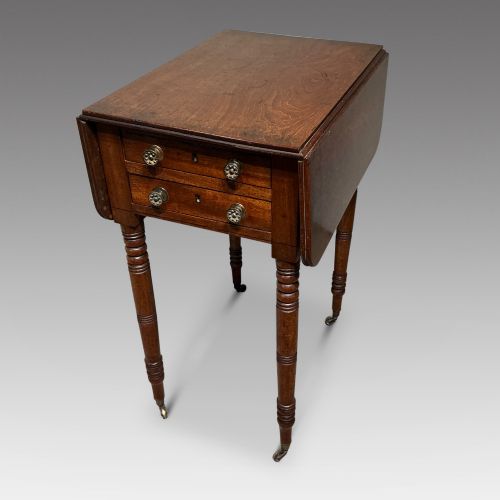
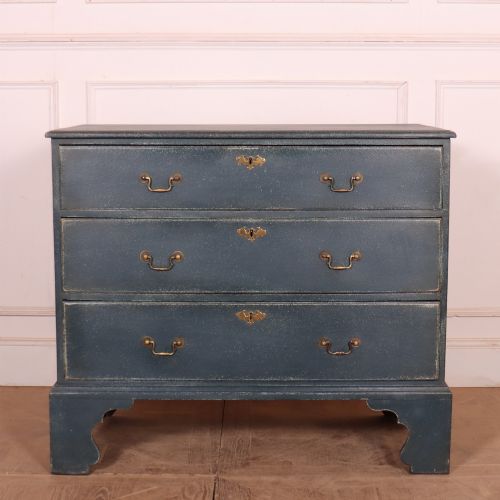
When you search for antique wood drawers, you encounter a wide variety of storage furniture spanning the eighteenth, nineteenth, and early twentieth centuries. The pieces range from large Georgian chests on chest to modest Edwardian side tables and bedside cabinets fitted with functional compartments.
Mahogany and oak dominate the selection, often accompanied by walnut, satinwood, and pine. You will frequently find classic chest of drawers forms alongside specialised pieces like bookcases, writing desks, and commodes.
Originating from English, Scottish, and continental workshops, these items reflect diverse regional cabinetry traditions. The forms serve both utilitarian needs and decorative roles within a home.
How they were made
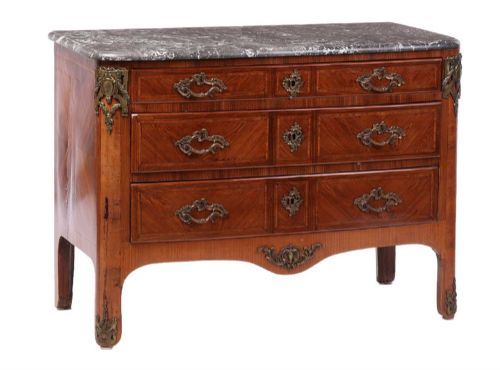
Cabinet makers utilised dense hardwoods like mahogany, oak, and walnut, frequently applying veneers such as flame mahogany or burr walnut to create striking grain patterns. Satinwood banding and marquetry inlay added decorative contrast to drawer fronts and tabletops.
Structural integrity relied on traditional joinery, while metalwork hardware such as brass drop handles and pierced brass backplates secured the function of each drawer. Secondary timbers like pine often formed the internal drawer linings and carcases.
Antique Wood Drawers Retail Price Guide 2026
Typical asking prices for wood drawers among the pieces listed under this phrase on Sellingantiques today, from the lower quarter to the upper quarter. They describe what is for sale here now, not the wider market.
Forms range from towering chests on chest and compact bedside cabinets to side tables and glazed bookcases.
What varies in quality
The degree of refinement in timber selection and veneer matching defines the upper tier of these pieces. Figured grains, consistent colour, and meticulous placement of inlay demonstrate superior craftsmanship.
Originality of hardware and internal construction integrity distinguish better examples. Smooth drawer operation and intact secondary timbers reflect the skill of the original workshop.
Whytock & Reid·T & G Seddon·Maple & Co.
The Antique Wood Drawers Glossary
- Bow front
- A convex curved cabinet front that swells outward in the centre. This shape gained popularity during the Georgian and Regency periods.
- Chest on chest
- A tall storage unit comprising one chest stacked directly on top of a larger base chest. It provides substantial vertical capacity.
- Brushing slide
- A pull-out shelf integrated into the furniture facade above the drawers. It served as a temporary writing or dressing surface.
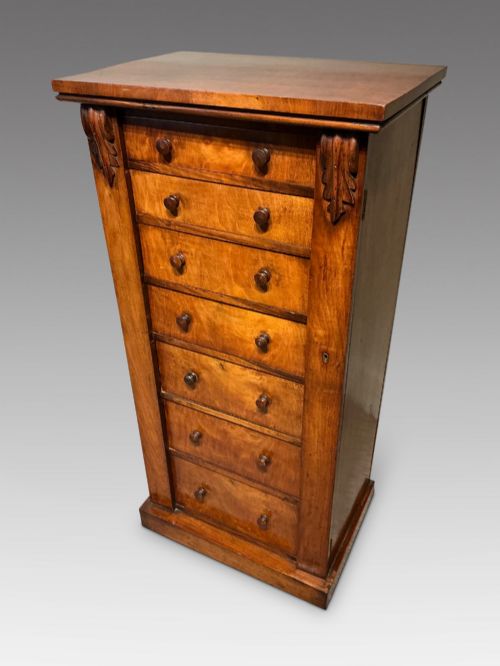
- Wellington chest
- A tall, narrow chest of seven drawers secured by a hinged locking side pilaster. This form typically dates from the nineteenth century.
- Marquetry
- Decorative patterns formed by fitting together thin pieces of wood veneer. It creates elaborate pictorial or geometric designs on cabinet surfaces.
Antique Wood Drawers: Frequently Asked Questions
How do I date an old chest?
Examine the timber species, construction methods, and hardware styles. Eighteenth-century pieces often feature oak linings and hand-cut dovetails, while later nineteenth-century items introduce machine-sawn elements.
Hardware placement and lock mechanisms also offer chronological clues. Original brasses and backplates help confirm the period of manufacture.
What is a brushing slide used for?
A brushing slide functions as an auxiliary shelf pulled out from the upper section of a chest. Historically, it provided a convenient surface for grooming or sorting items without opening a main drawer.
Many Georgian chests incorporate this feature beneath the top surface. It slides away flush when not in use.
Are these pieces suitable for daily use?
These items were built for everyday storage and remain robust when treated with care. Solid hardwood construction ensures structural stability across generations of domestic service.
Keeping them away from direct heat sources and excessive moisture protects the timber and finish. Drawer interiors slide smoothly if kept clean and lightly waxed.
How do I care for antique wood?
Maintain the finish by dusting regularly with a soft, dry cloth. Avoid silicone-based polishes and instead use traditional beeswax to nourish the timber surface periodically.
Protect the top surfaces from water rings by using coasters or mats. Stable room humidity prevents the wood from drying out or splitting.