


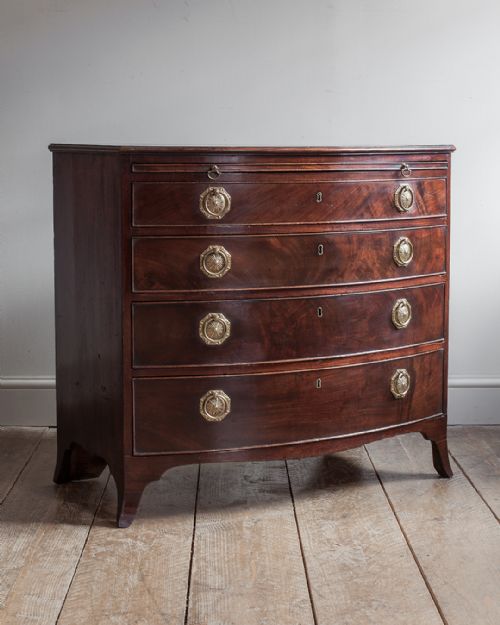
Antique Wood Commode
An antique wood commode offers generous bedroom storage with the distinct character of eighteenth- or nineteenth-century cabinet work.
Defining the antique wood commode
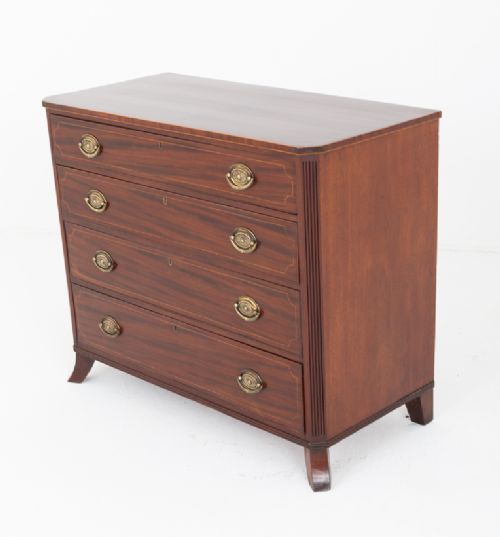
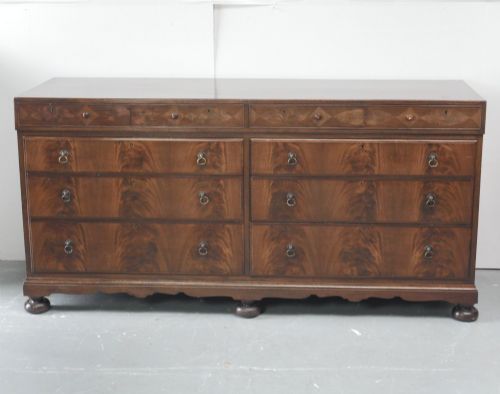
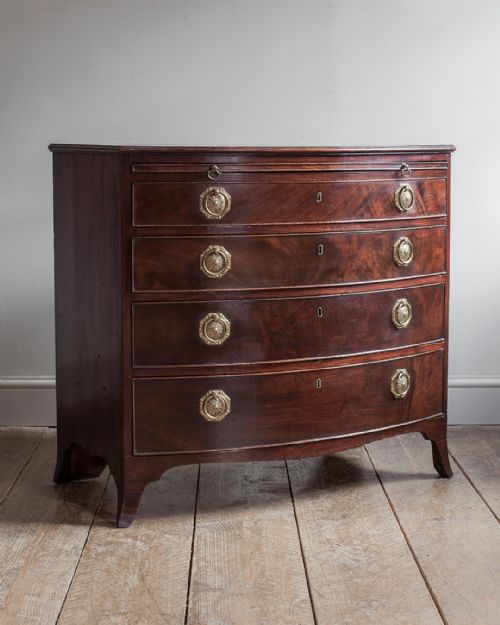
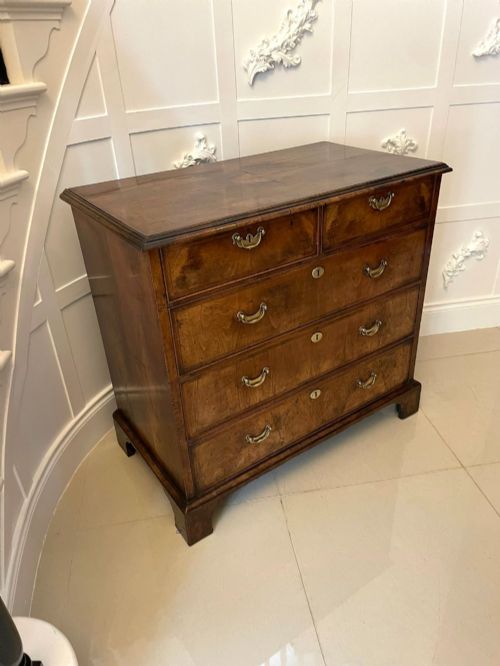
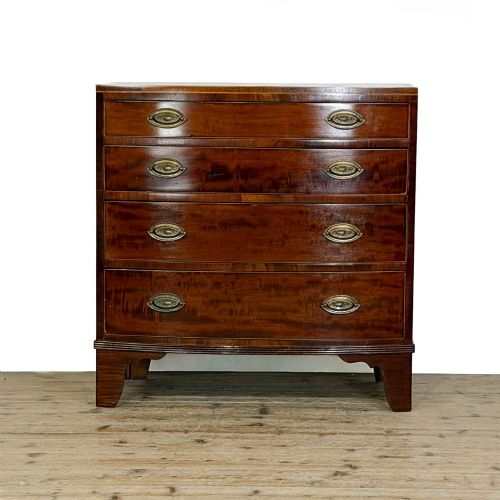
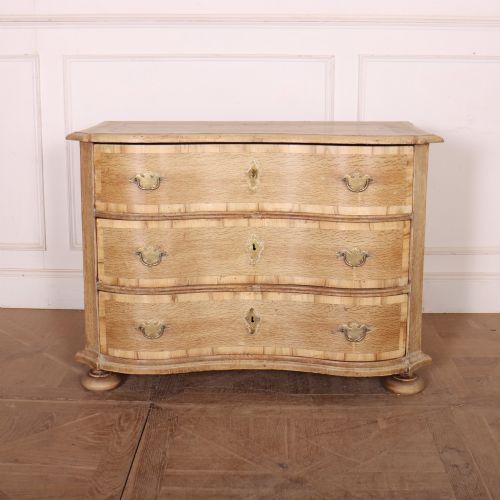
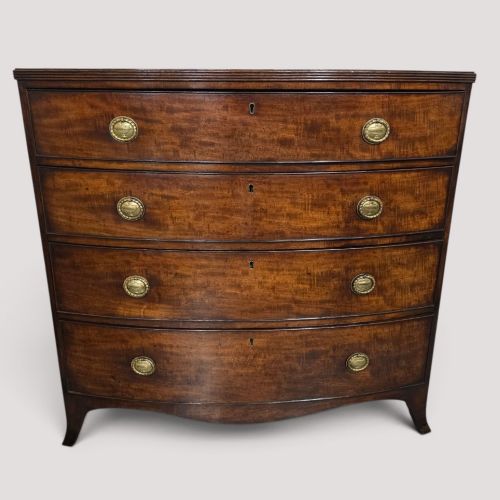
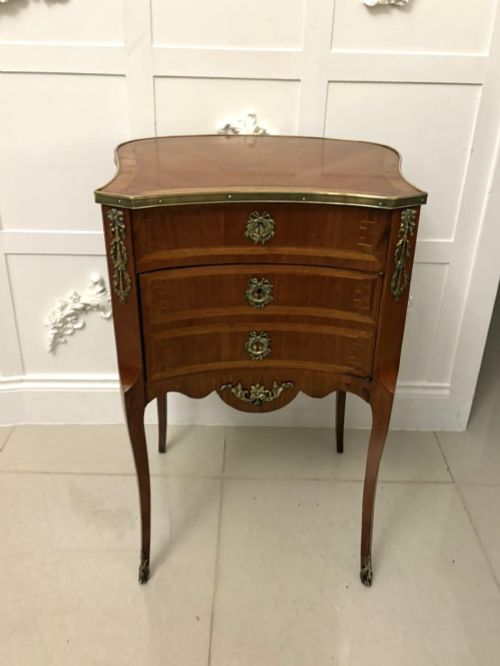
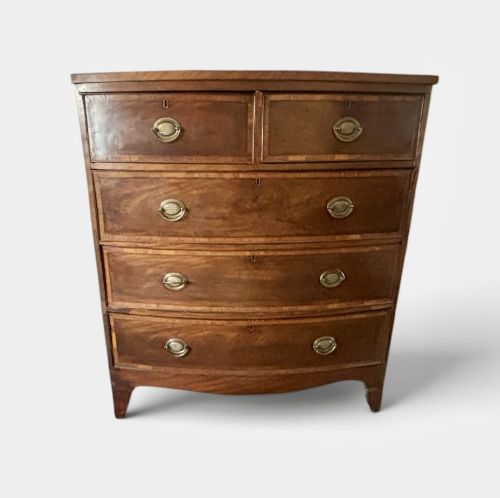
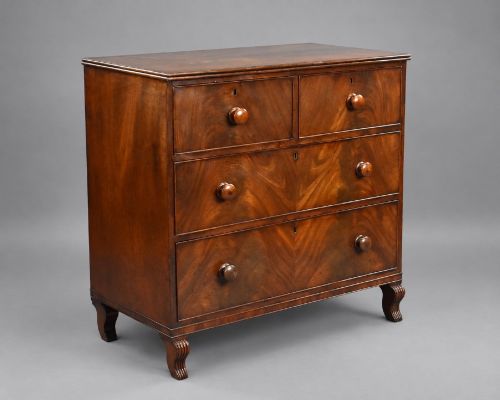
When you examine an antique wood commode, you encounter low bedroom storage furniture that bridges the traditional chest of drawers and the continental cupboard. The evidence shows these pieces appear in robust British oak and mahogany alongside elaborate French and Dutch walnut, kingwood, and tulipwood designs.
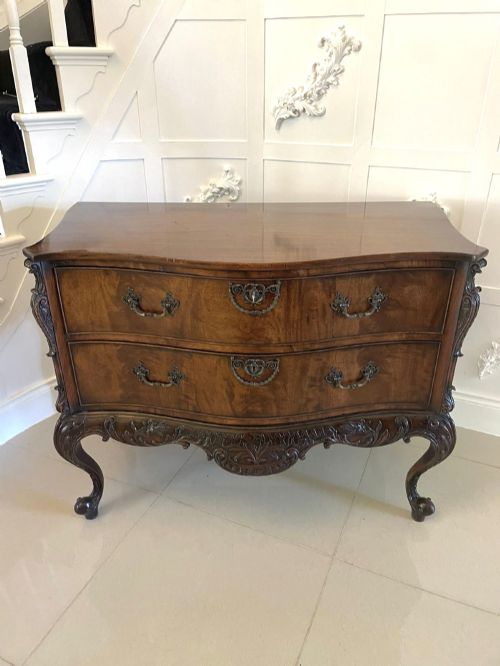
The format ranges from strict Georgian mahogany chests to serpentine French bombe carcasses topped with marble. Buyers meet both functional British drawer units and decorative continental cupboard variants featuring floral marquetry and boxwood inlay.
Materials and construction methods
Cabinet makers utilised dense hardwoods including mahogany, oak, walnut, cherry, and exotic veneers such as kingwood and tulipwood over sturdy pine or oak carcases. Surfaces frequently incorporate intricate floral marquetry, boxwood stringing, and applied ormolu mounts.
Structural integrity relies on traditional dovetailed drawer construction and mortise and tenon joinery. Marble tops appear frequently on continental examples, adding substantial weight and a cool stone counter surface to the timber base.
Retail Price Guide 2026
Typical UK retail prices for wood commode, calculated from the Sellingantiques database of over a million retail prices indexed since 2003. This retail price guide relies exclusively on Sellingantiques data; no external sources or auction records are used, so the figures do not describe the wider market.
Recorded pieces span the eighteenth and nineteenth centuries, constructed from oak, mahogany, walnut, cherry, and exotic veneers.
Distinguishing quality in the build
Quality rests in the precision of the cabinet maker's joinery and the selection of figured timber veneers. Superior examples display seamless marquetry patterns that flow across the drawers and sides without interruption.
The refinement of cast bronze or ormolu mounts and the smooth operation of heavy oak-lined drawers separate standard utility pieces from high-status salon furniture. Original marble slabs and intact brass hardware further elevate the standing of a piece.
The Antique Wood Commode Glossary
- Commode
- A low cabinet or chest of drawers designed for bedroom or reception room use. Originating in France, the term applies equally to British drawer units of similar proportion.
- Bombe
- A swelling, outward-curved contour found on continental cabinet sides and drawer fronts. This curved profile requires exceptional woodworking skill to construct.
- Marquetry
- Decorative patterns formed by fitting together thin slices of various coloured woods and veneers. Craftsmen arrange these pieces to create floral or geometric pictures across the furniture front.
- Ormolu
- Gilded bronze mounts applied to the corners, feet, and handles of fine furniture. This decorative metalwork protects vulnerable edges and enhances the visual richness of the wood.
- Kingwood
- A dense, heavy South American timber featuring rich dark brown colouring with lighter golden streaks. Cabinet makers prized it for veneering high-status eighteenth- and nineteenth-century pieces.
Frequently Asked Questions
What is an antique wood commode?
An antique wood commode is a low storage unit, functioning either as a chest of drawers or a decorative cupboard. These pieces date primarily from the eighteenth and nineteenth centuries.
They combine practical storage compartments with decorative timber surfaces, often featuring marquetry or marble tops depending on their British or continental origin.
How do I identify a French commode?
French commodes frequently display curved bombe outlines, marble tops, and extensive kingwood or tulipwood marquetry. They often incorporate gilt bronze mounts around the drawers and feet.
In contrast, British examples from the same eras tend toward rectilinear mahogany or oak carcases with straight drawer fronts and brass drop handles.
Are these commodes suitable for daily bedroom use?
These pieces provide deep, practical drawer space that accommodates modern clothing and bedroom items easily. Their robust timber construction ensures they handle daily opening and closing.
Care should be taken with polished wood surfaces and marble tops to prevent water rings and scratches during everyday use.
What woods were used to build them?
Cabinet makers built carcases and drawer linings using sturdy domestic timbers like oak, mahogany, and cherry. Decorative exterior surfaces utilise exotic veneers including walnut, kingwood, rosewood, and tulipwood.
Inlay work often incorporates lighter woods such as boxwood to create contrasting geometric borders and floral motifs.