


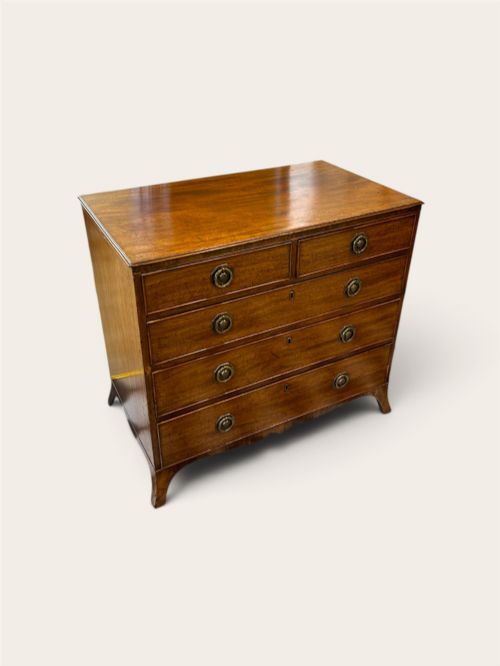
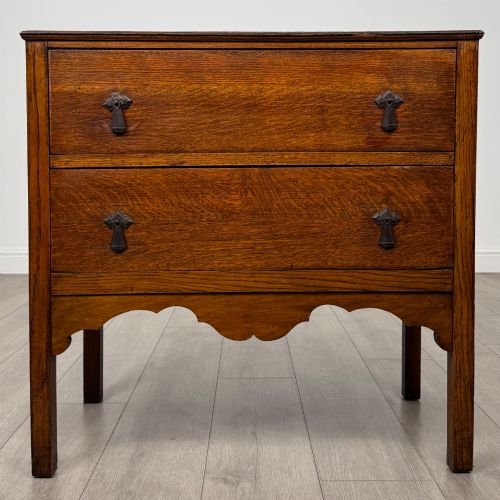
Small Wooden Tallboy
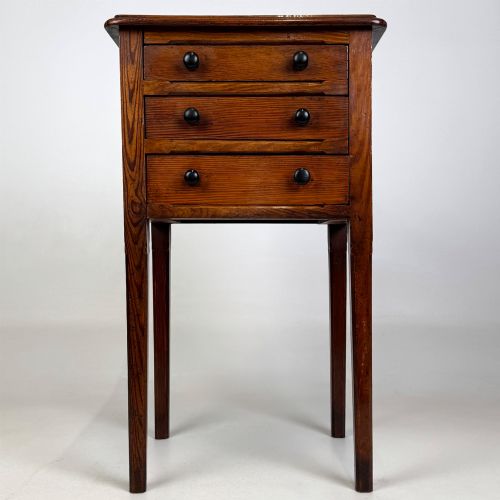
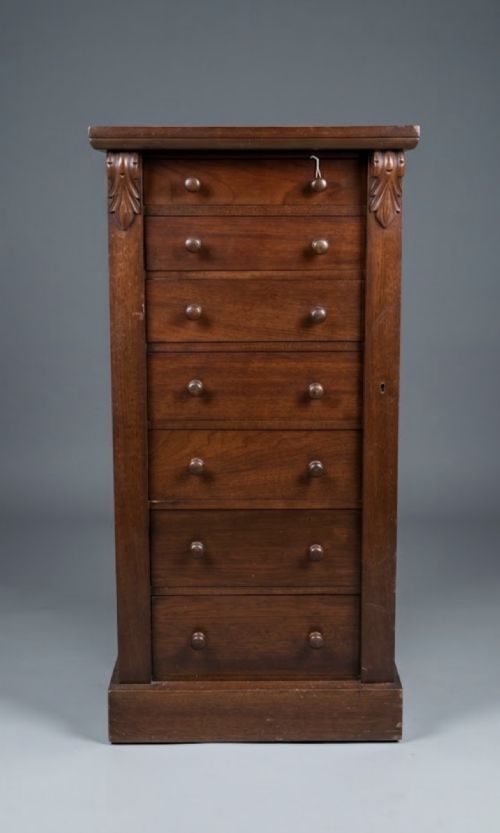
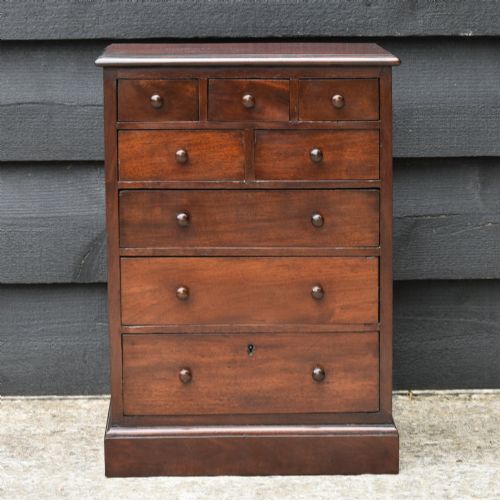
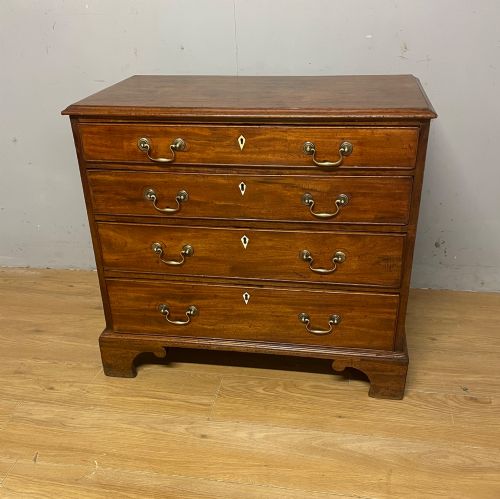
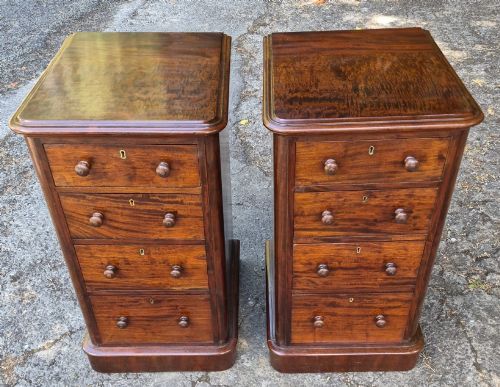
A small wooden tallboy provides vertical storage with a compact footprint, suiting rooms where floor space remains limited.
Small Wooden Tallboy
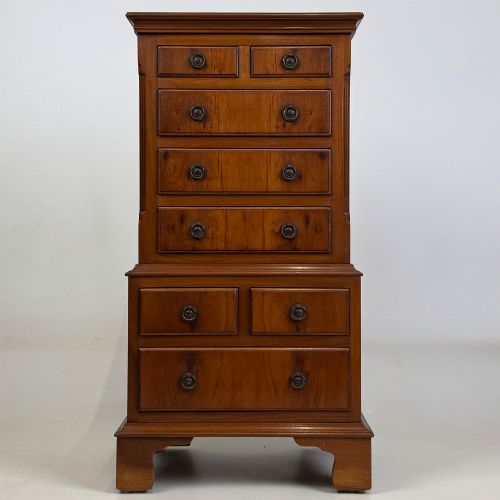
A small wooden tallboy stands as a compact piece of vertical furniture designed to hold garments and household items in confined spaces. These items appear across multiple eras, including the Georgian, Victorian, and Edwardian periods, as well as the 1920s and 1930s.
Origins trace back through the 18th, 19th, and early 20th centuries, reflecting styles such as Georgian, Victorian, Art Deco, and Queen Anne. Buyers most frequently encounter mahogany, oak, and walnut constructions among these listings.
Materials and construction methods
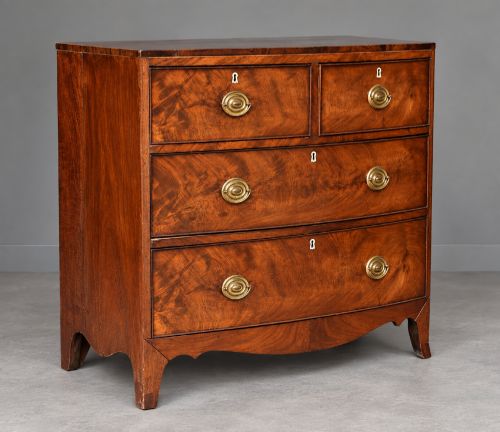
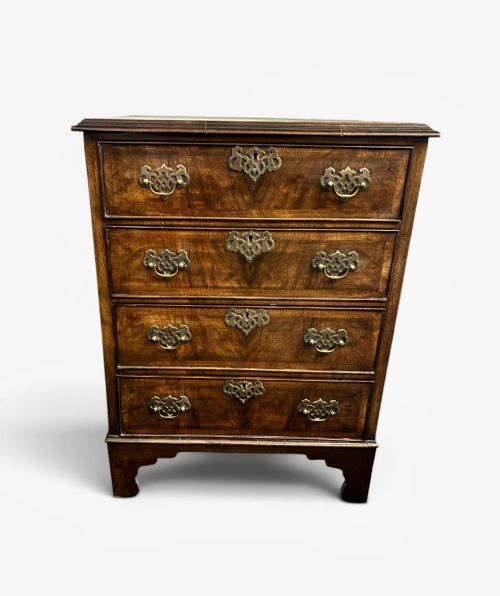
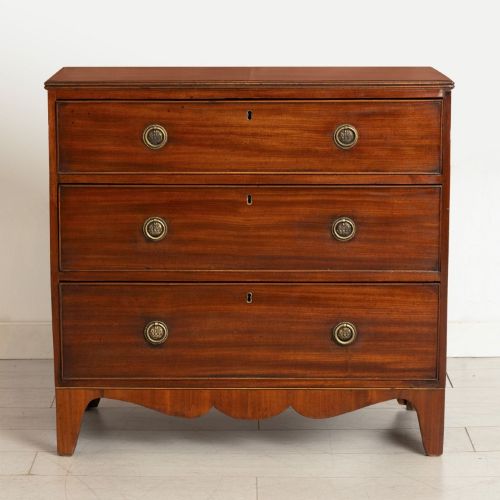
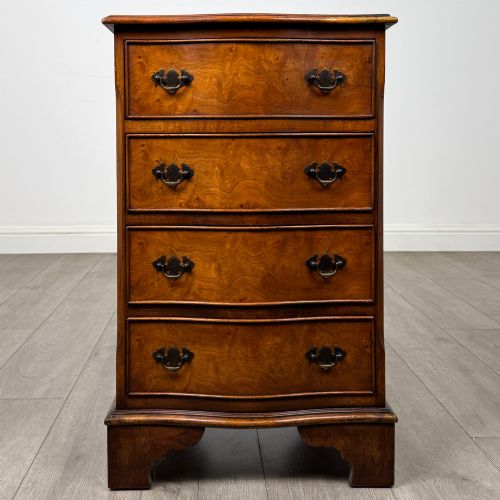
Cabinet makers utilised dense hardwoods such as mahogany, oak, and walnut, frequently applying flame mahogany veneer or burr walnut to create figured surfaces. Brass handles and fittings provided functional contrast to the dark timber grains.
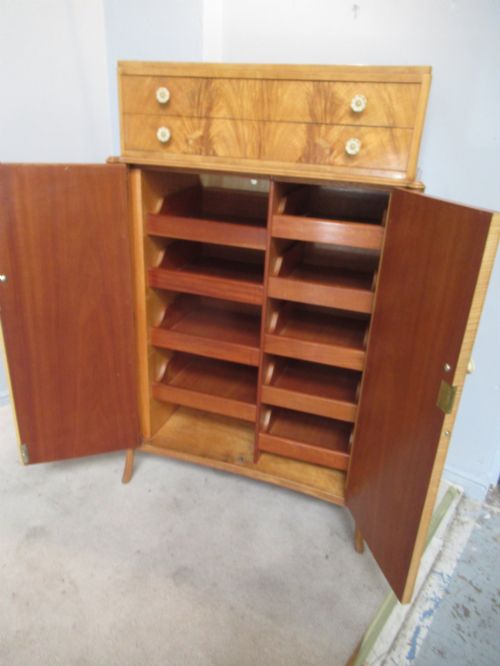
Construction relied on traditional joinery techniques suited to sturdy carcases and stacked drawer configurations. Craftsmen also incorporated lighter secondary woods like maple and pitch pine alongside specialised elements like brushing slides.
Miniature chests listed as apprentice pieces prove that tiny drawers require just as much patience to dovetail.
Variations in quality
Quality rests upon the selection of timber figures, such as figured walnut or flame mahogany veneer, paired with precise crossbanding on tops. Superior pieces exhibit refined proportions, balanced drawer arrangements, and intact original brass hardware.
Construction integrity separates standard utility items from finer examples, visible in tight joinery, smooth drawer runs, and the thoughtful use of secondary timbers like oak and maple within the internal structure.
The Small Wooden Tallboy Glossary
- Tallboy
- A tall chest of drawers, typically comprising a smaller chest stacked upon a larger base or built as a single tall carcase.
- Bowfront
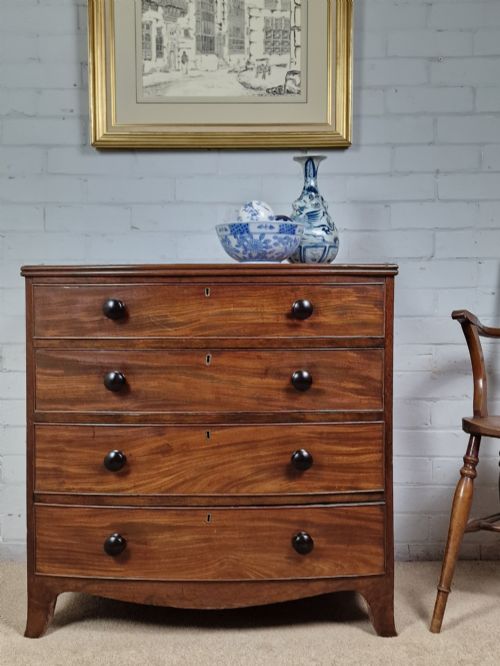
- A convex, curved front on a chest of drawers that swells outward in the centre.
- Crossbanding
- A decorative border of veneer laid around the edges of a tabletop or drawer front so the grain runs perpendicular to the main surface.
- Brushing slide
- A pull-out shelf integrated into the upper section of a chest, historically used for folding clothes or brushing garments.
Small Wooden Tallboy: Frequently Asked Questions
Where should I place a small wooden tallboy?
These pieces fit well in bedrooms, hallways, or sitting rooms where floor space is limited. Their vertical build offers generous storage without demanding a wide footprint.
Position them against sturdy interior walls away from direct heat sources to protect the wooden structure and delicate veneers.
How do I care for antique wood surfaces?
Maintain the timber by dusting regularly with a dry, soft cloth and applying appropriate beeswax occasionally to nourish the grain. Avoid chemical cleaners and excessive moisture.
Keep the piece out of direct sunlight to prevent fading and drying out of the polished wood and veneer.
What periods do these pieces come from?
The selection includes items spanning from the 18th century through the Georgian and Victorian eras, extending into Edwardian times and the 1920s and 1930s.
Each era brings distinct design traits, from Georgian bowfronts to Art Deco oak finishes.
What materials are commonly used?
Makers relied heavily on solid hardwoods like mahogany, oak, and walnut, often accenting them with burr walnut or flame mahogany veneers. Brass hardware and secondary woods such as pitch pine or maple appear frequently.
These materials determine the weight, colour, and overall durability of each individual piece.