

Edwardian Carved Chest
An edwardian carved chest delivers robust storage through period joinery, bringing honest craftsmanship and rich timber grain to domestic interiors.
Edwardian Carved Chest
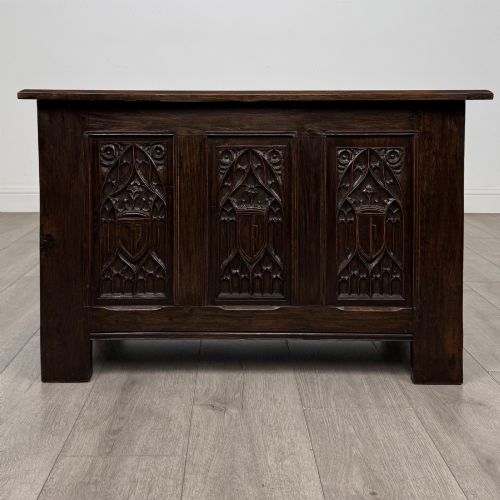
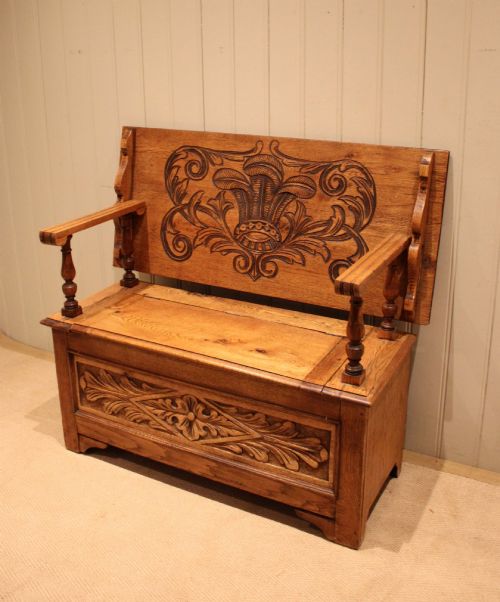
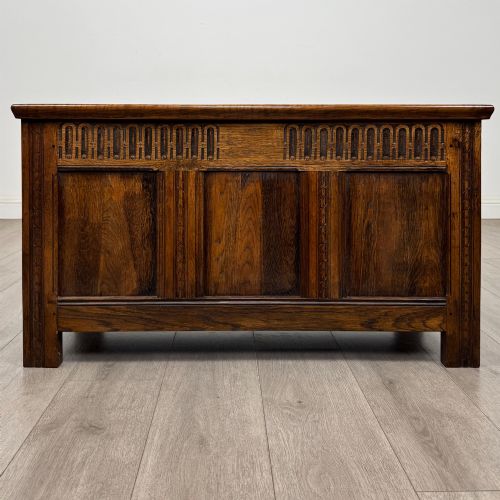
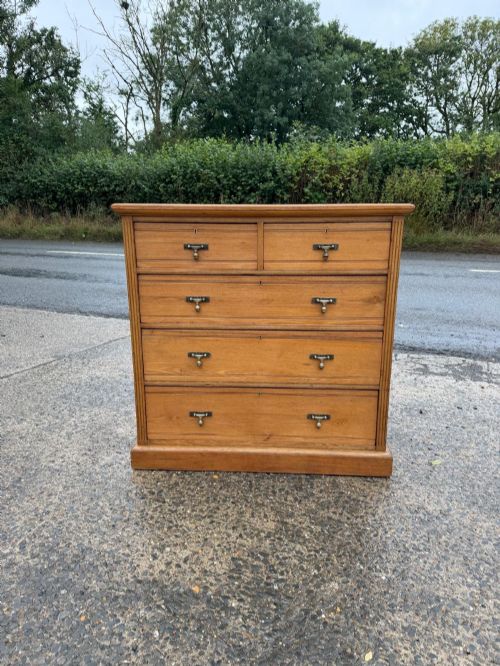
An edwardian carved chest encompasses practical storage pieces such as blanket boxes, coffers, and drawer chests originating from the Edwardian era. These items combine utilitarian function with ornamental carving, reflecting the domestic requirements of the early twentieth century.
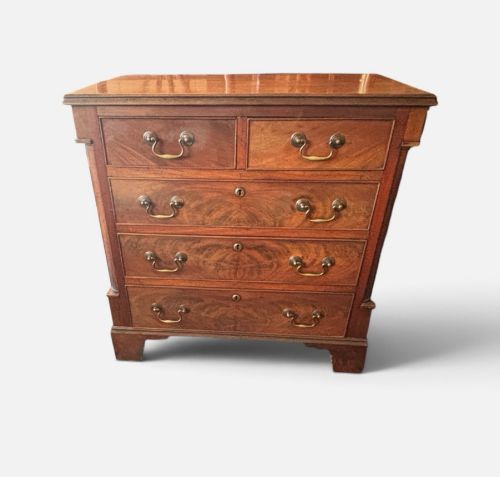
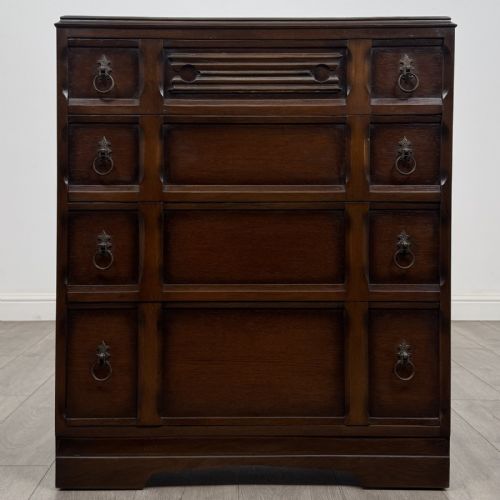
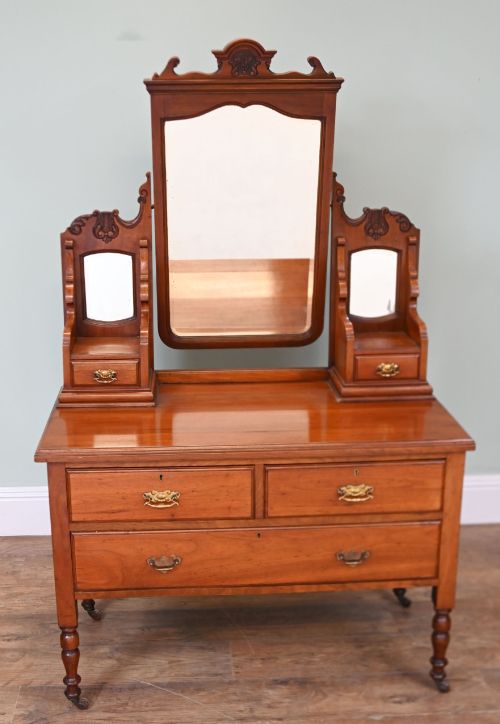
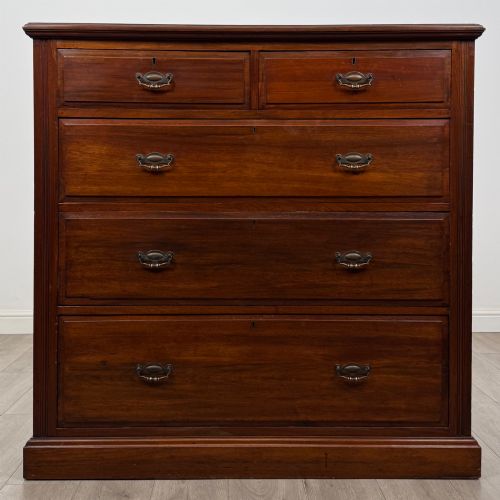
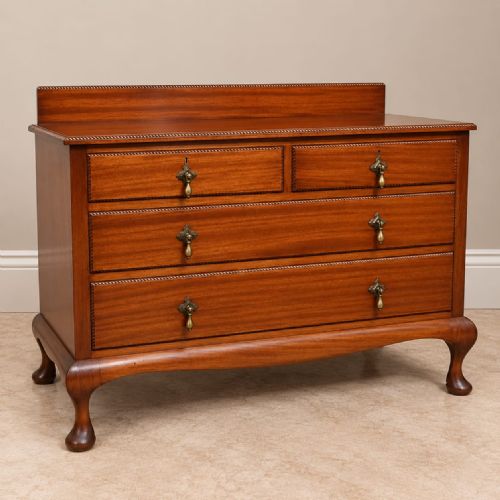
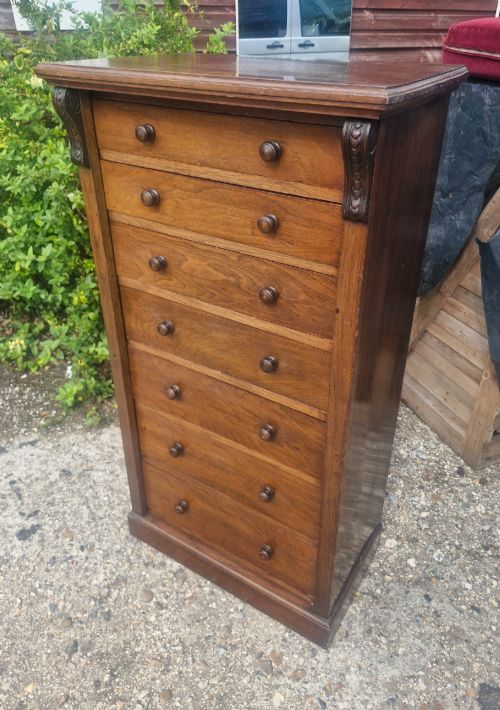
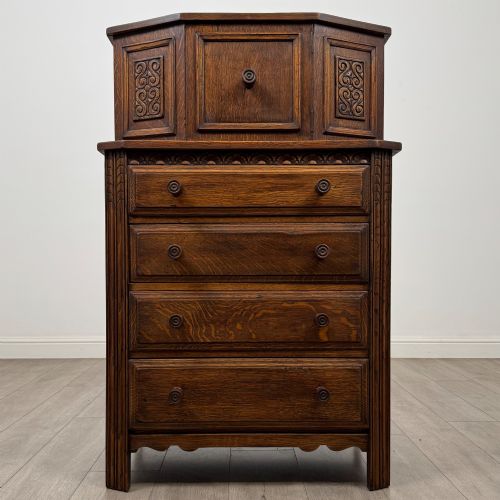
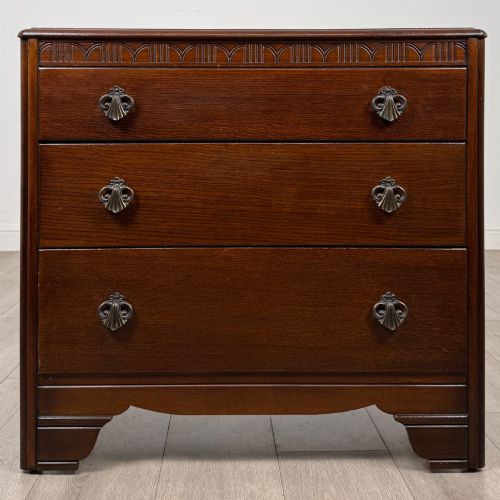
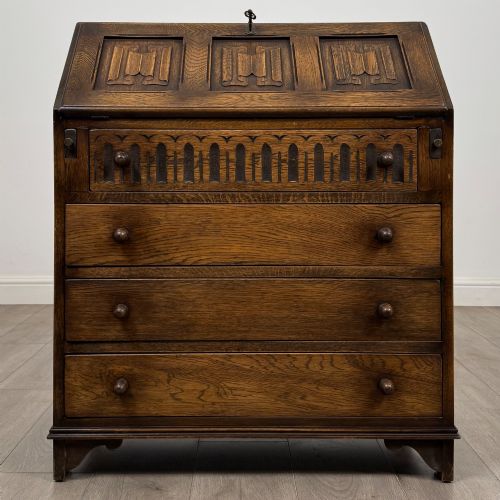
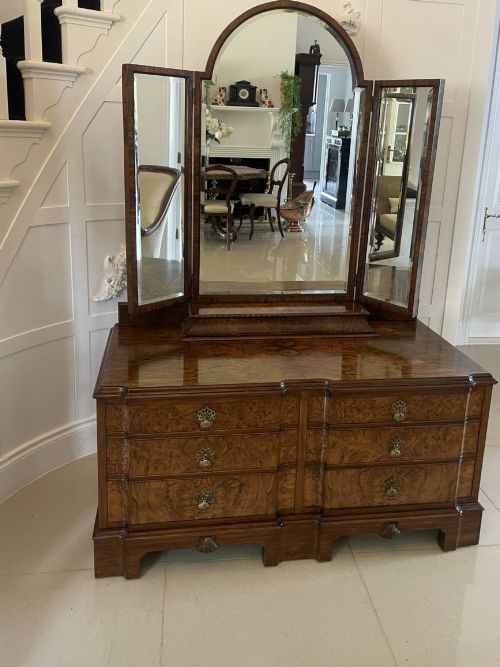
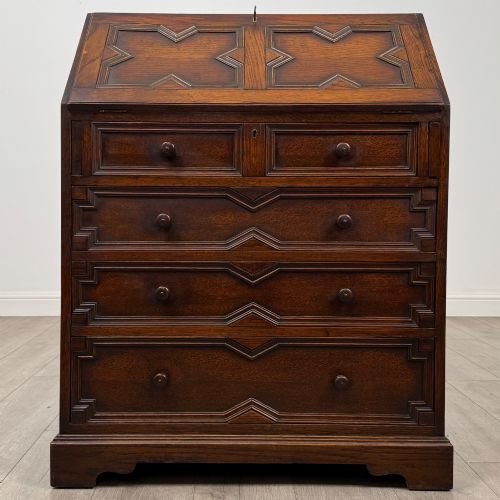
The versions most commonly met on this page are constructed from solid oak with carved panels, linear mouldings, or raised gallery tops. Alongside these, examples in mahogany, walnut, and satinwood appear, spanning stylistic revivals from Jacobean to Arts and Crafts.
Materials and Construction
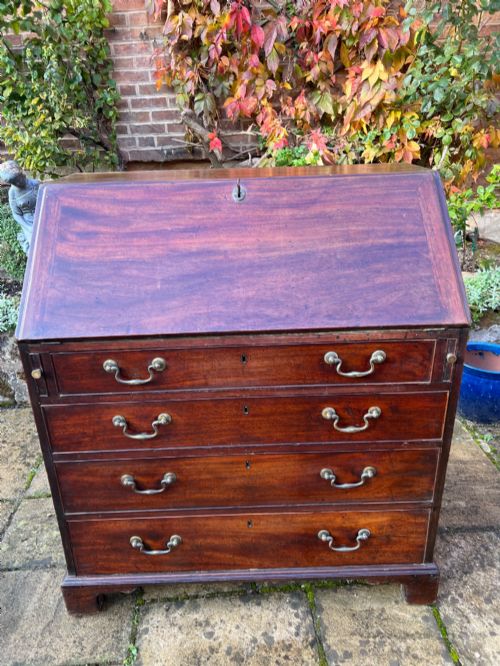
Cabinet makers utilised dense hardwoods like oak, mahogany, and walnut, selecting timber for durability and distinct grain patterns. Brass hardware, including original acorn handles and drop plates, complemented the polished timber surfaces.
Construction relied on traditional joinery techniques, evident in panelled framework, dovetailed drawer construction, and hand-carved decorative details applied to fronts and lids.
Edwardian Carved Chest Retail Price Guide 2026
Typical asking prices for edwardian carved chest among the pieces listed under this phrase on Sellingantiques today, from the lower quarter to the upper quarter. They describe what is for sale here now, not the wider market.
Listings feature oak, mahogany, walnut, and satinwood alongside brass hardware across Edwardian, Victorian, and Arts and Crafts styles.
Quality and Distinction
Superior examples display crisp, hand-executed carving that retains sharp definition across panels and edges, whereas lesser pieces show shallower, mechanical ornamentation. The choice of timber grain and the retention of original brass fittings significantly elevate the standing of a piece.
Structural integrity depends on the precision of the underlying joinery and the survival of the original finish. Pieces that maintain their uncompromised timber surfaces and authentic hardware represent the upper tier of the range.
Heals·Maple and Co
The Edwardian Carved Chest Glossary
- Linenfold
- A style of carved wooden panelling that resembles folded cloth. This motif frequently appears on early twentieth-century oak storage pieces.
- Raised gallery
- A low decorative upstand attached to the top rear edge of a cabinet or chest. It prevents items from sliding off the surface.
- Dovetail
- A joint formed by interlocking wedge-shaped fingers, used primarily in drawer construction for maximum tensile strength.
- Brass acorn handle
- A drop handle shaped to resemble an acorn, fastened with a backplate. It serves as a characteristic detail of period metalware.
Edwardian Carved Chest: Frequently Asked Questions
How do I identify an Edwardian carved chest?
Look for characteristic Edwardian timber selections like oak and walnut paired with stylistic details such as linenfold panels or carved borders. These pieces generally date from the period surrounding the early 1900s.
Examine the internal construction and hardware, noting whether the handles and hinges align with early twentieth-century manufacturing methods rather than later reproductions.
Were these chests used as blanket boxes?
Many examples functioned primarily to store household linens, blankets, and woollens away from dust and light. Their robust construction made them suitable for heavy textile storage at the foot of a bed.
The inclusion of a hinged lid points directly to this storage purpose, distinguishing them from vertical drawer chests designed for apparel.
How should I care for a carved wooden chest?
Maintain the timber by keeping the piece away from direct heat sources and sudden temperature fluctuations that cause wood to split. Apply a suitable wax polish periodically to nourish the grain.
Avoid abrasive cleaners on both the wood and any original brass hardware to preserve the aged surface patina.
What is the difference between a coffer and a chest?
A coffer traditionally denotes a heavy box with a hinged lid constructed using frame-and-panel techniques, often heavily ornamented with carving. A chest can encompass a broader range of forms including sets of drawers.
In domestic settings, coffers served multi-purpose roles as seating benches as well as secure storage receptacles.