
Antique Winged Armchair
An antique winged armchair wraps you in high panels designed to block draughts by the hearth, combining deep comfort with centuries of domestic tradition.
Antique Winged Armchair
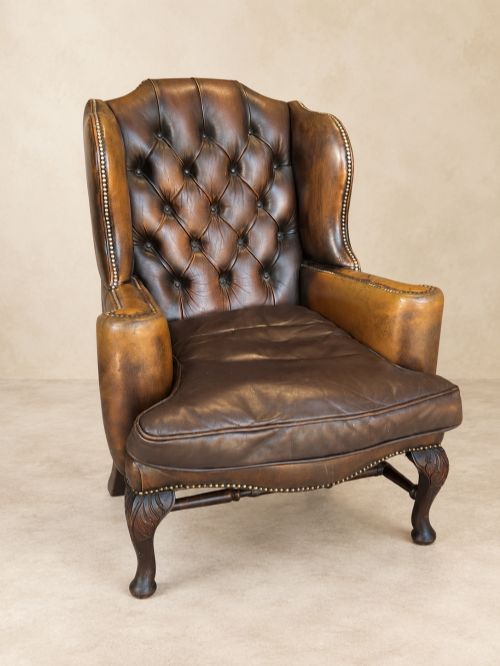
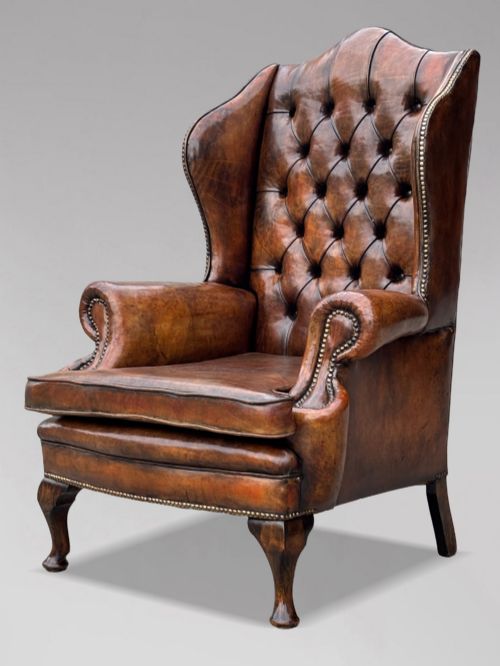
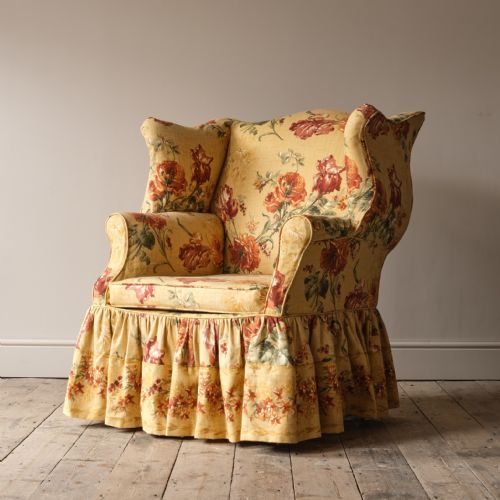
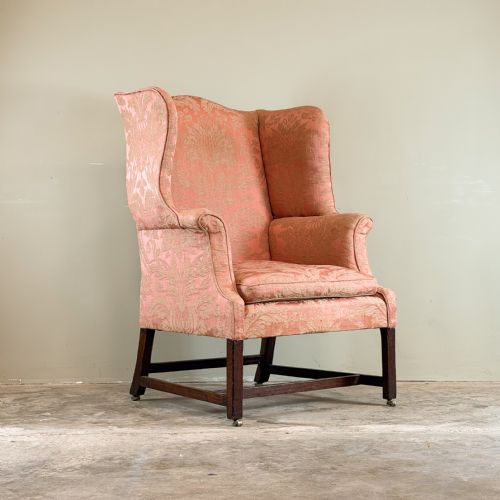
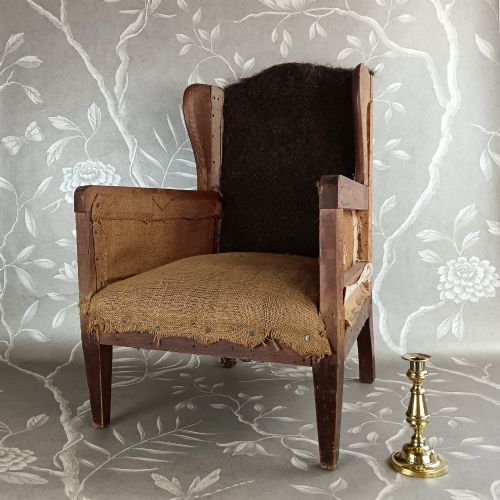
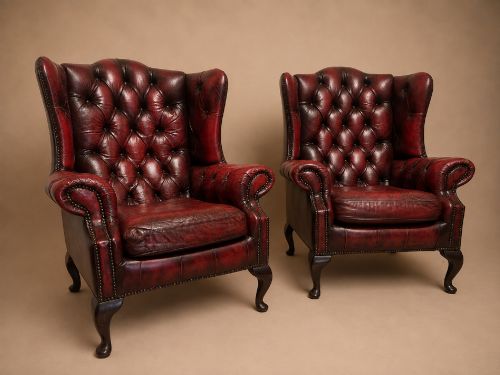
An antique winged armchair is a domestic seat characterised by protective side panels on the upper back, designed originally to keep out cold draughts. These pieces span centuries of regional and formal design, appearing in varied proportions from compact reading seats to large scale fireside models.
The versions most commonly found here date from the nineteenth and eighteenth centuries, executed in woods such as mahogany, oak, and walnut. They encompass formal Georgian and Victorian iterations alongside vernacular lambing chairs and later revival styles.
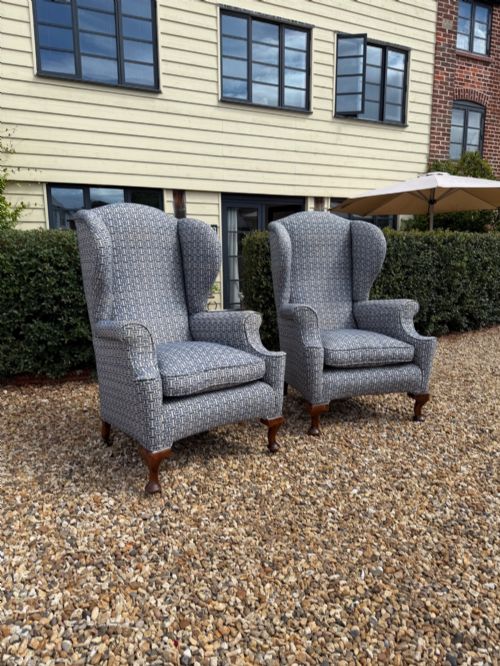
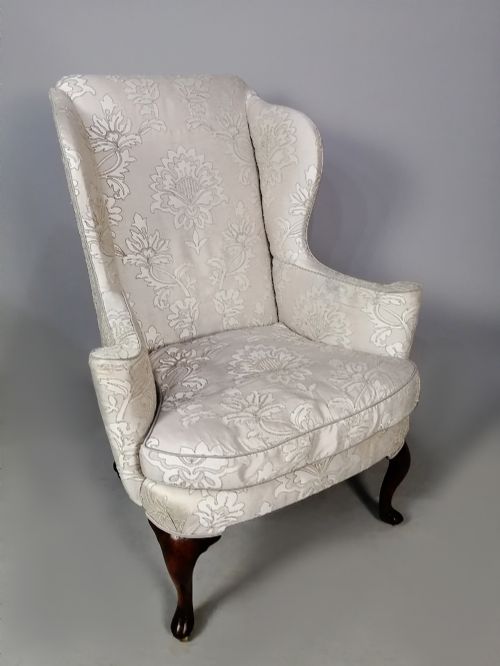
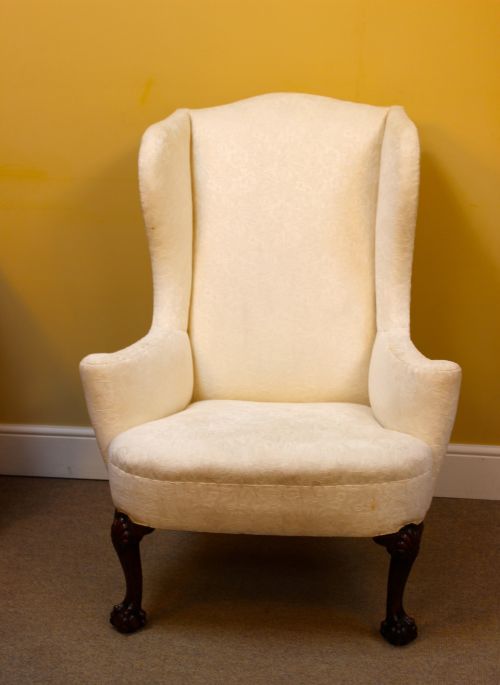
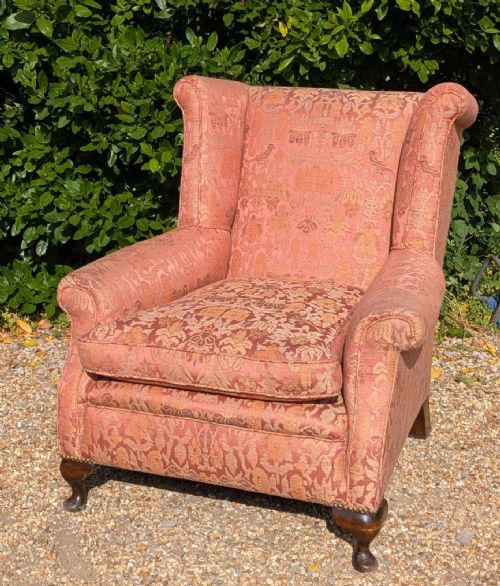
Makers adapted the basic enclosed form through different periods, incorporating cabriole legs, exposed frames, and upholstered wings. Buyers encounter both single reading chairs and paired seating designed for drawing rooms or libraries.
What varies in quality
The integrity of the structural frame dictates the baseline worth of the piece, particularly where joints meet under the seat and wings. Timber selection also marks the difference between standard workshop output and finer cabinet work.
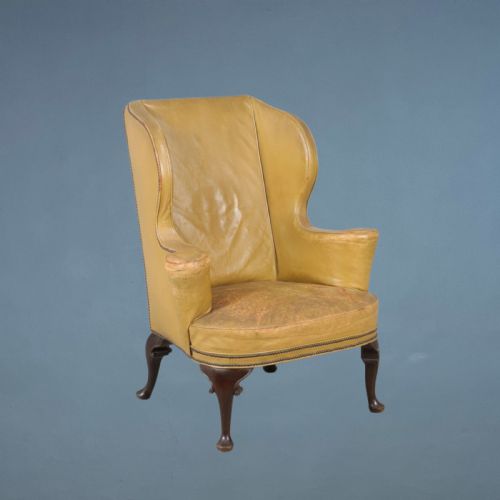
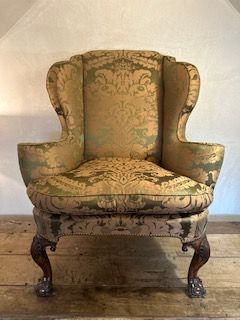
The handling of upholstered surfaces and the retention of original materials such as leather or painted finishes elevate certain examples. Proportions and the grace of carved details, such as cabriole legs or arm terminals, separate pedestrian chairs from distinguished ones.
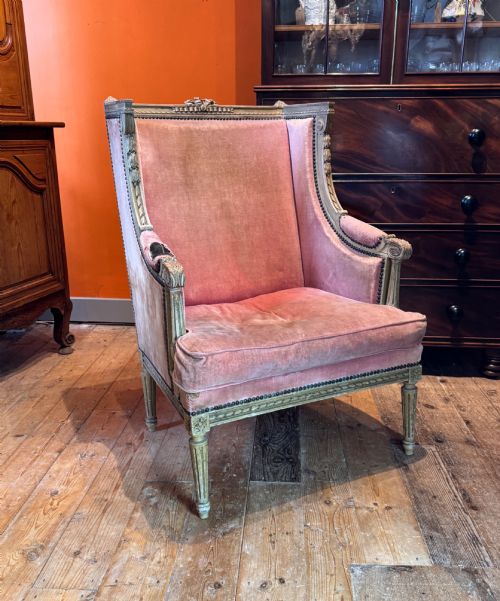
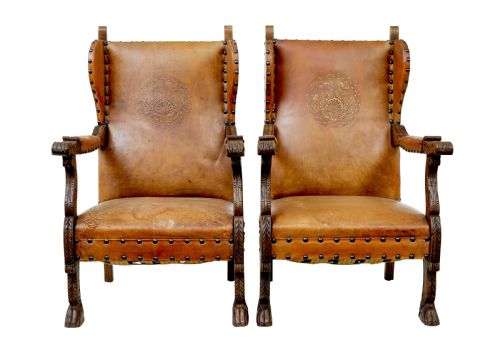
Listings feature oak, walnut, mahogany, and fruitwood frames, upholstered in leather, velvet, fabric, and calico.
The Antique Winged Armchair Glossary
- Wing
- The protective side panel attached to the upper back of the chair. Its original purpose was to trap heat from a fireplace and shield the occupant from cold air currents.
- Cabriole leg
- A furniture leg that curves out in a convex arc and tapers inward in a concave arc, ending in a pad or foot. This form draws inspiration from animal limbs and gained popularity during the eighteenth century.
- Lambing chair
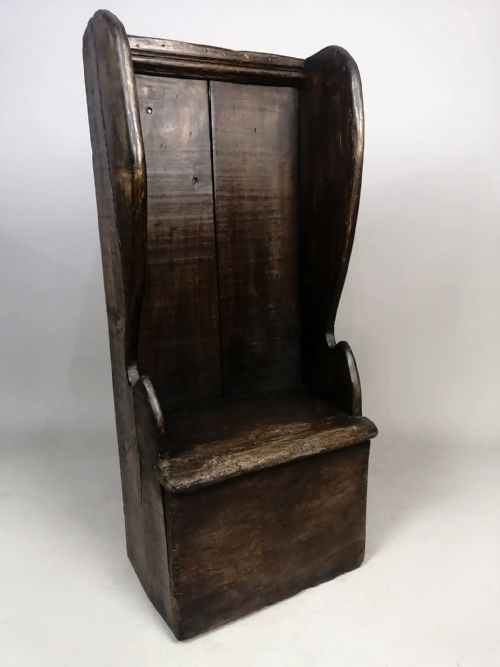
- A vernacular wooden seat featuring a high solid back and enclosed sides, sometimes incorporating a drawer beneath the seat. These rural pieces often utilised oak or fruitwood.
- Monopodia
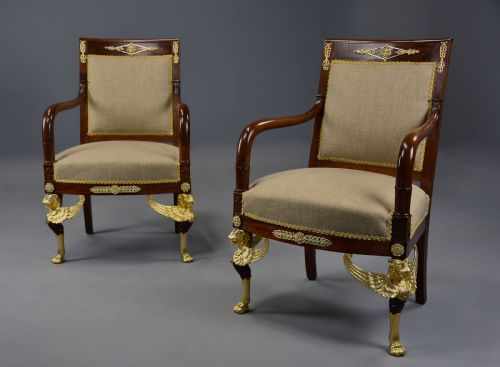
- Carved ornament representing a single animal leg and foot, often lion-like, used as a support. This classical motif appears on revival pieces influenced by ancient designs.
- Calico
- A plain-woven unbleached textile often used as an initial upholstery layer. Antique frames are frequently found newly covered in this fabric to allow final top-covering by the owner.
Antique Winged Armchair: Frequently Asked Questions
How were they used originally?
These chairs served primarily as fireside seating in sitting rooms, libraries, and parlours, where the side wings trapped heat from the hearth. The enclosed design offered privacy and comfort for reading or resting.
Larger scale examples provided substantial seating in grand reception rooms, while smaller child versions mirrored adult forms for domestic use. Vernacular lambing chairs performed similar protective functions in rural homes.
How do I date an antique winged armchair?
Dating relies on examining the timber species, construction methods, leg forms, and upholstery techniques visible in the frame. Eighteenth-century pieces frequently exhibit walnut or mahogany with cabriole supports, whereas nineteenth-century versions often display Victorian revival characteristics.
Subtle shifts in the shaping of the wings and arms help distinguish earlier vernacular forms from later factory or workshop production. Comparative study of period hardware and framing details confirms the era of manufacture.
How do I live with an antique winged armchair?
Living with these chairs involves positioning them away from direct heat sources and strong sunlight to protect aged leather and textiles. Regular dusting of carved wooden frames and gentle care for upholstered surfaces keeps the materials stable.
Their substantial presence suits studies, living rooms, and large bedrooms as statement reading seats. Many owners pair them with modern interiors, where their traditional silhouette provides a striking contrast.