
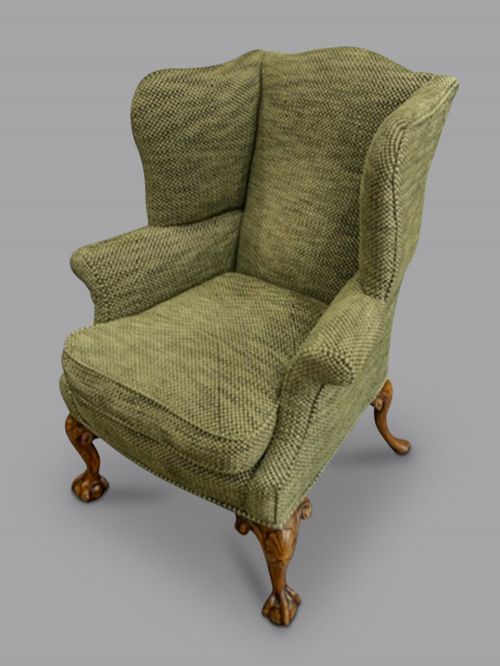


Green Wingback Armchair
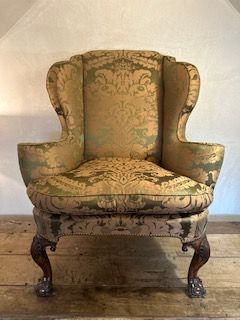
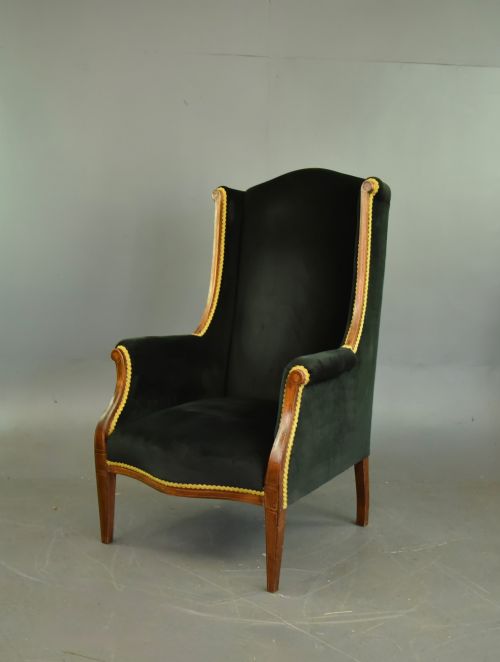
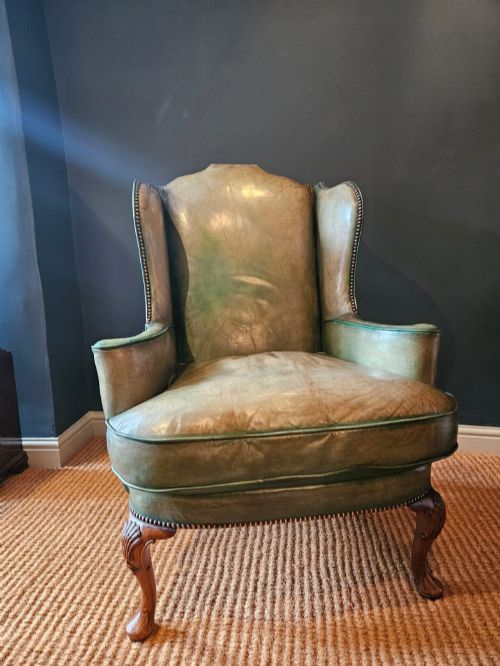
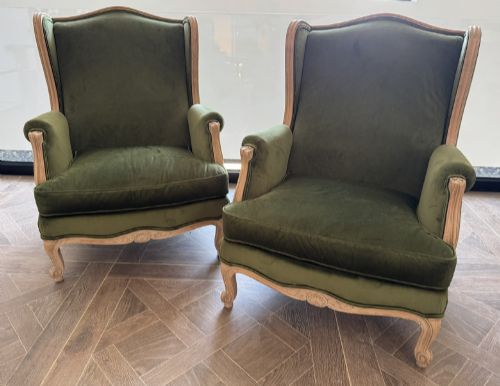
A green wingback armchair offers deep side panels and high backs designed to block draughts by the hearth.
Green Wingback Armchair
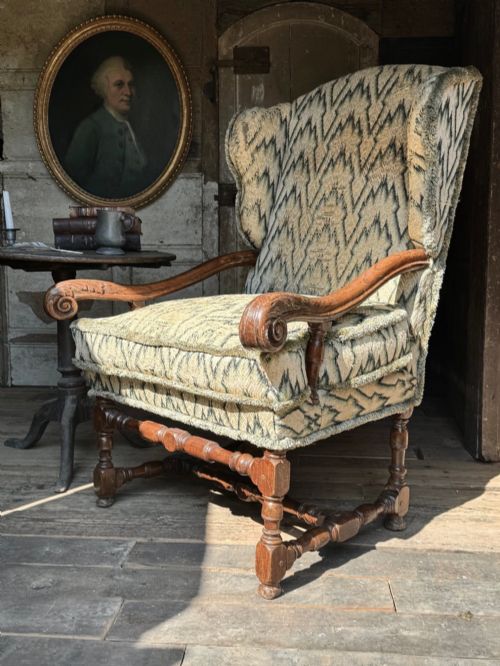
A green wingback armchair is a fireside seat built with protective wings flanking the shoulders, appearing across periods from the 18th century through the Edwardian era. These pieces span formal walnut and mahogany frames alongside vernacular hardwood structures.
The green upholstery surfaces as faded leather, velvet, hide, and tapestry fabric on pieces originating from Georgian, Victorian, and Edwardian workshops. Many examples follow George II, George III, and Queen Anne styles.
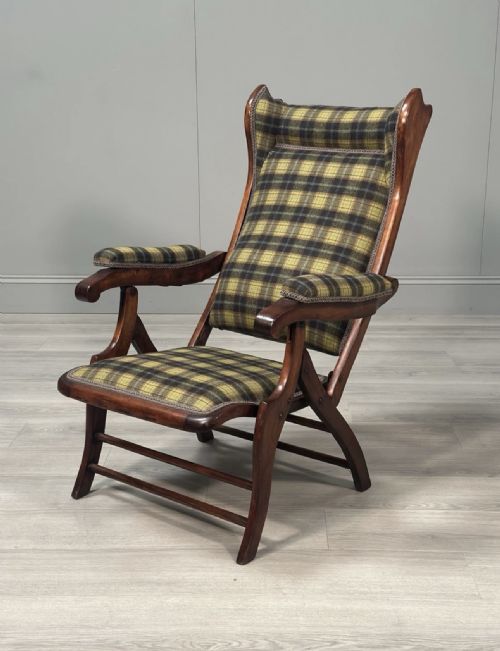
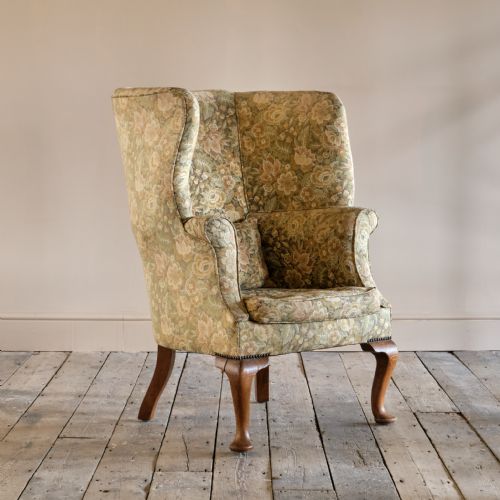
Buyers meet variations ranging from button-backed mahogany library chairs to folding campaign armchairs and barrel back forms. Edwardian interpretations frequently feature inlaid timber frames and softer springing.
Materials and Construction
Frames rely on sturdy timbers including mahogany, walnut, oak, and hardwood to support the deep upholstery. Cabinetmakers shaped cabriole legs and straight supports from these dense woods.
Upholstery methods combine horsehair stuffing, coil springing in later periods, and traditional webbing beneath outer coverings of velvet, leather, and tapestry fabric. Brass tacks frequently secure the fabric edges to the wooden framework.
Listings feature green wingback armchairs spanning the 18th, 19th, and early 20th centuries, constructed from mahogany, walnut, and oak.
The Measure of Quality
Quality rests in the sculptural grace of the timber frame, seen in the sweep of the wings and the stance of the cabriole legs. Finer examples display hand-carved details and balanced proportions rather than plain, utilitarian joinery.
The integrity of the original wood and the choice of covering material dictate the standing of a piece. Substantial mahogany or walnut frames upholstered in heavy hide or velvet represent the upper tier of survivals.
Howard & Sons
The Green Wingback Armchair Glossary
- Cabriole leg
- A furniture leg that curves out at the knee and tapers inward to an ankle, often ending in a pad or claw foot. This form derives from animal limbs and gained popularity in the 18th century.
- Barrel back
- A seating design where the curved backrest flows continuously into enclosed arms, forming a semicircular shelter. This shape provides additional protection from cold room draughts.
- Campaign armchair
- A portable seat constructed for military travel, frequently incorporating folding mechanisms. These items allowed officers to maintain comfort while on active service abroad.
- Hide
- Unsplit animal leather used for durable upholstery. It develops a distinctive patina with age and heavy use.
Green Wingback Armchair: Frequently Asked Questions
What is a green wingback armchair?
A green wingback armchair is a traditional fireside seat featuring protective side panels attached to the backrest. The green upholstery typically appears in velvet, hide, or leather.
These chairs date from the 18th century onwards and draw on styles ranging from Queen Anne to Edwardian revival. Their primary historical function was to trap heat around the sitter's head and shoulders.
How do I date a wingback armchair?
Dating relies on examining the timber frame, leg shape, and upholstery construction methods. Earlier 18th-century pieces generally employ walnut or mahogany with hand-carved cabriole legs.
Victorian and Edwardian examples often introduce machine-made components, different spring systems, and inlaid decorative elements. Comparing the wood species and leg profile against known period styles clarifies the age.
Were these chairs used only by the fireplace?
These seats were originally positioned near hearths to shield occupants from cold draughts in uninsulated rooms. The wings caught the heat from the fire while blocking wind from doors and windows.
Over time, their comfortable proportions led to their use in libraries, parlours, and smoking rooms. Today they function as statement reading chairs in various living spaces.
What is the difference between Georgian and Edwardian models?
Georgian models from the 18th century emphasise structural timber quality, featuring exposed mahogany or walnut frames with minimal padding on the arms. They follow strict classical proportions.
Edwardian interpretations often soften the silhouette with fuller upholstery, lighter inlaid mahogany frames, and revival styles. They reflect a shift towards plush domestic comfort at the turn of the 20th century.