
Wood Frame Armchair
A wood frame armchair brings immediate warmth and sculptural presence to a room, offering a tangible link to centuries of domestic seating traditions.
Wood Frame Armchair
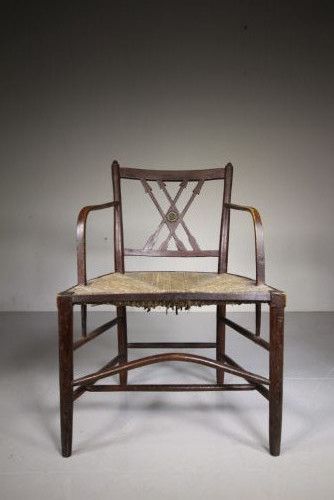
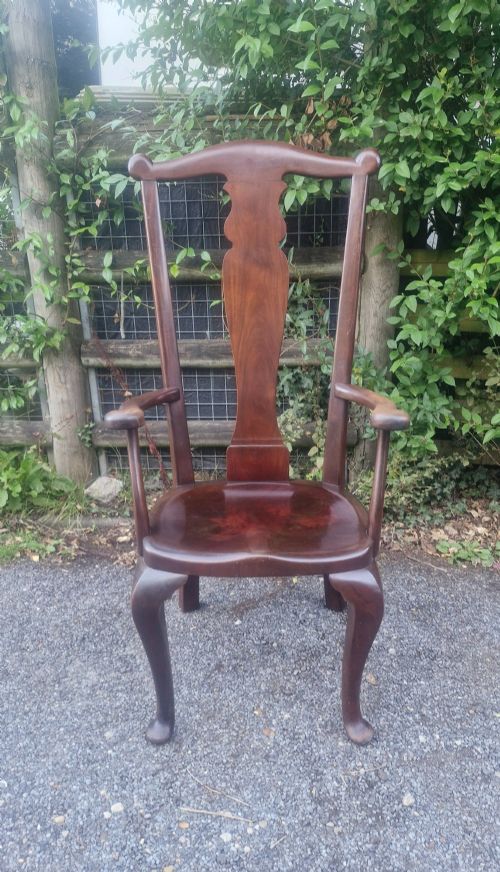
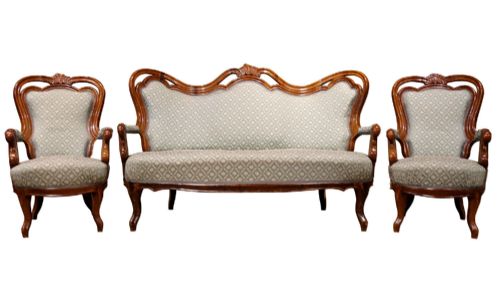
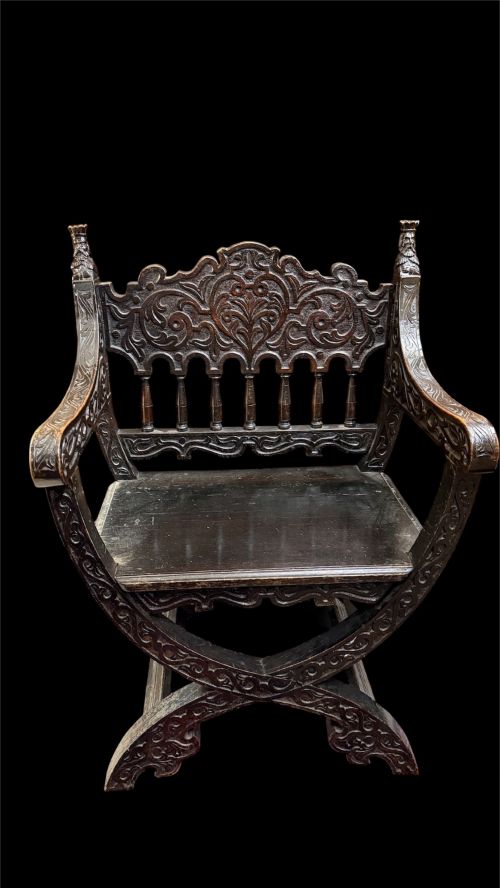
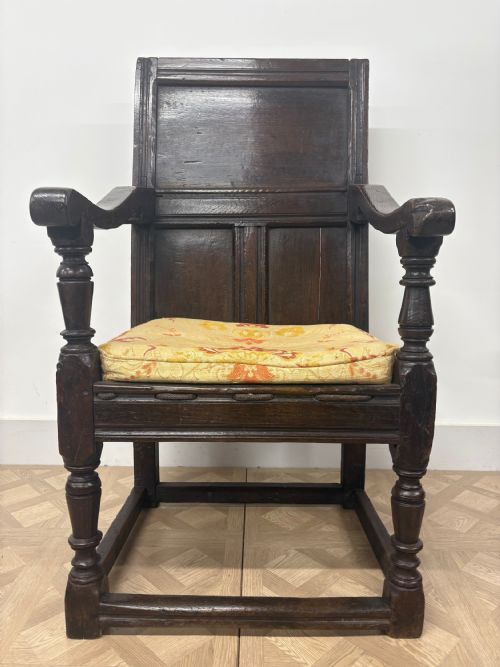
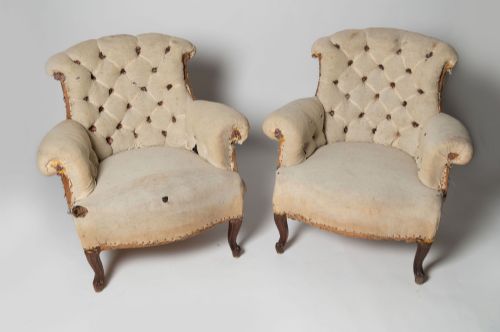
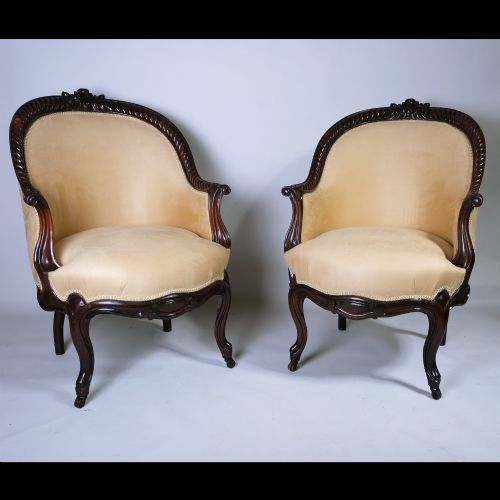
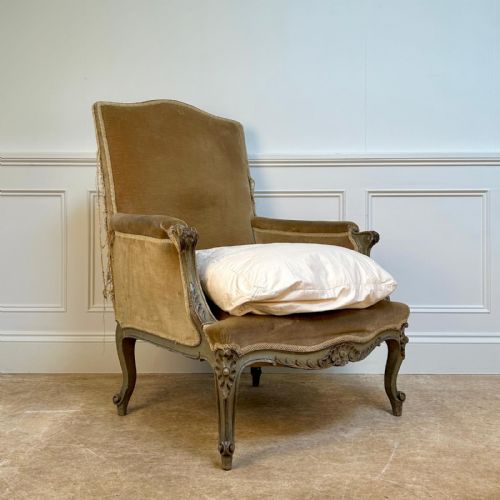
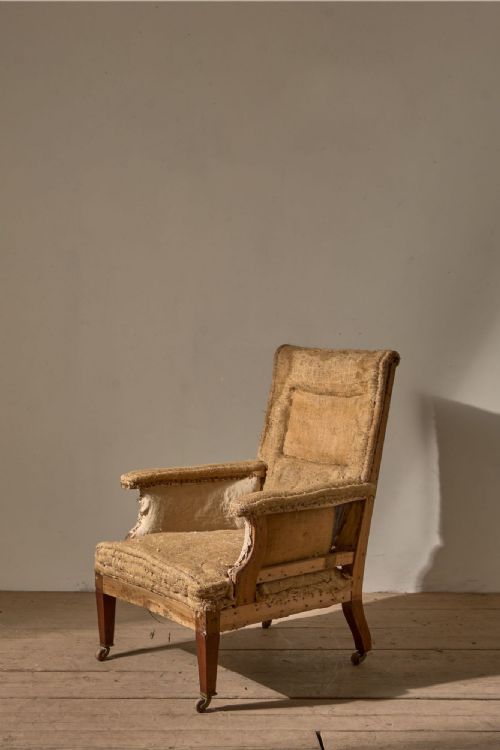
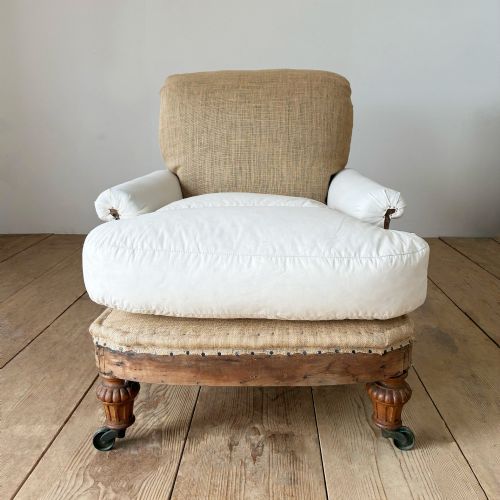
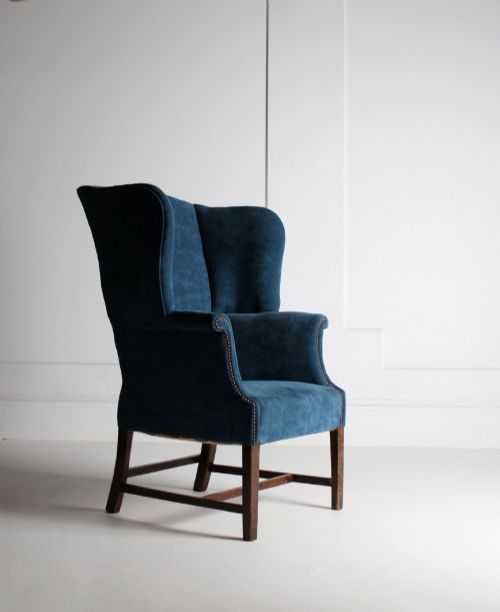
A wood frame armchair encompasses seating where exposed timber forms the structural skeleton, framing upholstered panels, cane work, or rush seats. When searching for a wood frame armchair, you encounter diverse regional interpretations spanning seventeenth-century oak wainscot pieces, Georgian country carvers, and nineteenth-century rosewood or mahogany parlour seats.
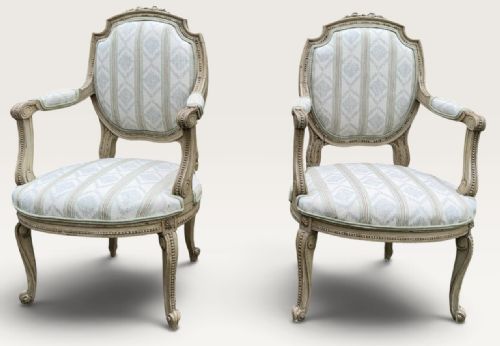
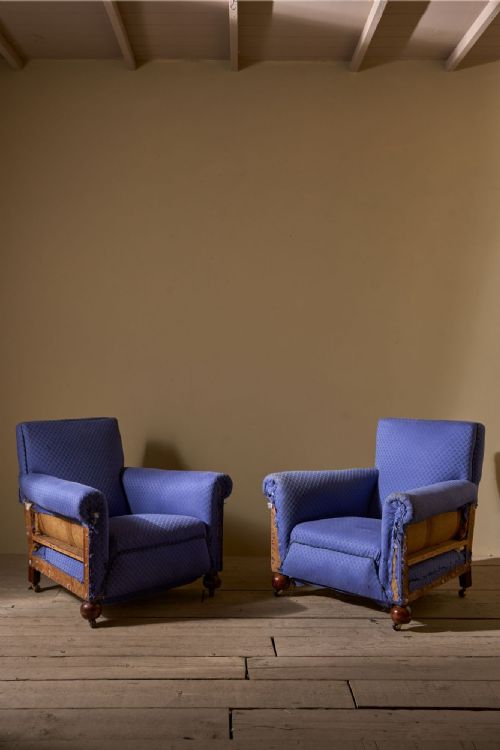
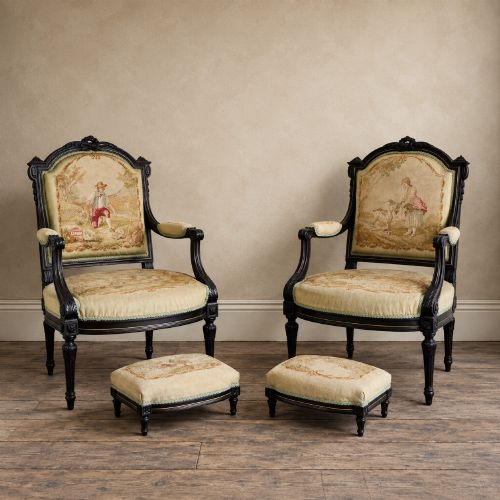
The selections range widely across eras, featuring Victorian fireside chairs, Edwardian wingbacks, French Louis XV and XVI style fauteuils, and occasional Art Deco club chairs. These pieces serve functional seating roles while displaying the distinct joinery, turning, and carving techniques of their respective periods.
How they were made
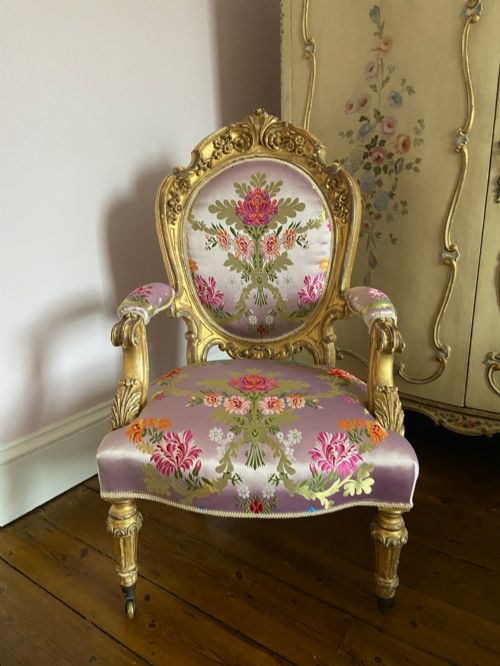
Cabinet makers utilised dense hardwoods such as mahogany, walnut, rosewood, oak, beech, and ash to build the rigid structural frames that support these armchairs. Turning lathes, hand carving chisels, and traditional mortise and tenon joinery formed the skeletons, occasionally embellished with giltwood, brass mounts, or ormolu.
Upholstered elements relied on natural fillings held by webbing, secured beneath fabrics like velvet, silk, or simple cotton, whilst other variants incorporated woven cane, rush, or painted wooden surfaces.
What varies in quality
The standard of a wood frame armchair rests upon the crispness of hand-carved details, the selection of figured timber veneers, and the structural integrity of the underlying joinery. Superior examples retain their original surface finishes, whether polished show wood, historic paint, or gilt, alongside well-proportioned frames that balance comfort with architectural elegance.
Gillows
The Wood Frame Armchair Glossary
- Show wood
- The exposed wooden framing of an armchair that remains visible around the upholstered portions. It highlights the quality and grain of the timber used by the maker.
- Fauteuil
- An open-framed armchair originating in France, characterised by upholstered back and arm pads with exposed wooden arms. They gained popularity during the seventeenth and eighteenth centuries.
- Bergère
- A closed armchair with upholstered back and sides built into a wooden frame, frequently featuring a loose cushion over a cane seat. These pieces often hail from French stylistic traditions.
- Wainscot chair
- An early form of heavy wooden armchair constructed primarily from oak, featuring panelled backs and solid armrests. They represent some of the earliest domestic seating found in English interiors.
- Bobbin framing
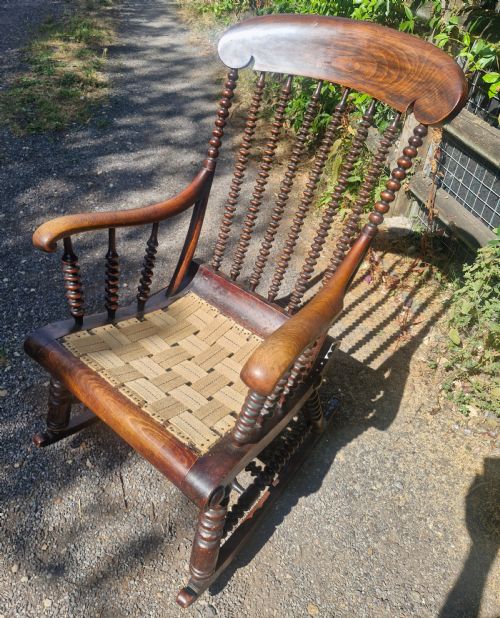
- A style of furniture turning where the wooden stretcher or leg resembles a string of beads or bobbins. This decorative technique appears frequently on seventeenth- and nineteenth-century revival seating.
Wood Frame Armchair: Frequently Asked Questions
How do I date a wood frame armchair?
Dating relies on identifying the primary wood species, the style of the carved ornament, and the construction methods used in the frame. Cabinetmaking techniques shifted noticeably from heavy joined oak in the seventeenth century to slender mahogany and rosewood in the Georgian and Victorian eras.
Secondary indicators include the presence of original fixings, upholstery webbing styles, and finish layers. Comparing the overall silhouette against documented period pattern books helps narrow down the decade of manufacture.
What is the difference between a fauteuil and an ordinary armchair?
A fauteuil specifically denotes an open-framed French armchair where the wooden arm supports are uncovered by upholstery. This style prioritised lightness and decorative carving during the Louis periods.
Standard armchairs often feature fully upholstered sides or enclosed frames designed entirely for comfort rather than exposed architectural display.
Can I use an antique armchair every day?
Most sturdy wood frame armchairs accommodate daily domestic use provided the underlying frame remains sound and tight at the joints. Checking the stability of the legs and arms ensures the piece withstands regular sitting.
Upholstery and internal webbing may require periodic professional renewal to maintain proper support while preserving the historic timber frame.
How should I care for the exposed wood frame?
Maintaining the timber involves dusting regularly with a soft, dry cloth and avoiding direct sunlight or excessive heat sources that dry out old finishes. Natural beeswax applied sparingly helps nourish historic polished surfaces.
Keen observation of the humidity in the room prevents the wood from warping or shrinking around the joined structural corners.