
Antique Wine Vessel
These antique wine vessel examples range from lead glass stemware to bronze ritual pieces, gathered to serve both practical dining and display.
Antique Wine Vessel
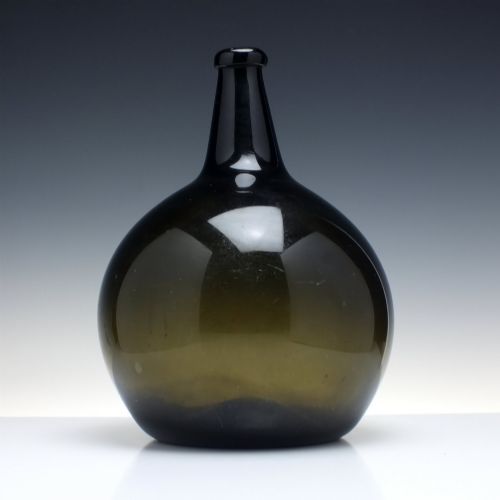
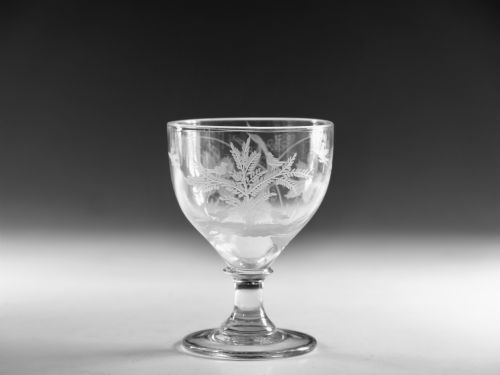
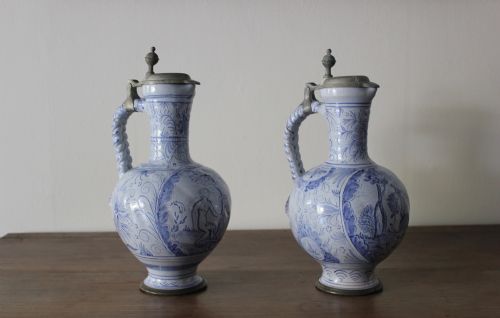
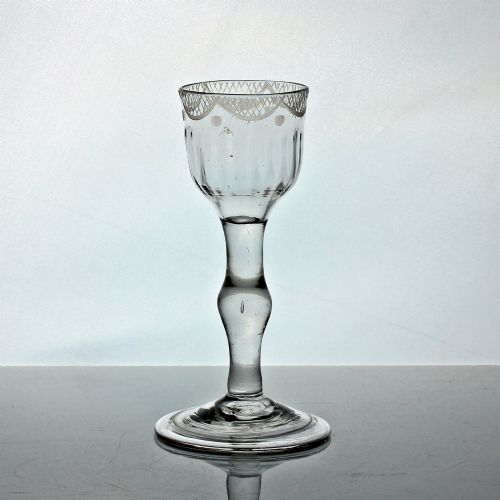
An antique wine vessel spans diverse utilitarian and ceremonial forms, from Georgian drinking glasses and heavy lead glass decanters to copper buckets and Chinese bronze ritual vessels. The pieces appearing most frequently range across eighteenth-century stemware with twist stems and nineteenth-century cut glass ewers or claret jugs.
Buyers encounter distinct categories reflecting regional craftsmanship and specific dining traditions, including English balustroid wine glasses, Bohemian crystal carafes, and large oak coopered buckets. These objects derive from periods spanning the Georgian era through to Edwardian dining rooms and Asian export markets.
The selection encompasses both drinking vessels designed for individual use and larger service items meant to hold, pour, or cool wine at the table. Form follows function closely, distinguishing handled ewers and narrow-necked carafes from open chalices and ritual bronzes.
Materials and Construction Methods
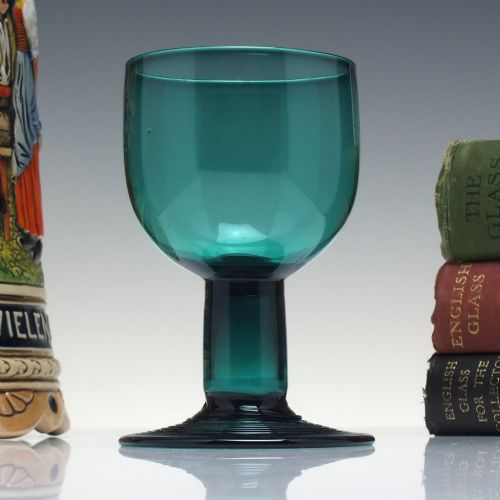
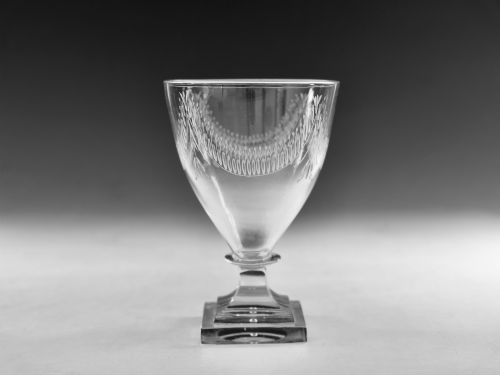
Glass vessels rely on lead crystal and clear or coloured glass manipulated through blowing, cutting, and engraving, producing faceted surfaces and delicate optical twists within stems. Artisans formed intricate stems using air twist and opaque twist techniques trapped inside the molten metal.
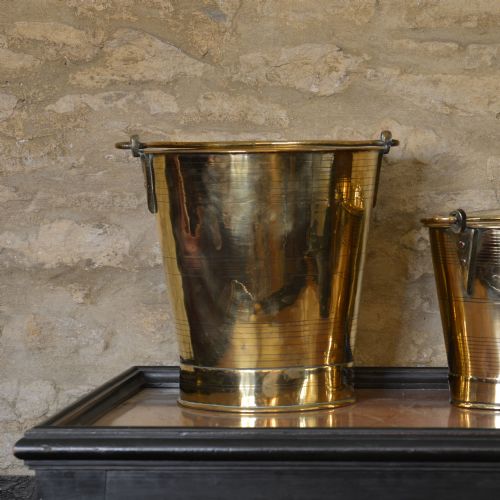
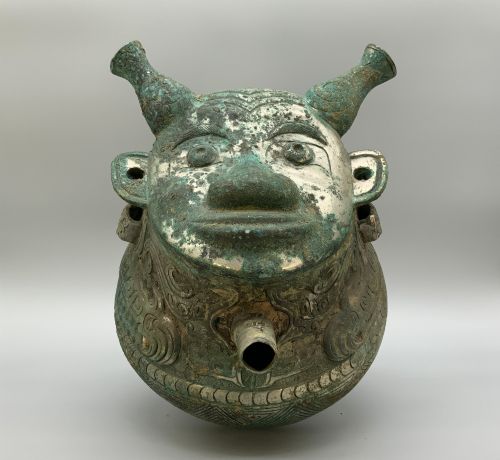
Metal vessels utilise bronze, brass, copper, and pewter shaped through casting, embossing, and hammering, often featuring applied figural handles or decorative mounts. Wooden items such as coopered oak barrels and buckets employ traditional stave construction secured with tight metal bands.
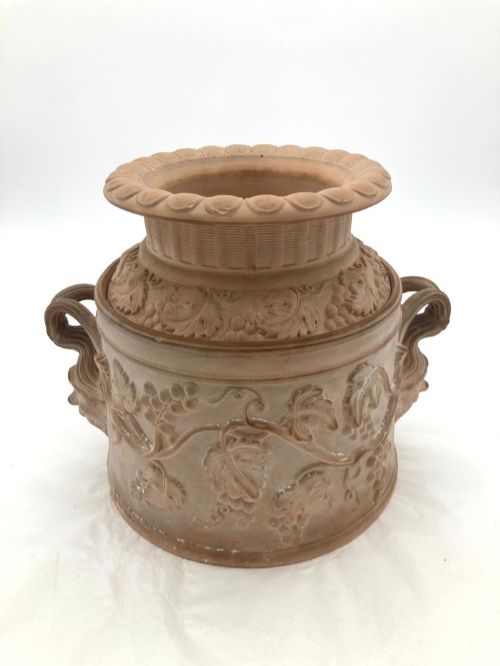
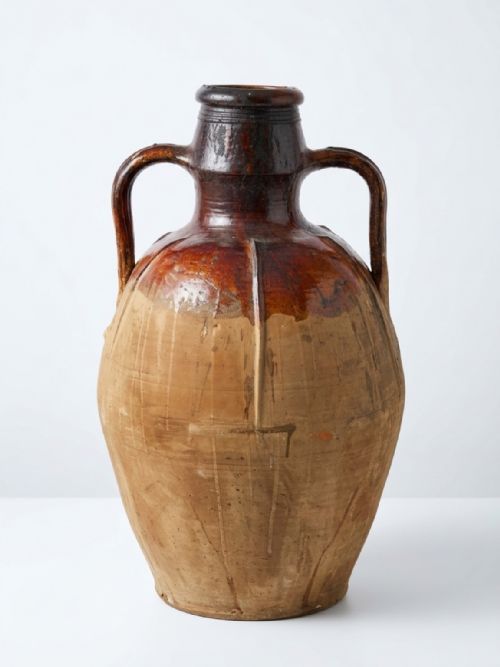
Ceramic and stone examples incorporate terracotta, stoneware with salt glazes, and porcelain formed on the wheel or in moulds before receiving hand-painted or glazed finishes. These diverse media demand specialist skills ranging from glass-cutting wheels to bronze casting moulds.
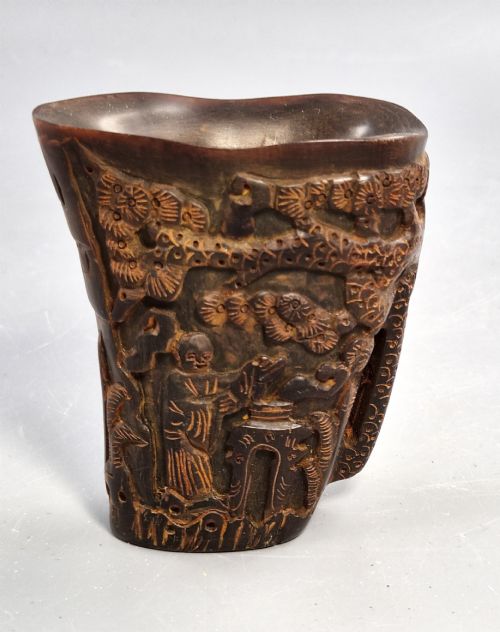
Some vessels were carved from water buffalo horn, proving that eighteenth and nineteenth-century hosts poured wine from practically anything.
Assessing Craftsmanship and Condition
Quality rests upon the crispness of execution, whether observing the sharp facets of a cut glass decanter or the fine detail of an embossed brass dinanderie body. Superior examples maintain structural integrity without excessive wear, preserving the original balance of handles, stems, and bases.
The sophistication of the maker's technique dictates the upper tier of the range, visible in complex double series opaque twists, precise wheel engraving, or balanced proportions on Georgian rummers. Lesser pieces display heavier, less refined casting or simpler glass forms lacking optical optical clarity.
Archibald Knox for Liberty Co·George Unite·Davenport
The Antique Wine Vessel Glossary
- Balustroid
- A glass stem form imitating the architectural baluster, typical of eighteenth-century English drinking vessels. It provides a heavy, tactile grip below the bowl.
- Ogee
- An S-shaped curved profile forming the bowl of certain wine glasses. This contour directs the drink smoothly towards the palate.
- Coopered
- Constructed from wooden staves bound tightly with metal hoops, as seen on oak buckets and barrels. This method ensures liquid containment without adhesives.
- Dinanderie
- Brass or bronze alloy items produced in Europe, particularly associated with embossed and cast decorative vessels. The technique yields rich surface texture.
- Libation cup
- A ceremonial vessel used for pouring ritual liquid offerings, often carved from horn or cast in bronze. These pieces carry deep symbolic iconography.
Antique Wine Vessel: Frequently Asked Questions
What were coopered oak buckets used for?
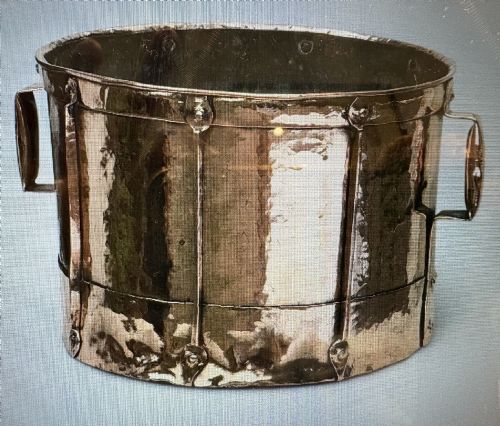
These robust wooden vessels served to chill wine bottles or hold ice beside the dining table, often fitted with metal or ceramic liners to protect the wood.
Their sturdy stave construction and drop handles allowed servants to transport heavy loads of bottles and ice safely across large dining rooms.
How should I clean antique glass decanters?
Cleaning requires lukewarm water and mild detergent, avoiding sudden temperature changes that can crack old, delicate lead glass or crystal.
Stubborn interior residue responds best to specialised cleaning beads or gentle swirling rather than harsh abrasives or soaking in hot water.
What is the difference between a claret jug and a decanter?
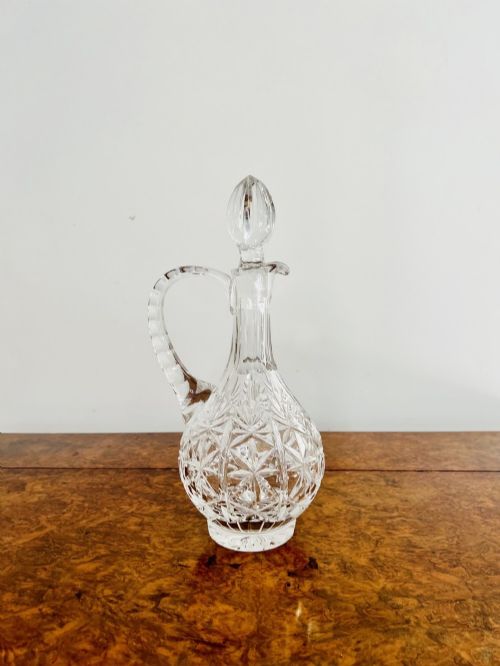
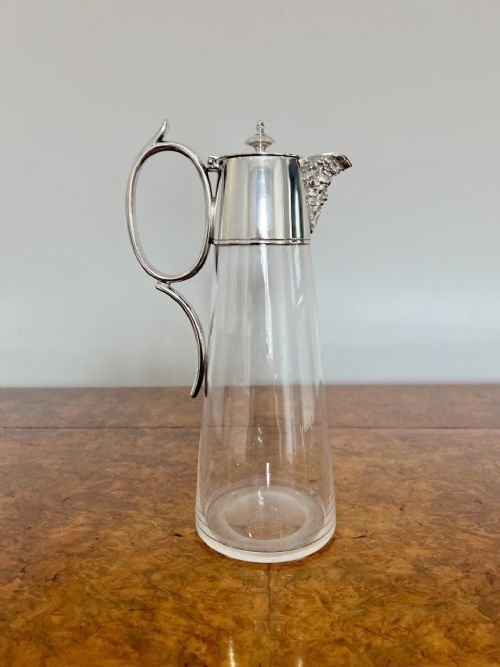
Claret jugs typically feature a hinged metal lid, a handle, and a pouring spout, designed specifically for serving red wine at the table. Decanters are generally stoppered glass vessels without handles, intended for both storing and pouring various wines.
Late nineteenth and early Edwardian claret jugs frequently incorporated silver-plated mounts and cut glass bodies.