




Victorian Silver Plated Pitcher
A victorian silver plated pitcher brings heavy glass and gleaming metal together for the dining table.
Victorian Silver Plated Pitcher
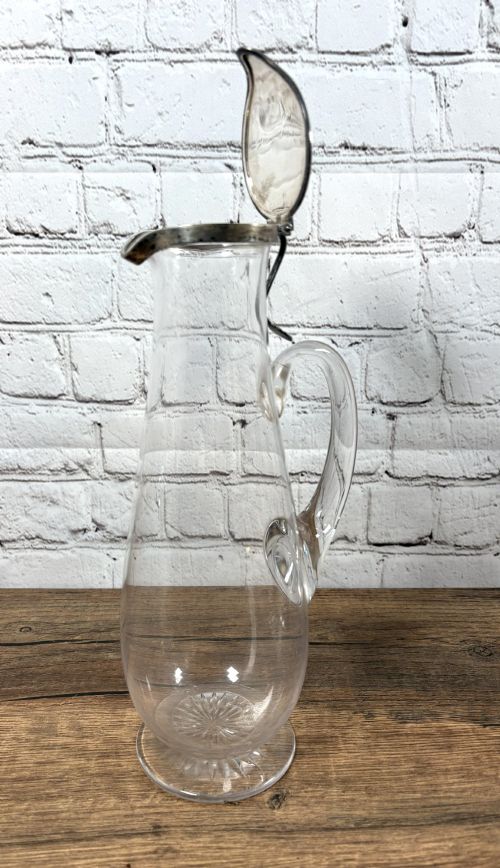
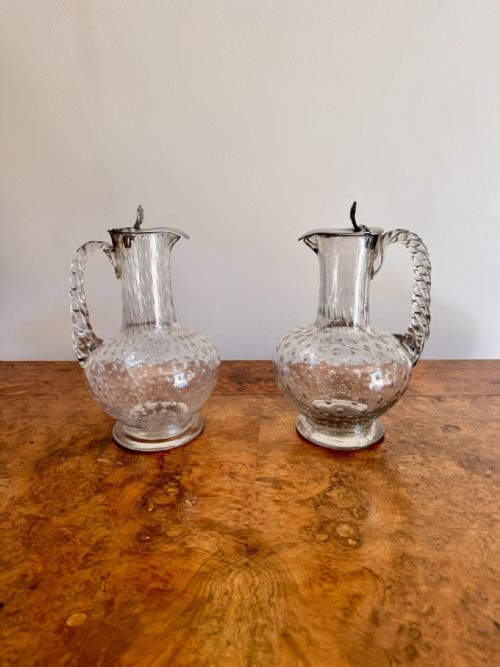
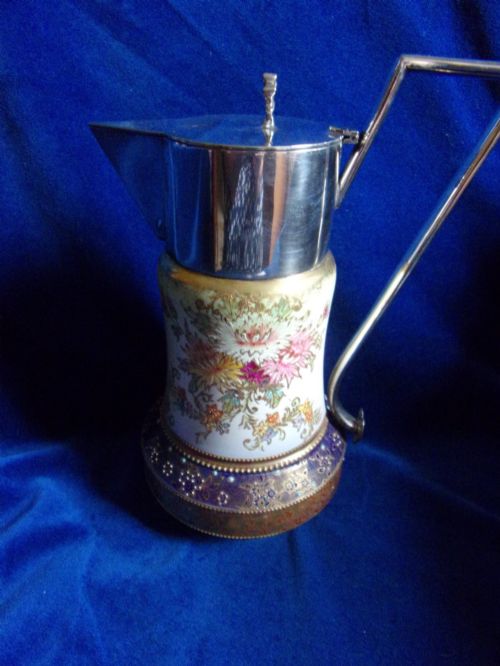
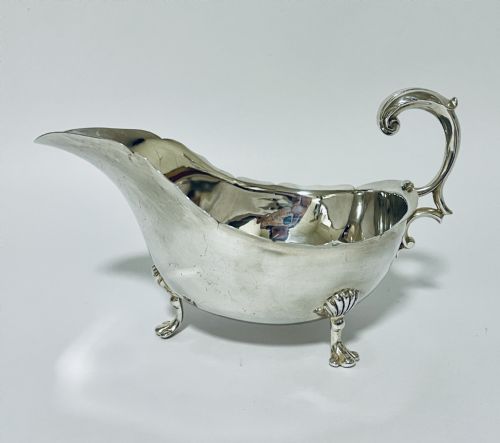
A victorian silver plated pitcher most frequently appears on this page in the form of a claret jug, combining a glass body with plated mounts. These vessels span various forms including wine flagons, lemonade jugs with ice tubes, and gravy warmers dating from the nineteenth century.
Makers produced these serveware pieces across several decades, showing styles ranging from Victorian Classical and Aesthetic Movement to Art Nouveau and Arts and Crafts. The selection includes tall ewers alongside simpler cream jugs and beer tankards.
Buyers encounter pieces originating from the middle of the nineteenth century through the Edwardian period. The combination of silver plate and glass dominates the selection, accompanied by examples in solid silver and metal.
Materials and Construction Methods
Silversmiths utilised silver plating and Old Sheffield plate over base metal frames to create durable mounts, hinged lids, and handles for glass bodies. Electrotyping also allowed makers to form sculptural details and entire wine jugs with defined relief work.
The glass bodies feature cut glass, crystal, etched glass, and cranberry glass, often blown and wheel-cut before mounting into the metal framework. Craftsmen secured these glass reservoirs with collars, mounts, and spouts using internal gaskets and collars.
Victorian Silver Plated Pitcher Retail Price Guide 2026
Typical asking prices for victorian silver plated pitcher among the pieces listed under this phrase on Sellingantiques today, from the lower quarter to the upper quarter. They describe what is for sale here now, not the wider market.
Listings feature periods spanning from the eighteen-sixties through the Edwardian era, alongside materials including crystal, cranberry glass, and silver plate.
Distinctions in Quality and Design
Quality rests on the crispness of the glass cutting and the weight of the silver plate applied to the mounts. Pieces with deep wheel-cut facets or complex etched patterns demonstrate superior execution compared to plain glass bodies.
Design attribution elevates certain examples, particularly when works bear the mark of prominent firms or distinct modernist lines by known designers. The integration of functional elements, such as internal ice tubes or unusual face spouts, separates standard production from ambitious studio work.
Padley Parkin And Staniforth·Henry Bourne·Mappin And Webb·Elkington And Co·Elkington Mason·Hukin And Heath·Dr Christopher Dresser
The Victorian Silver Plated Pitcher Glossary
- Claret jug
- A specialised vessel designed for serving red wine at the table. These incorporate glass bodies with hinged silver plated covers and handles.
- Electrotype
- A metal object produced by electrodepositing silver onto a mould. This technique created highly detailed vessels and decorative ewers during the Victorian period.
- Old Sheffield plated
- A method of fusing a thin sheet of silver to a thicker copper base before rolling into sheets. This technique predates modern electroplating.
- Cranberry glass
- A rich red glass coloured with gold chloride during melting. Makers utilised this material for decorative wine decanters and jugs.
- Ice tube
- A cylindrical metal insert placed inside a pitcher to cool liquids without dilution. These tubes appear in lemonade and beverage jugs.
Victorian Silver Plated Pitcher: Frequently Asked Questions
How do I clean a silver plated pitcher?
Wash the glass body gently using warm soapy water and a soft cloth to avoid scratching the surface. Polish the silver plated mounts with a dedicated silver cleaner, taking care not to rub the plating against the glass.
Avoid submerging pieces with old cement or sealed mounts in hot water for extended periods. Regular gentle maintenance preserves both the glass clarity and the plated finish.
How can I tell the difference between periods?
Examine the decorative style and manufacturing marks to determine the era of production. Mid nineteenth century examples often feature heavier classical or ecclesiastical styling, while pieces from the end of the century adopt Art Nouveau or Arts and Crafts motifs.
Glass types and mounting techniques also shift over time, with Edwardian items showing distinct cranberry glass or lighter cut crystal designs. Maker marks stamped on the metal mounts provide definitive chronological clues.
Can I use these pitchers for serving drinks today?
Many of these pitchers remain fully functional for serving water, wine, or iced beverages at the table. Inspect the interior to ensure the glass and metal components are clean and sound before use.
Hand washing is essential to protect the antique silver plate and glass from modern dishwasher detergents. Treat them with care to preserve their historical integrity.