
Antique Wine Drinking Glass
An antique wine drinking glass carries the weight of eighteenth and nineteenth-century gatherings in clear lead glass and intricate twists.
Antique Wine Drinking Glass
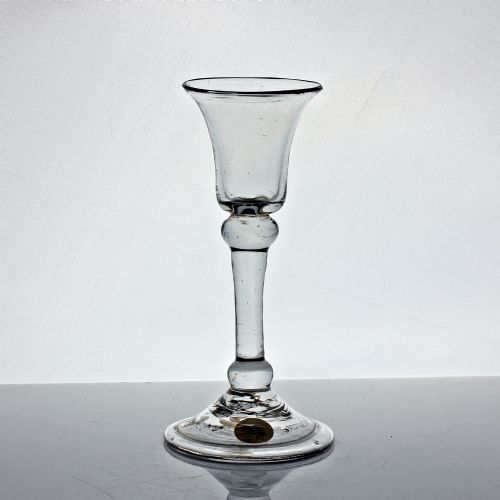
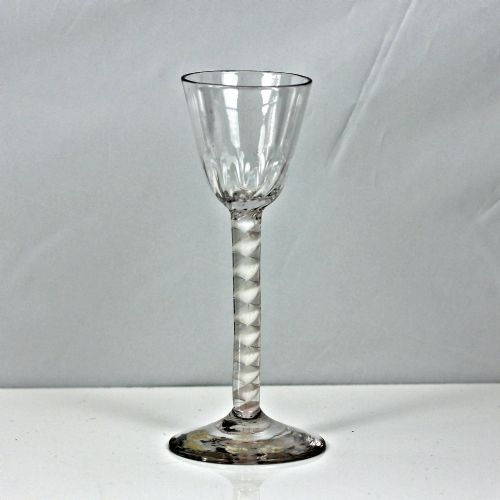
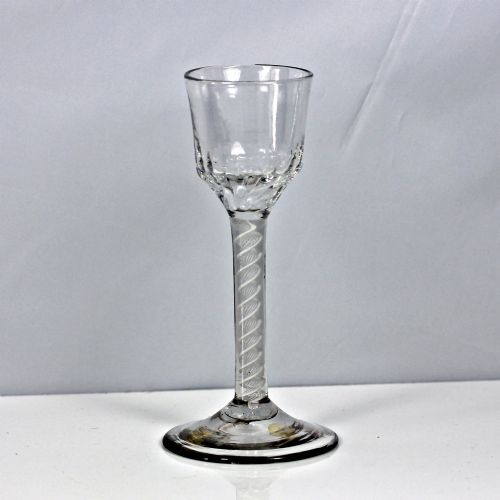
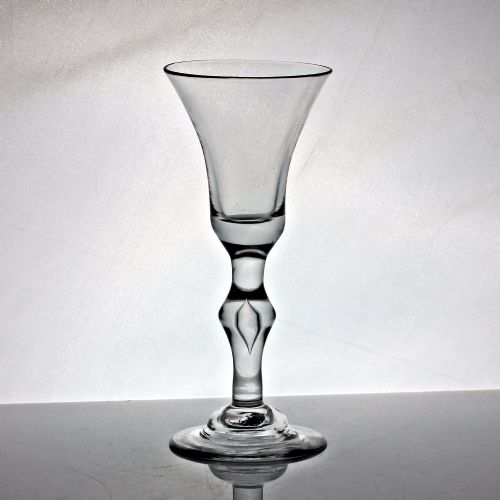
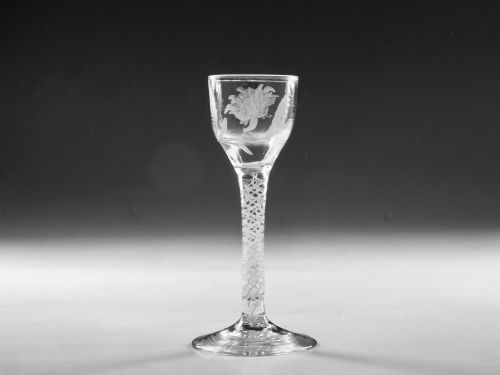
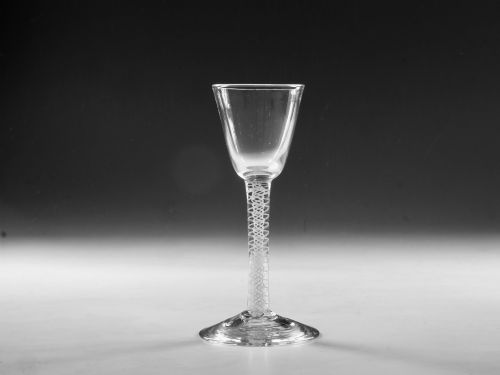
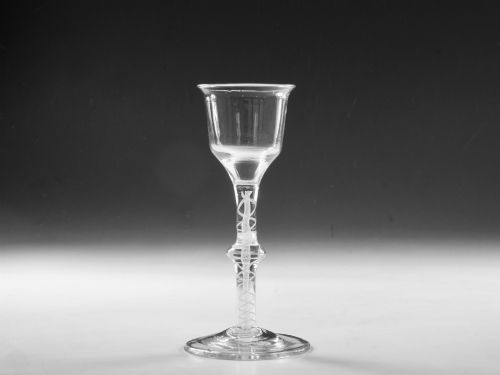
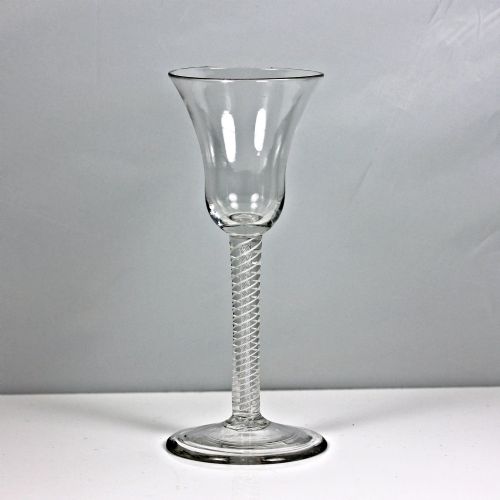
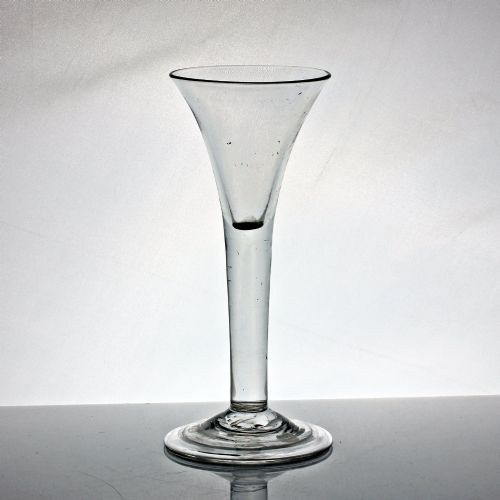
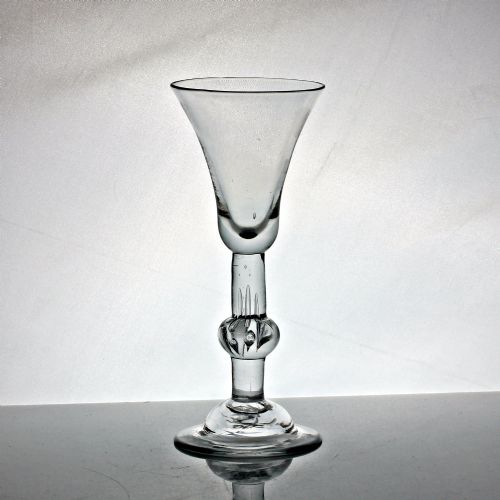
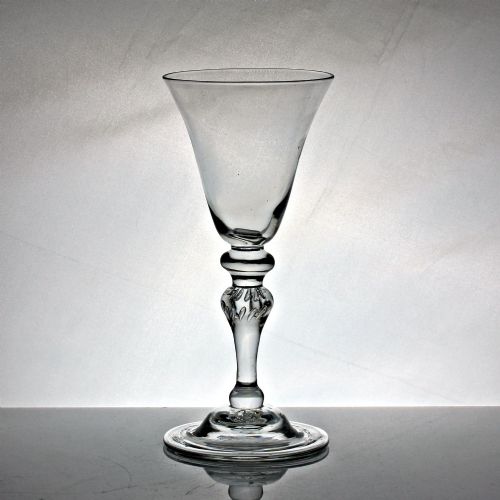
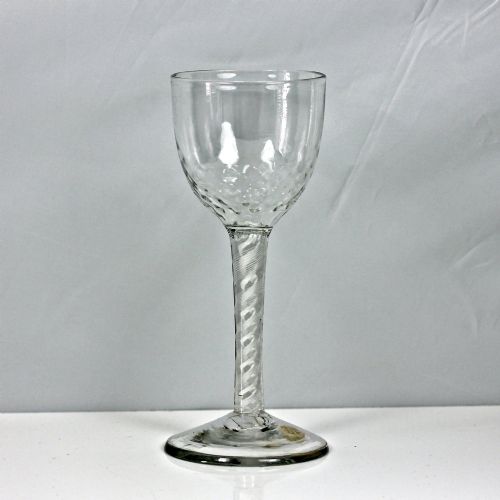
An antique wine drinking glass spans periods from the eighteenth century through the Victorian era and into the early twentieth century. These pieces encompass drinking vessels designed for wine, ale, and spirits, frequently taking the form of rummers, goblets, and stemmed glasses. The listings lean heavily towards Georgian examples featuring balustroid, air twist, and opaque twist stems.
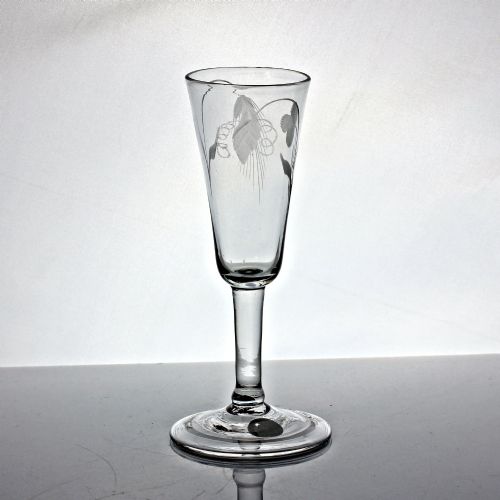
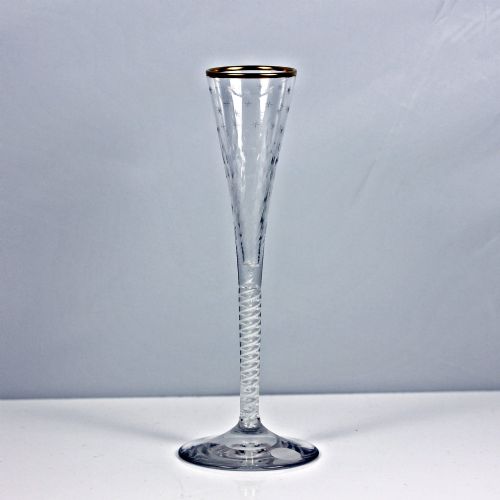
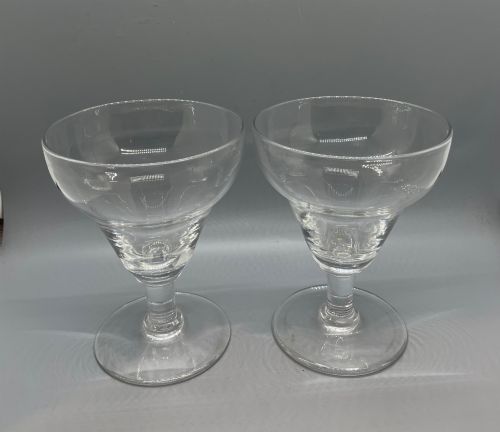
Buyers encounter specialised forms including sweetmeat glasses, champagne glasses, and large rummers alongside standard wine bowls. The origins trace primarily to English manufacture, utilising distinct regional and stylistic developments across different decades. Bowls range from pan top and ogee shapes to trumpet and flared bucket profiles, often resting on folded or domed feet.
Materials and Construction Techniques
Makers shaped these vessels using lead glass, flint glass, and clear lead glass, achieving a heavy and brilliant substance suitable for optical clarity. Lead crystal provided the weight and refractive quality essential for faceted stems and engraved bowls. Artisans incorporated white enamel and coloured twists within the stems by trapping threads of glass inside outer layers during drawing and twisting operations.
Surface decoration relied on copper wheel engraving to apply floral swags, Jacobite symbols, and commemorative inscriptions. Moulding techniques produced inverted petal patterns and ribbed bowl structures, while pontil marks on the underside of bases indicate traditional hand-finishing methods. Cut glass elements required precise wheel work to create facets along stems and bowls.
Listings feature lead glass, clear glass, and lead crystal objects spanning the Georgian, Victorian, and Art Deco periods.
Distinctions in Quality and Execution
The sophistication of the stem formation dictates much of the distinction between standard vessels and exceptional examples. Complex multi-spiral air twists, double series opaque twists, and mixed twist configurations demand high technical skill from the glassblower, separating simple plain stems from elaborate creations. The crispness of wheel engraving and the depth of surface cutting also separate basic domestic glassware from exhibition pieces.
Proportion and balance define the visual success of the piece, particularly in baluster and balustroid forms where knops and collars must relate harmoniously to the bowl and foot. The purity of the metal, freedom from excessive bubbles or cloudiness, and the stability of a well-formed foot contribute to the standing of an individual glass.
TIFFANY & Co
The Antique Wine Drinking Glass Glossary
- Air twist
- A stem containing spiral threads of trapped air created by drawing bubbles within the molten metal. This technique produces optical movement inside the glass shaft.
- Opaque twist
- A stem incorporating white or coloured enamel rods twisted within the clear glass. Single and double series refer to the complexity of these internal threads.
- Baluster
- A heavy, thick stem form inspired by architectural balusters, featuring swelling knops and collars. These are typical of earlier eighteenth-century English drinking vessels.
- Rummer
- A capacious drinking glass on a short stem used for wine, ale, or punch during the Georgian and Victorian periods. They often feature large bucket or rounded bowls.
- Pontil mark
- The rough scar left on the base of a vessel where the punty rod was detached after blowing. Its presence confirms traditional hand manufacture.
Antique Wine Drinking Glass: Frequently Asked Questions
What is an antique wine drinking glass?
An antique wine drinking glass is a hand-formed vessel produced primarily during the Georgian and Victorian eras, utilising lead glass or flint glass. These pieces serve functional drinking purposes while displaying period-specific manufacturing techniques such as air twists and engraved decoration.
Such vessels range from simple plain stem wine glasses to elaborate rummers and balusters designed for social dining. Their forms reflect the changing tavern and domestic habits of eighteenth and nineteenth-century Britain.
How do I date an antique glass?
Dating relies on observing stylistic markers such as stem construction, bowl shape, and foot formation. Eighteenth-century examples frequently feature baluster stems or air twists, whereas Victorian pieces often display heavier proportions and cut glass decoration.
Manufacturing traces like rough pontil marks, metal composition, and the specific style of wheel engraving provide further chronological clues. Comparing piece architecture against documented historical types establishes the approximate decade of production.
Were these glasses used daily?
Many of these vessels functioned as everyday tableware in domestic settings, taverns, and dining rooms across Britain. Sturdier forms like rummers and ale glasses handled frequent use during communal meals and social gatherings.
More delicate variants, including sweetmeat glasses and fine twist-stem wine glasses, belonged to formal table settings for special occasions. Their survival indicates careful handling by generations of users.
How should I display my glassware?
Displaying antique glassware involves placing pieces on stable, flat surfaces away from direct vibration and strong sunlight. Enclosed cabinets protect delicate rims and engraved surfaces from accidental impacts and dust accumulation.
Proper spacing prevents friction between adjacent vessels, particularly when grouping sets of rummers or wine glasses together. Adequate shelf lighting enhances the optical qualities of lead crystal and internal stem twists.