




Antique Wine Cellaret
An antique wine cellaret is a sturdy wooden box designed to keep bottles cool at the dining table, combining practical function with architectural presence.
Antique Wine Cellaret
When you search for an antique wine cellaret, you encounter substantial receptacles intended for the storage and cooling of bottled wine in grand dining rooms. The pieces appearing here span the Georgian, Regency, and Victorian eras, reaching into early twentieth-century revivals.
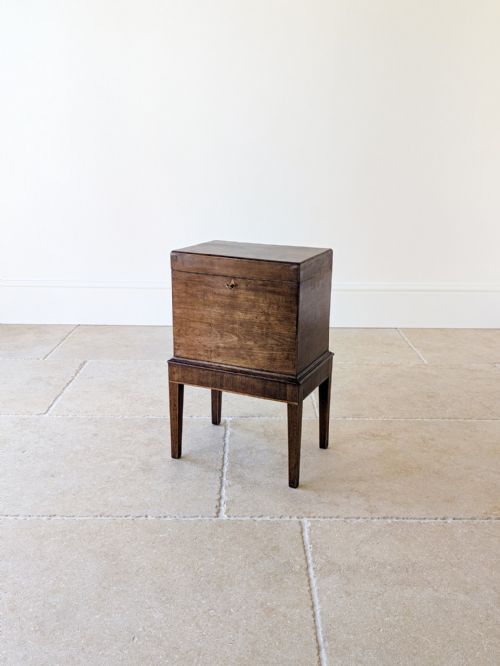
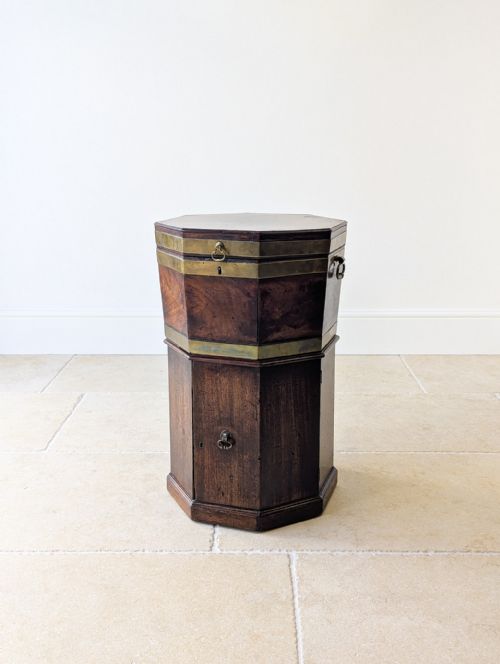
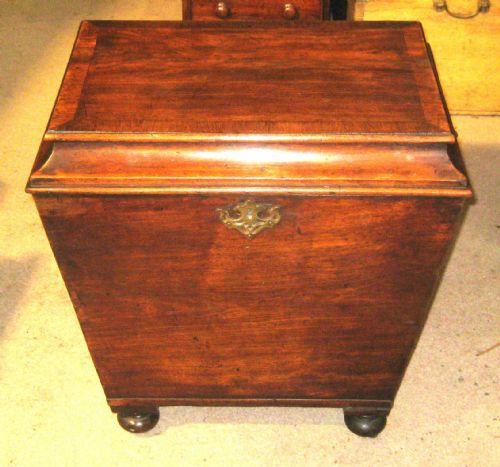
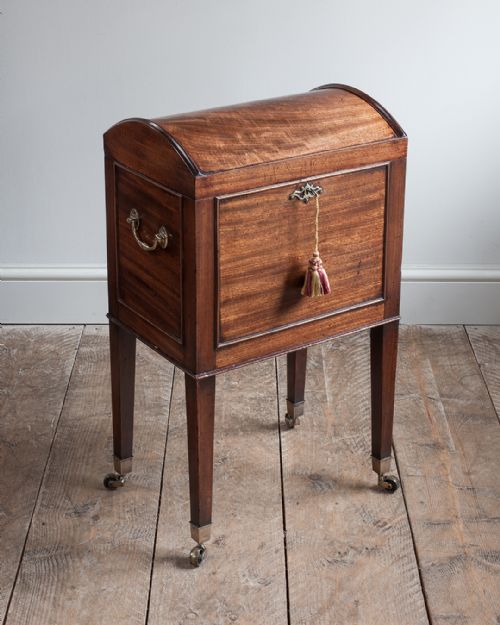
The most frequent form on this page is the mahogany box, whether fashioned as an octagonal chest, a serpentine cabinet, or a classic sarcophagus shape. These vessels often sit upon fitted stands, castors, or short legs, allowing them to be moved easily across floorboards.
Alongside formal mahogany examples, the selection includes rustic pine alternatives and oak designs influenced by neoclassical ideals. Each variant reflects the dining customs of its era, when wine was drawn from bins and presented directly to guests.
Materials and construction
Cabinetmakers relied heavily on dense hardwoods, employing mahogany as the primary timber, occasionally accented with satinwood inlay or enriched with ormolu mounts. Brass banding frequently reinforced the staves of octagonal and cylindrical designs, providing both structural strength and decorative contrast.
Internal lead-lined compartments feature prominently in traditional examples, designed to hold ice and water around the bottles. Joinery demanded high precision to manage the weight of wet lead linings and heavy timber without warping.
Brass bands and castors appear frequently on octagonal cellarets, designed to help servants manoeuvre heavy containers filled with ice and glass.
Craftsmanship and proportion
The distinction between ordinary utility items and exceptional pieces lies in the figure of the mahogany and the crispness of the carving or brass work. Finer examples display carefully selected grain patterns, particularly on serpentine and sarcophagus lids, alongside well-executed bracket feet or classical paw feet.
Structural integrity and the preservation of interior lead linings or original brass handles separate untouched survivals from heavily altered boxes. The balance of proportions, especially in octagonal and sarcophagus forms, dictates the visual success of the piece.
Robert Strahan and Co·Gillows
The Antique Wine Cellaret Glossary
- Cellaret
- A secure box or cabinet used for storing bottles of wine near the dining table. They frequently incorporate internal partitions or metal linings.
- Sarcophagus
- A box shape featuring a domed lid and sloping sides, popular during the Regency period for wine coolers and large storage chests.
- Ormolu
- Gilded bronze used for decorative mounts and handles on late eighteenth and early nineteenth-century furniture.
- Serpentine
- A curved line of furniture fronting that bends outward at the centre and inward at the sides, demanding expert carpentry.
- Banding
- A narrow strip of contrasting timber veneer inlaid around the edges of a panel or lid to frame the primary wood.
Antique Wine Cellaret: Frequently Asked Questions
How were cellarets used historically?
Servants placed wine bottles inside the cellaret with ice or cold water during formal meals to maintain the correct temperature.
Positioned near the dining table or sideboard, the box allowed easy access to refills without requiring trips to a distant storage room.
How do I date a cellaret?
Dating relies on stylistic clues, timber choice, and construction methods characteristic of periods like the Georgian or Regency eras.
Earlier eighteenth-century pieces often feature octagonal shapes with brass bands, while Regency versions commonly adopt sarcophagus forms with classical brass handles.
Can I use a cellaret as a coffee table?
Larger sarcophagus or box forms can function effectively as low tables or statement storage pieces in a modern living space.
Their robust timber construction and hinged lids make them practical for storing blankets or books while retaining their antique character.