

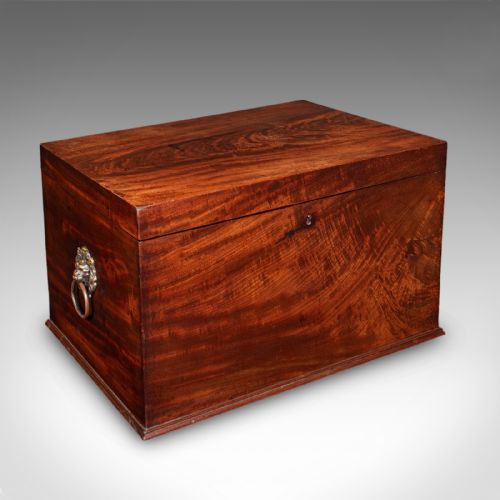
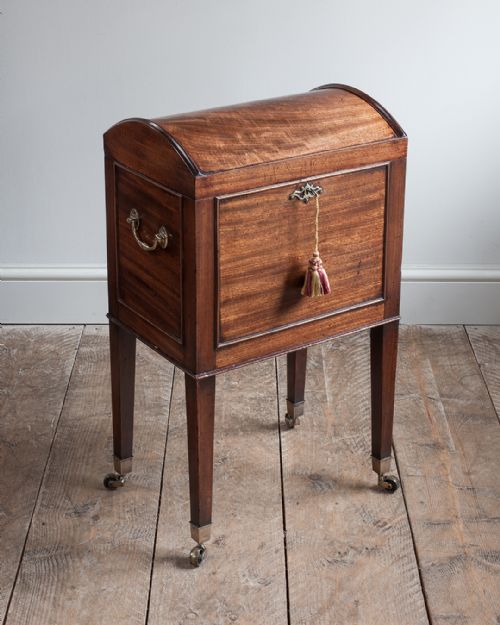


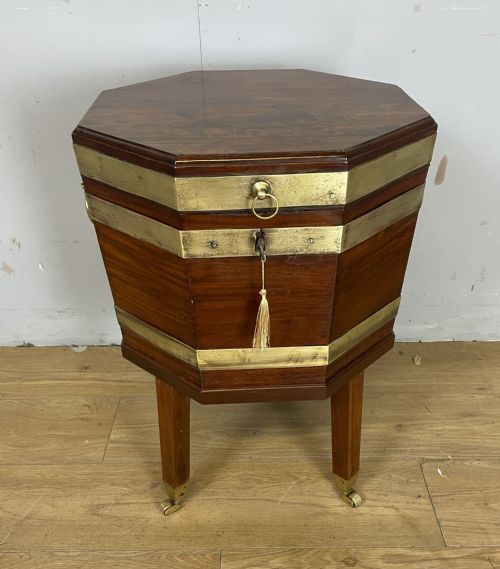

Mahogany Spirit Cabinet
These mahogany spirit cabinet pieces provide secure storage for your finest bottles, combining fine timber with practical utility.
Mahogany Spirit Cabinet
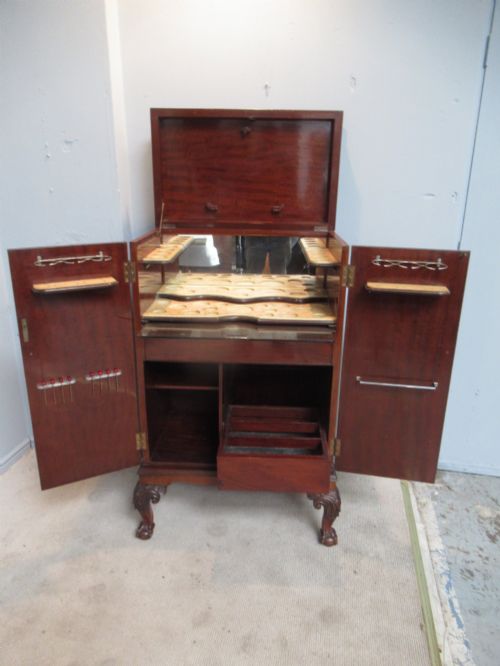
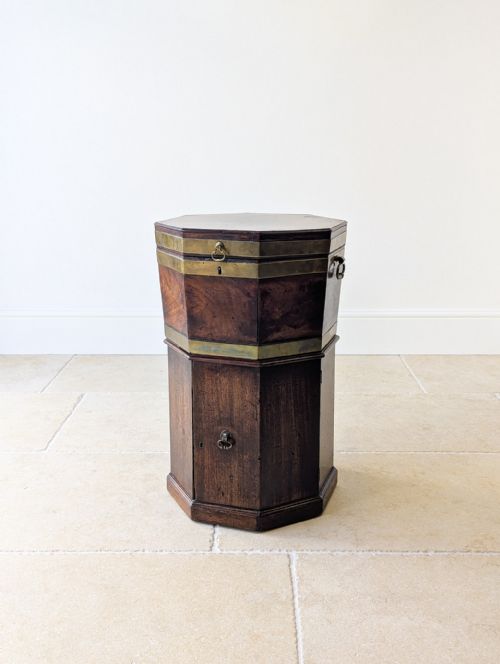
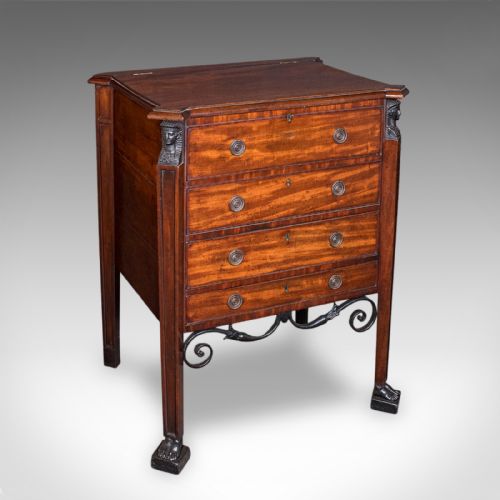
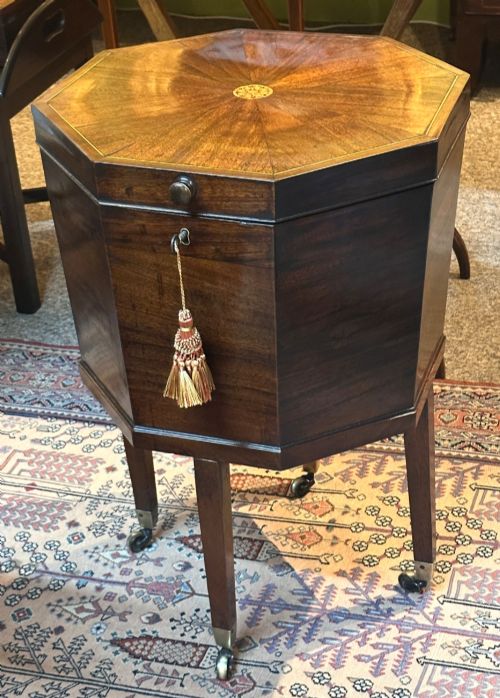
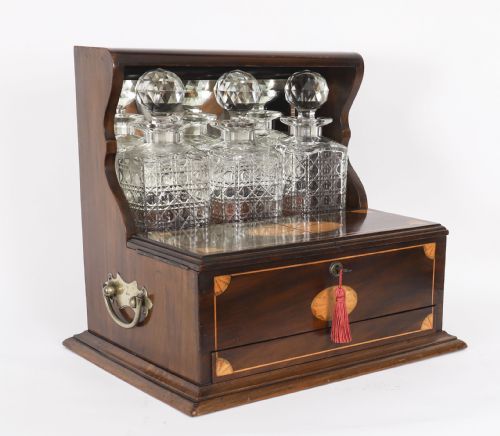
A mahogany spirit cabinet encompasses various forms designed for storing and locking away bottles and decanters. When you search for this phrase, you encounter cellarettes, drinks cabinets, cocktail cabinets, and tantaluses spanning from the Georgian period through to the 1930s.
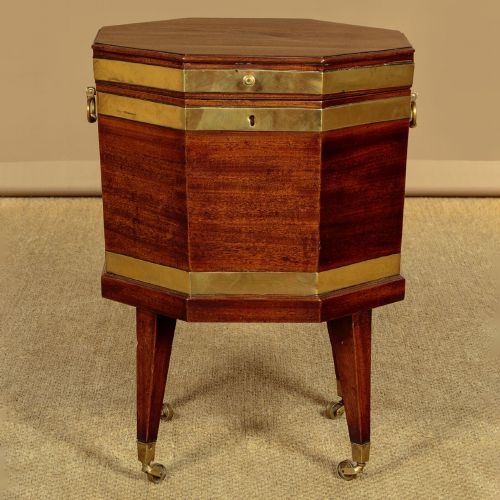
The selection ranges from George III brass-bound octagonal cellarettes to Edwardian and Art Deco era cocktail cabinets. These items reflect changing social habits in entertaining, moving from discrete under-table wine storage to freestanding display pieces.
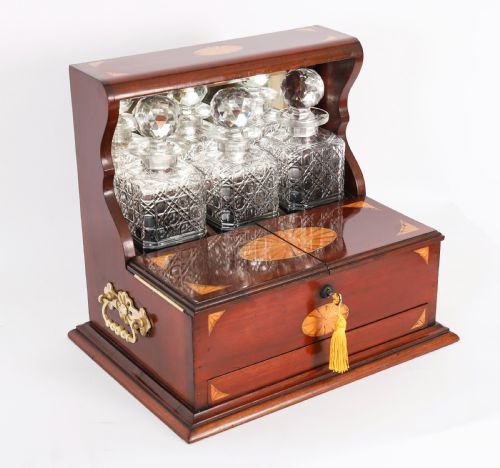
Most examples originate from the 18th century, the Georgian era, and the Victorian period, though later 1930s interpretations also appear. Buyers find pieces utilising satinwood inlay, mirror glass, and cut crystal decanters.
How they were made
Metalwork played a structural and decorative role, with brass banding securing octagonal cellarettes and iron fittings supporting internal mechanisms. Glass components, including mirror glass backs and cut crystal decanters, completed the interior drinking service.
Listings feature items spanning the 18th century, Georgian, Regency, Victorian, Edwardian, and 1930s eras, constructed from mahogany, brass, glass, and satinwood.
What varies in quality
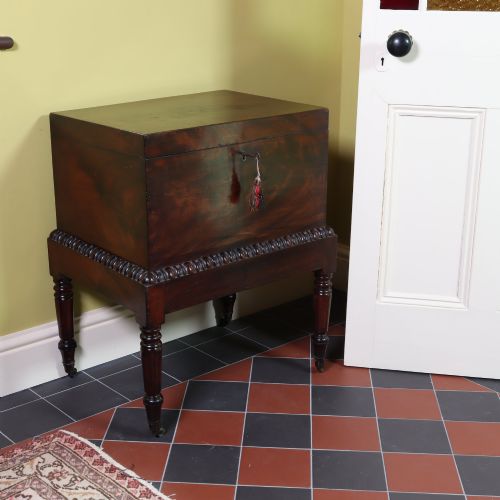
The refinement of the timber selection and the precision of the joinery separate standard examples from finer works. Flame mahogany veneers matched across panels and crisp brass bindings indicate superior workshop execution.
Interior fittings such as complete sets of cut crystal decanters and integrated games compendiums elevate the utility and desirability of a piece. The integration of specific regional styles, such as Egyptian revival motifs or Irish cabinet-making traits, influences the character of the object.
Gillingtons
The Mahogany Spirit Cabinet Glossary
- Cellaret
- A lockable container or box designed to hold bottles of wine or spirits, often lined with lead or metal to hold ice. They sat beneath sideboards or on the floor during the Georgian and Regency periods.
- Tantalus
- A locking wooden frame that holds decanters securely so they remain visible yet inaccessible without a key. This invention prevented unauthorized sampling by domestic staff.
- Flame mahogany
- A decorative wood veneer cut from the point where a branch joins the main trunk, producing a rippling flame effect. Cabinet makers utilised this figure for principal display surfaces.
- Decanter
- A glass vessel used for holding and serving spirits or wine, frequently cut with geometric patterns. Sets of three often fitted securely into nineteenth-century locking frameworks.
- Satinwood
- A durable, yellowish timber from tropical trees utilised for contrasting inlay work and banding on dark mahogany surfaces. It added bright detail to Edwardian and Georgian furniture.
Mahogany Spirit Cabinet: Frequently Asked Questions
What is a mahogany spirit cabinet?
A mahogany spirit cabinet is a term encompassing cellarettes, tantaluses, and drinks cabinets designed to secure and display bottles. These items range from Georgian octagonal wine storage boxes to 1930s cocktail furniture.
They function as both practical storage and decorative household objects, utilising timber, brass, and cut crystal.
How do I date a cellaret?
Dating relies on stylistic clues, construction methods, and materials such as brass banding or flame mahogany veneers. Georgian examples often feature octagonal shapes and heavy brass mounts, while Victorian and Edwardian pieces incorporate mirror glass and complex locking mechanisms.
Looking at the cut of the crystal and the type of secondary wood aids verification.
Where were spirit cabinets placed?
Earlier cellarettes sat beneath dining room sideboards or on the floor for easy access during meals. Later cocktail cabinets and tantaluses stood in reception rooms as freestanding furniture for entertaining guests.
Their placement shifted as domestic habits changed over the centuries.
What is the difference between a cellaret and a tantalus?
A cellaret is a enclosed box or cabinet designed to store wine bottles and spirits, often with a lined interior. A tantalus uses an open wooden framework with a locking bar that holds decanters firmly in place.
Both secure the contents, but the tantalus displays the decanters while denying access.