



Antique Windsor Seat Set
An antique windsor seat set brings robust domestic history into a dining room through paired timbers and pegged joints.
Antique Windsor Seat Set
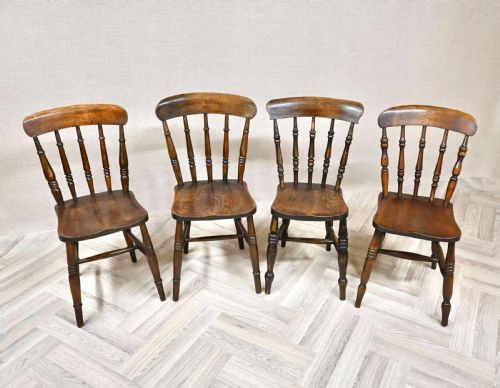
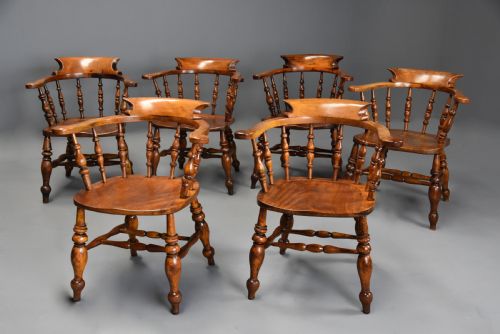
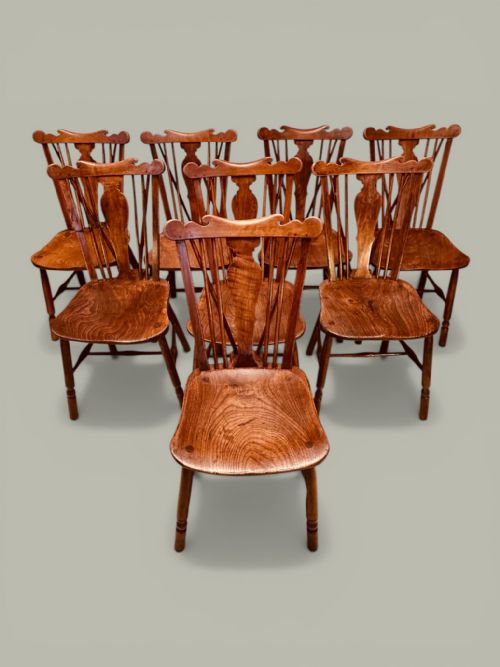
An antique windsor seat set consists of multiple matching or harmonising timber chairs designed for kitchen and dining tables, emerging most frequently from the nineteenth century in various regional English farmhouse styles.
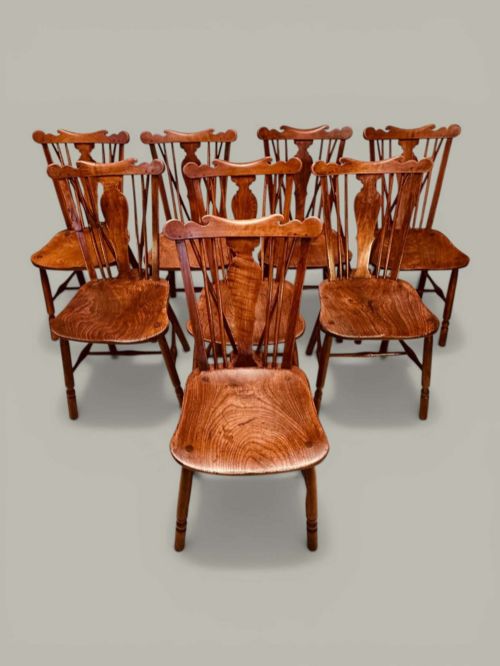
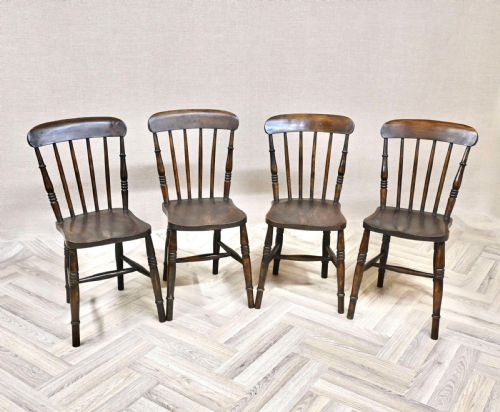
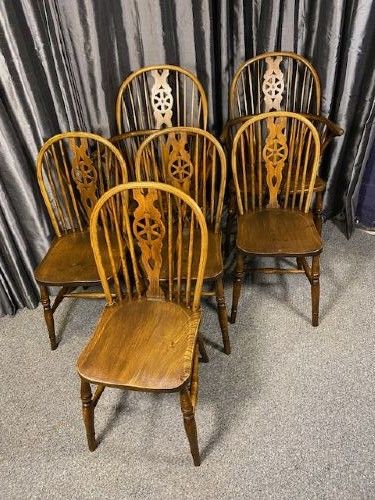
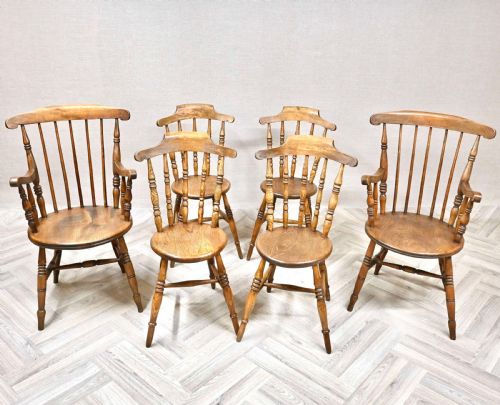
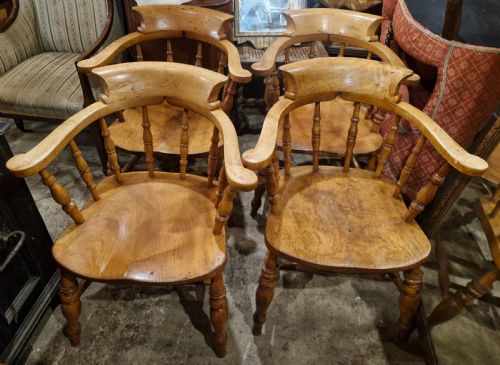
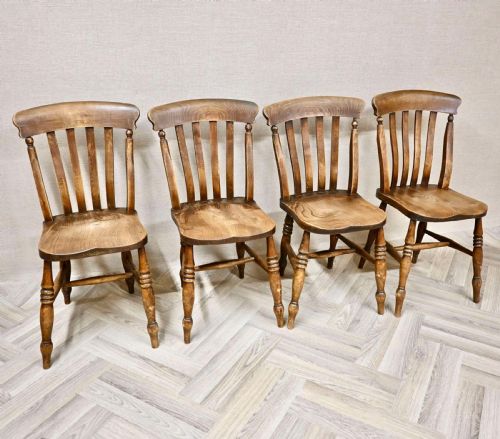
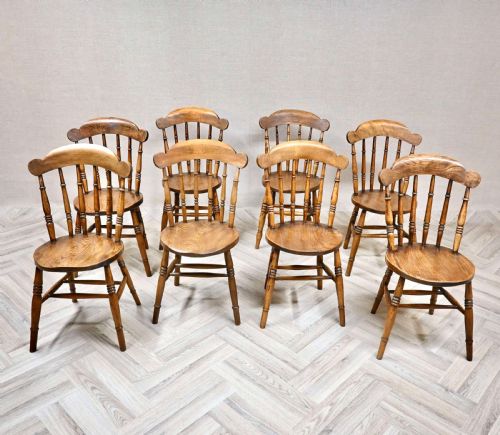
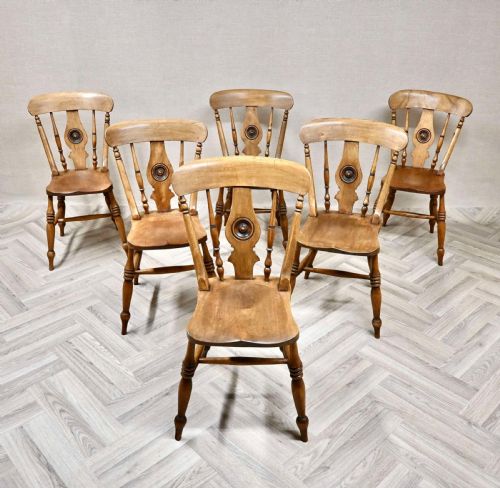
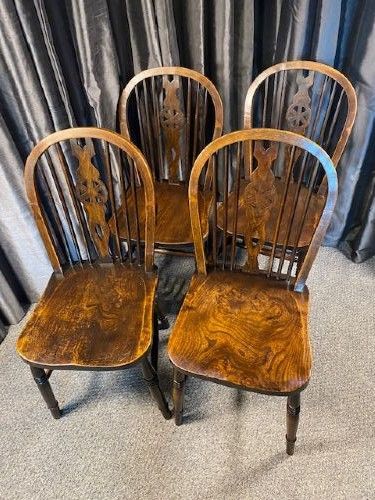
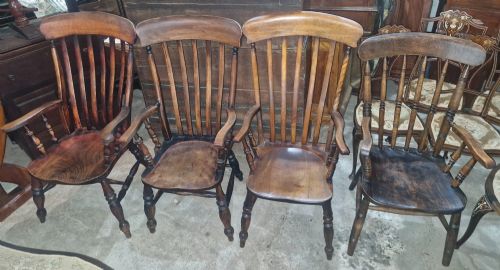
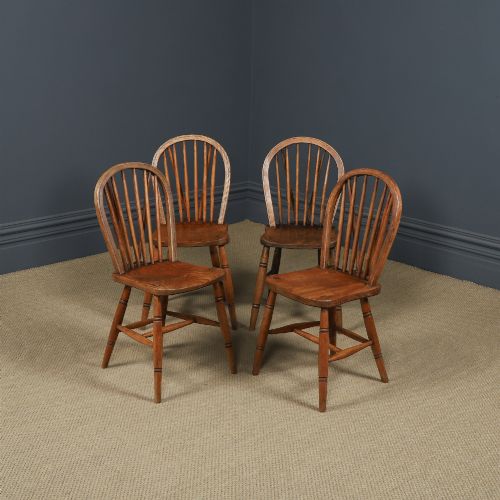
Buyers encounter sets ranging from four to eight pieces, taking forms such as comb backs, stick backs, lath backs, and wheel backs, alongside low backs and smokers bow armchairs.
The materials reflect traditional English rural craftsmanship, combining elm seats with ash, beech, fruitwood, oak, or yew for spindles and legs.
Materials and construction
Maker construction relies on the saddle-shaped solid timber seat, typically carved from a thick slab of elm to receive the wedged legs and upright back staves.
Turning lathes shape the beech and ash spindles and stretchers, while steam bending forms the continuous hoop backs and arm bows characteristic of the regional vernacular.
Antique Windsor Seat Set Retail Price Guide 2026
Typical asking prices for windsor seat set among the pieces listed under this phrase on Sellingantiques today, from the lower quarter to the upper quarter. They describe what is for sale here now, not the wider market.
Some sets turn up as harlequins, gathered one by one until they match in spirit if not in tree.
Indicators of distinction
Quality rests in the grain pattern of the timber seat and the harmonious matching of turned components across an entire set of chairs.
Well-formed armrests, deeply dished penny seats, and intact wedged through-tenon joints distinguish finer sets from simpler utilitarian production.
Worksop Allsop·Worksop
The Antique Windsor Seat Set Glossary
- Comb back
- A windsor chair style featuring a low bow back with vertical spindles extending upward into a horizontal crest rail resembling the teeth of a comb.
- Penny seat
- A saddle-shaped wooden seat base shaped with deep circular adze indentations resembling large copper pennies.
- Smokers bow
- A sturdy low-backed armchair featuring a rounded arm rail supported by turned spindles, traditionally utilised in tavern and kitchen settings.
- Wheel back
- A chair back incorporating a pierced central splat carved or shaped in the silhouette of a spoked carriage wheel.
Antique Windsor Seat Set: Frequently Asked Questions
What is an antique windsor seat set?
These sets comprise multiple wooden chairs sharing construction traits like central elm seats and turned spindle backs, produced primarily in English country workshops.
They serve as practical dining furniture originating from Victorian and earlier rural traditions.
How were these dining chairs used?
Rural households utilised these timber seats daily around farmhouse and kitchen tables for dining and domestic labour.
Their sturdy construction suited active family life and heavy domestic service.
How do I live with these chairs?
Placing them around a solid timber dining table creates a grounded country aesthetic in modern or traditional interiors.
Maintain them by keeping humidity stable to preserve the seasoned elm and ash components.
How do I identify chair periods?
Makers combined various woods like yew, fruitwood, beech, and elm across the eighteenth, nineteenth, and early twentieth centuries.
Back styles such as comb backs, wheel backs, and lath backs help differentiate the various manufacturing decades.