




Antique Fruitwood Chair
When you search for an antique fruitwood chair, you find a diverse range of country and formal seating shaped from dense, characterful timber.
Antique Fruitwood Chair
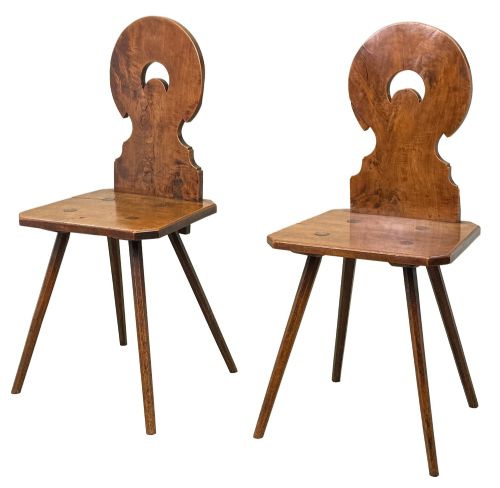
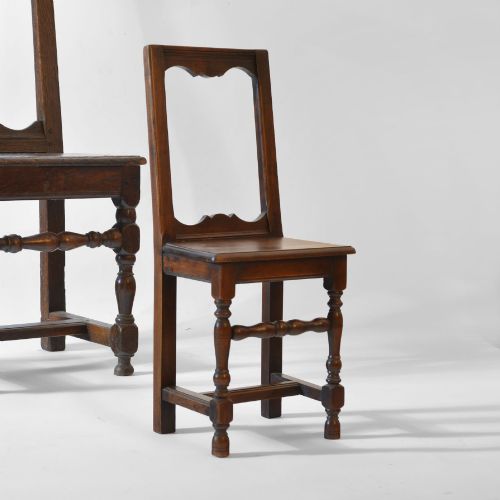
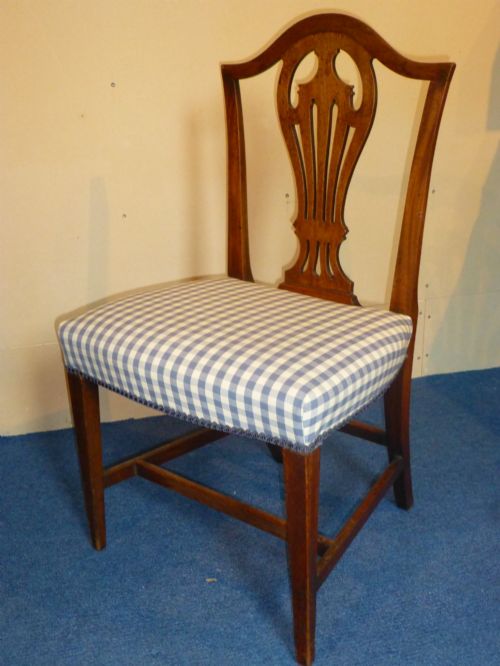
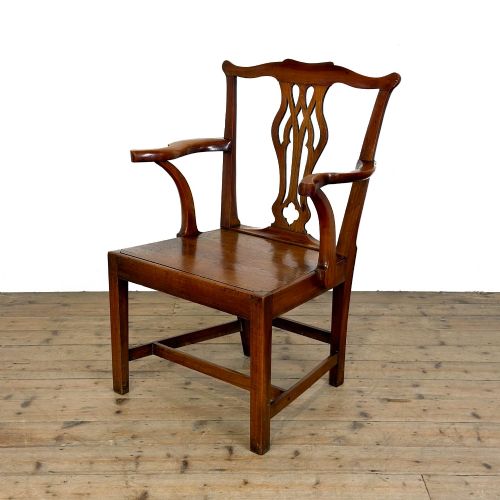
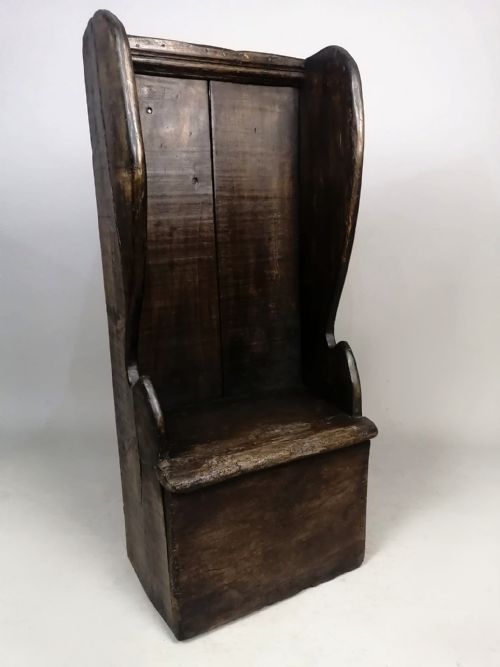
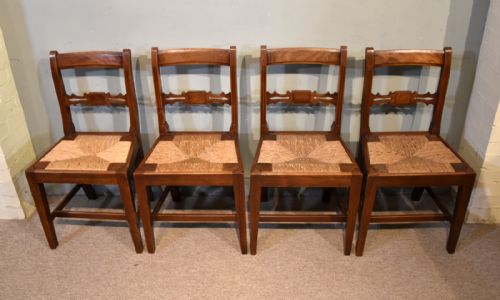
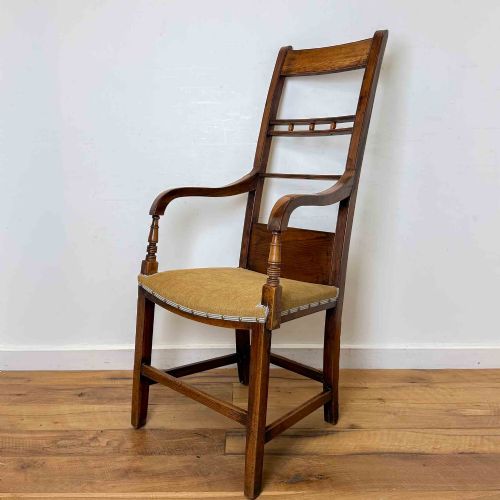
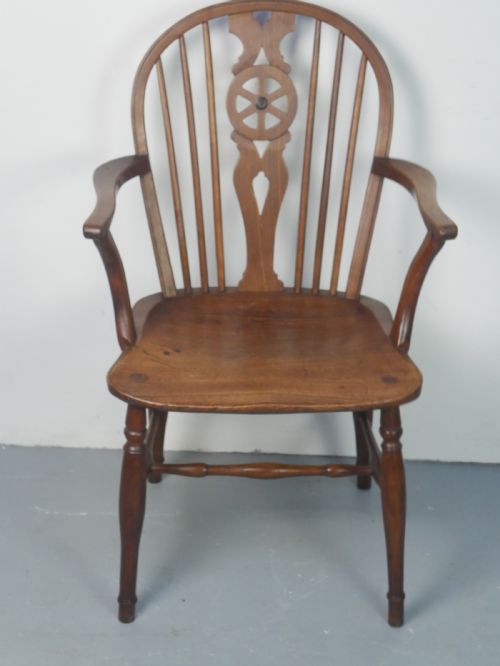
An antique fruitwood chair encompasses seating produced across the seventeenth, eighteenth, and nineteenth centuries, utilising native timbers like cherry, plum, and apple alongside mixed regional woods. Buyers encounter varied forms on this page, ranging from formal dining chairs and Chippendale style armchairs to robust Windsor farmhouses, child rockers, and provincial French seating.
Regional vernacular pieces dominate the selection, showing the distinct traditions of English makers in East Anglia, the Thames Valley, and the West Country alongside continental French provincial designs. These forms include stick backs, comb backs, spindle backs, and ladder backs, often paired with rush seats or fabric upholstery.
Makers often combined fruitwood with elm, ash, yew, and oak, exploiting the specific grain patterns and strength of each timber for different parts of the frame. This creates chairs designed for daily domestic utility, whether utilised as desk seats, hall chairs, or corner seating.
What varies in quality
Quality in these chairs lies in the selection of the timber and the integrity of the original construction, where rich natural patination and honest surface wear distinguish superior examples. Fruitwood accepts a warm, deep polish over time, and pieces retaining their original unbleached surfaces and tight joinery command greater appreciation.
Antique Fruitwood Chair Retail Price Guide 2026
Typical asking prices for fruitwood chair among the pieces listed under this phrase on Sellingantiques today, from the lower quarter to the upper quarter. They describe what is for sale here now, not the wider market.
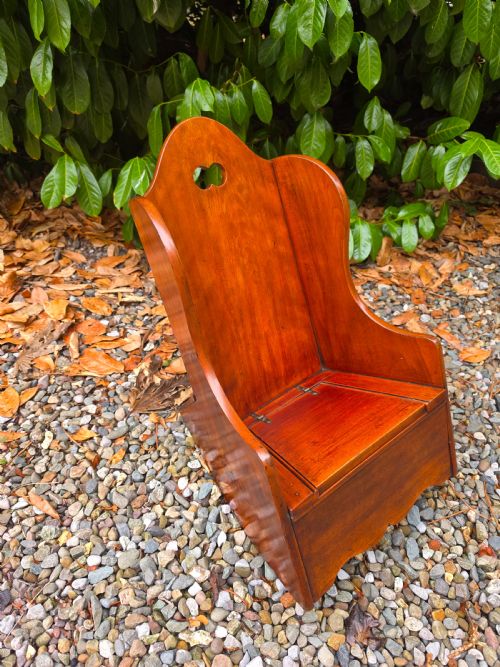
Early child's potty rockers ensure even the smallest family members could gently sway while attending to their daily business.
The Antique Fruitwood Chair Glossary
- Windsor chair
- A timber chair constructed with a solid wooden seat into which the legs and back sticks are independently inserted. This form evolved into numerous regional English variations including comb backs and stick backs.
- Fruitwood
- A dense, hard timber harvested from fruit-bearing trees such as cherry, plum, and apple. It is prized for its fine grain and ability to take a deep, warm patina.
- Rush seat
- A seating surface woven from dried marsh rushes tightly wound around the seat rails. This traditional method provides a resilient and textured platform.
- Carver
- An armchair, typically designed to match a set of single dining chairs and placed at the head of a table. These pieces often feature more elaborate arm supports and crest rails.
- Patination
- The glossy, aged sheen developed on the surface of timber through decades of handling, polishing, and exposure to light. It serves as a visual indicator of age and authenticity.
Antique Fruitwood Chair: Frequently Asked Questions
How do I identify a regional Windsor chair?
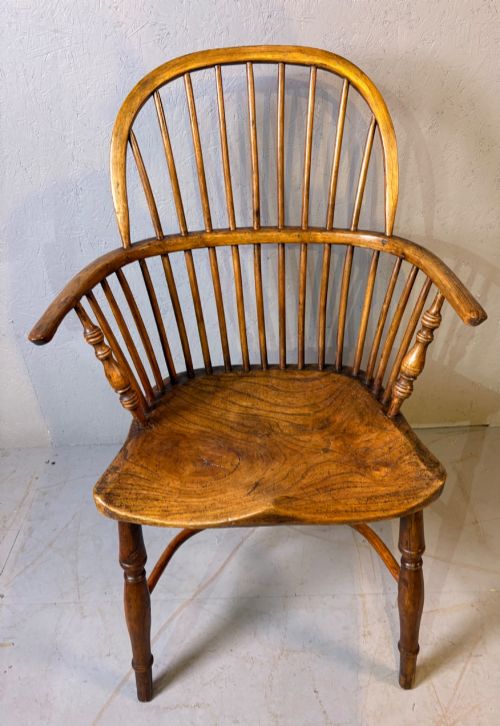
Regional Windsor chairs display distinct construction traits tied to specific English localities, such as the Thames Valley or East Anglia. Makers utilised local combinations of fruitwood, elm, and ash to build the distinctive comb backs and bow top armchairs.
Examining the turning of the legs and the shape of the saddle seat reveals the workshop traditions of the maker. These details help separate West Country pieces from those made in northern or eastern counties.
What is a Mendlesham chair?
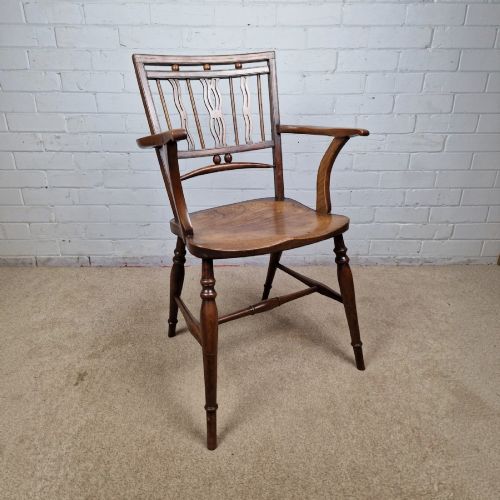
A Mendlesham chair is a distinctive type of regional Windsor chair originating from Suffolk, typically featuring a solid fruitwood or elm seat and a carved splat back. These chairs often incorporate contrasting woods and delicate crinoline stretchers.
They represent a more refined style of country furniture produced by specialist regional joiners. Collectors value them for their elegant proportions and sophisticated carpentry.
How should I care for a fruitwood surface?
Fruitwood responds best to minimal intervention, requiring only occasional application of traditional beeswax to nourish the dry timber. Avoid modern silicone sprays or excessive moisture which can damage the aged surface.
Keeping the chair away from direct sunlight and steady heat sources protects the grain and prevents the historic joints from drying out and loosening.
Are rush seats durable for daily use?
Traditional rush seats woven from marsh plants are surprisingly strong and support regular sitting when treated with care. They flex slightly under weight, which distributes pressure evenly across the wooden frame.
Original rush requires protection from sharp objects and damp conditions to prevent snapping. Periodic light dusting keeps the woven strands flexible over time.