


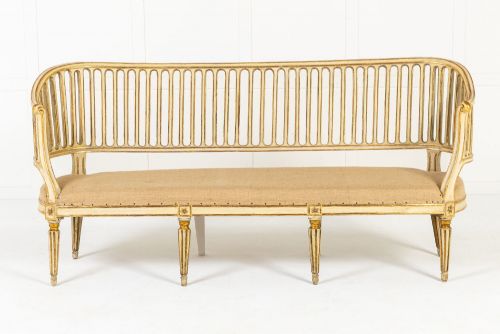
Antique Window Bench Settee
An antique window bench settee brings elegance to an alcove or bedroom, offering a compact seat styled with period charm.
Antique Window Bench Settee
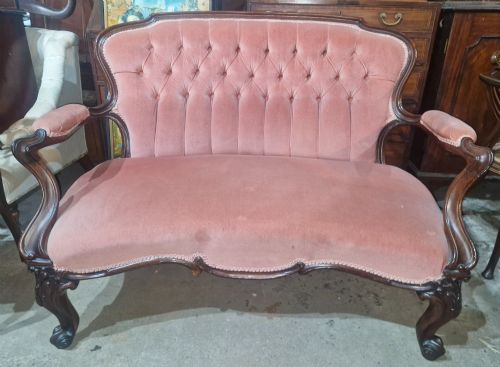
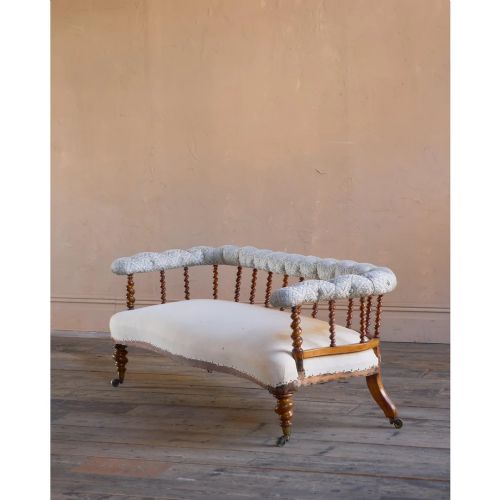
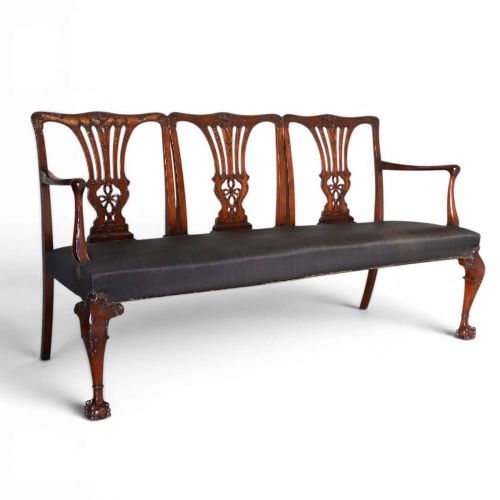
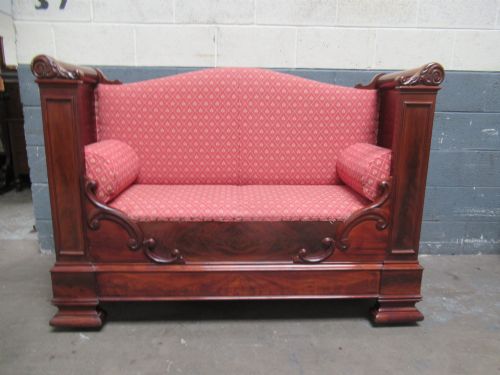
When you search for an antique window bench settee, you encounter a varied selection of long seating forms designed for specific domestic spaces. These pieces span from the eighteenth century through the Edwardian period, encompassing multi-seat settees, salon sofas, and narrow window seats. The selection ranges from robust mahogany frames to painted satinwood and delicate canework couches.
Many examples display distinct stylistic revivals, including Hepplewhite and Chippendale influences alongside Victorian and Edwardian interpretations. You will find items intended for bedrooms, halls, and parlours, often featuring chair-back designs or upholstered ends suitable for placement at the foot of a bed. The forms bridge the gap between chairs and full-size sofas, tailored traditionally for shallow spaces and light-filled window recesses.
Materials and construction methods
Cabinet makers utilised dense hardwoods such as mahogany and rosewood for structural durability, often employing satinwood for decorative veneering. Frames frequently feature intricate hand-carving or contrasting inlay work, incorporating materials like bone and brass details.
Seating areas utilise varied traditional methods, ranging from tightly woven cane work to fully upholstered pads covered in fabric, velvet, or silk. Painted finishes and giltwood embellishments appear on specific styles, notably on French and Regency inspired frames.
Listings feature mahogany, rosewood, and satinwood alongside canework and velvet upholstery across the Victorian and Edwardian eras.
Assessing craftsmanship and finish
The distinction between standard and superior pieces rests upon the crispness of the hand-carved detail and the selection of timber figure. Finer examples display precise inlay work, balanced proportions, and integrated stylistic flourishes rather than plain construction.
The integrity of the frame construction and the preservation of original decorative surfaces significantly elevate a piece. Superior seating combines robust joinery with sophisticated ornamentation, such as gilded highlights or refined cane panels.
C. Hindley & Sons
The Antique Window Bench Settee Glossary
- Canework
- Woven rattan or cane material utilised for seat bases and back panels. This technique provides a lightweight and decorative alternative to solid upholstery.
- Satinwood
- A lustrous, fine-grained yellowish timber popular for decorative furniture in the eighteenth and nineteenth centuries. It serves as a pale contrasting veneer for mahogany frames.
- Hepplewhite
- A neoclassical furniture style characterised by shield-back designs, slender tapering legs, and delicate proportions. Pieces in this manner often feature subtle painted or inlaid ornamentation.
- Giltwood
- Timber coated with a thin layer of gold leaf or gilt paint to achieve a brilliant metallic finish. It is frequently found on ornate framework from the Regency and later revival periods.
- Scroll Back
- A chair or settee backrest featuring outward-curving wooden terminals resembling a scroll. This design element adds dynamic visual movement to the profile of the seat.
Antique Window Bench Settee: Frequently Asked Questions
Where should I place a window bench settee?
These compact seats suit narrow spaces, deep window recesses, and hallways where a full-size sofa proves too bulky. Their shallow depth also makes them practical for placement at the foot of a bed.
Selecting a piece with a low back ensures that natural light from a window remains unblocked while providing a comfortable spot for reading or resting.
What is the difference between a window seat and a settee?
A window seat typically lacks a full backrest, sometimes featuring small end arms or a chair-back construction designed to fit snugly beneath a sill. A settee offers a wider, fully enclosed seating area intended for two or more occupants.
Both forms overlap significantly in historical cabinet making, often sharing similar slender proportions and decorative inlay treatments.
How do I identify an Edwardian settee?
Edwardian seating pieces frequently incorporate lighter mahogany frames with delicate inlaid decoration, sometimes adopting eighteenth-century revival styles. They often display bright satinwood details and refined tapering legs.
These pieces reflect a turn-of-the-century preference for lighter, more graceful furniture forms suitable for informal drawing rooms and bedrooms.
Can I reupholster an antique settee?
Many salon settees and window benches are acquired specifically for re-upholstery to match modern interior colour schemes. Original frames often accommodate new fabric coverings without compromising the structural integrity of the woodwork.
Retaining the underlying webbing and padding style preserves the historical comfort and authentic proportions of the seat.