


Antique Wildfowl Decoy
These antique wildfowl decoy pieces are working birds and decorative sculptures that bring authentic folk art character to any room.
Antique Wildfowl Decoy
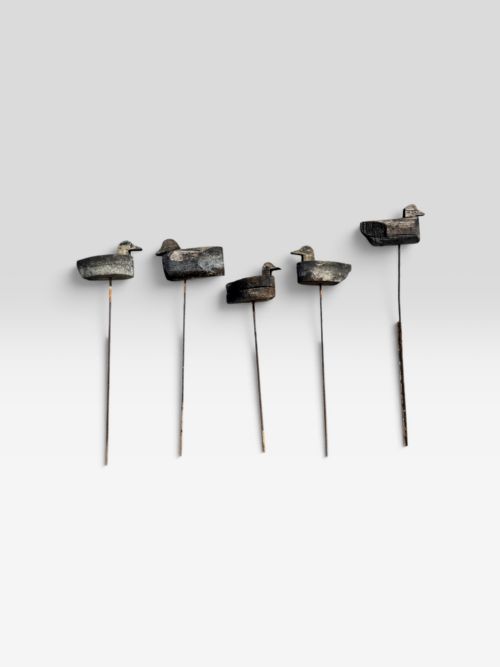
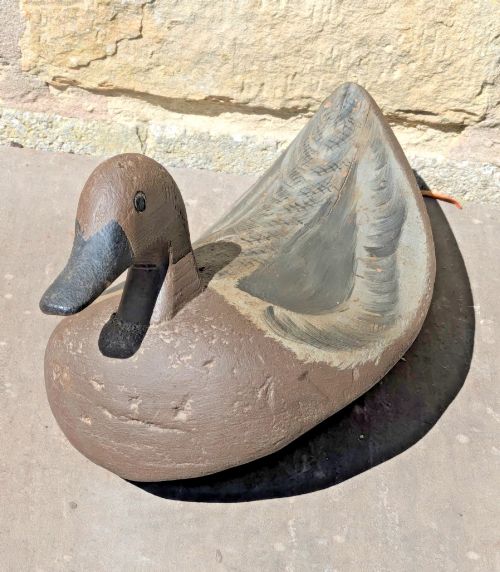
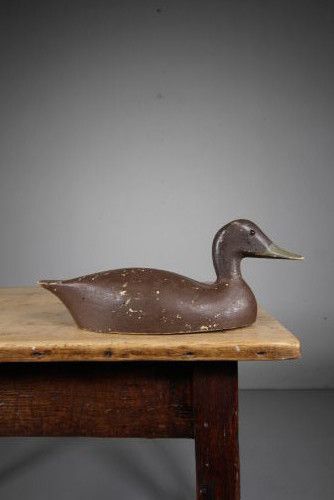
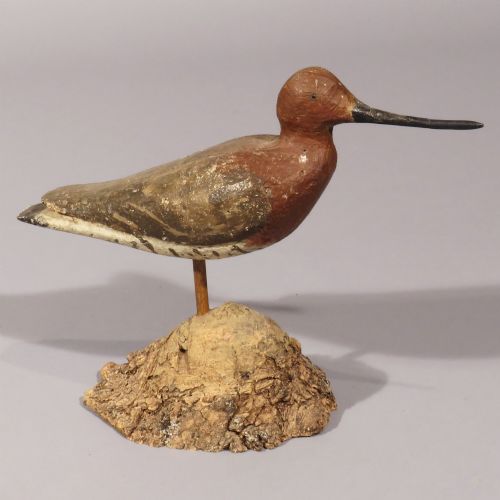
When you search for an antique wildfowl decoy, you encounter carved timber and pine birds shaped for attraction on the water or displayed as folk art. The pieces available range from single decoy ducks to sets of three, including specific representations such as black-tailed godwits and an American loon with her chick.
Originating across periods from the nineteenth century through the Edwardian era and into the 1920s and 1930s, these objects bridge practical wildfowling history and English country folk art or French rustic decorative styles. Most examples you meet on this page are carved wood items that show the hand of the maker through distinct shaping and surface finishes.
The forms span individual decoy ducks and water birds designed to sit on surfaces as decorative sculptures. Makers produced both English and French examples, utilising natural materials to create convincing silhouettes that now serve primarily as decorative objects.
How they were made
Makers fashioned these decoys from wood, timber, pine, and bark, carving the material into recognizable bird forms. The bodies frequently incorporate iron elements for weighting or construction, alongside glass components utilised for realistic eyes.
Painters applied layers of paint directly onto the carved wood surfaces to replicate the plumage of ducks, loons, and godwits. This hand-painted finish defines the visual appeal of each decoy, combining simple timber construction with applied colour.
One notable decoy depicts an American loon travelling with her loyal chick.
What varies in quality
The character of the carving separates simpler utilitarian birds from pieces with stronger sculptural presence. Expressive shaping in the head and body creates a more lifelike silhouette that commands attention.
The condition and survival of the original painted surface dictate the visual impact of the decoy. Traces of early pigment and natural weathering on the timber show the working history of the piece without diminishing its decorative strength.
The Antique Wildfowl Decoy Glossary
- Folk art
- Objects created by self-taught or traditional makers working outside academic traditions. These items emphasise utility and direct expression over formal artistic rules.
- Pine
- A soft timber commonly utilised for carving decoy bodies due to its workability and lightness. It accepts paint readily and forms the base of many nineteenth and twentieth-century pieces.
- Decoy
- A carved or moulded representation of a bird used to attract wildfowl within range of a hunter. Surviving examples are now collected as decorative sculptures.
- Godwit
- A large shorebird with a long bill, represented in early twentieth-century decoy carving. These less common water bird forms offer variety beyond standard duck shapes.
Antique Wildfowl Decoy: Frequently Asked Questions
What is an antique wildfowl decoy?
An antique wildfowl decoy is a carved wooden bird originally used by hunters to attract ducks and shorebirds on the water.
Today, collectors prize these items as decorative sculptures and examples of traditional folk art.
How were decoy ducks used?
Hunters floated or placed these wooden birds near the water to lure real wildfowl within range.
Over time, many working decoys transitioned from practical tools into decorative objects displayed in homes.
How do I date a decoy?
Dating relies on the style of the carving, the type of timber utilised, and the wear on the painted surface.
Pieces span the nineteenth century through the Edwardian period and the 1920s and 1930s.
Are all decoys made of wood?
Most examples are carved from timber, pine, or wood, sometimes incorporating bark elements.
Maker details also include glass for eyes and iron for internal construction or weighting.