


Antique White Jug
An antique white jug brings practical ceramic history to a table, combining utilitarian form with centuries of decorative refinement.
Antique White Jug
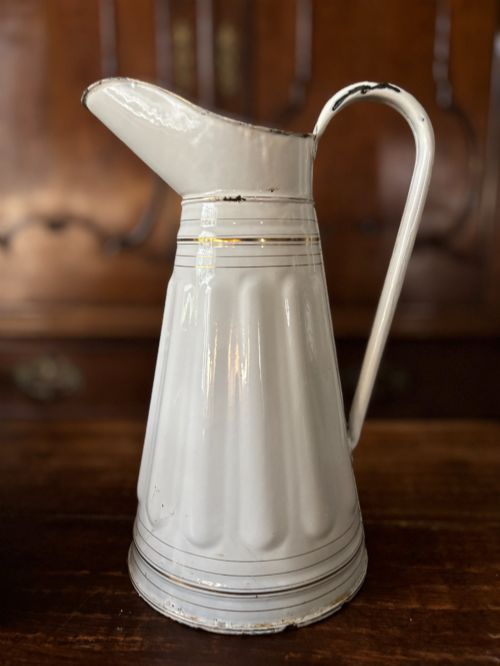
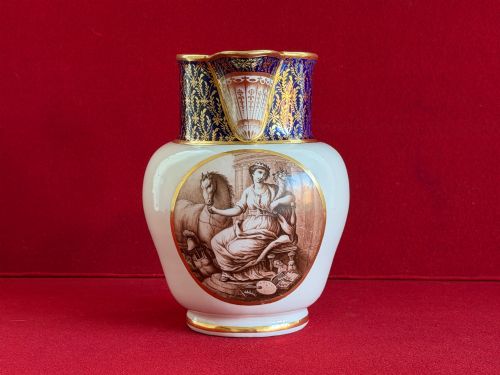
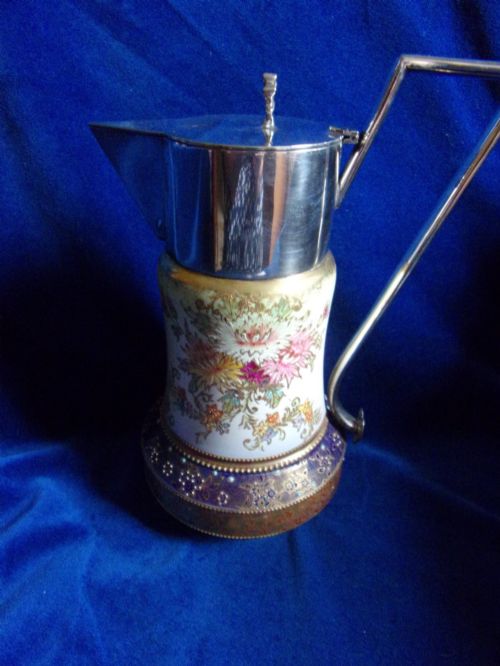
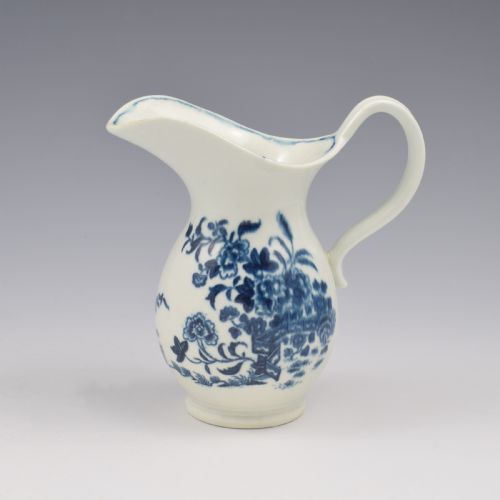
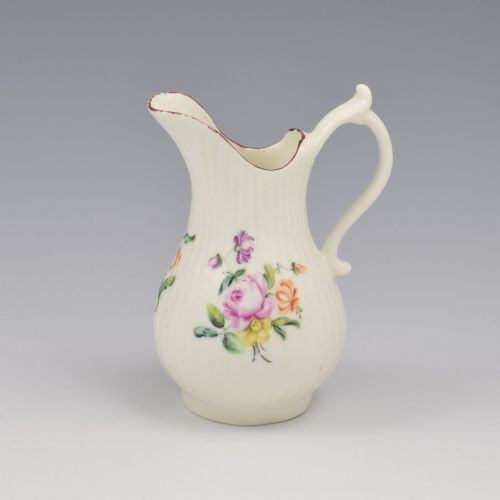
An antique white jug encompasses functional vessels produced across the eighteenth and nineteenth centuries, including creamers, milk jugs, water ewers, and larger pitchers. These pieces emerge from Georgian, Victorian, and Regency periods, carrying utility into domestic spaces.
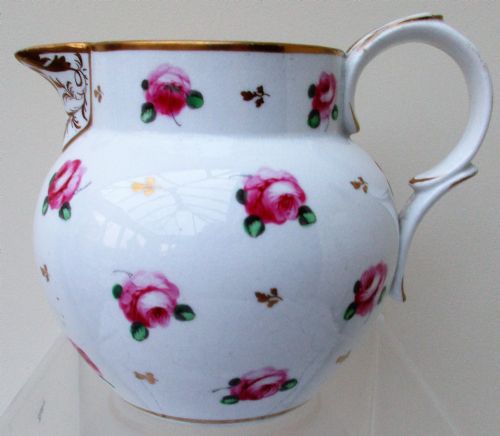
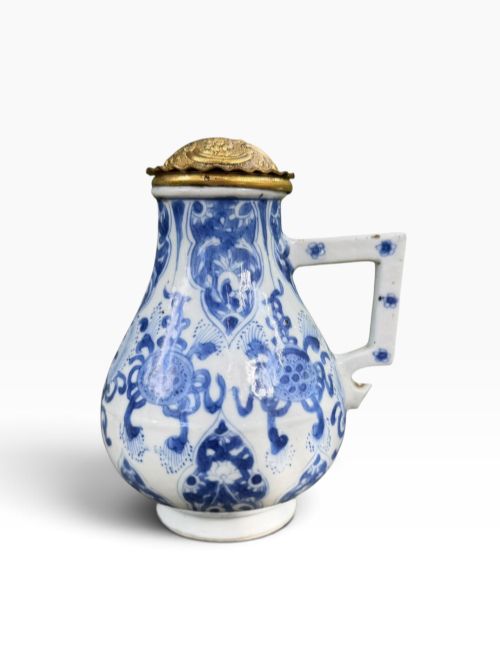
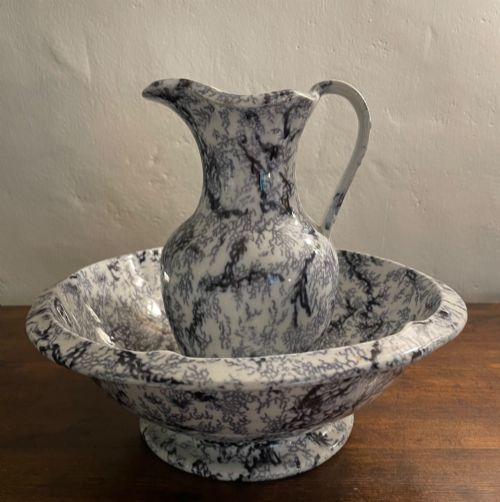
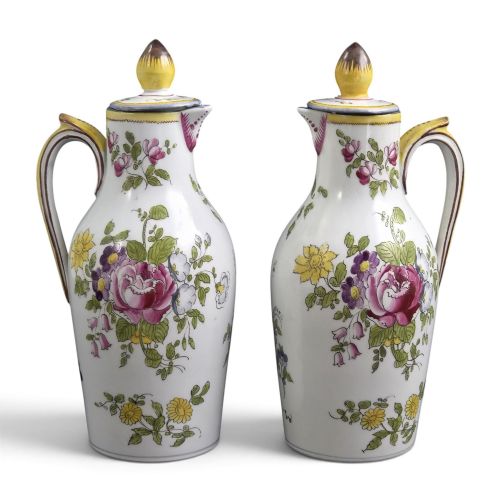
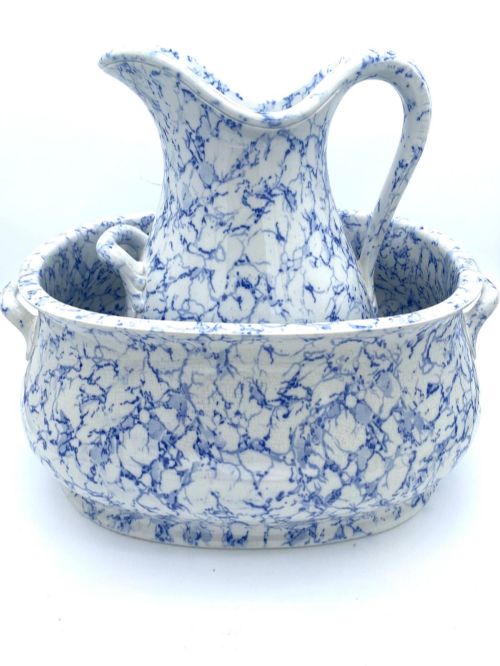
The material spectrum spans tin-glazed earthenware, soft-paste porcelain, and ironstone, often showing white or pale ground colours beneath painted or transfer-printed decoration. Buyers encounter everything from small sparrowbeak cream jugs to substantial wash set ewers.
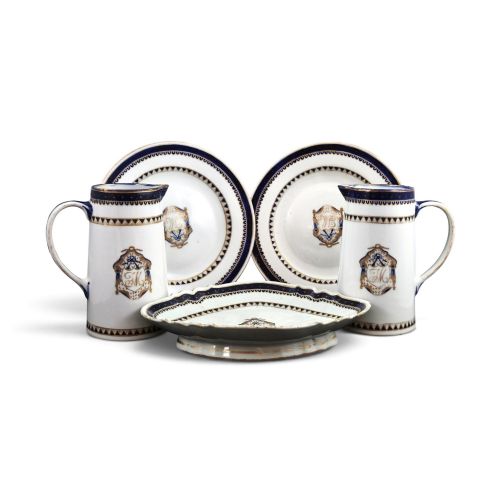
Origins stretch across English potteries like Worcester, New Hall, and Masons, alongside continental faience and Chinese export porcelain. The selection bridges formal dining table service and everyday washing utilities.
How they were made
Potters shaped these bodies using earthenware, porcelain, and ironstone, often applying a tin-glaze or enamel coating to achieve a smooth white surface. Cobalt blue and polychrome pigments were then hand-painted or transfer-printed directly onto the porous biscuit or fired glaze.
Makers utilised specialised moulds for fluted baluster forms, mask spouts, and applied handles, resulting in distinct geometric or organic profiles. Firing took place in traditional kilns, where variations in heat control frequently left subtle marks in the glaze.
Antique White Jug Retail Price Guide 2026
Typical asking prices for white jug among the pieces listed under this phrase on Sellingantiques today, from the lower quarter to the upper quarter. They describe what is for sale here now, not the wider market.
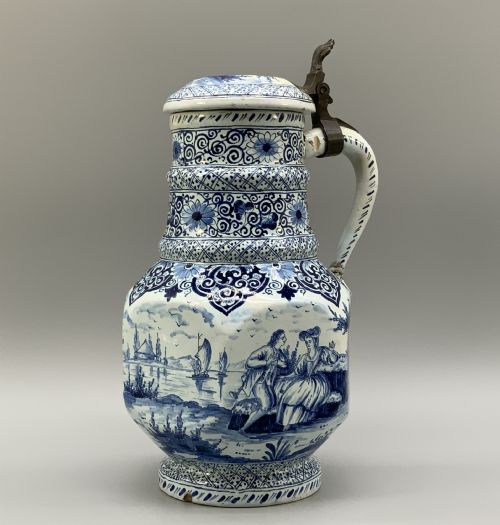
English factories like Worcester and New Hall appear frequently alongside Dutch Delftware productions.
What varies in quality
The distinction between standard domestic ware and finer cabinet pieces rests in the crispness of the moulding and the delicacy of the painted or printed motifs. Superior examples display precise brushwork, balanced proportions, and clean, even glazing without excessive kiln detritus.
Makers known for exceptional porcelain bodies and controlled firing temperatures, such as Worcester or New Hall, generally achieve sharper relief and finer translucency. Simpler earthenware vessels rely on robust utility and straightforward decoration rather than intricate refinement.
Pieter Verburg·Flight & Barr Worcester·Veuve Perrin Marseille·John Pennington·New Hall·Duesbury & Kean·H & R Daniel·Minton·Leeds Pottery
The Antique White Jug Glossary
- Sparrowbeak
- A small eighteenth-century cream jug featuring a pinched, bird-like spout. This form is particularly common in early English porcelain.
- Tin-Glazed Earthenware
- Pottery coated with a tin-oxide opacified glaze that produces a white, opaque surface suitable for painted decoration. It is characteristic of Delftware and faience production.
- Soft-Paste Porcelain
- An artificial porcelain mixture fired at lower temperatures than hard-paste, common in eighteenth-century English factories. It yields a warm, slightly creamy body.
- Ironstone
- A heavy, durable ceramic invented in the nineteenth century to imitate porcelain while offering greater strength. Masons frequently utilised this body for large jugs and basins.
- Flow Blue
- A nineteenth-century transfer-printing technique where cobalt blue bled slightly into the surrounding glaze during firing. This produced a misty, painterly effect on the finished vessel.
Antique White Jug: Frequently Asked Questions
How do I date an antique white jug?
Dating relies on examining the ceramic body, glaze characteristics, and base marks. Soft-paste porcelain and tin-glazed earthenware typically point to the eighteenth century, while ironstone and flow blue decoration generally indicate the nineteenth century.
Handle styles, potting thickness, and pattern numbers also provide firm clues. Comparing specific potting traits to known factory output narrows the decade of production.
Were these jugs used for milk or water?
Usage depended entirely on the scale of the vessel. Small sparrowbeak and cream jugs served dairy at the tea table, while larger ewers formed part of bedroom wash sets.
Some examples functioned as pharmacy vessels or beer pitchers, depending on their capacity and spout design. Many adapted over time from utilitarian kitchen roles to decorative display pieces.
Can I use an antique jug for daily dining?
Most antique ceramic jugs handle gentle daily use safely, provided they avoid sudden temperature extremes and harsh dishwashers. Fine soft-paste porcelain and historic earthenware require careful hand washing to protect fragile handles and painted surfaces.
Heavier ironstone pieces withstand regular liquid service comfortably. Inspecting the interior for cracks ensures the vessel remains structurally sound for holding liquids.
What is the difference between porcelain and earthenware jugs?
Porcelain bodies are hard, dense, and often translucent when held to the light, resulting from high-temperature firing with china stone and clay. Earthenware is more opaque, porous, and usually glazed with tin or lead compounds to seal the surface.
Earthenware pieces like Delftware display thicker walls and softer fabrics. Porcelain allows for crisper moulding and thinner, more refined vessel walls.