



Antique Welsh Ceramic Pitcher
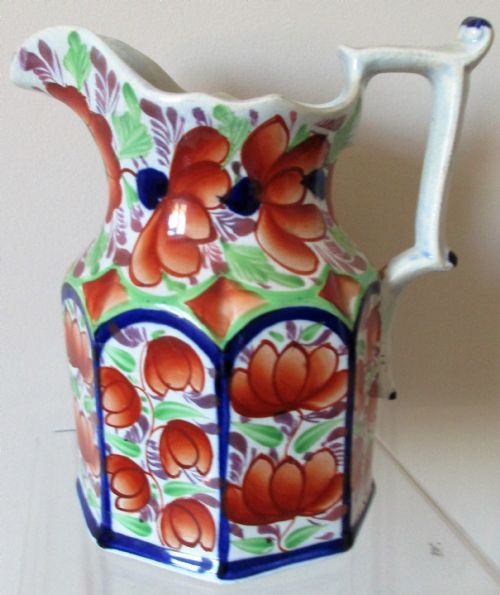
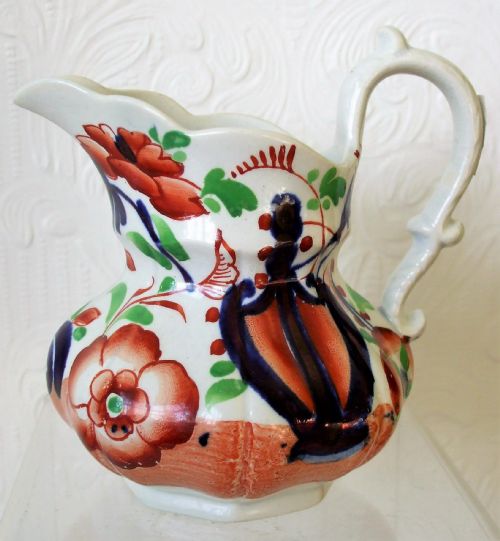
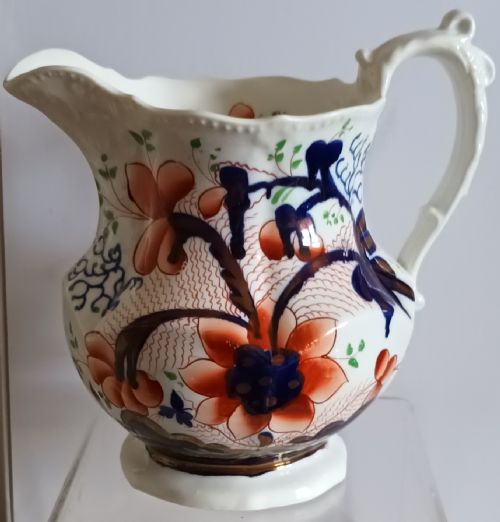
These antique welsh ceramic pitcher pieces bring bright nineteenth-century folk patterns and bold painted glazes straight to your table.
Antique Welsh Ceramic Pitcher
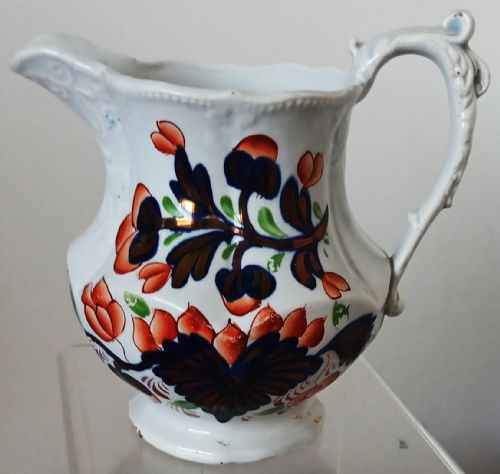
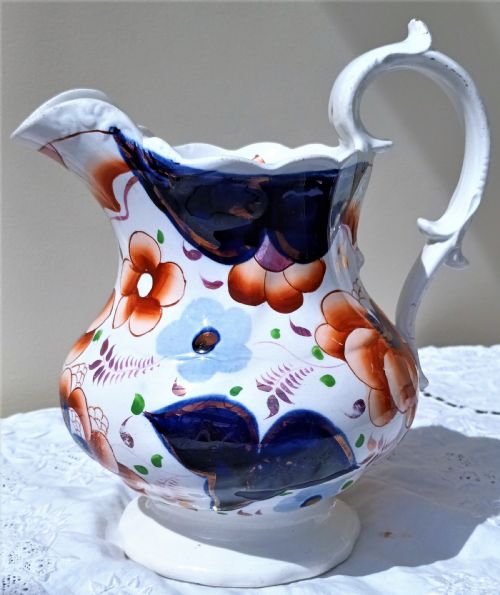
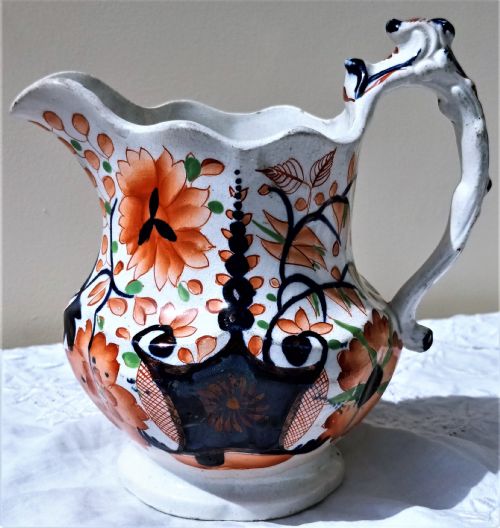
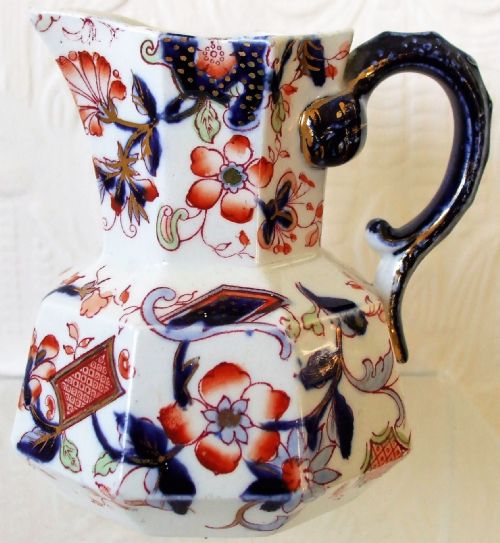
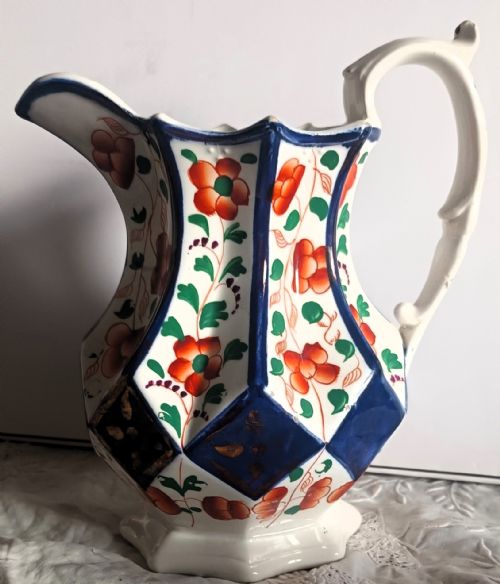
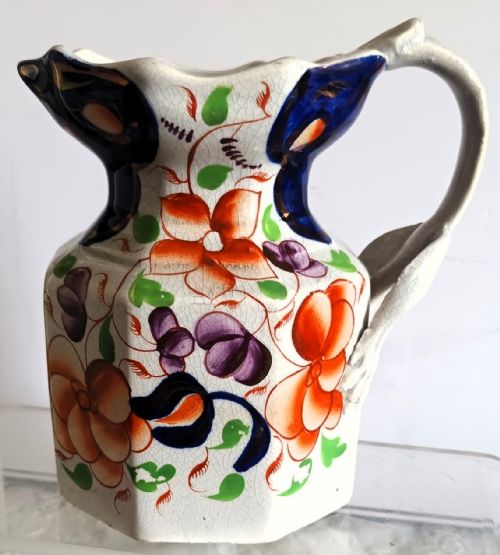
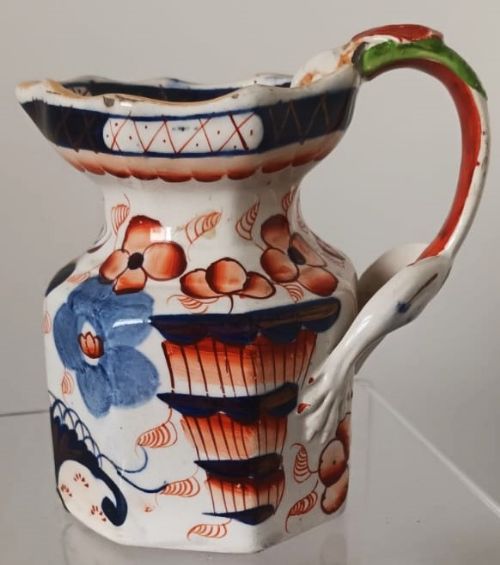
An antique welsh ceramic pitcher takes the form of nineteenth-century jugs, creamers, and pouch jugs decorated with vibrant patterns. You will most frequently meet Victorian pieces carrying named Gaudy Welsh motifs such as Bethesda, Grape, Drape, Pagoda, Harlech, Gower, Gwent, Conwy, and Aberaeron.
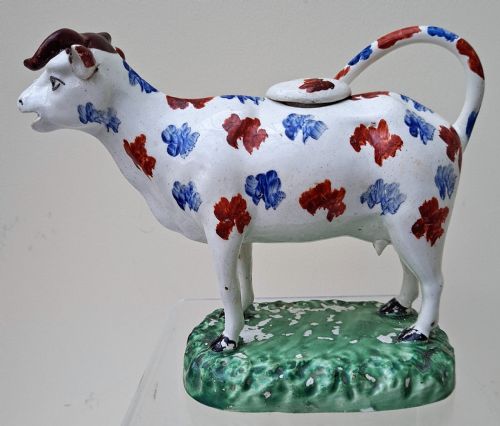
The selection also includes quirky nineteenth-century pottery cow creamers alongside Georgian examples. These items combine everyday domestic utility with distinct regional folk art styles.
How They Were Made
Potters shaped these earthenware, ironstone, and pottery bodies before applying smooth glaze surfaces. Skilled hands then painted intricate patterns using enamel colours and copper lustre details.
Firing transformed the raw clay and glaze into durable vessels capable of daily kitchen service. The interplay between ironstone durability and colourful enamel paint defines the physical character of the group.
The inventory spans Georgian folk art and Victorian styles, including specialised forms like cow creamers.
What Varies in Quality
The clarity of the hand-painted enamel and the richness of the copper lustre separate everyday vessels from finer examples. Crisp execution of named patterns like Pagoda or Bethesda demonstrates superior workshop control.
Mould definition in sculptural forms such as cow creamers dictates visual success. Strong contrast between the ceramic body and the applied paint creates the most striking presence.
Keeling & Co.
The Antique Welsh Ceramic Pitcher Glossary
- Gaudy Welsh
- A style of colourful pottery decorated with bright enamels and copper lustre, popular in the nineteenth century. This ceramic ware gained fame for its vibrant palette.
- Ironstone
- A dense, durable type of earthenware developed in the nineteenth century. It resists chipping better than soft-paste pottery.
- Copper Lustre
- A metallic glaze finish that imparts a warm, reflective copper sheen to ceramic vessels. Potters applied this technique to highlight specific decorative bands.
- Cow Creamer
- A ceramic milk jug moulded in the shape of a cow, often filled through an opening on the back. These whimsical pieces formed part of Georgian and Victorian domestic service.
- Pouch Jug
- A pitcher featuring a bulbous, rounded body resembling a pouch. This distinctive nineteenth-century form offers generous capacity for liquids.
Antique Welsh Ceramic Pitcher: Frequently Asked Questions
What is a Gaudy Welsh pitcher?
A Gaudy Welsh pitcher is a nineteenth-century ceramic vessel decorated with vibrant enamel colours and copper lustre.
These pieces typically display traditional named patterns created for domestic use.
How old are these ceramic pitchers?
These ceramic pitchers date from the nineteenth century, encompassing both Georgian and Victorian periods.
They reflect the prevalent folk art styles and pottery manufacturing techniques of that era.
What is an ironstone jug?
An ironstone jug is made from a heavy, durable ceramic material designed to withstand everyday household tasks.
This robust body supports bright painted decoration without losing structural integrity.
How do you display a cow creamer?
A cow creamer sits well on open shelving, sideboards, or dresser tops where its sculptural form remains visible.
These whimsical nineteenth-century items add character to traditional room displays.