



Welsh Pottery Pitcher
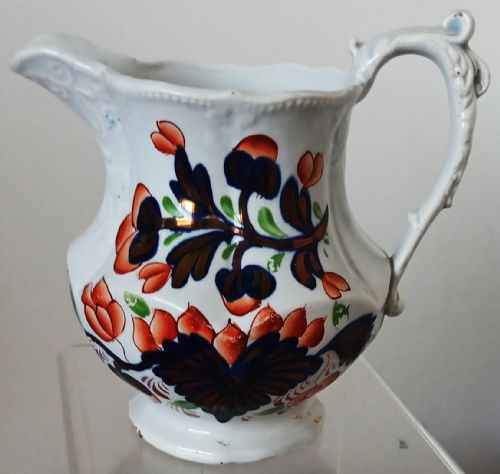
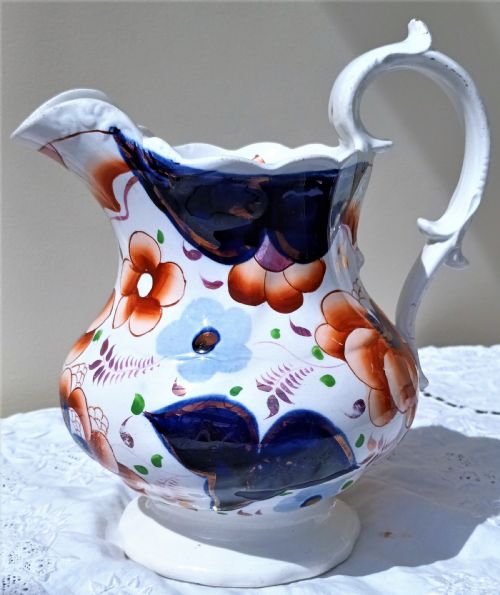
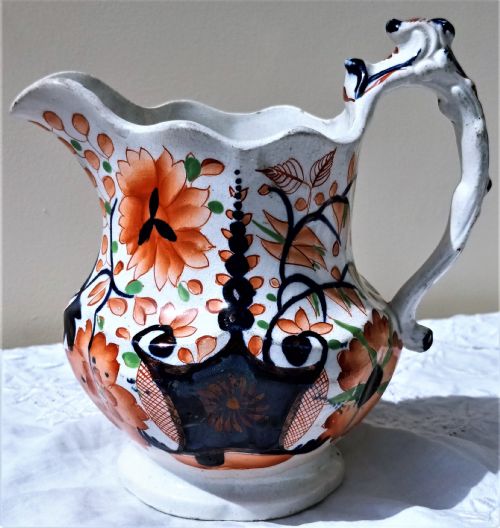
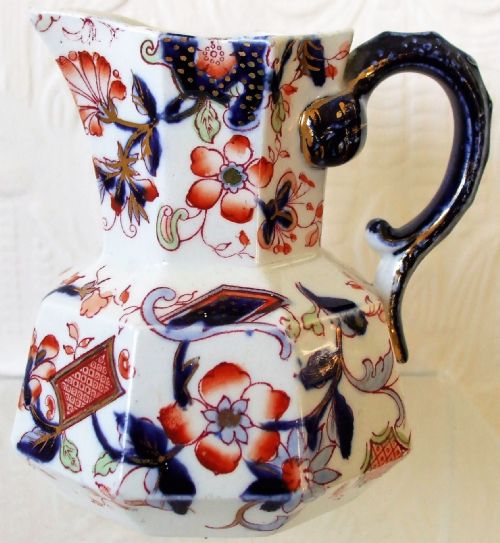
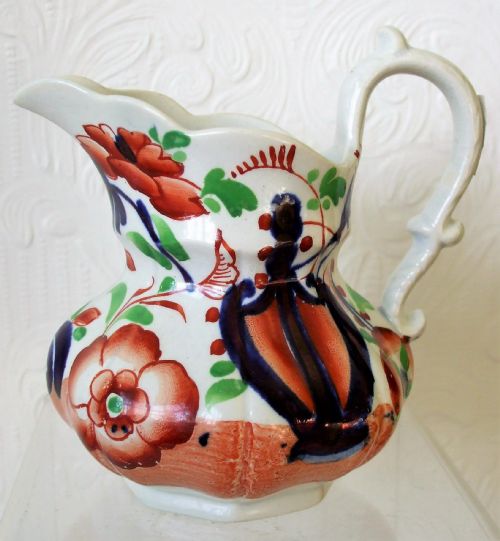
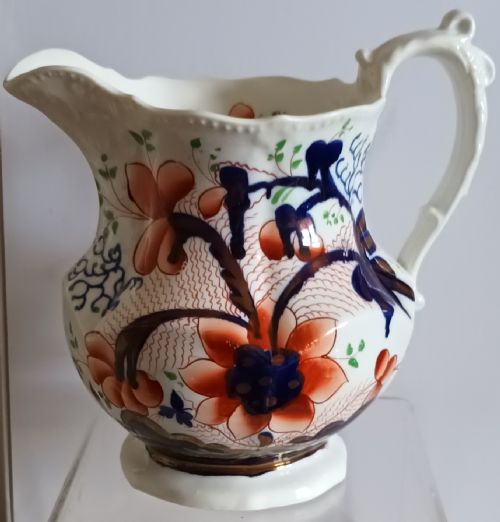
These welsh pottery pitcher examples bring bright earthenware forms and folk art patterns straight to a table.
Welsh Pottery Pitcher
A welsh pottery pitcher represents 19th-century ceramic production, encompassing both Georgian and Victorian periods. Buyers search for these items to find traditional jugs, creamers, and pouch jugs displaying distinct regional patterns.
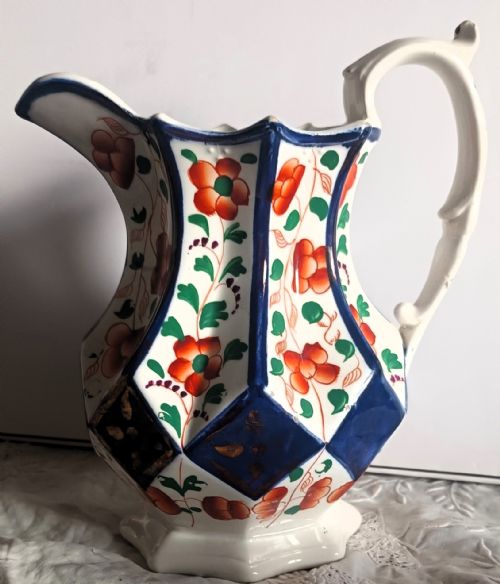
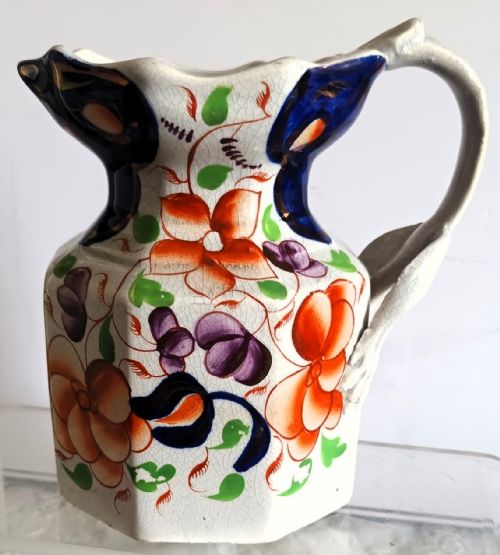
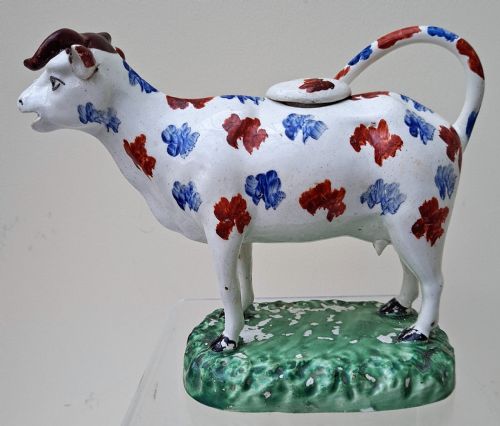
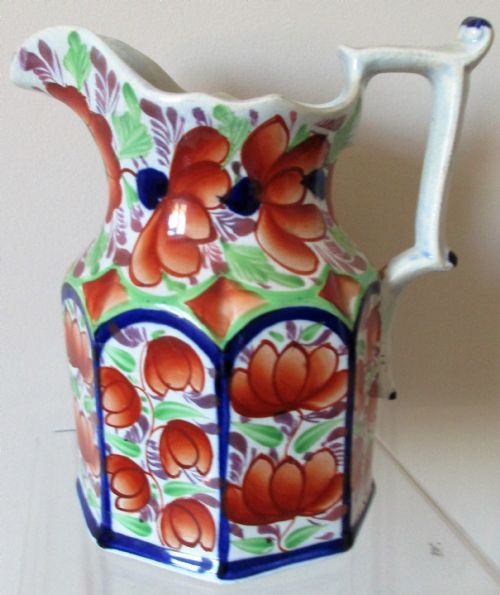
The most common pieces encountered on this page belong to the Gaudy Welsh style, featuring named patterns such as Bethesda, Grape, Drape, Pagoda, Harlech, Gower, Gwent, Conwy, and Aberaeron. Alongside these geometric and floral decorated vessels, early examples include utilitarian ironstone and figural pottery cow creamers.
The objects take various functional forms designed for pouring liquids or serving cream at tea. Origins span the 19th century, capturing the evolution of domestic ceramic design across Georgian folk art and Victorian manufacturing.
How they were made
Potters shaped these vessels from earthenware and ironstone, applying smooth glazes to seal the porous clay bodies. Surface decoration relied on hand-painted enamel colours and copper lustre highlights to catch the light.
Workers painted distinct motifs directly onto the ceramic surface before the final firing fixed the pigments. Specialised forms like the cow creamer required moulding techniques to shape the figural body and handle.
Listings feature 19th-century pieces spanning both Georgian and Victorian periods, utilising earthenware, ironstone, and copper lustre.
What varies in quality
The refinement of the painted pattern dictates much of the visual appeal, ranging from loose folk art brushwork to precise enamel detailing. Copper lustre applications differ in coverage and metallic intensity across individual vessels.
Body material shifts from heavy ironstone to lighter earthenware, altering the weight and durability of the piece. The clarity of named patterns such as Pagoda or Harlech distinguishes standard production from more elaborate examples.
Keeling & Co.
The Welsh Pottery Pitcher Glossary
- Gaudy Welsh
- A style of colourful pottery decorated with cobalt blue, iron red, and copper lustre. This aesthetic became popular in domestic homes during the 19th century.
- Copper Lustre
- A metallic glaze finish giving pottery a coppery sheen. It highlights rims, handles, and pattern details on earthenware jugs.
- Ironstone
- A durable type of heavy ceramic patented in the 19th century. It resists chipping better than standard earthenware.
- Cow Creamer
- A figural vessel shaped like a cow with an opening on the back for cream. These whimsical pieces served practical functions at tea tables.
- Pouch Jug
- A pitcher featuring a rounded, bulging body profile. This specific shape provides extra volume for holding liquids.
Welsh Pottery Pitcher: Frequently Asked Questions
What is a Gaudy Welsh pitcher?
A Gaudy Welsh pitcher is a 19th-century ceramic vessel decorated with bright enamel colours and copper lustre highlights. These pieces often feature named patterns associated with Welsh pottery traditions.
Potters produced them in various jug and creamer forms for everyday domestic use on tea and dining tables.
How do I identify a cow creamer?
A cow creamer is modelled in the shape of a bovine, functioning as a small pitcher for milk or cream. An opening on the back allows liquid to be poured.
Examples from the 19th century often display charming folk art characteristics unique to Welsh pottery.
What materials make up these jugs?
These pitchers consist primarily of earthenware and ironstone bodies coated in smooth glazes. Artisans applied enamel paints and copper lustre over the glaze to create colourful patterns.
The choice of material affects the weight and durability of each individual vessel.
How do Georgian and Victorian jugs differ?
Georgian pieces often display simpler folk art forms like figural cow creamers. Victorian examples lean towards named pattern series such as Pagoda, Harlech, and Gwent.
Both periods utilise earthenware and ironstone foundations within 19th-century ceramic production.