

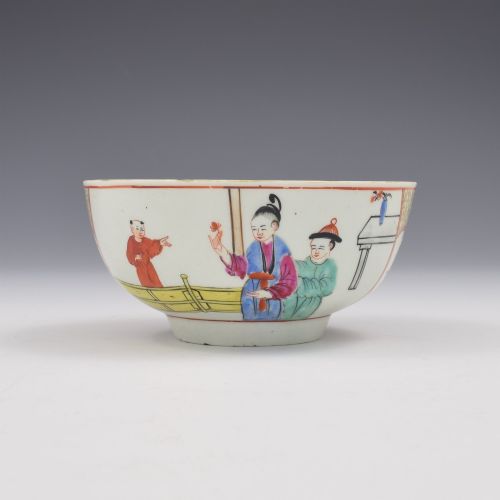


Antique Waste Bowl
An antique waste bowl gathers the wash and dregs from the tea table, offering substantial soft-paste porcelain and sterling silver forms for the serious collector.
Antique Waste Bowl
When you search for an antique waste bowl, you are looking at deep vessels used originally during tea service to hold spent leaves and dregs. The examples seen here span the eighteenth and nineteenth centuries, taking the form of large bowls, slop bowls, sugar bowls, and tea mixing bowls.
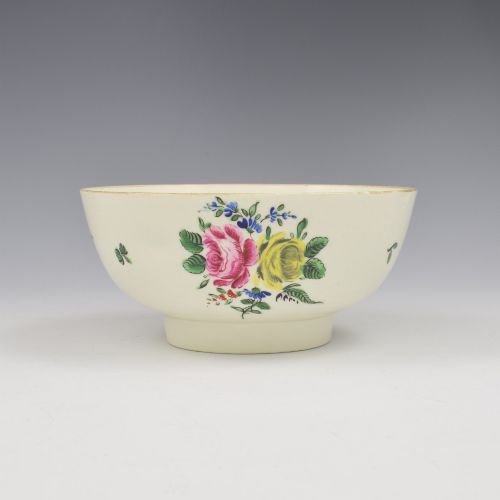
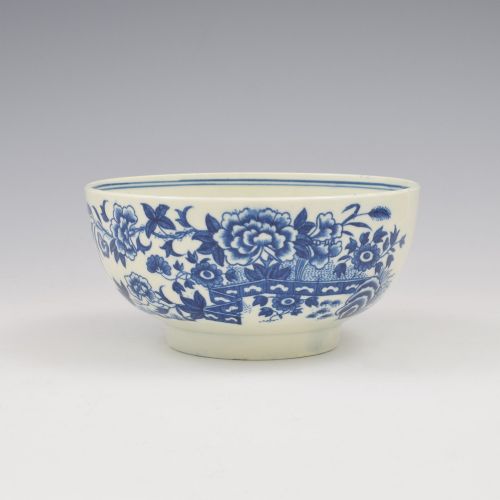
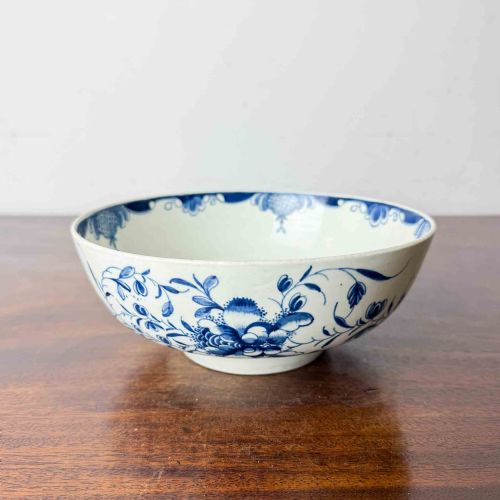
The most common versions met on this page are eighteenth-century porcelain pieces from factories such as Worcester, alongside Georgian silver bowls. These objects display styles from simple domestic porcelain to elaborate Georgian Rococo and Chinoiserie decoration.
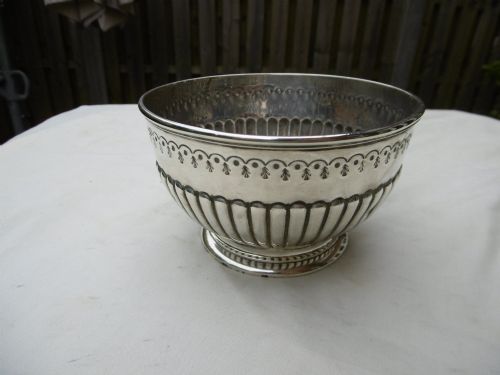
The forms range from ceramic vessels painted with Chinese figures or floral motifs to heavy cut glass tea mixing bowls and Irish sterling silver basins. Each piece reflects the formal dining and tea-drinking rituals of the Georgian period.
How they were made
Makers shaped these vessels using soft-paste porcelain, ceramic bodies, and sterling silver, often finishing porcelain with hand-painted enamel and gold leaf. Glass examples utilised heavy cutting techniques to create deep facets across the body of the tea mixing bowl.
Porcelain bodies from eighteenth-century factories received underglaze blue painting, transfer printing, or specialist enamelling by independent decorators in London. Silver bowls were hammered from sterling silver sheets and raised by hand, bearing hallmarks from silversmiths active in London, Dublin, Edinburgh, and provincial workshops.
Antique Waste Bowl Retail Price Guide 2026
Typical asking prices for waste bowl among the pieces listed under this phrase on Sellingantiques today, from the lower quarter to the upper quarter. They describe what is for sale here now, not the wider market.
Listings feature eighteenth-century and nineteenth-century forms in sterling silver, soft-paste porcelain, and cut glass.
What varies in quality
Quality rests upon the crispness of the hand-painted enamel decoration on porcelain and the clarity of the cut glass facets. Pieces decorated by named hands or major factories demonstrate superior control over the glaze and pigment.
In silver, the gauge of the metal and the legibility of the maker marks determine the standing of the piece. Superior vessels show balanced proportions and careful weight distribution in the hand.
Peter and William Bateman·John Kincard·James Giles·Meissen porcelain
The Antique Waste Bowl Glossary
- Slop bowl
- A large bowl used during tea service for emptying dregs and spent leaves. These vessels form a core part of eighteenth-century ceramic services.
- Soft-paste porcelain
- A ceramic composition fired at lower temperatures than hard-paste porcelain, featuring a slightly warmer glaze tone. This material characterises early English factory production.
- Tea mixing bowl
- A large vessel utilised for blending different varieties of dry tea leaf before brewing. They often appear in heavy cut glass or large ceramic formats.
- Sterling silver
- An alloy of silver containing ninety-two point five percent pure silver by mass. This material was standard for Georgian table silver and hollowware.
- Chinoiserie
- A decorative style reflecting European interpretations of Chinese and East Asian artistic traditions. It appears frequently on eighteenth-century porcelain painted with figures and pavilions.
Antique Waste Bowl: Frequently Asked Questions
What was an antique waste bowl used for?
These bowls served primarily upon the tea table to receive the discarded leaves and remaining liquid from each cup before pouring a fresh brew. They acted as a central repository during formal tea service.
Over time, collectors repurposed them for various display uses or as cabinet pieces due to their decorative porcelain and silver surfaces.
How do I date an eighteenth-century bowl?
Dating relies upon identifying factory paste characteristics, glaze properties, and painted enamel styles associated with specific decades. Porcelain bodies from factories like Worcester display distinct body textures and underglaze blue tones.
Silver examples carry clear hallmarks that record the assay office, city, and exact year of manufacture.
Are silver and porcelain bowls cleaned differently?
Silver vessels require gentle polishing with appropriate silver creams to maintain the surface without removing historical hallmarks or softening engraved details. Porcelain needs mild soapy water and soft cloths to protect fragile overglaze enamels and gold leaf.
Harsh abrasive materials must be avoided entirely on both ceramic and metallic surfaces.
What is the difference between a waste bowl and a sugar bowl?
Waste bowls generally measure larger in diameter to accommodate the cumulative liquid and leaf dregs from multiple guests throughout a tea service. Sugar bowls tend to be smaller and often feature matching covers or lids.
Many antique tea sets included both forms to handle different stages of tea preparation and consumption.