




Antique Walnut Workbox
An antique walnut workbox brings together domestic utility and fine cabinet-making, offering a fitted interior for needlework alongside polished wood surfaces.
Antique Walnut Workbox
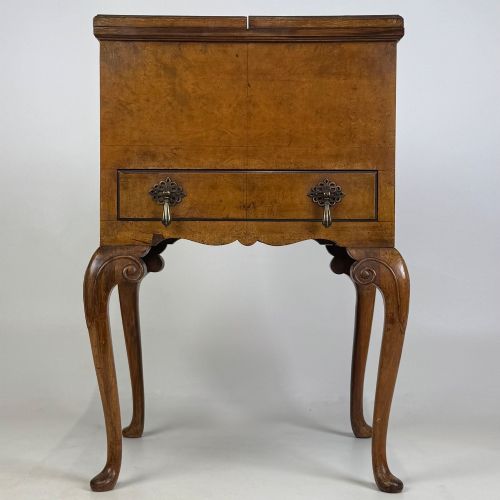
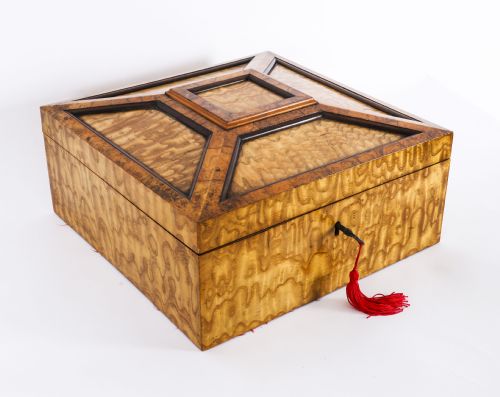
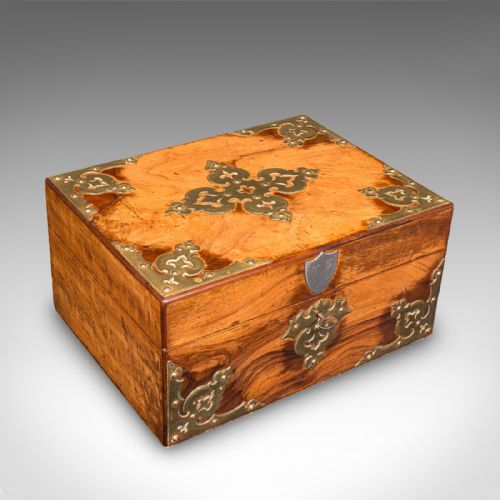
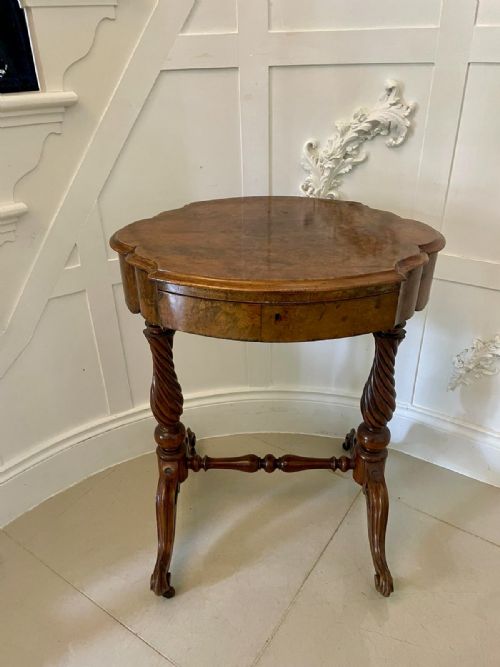
When you search for an antique walnut workbox, you encounter a variety of forms designed to hold sewing implements, threads, and personal valuables. These pieces range from small tabletop caskets and portable boxes to larger freestanding sewing tables and trumpet-shaped workboxes supported on tripod bases.
The pieces on this page are predominantly Victorian and Edwardian, with dates spanning the mid nineteenth century into the twentieth century. Alongside dedicated sewing tables, you will find occasional tables, games tables, and jewellery boxes constructed in the same domestic tradition.
Burr walnut and figured walnut dominate the selections here, often complemented by contrasting woods and decorative inlays. Whether placed beside a chair or displayed on a surface, these boxes provide enclosed storage paired with polished timber.
Distinctions in craftsmanship
The standard of a piece rests upon the selection of the walnut veneer and the precision of any wood inlay or Tunbridge ware mosaic. Elaborate grain patterns in burr walnut indicate careful timber selection by the maker.
Construction details such as dovetailed joints, neatly fitted internal compartments, and the survival of original fabric linings separate standard production items from finer workshop examples. The integration of specialised functions, such as combined games boards or writing surfaces, also influences the character of the object.
Listings feature Victorian and Edwardian pieces, with construction dates stretching from the mid nineteenth century into the twentieth century.
The Antique Walnut Workbox Glossary
- Burr walnut
- A veneer taken from the excrescences or gnarls of a walnut tree, producing highly figured, swirling grain patterns. It was favoured by nineteenth-century cabinet-makers for decorative surfaces.
- Trumpet workbox
- A freestanding sewing table featuring an octagonal or flared body resembling a musical instrument, set upon a pillar and tripod base. Inside, compartments typically store threads and needles.
- Tunbridge ware
- A form of woodwork originating from Kent, featuring mosaic patterns built from tiny wood blocks in natural colours. These designs decorate the lids of small ladies boxes and workboxes.
- Marquetry
- The art of applying pieces of veneer to a structure to form decorative patterns or pictures. Craftsmen used contrasting timbers to create geometric or floral motifs on the tops of work tables.
Antique Walnut Workbox: Frequently Asked Questions
What is an antique walnut workbox used for?
These boxes served primarily to store sewing implements, threads, needles, and small personal items used in domestic handiwork. Many contained fitted interior trays and compartments to keep small tools organised.
Over time, owners also utilised them to store letters, jewellery, or other valuables, adapting the compartmentalised interiors to changing household needs.
How do I date an antique walnut workbox?
Dating relies on stylistic clues, construction methods, and materials recorded across the piece. Victorian examples often feature heavy burr walnut veneers, while Edwardian and later pieces display lighter framing or distinct inlays.
Internal fittings, lock types, and secondary woods inside the box also provide reference points for establishing the manufacturing period.
What is the difference between a workbox and a sewing table?
A workbox generally refers to a portable tabletop casket or box designed to be carried or set upon a larger surface. These pieces focus on enclosed storage under a hinged lid.
A sewing table is a freestanding item of furniture incorporating legs or a pedestal base, often featuring a fabric bag or a deep wooden well beneath the work surface to hold larger projects.
Where should I place a workbox in my home?
Tabletop workboxes sit well on sideboards, chests of drawers, or desks where their decorative walnut grains and inlaid lids remain visible. They offer convenient lidded storage for small items.
Freestanding trumpet tables function effectively as occasional tables beside armchairs or sofas, echoing their original nineteenth-century placement in the domestic parlour.