



Antique Draughts Table
An antique draughts table brings tactile play and fine cabinet-making together, offering a dedicated surface for traditional board games within period rooms.
Antique Draughts Table
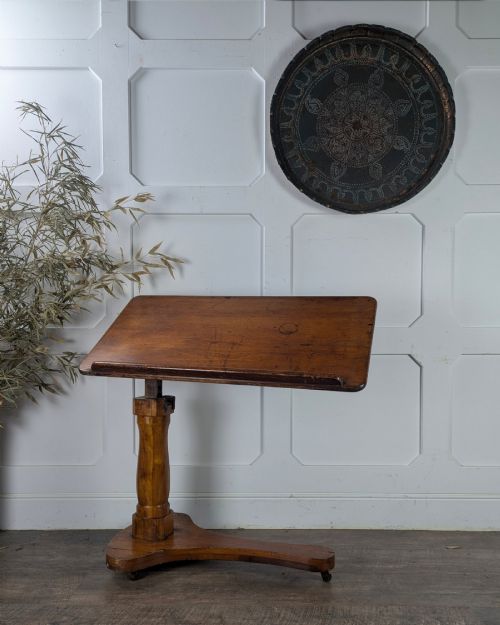
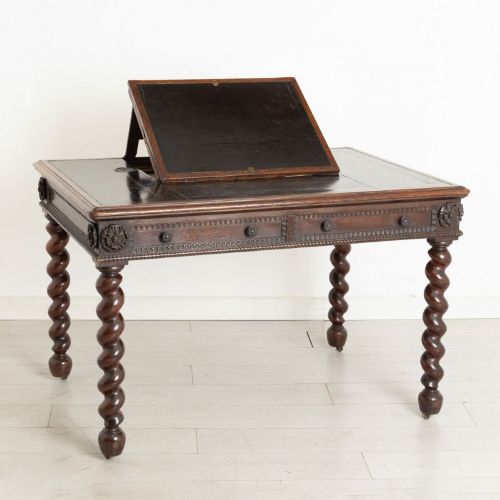
When you search for an antique draughts table, you encounter versatile furniture built primarily for play and study rather than simple domestic display. The pieces span Georgian, Victorian, and Edwardian eras, appearing in forms such as games tables, architect desks, and reading surfaces.
Mahogany remains the dominant wood across the selection, accompanied by walnut, rosewood, oak, and satinwood. Many examples double as writing desks or drawing tables, reflecting the multi-purpose nature of period interiors where surfaces adapted easily between leisure and work.
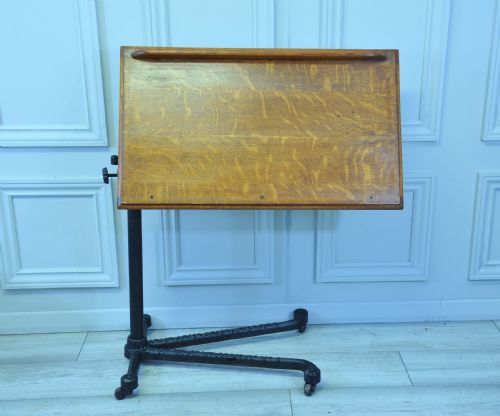
You meet variations incorporating inlaid timber boards, lift-over mechanisms, and adjustable stands in brass and cast iron. The surviving objects bridge the gap between dedicated gaming equipment and functional library furniture.
Materials and construction methods
Cabinet-makers relied on dense timbers like mahogany, walnut, and rosewood for durability and rich grain presentation. These woods were frequently inlaid with lighter satinwood or marquetry to mark out playing squares and decorative borders.
Functional hardware utilised brass fittings and cast iron for adjustable stands, reading ratchets, and metamorphic folding mechanisms. Leather inserts also appeared on writing surfaces, providing a smooth texture for drafting and writing.
Joinery involved traditional framing and panel construction, allowing folding leaves and rising tops to operate smoothly. The integration of metal ratchets in reading tables and architect desks demonstrated practical mechanical ingenuity alongside fine woodwork.
Antique Draughts Table Retail Price Guide 2026
Typical asking prices for draughts table among the pieces listed under this phrase on Sellingantiques today, from the lower quarter to the upper quarter. They describe what is for sale here now, not the wider market.
Materials recorded include mahogany, walnut, rosewood, oak, satinwood, brass, leather, and cast iron.
Differentiating quality in construction
Quality rests in the precision of the timber selection, the crispness of any inlaid board work, and the integrity of moving mechanical parts. Superior examples show careful grain matching and precise joinery that keeps drawers and folding leaves aligned over centuries of use.
Makers who supplied high-end houses utilised denser hardwoods and integrated subtle secondary timbers out of sight. The sophistication of the lifting mechanisms, whether brass ratchets or cast-iron screws, separates standard domestic pieces from workshop-grade creations.
Carters of London·Edwards & Roberts·Gillows
The Antique Draughts Table Glossary
- Marquetry
- Decorative veneer work arranged in pictorial or geometric patterns on furniture surfaces. It involves cutting thin slices of different coloured woods to form intricate designs.
- Metamorphic
- Furniture designed to change form or function through folding, sliding, or lifting mechanisms. These clever designs allowed a single desk to serve as a reading stand or writing surface.
- Ratchets
- Toothed metal bars used to adjust the angle of a reading slope or desk top. They provide secure positioning at various heights.
- Satinwood
- A lustrous, fine-grained yellow timber often used for contrasting inlay and stringing on mahogany and rosewood furniture. Its bright tone highlights geometric board boundaries.
- Scumbled
- A paint finish applied to imitate the natural grain of more expensive woods or to create decorative surface effects. It provides a textured appearance on simpler pine or hardwood frames.
Antique Draughts Table: Frequently Asked Questions
How were antique draughts tables used?
These tables served dual purposes in period libraries and drawing rooms, accommodating board games alongside reading, writing, or architectural drafting.
Owners adapted the surfaces using folding leaves or adjustable reading ratchets depending on whether they required a flat playing board or an inclined working plane.
What woods appear most frequently?
Mahogany forms the primary material across the majority of surviving examples, supported by walnut, rosewood, and oak.
Cabinet-makers frequently paired these dense hardwoods with inlaid satinwood or leather panels to delineate the playing fields and writing zones.
How do I identify a Georgian piece?
Georgian examples typically display solid mahogany construction with understated classical proportions, clean lines, and traditional timber patination.
They often incorporate clever mechanical drawers or lift-over tops designed to conceal or reveal playing surfaces without disrupting the desk aesthetic.