


Antique Walnut Plinth
These antique walnut plinth pieces elevate sculpture and display objects, offering rich timber figure and sturdy construction from the nineteenth and twentieth centuries.
Antique Walnut Plinth
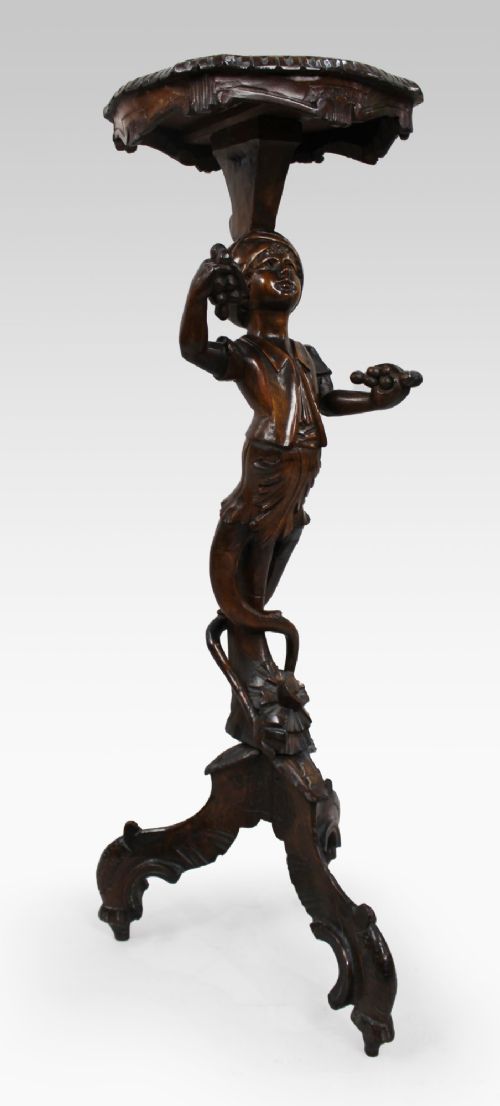
When you search for an antique walnut plinth, you encounter sturdy columns, carved figure stands, and pedestal bases designed to elevate display items. These supports originate primarily across the Victorian era, alongside examples from the early twentieth century.
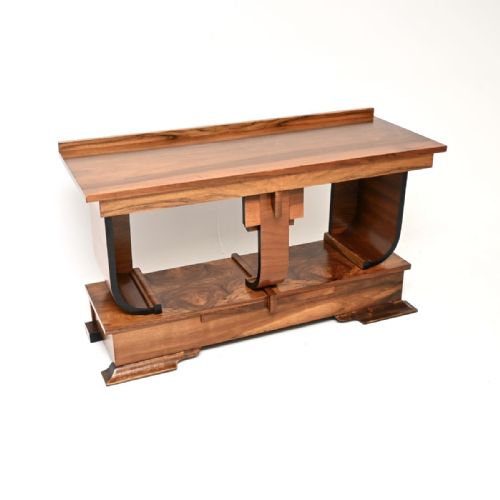
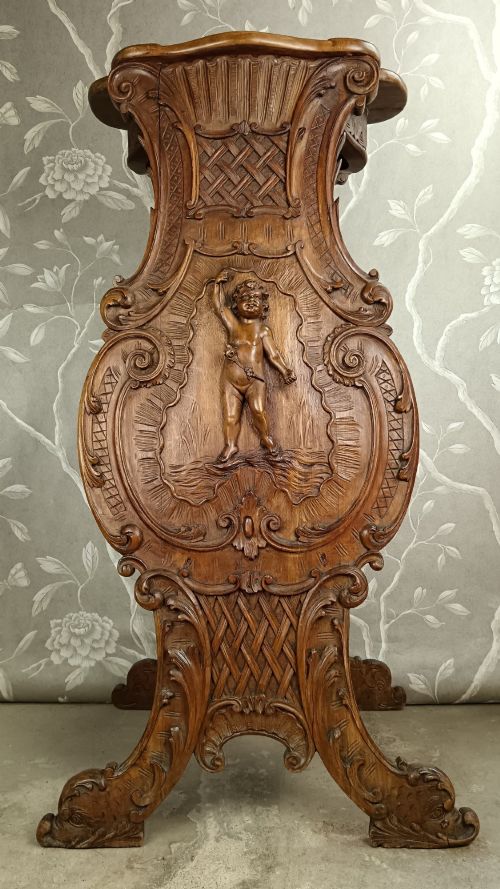
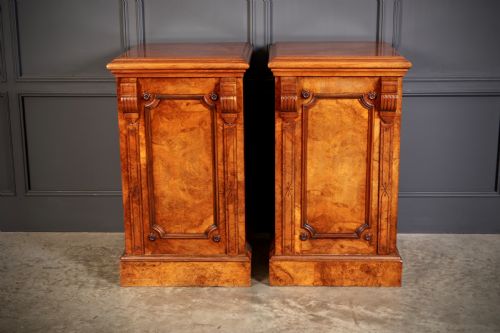
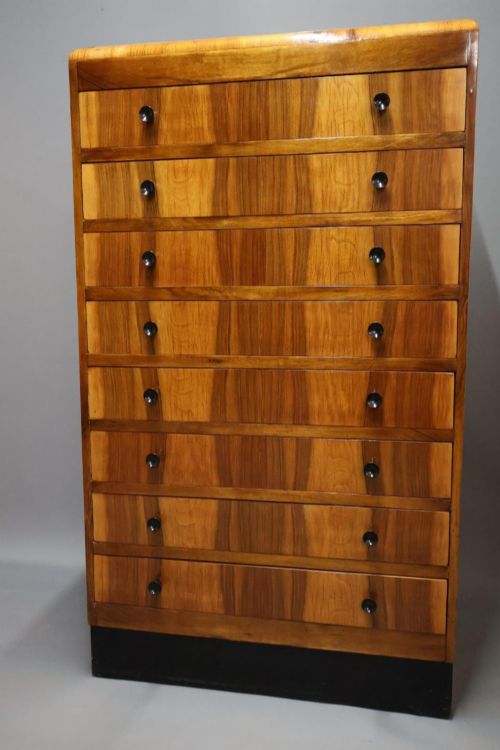
The selection here includes carved figural pedestals, architectural columns, and tall stands utilising rich timber surfaces. Many pieces date from the 1860s through to the Art Deco period, spanning styles from Victorian revival to Italian Renaissance forms.
Makers such as Gillow and Co. and Waring and Sons occasionally appear alongside unmarked English, French, and Italian examples. Buyers typically find sturdy columnar supports and sculptural stands constructed to showcase clocks, busts, and decorative arts.
How they were made
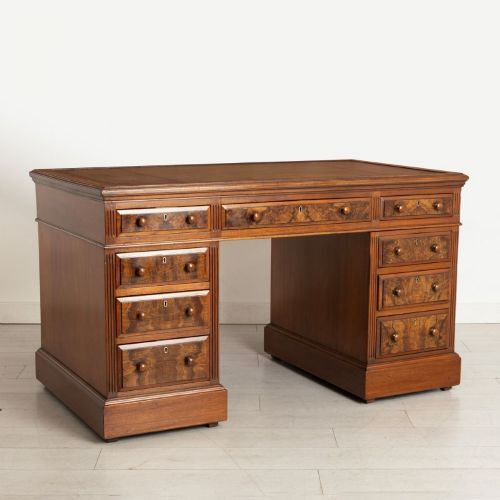
Cabinet makers utilised solid walnut, burr walnut, and figured walnut veneers applied over secondary timbers like pine. Timber selection defined the visual impact, particularly when using highly figured burr veneers across column shafts and top surfaces.
Carving, turning, and joinery formed the structural core of these supports. Ormolu mounts, brass details, and ebonised wood accents frequently appear alongside carved figural elements and stepped architectural bases.
Some Victorian pedestals were engineered strong enough to double as impromptu side tables when sculpture cleaning day arrived.
What varies in quality
Quality rests in the depth of timber figure and the crispness of carved detail. Rich burr walnut grain patterns command greater attention than plain timber surfaces, while hand-carved figural elements distinguish superior artistic execution.
Structural stability and surface finish determine long-term value. Original patination and tight joinery separate master-built workshop pieces from simpler utilitarian stands.
Gillow and Co.·Waring and Sons
The Antique Walnut Plinth Glossary
- Burr walnut
- A highly prized timber harvested from walnut tree growths, displaying intricate swirling grain patterns. It is frequently sliced into veneer for cabinetwork.
- Ebonised wood
- Timber treated with chemical stains or black finishes to imitate ebony. This technique gained popularity during the Victorian and Aesthetic periods.
- Ormolu
- Gilded bronze applied as decorative mounts on furniture and pedestals. It adds metallic contrast to the dark timber tones.
- Figured walnut
- Wood grain possessing distinct patterns such as fiddleback or feather. Cabinet makers showcase these natural markings on prominent display surfaces.
Antique Walnut Plinth: Frequently Asked Questions
What holds up on a walnut plinth?
These sturdy stands support heavy decorative items including marble busts, bronze sculptures, and large mantel clocks. Their reinforced internal framing prevents tipping under balanced loads.
Collectors also place heavy ceramic vases and art glass domes on top surfaces. The dense walnut construction absorbs vibration and securely anchors display pieces.
How do I clean walnut wood?
Dust surfaces regularly with a soft, dry lint-free cloth to prevent particulate buildup. Avoid silicone sprays or harsh chemical detergents that degrade historical finishes.
Apply high-grade beeswax sparingly twice a year to nourish the timber and preserve the natural sheen. Buff gently with clean cotton after application.
Are these columns solid walnut?
Most examples combine solid walnut structural framing with decorative burr or figured walnut veneers applied over secondary woods like pine. This method prevents warping while displaying decorative grain patterns.
Fully solid walnut appears on smaller turned columns and heavy carved sections. Inspecting the underside or interior reveals the underlying construction methods.
How do I date a pedestal?
Examine the construction joints, secondary timbers, and stylistic motifs to determine the manufacturing period. Victorian pieces often display heavier proportions and eclectic revival styles.
Art Deco examples from the 1930s feature geometric symmetry and streamlined profiles. Maker stamps or labels further narrow down production dates.