


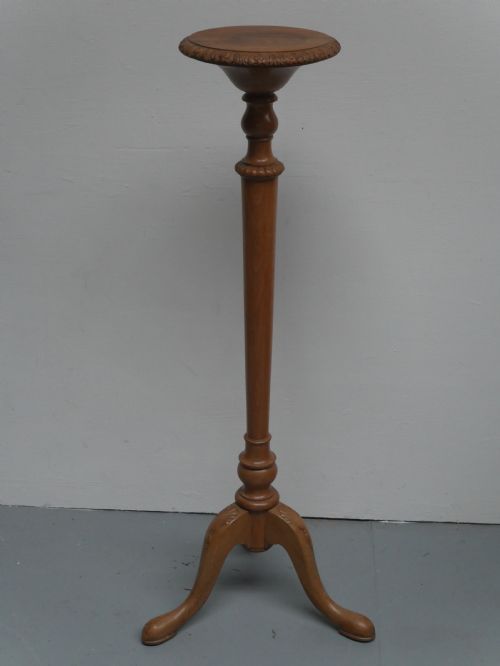


Walnut Display Pedestal
These walnut display pedestal pieces bring architectural height and warm grain to a room, perfect for elevating sculpture and plants.
Walnut Display Pedestal
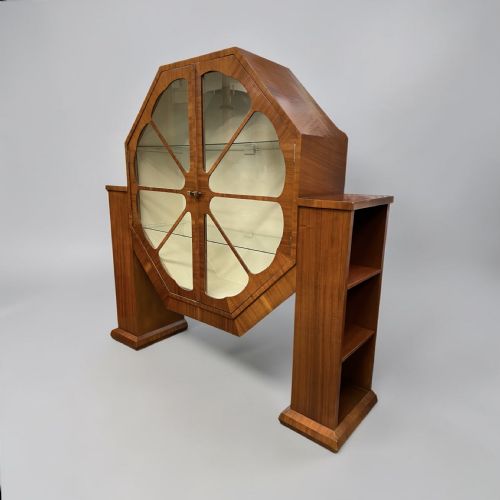
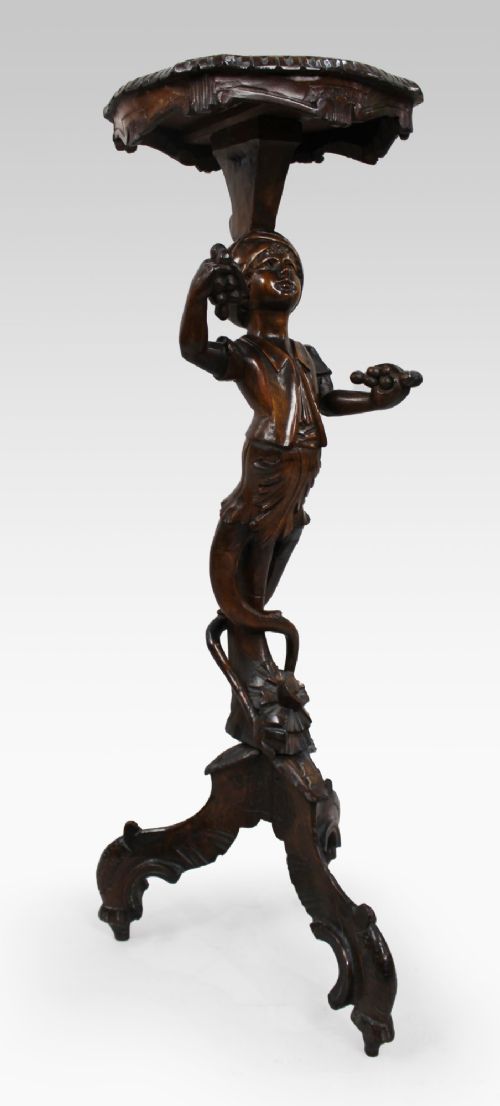
A walnut display pedestal serves as a raised platform for showcasing sculpture, plants, and decorative objects within a room. When exploring this selection, buyers encounter formats ranging from tall architectural columns and plant stands to display cabinets and occasional tables.
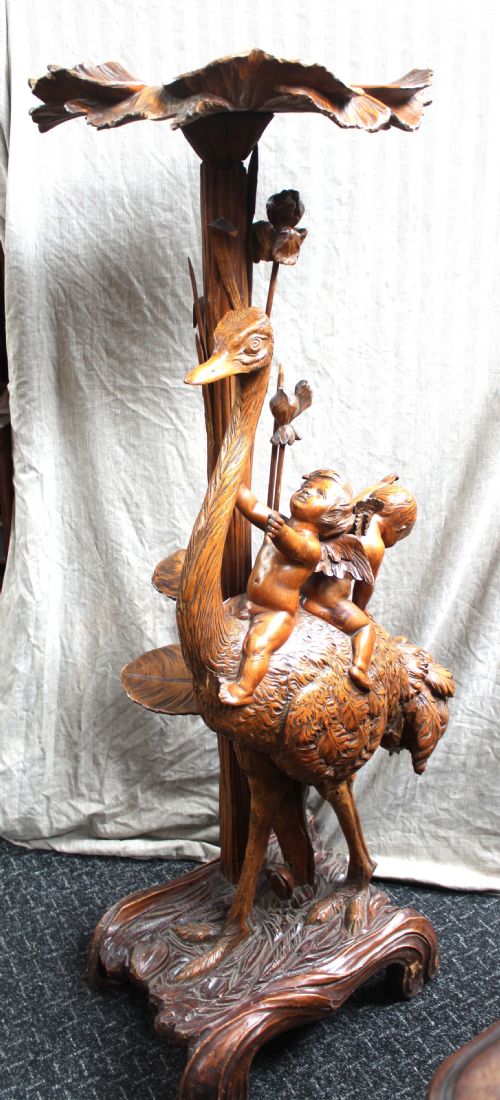
The objects span multiple eras, including Georgian, Victorian, and Art Deco periods, drawing on English, French, and Italian origins. Forms vary from simple turned shafts to elaborate figural carvings and tiered display surfaces.
Alongside dedicated pedestals and plinths, the options include jardiniere stands, torchères, and centre tables featuring walnut construction. This variety allows collectors to find pieces suitable for both intimate corners and prominent hallway displays.
Materials and construction
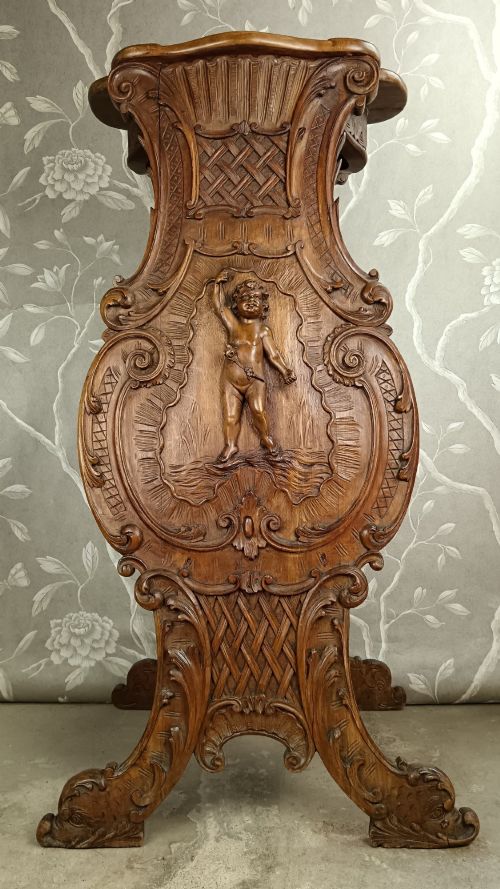
Makers utilised solid walnut and burr walnut veneers, often combining the timber with marble inserts, brass mounts, and ebonised wood details. Carved walnut elements provide structural ornamentation, while secondary timbers such as mahogany appear in specific framework components.
Surface decoration relies on the natural grain patterns of the wood, supplemented by hand carving, ormolu accents, and polished finishes. Glass panels are integrated into cabinet doors and display surfaces where the design calls for enclosed presentation.
Object forms range from traditional display cabinets and occasional tables to specialised plant stands and torcheres.
Quality factors in walnut stands
The distinction between standard examples and the finest pieces rests on the depth of the carving and the choice of timber figure. Burr walnut veneers with rich, natural patterning elevate the visual weight of a column or table.
Joinery execution and the integration of secondary materials like marble tops or cast ormolu mounts dictate the overall integrity of the piece. Period-appropriate hardware and crisp detailing in figural or floral carvings separate workshop-standard items from exceptional examples.
Shoolbred·Gillow & Co.
The Walnut Display Pedestal Glossary
- Torchère
- A tall, slender stand designed to hold a candle or a small decorative object. These pieces often feature elevated platforms supported by carved columns or tripod bases.
- Jardiniere
- A decorative container or stand specifically made to hold plants and flowers. In these listings, they appear combined with pedestal bases for interior display.
- Burr walnut
- A specialised timber cut from the growth warts of walnut trees, yielding intricate, swirling grain patterns. It is typically used as a veneer on tabletops and prominent surfaces.
- Ormolu
- Gilded bronze mounted onto furniture and decorative objects for ornamentation. This technique appears on French-influenced stands and pedestals.
- Ebonised wood
- Timber treated with a chemical stain or finish to imitate the dark, dense appearance of ebony. It provides contrast against lighter walnut sections.
Walnut Display Pedestal: Frequently Asked Questions
What is the difference between a torchere and a pedestal?
A torchère typically refers to a tall, slender stand originally designed to support a light source or a small decorative item. Pedestals often feature broader tops intended for heavier sculptures or urns.
Both serve to elevate objects within a room, but torchères tend to emphasise vertical slenderness and decorative turning.
How do I place a tall pedestal in a small room?
Tall stands work well in empty corners or flanking doorways where floor space is limited. Their vertical orientation draws the eye upward without crowding the room.
Choosing a piece with a narrow footprint, such as a column or plant stand, ensures the furniture remains functional without obstructing movement.
Can these stands support heavy sculptures?
Solid walnut construction provides robust support for most decorative items, but stability depends on the base design and weight distribution. Tripod bases and wider column bases offer greater balance for heavier stone or bronze pieces.
Checking the width of the top surface and the weight capacity of the individual stand ensures safe display.
How do I identify a Victorian walnut stand?
Victorian pieces often feature darker walnut finishes, heavier proportions, and ornate carved details reflecting revival styles. Elements such as turned columns and platform bases are common in this era.
Comparing the construction methods and wood ageing helps distinguish mid to late nineteenth-century items from earlier Georgian or later Art Deco examples.