


Burr Walnut Column
A burr walnut column brings rich grain and structural presence to a room, offering both display space and classic form.
Burr Walnut Column
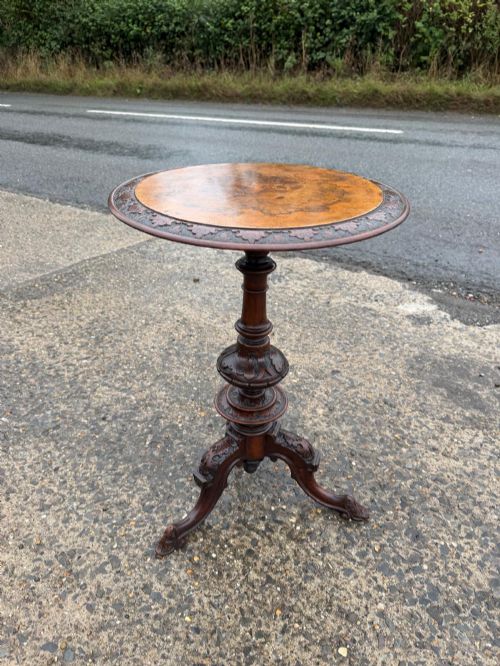
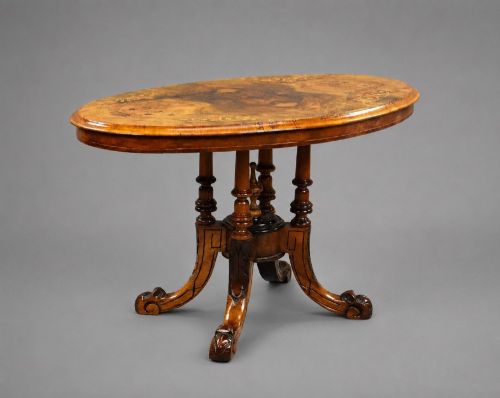
When you search for a burr walnut column, you look for pedestals, torcheres, and occasional stands shaped by Victorian and early twentieth-century makers. These pieces range from compact lamp tables to tall display pedestals, each highlighting the distinctive swirling patterns of the wood.
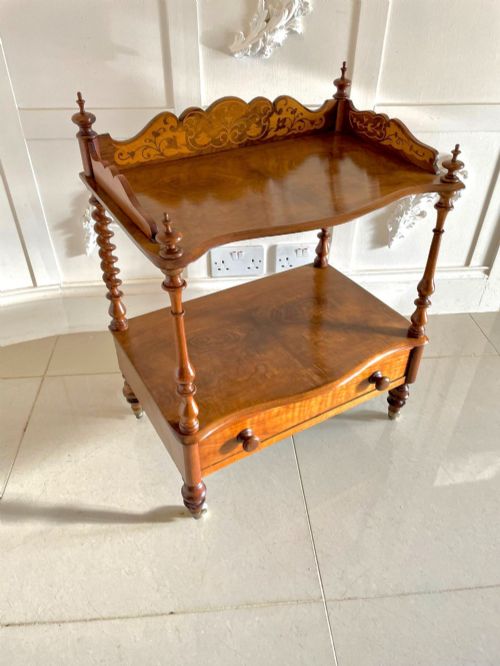
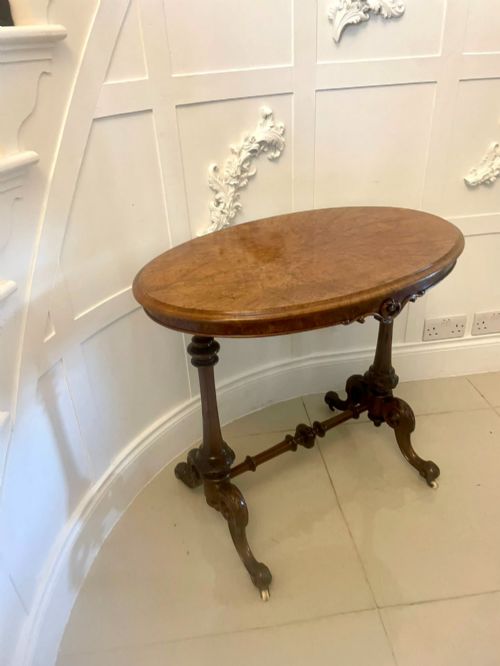
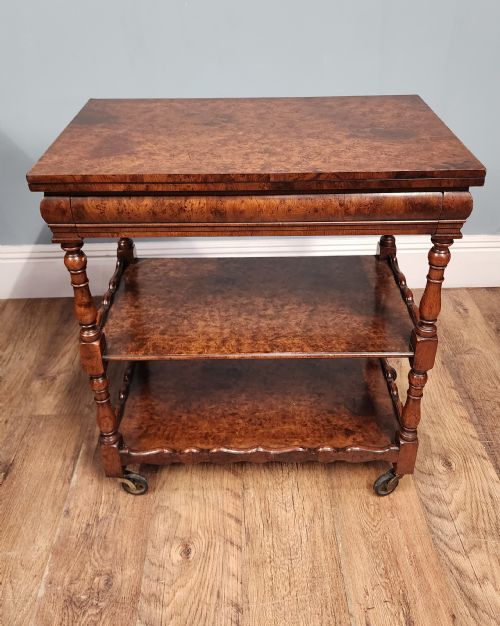
The versions most common on this page date from the nineteenth century, particularly the Victorian period around eighteen-eighty and eighteen-ninety. Alongside pedestals, the selections include related occasional tables and tiered étagères that share the same materials and decorative vocabulary.
How they were made
Craftsmen built these items using a foundation of solid timber or secondary woods overlaid with finely sliced burr walnut veneers. These figured veneers were carefully arranged and matched to create symmetrical patterns across table tops and column shafts.
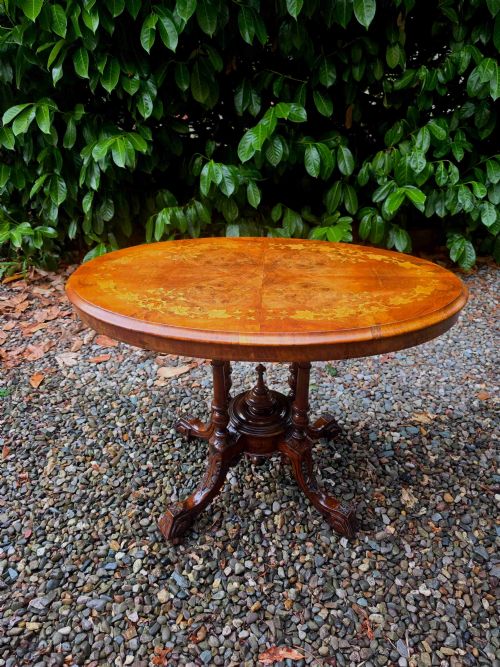
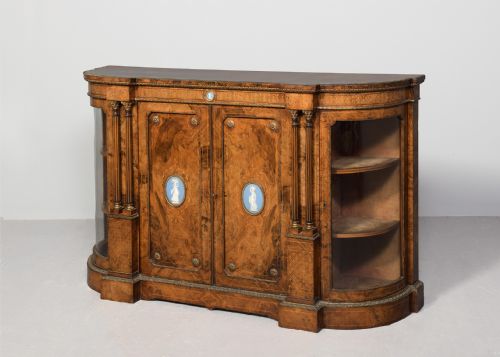
Many examples incorporate wood inlay, brass mounts, or ebonised wood details to accent the warm tones of the walnut. Surface finishes were built up using traditional polishing methods to deepen the grain and protect the wood.
Even a humble corner whatnot manages to look like it is plotting something architectural.
What varies in quality
The distinction between standard items and exhibition pieces lies in the choice of veneer and the precision of the joinery. Superior examples display dense, unbroken burr patterns across prominent surfaces without awkward patching.
Finishing touches such as crisp wood inlay, well-cast ormolu, and stable structural proportions separate ordinary workshop production from the work of notable makers.
Gillow & Co.
The Burr Walnut Column Glossary
- Burr Walnut
- A figured wood taken from the wart or growth on a walnut tree, prized for its swirling, highly decorative grain patterns. It is typically sliced into thin veneers for furniture surfaces.
- Pedestal
- A tall, freestanding column or support used for displaying urns, lamps, or sculptures. These forms often feature turned shafts and stepped bases.
- Inlay
- A decorative technique where contrasting materials such as lighter woods or brass are inserted into recesses cut into the primary surface. This adds intricate geometric or floral detail to table tops and cabinets.
- Ebonised Wood
- Timber treated with a dark stain or finish to imitate ebony. It provides a sharp, contrasting border or structural element against lighter walnut veneers.
- Étagère
- A piece of furniture consisting of open shelves for displaying small objects or books. They appear in multi-tiered corner and freestanding formats.
Burr Walnut Column: Frequently Asked Questions
What is a burr walnut column used for?
These pieces serve primarily as pedestals, torcheres, or lamp tables designed to hold decorative objects, lighting, or floral arrangements. Their vertical presence draws the eye upward while providing a stable platform in a room.
Collectors also place smaller column-form tables beside seating areas where the figured top can be appreciated close up. They function as both furniture and sculptural elements within traditional and eclectic interiors.
How do I date a Victorian burr walnut piece?
Dating relies on observing construction methods, secondary timbers, and stylistic markers recorded across nineteenth-century examples. Pieces from the eighteen-sixties often exhibit distinct Victorian revival styling and careful wood inlay.
Later nineteenth-century items may incorporate Aesthetic Movement influences or simpler geometric forms. Comparing the secondary woods beneath the veneer and the framing techniques helps narrow down the decade of manufacture.
How do I clean and maintain burr walnut?
Maintenance requires keeping the wood away from direct sunlight and fluctuating heat sources that can dry out the ancient veneer. Dusting with a soft, dry cloth prevents particle buildup without harming the polish.
Occasional application of microcrystalline wax feeds the finish and preserves the warm sheen of the walnut. Avoid using liquid polishes or silicone-based sprays which can penetrate through hairline cracks in the old finish.
What is the difference between walnut and burr walnut?
Standard walnut lumber comes from the straight-grained trunk of the tree, offering a uniform, rich brown tone with subtle growth lines. It was frequently used for structural frames and solid components.
Burr walnut originates from a specific arboreal growth that produces intensely tangled, swirling grain patterns. Because this wood is scarce and unstable in solid form, it is sliced into thin veneers and laid over a stable core.